

Rent your home to a co-living operator and get a free property makeover
Working with co-living operators can be a win-win for all
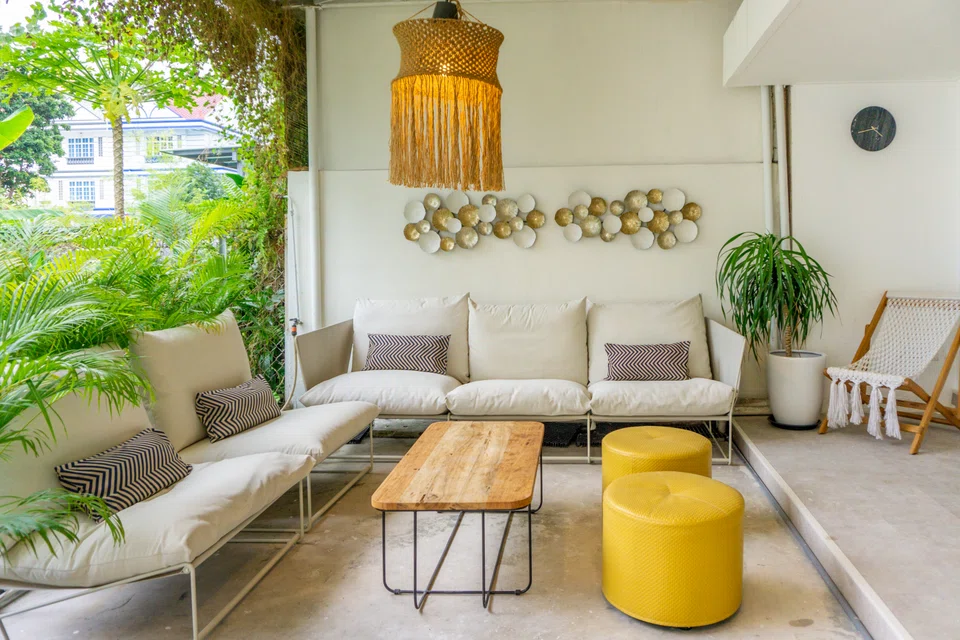
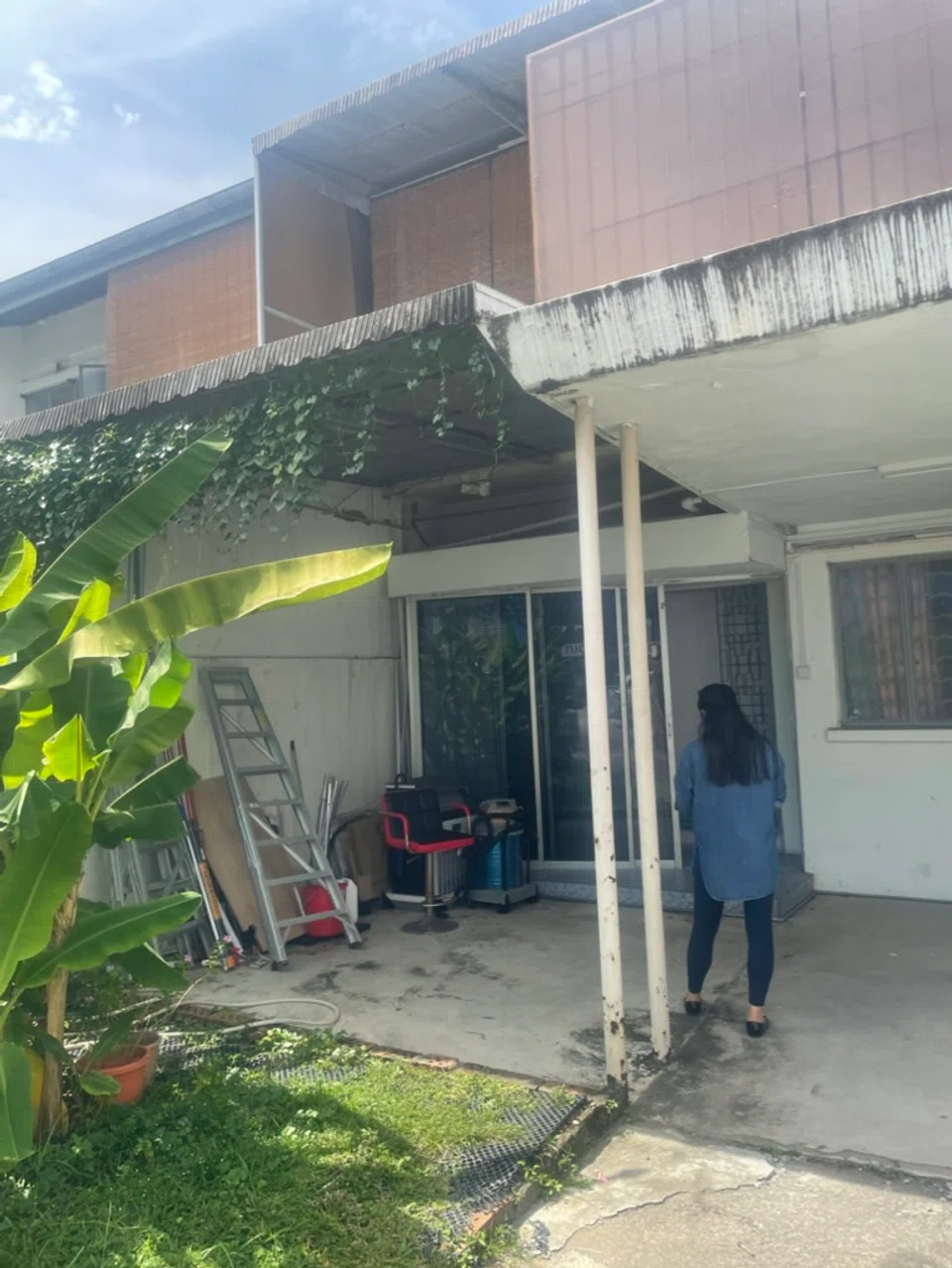
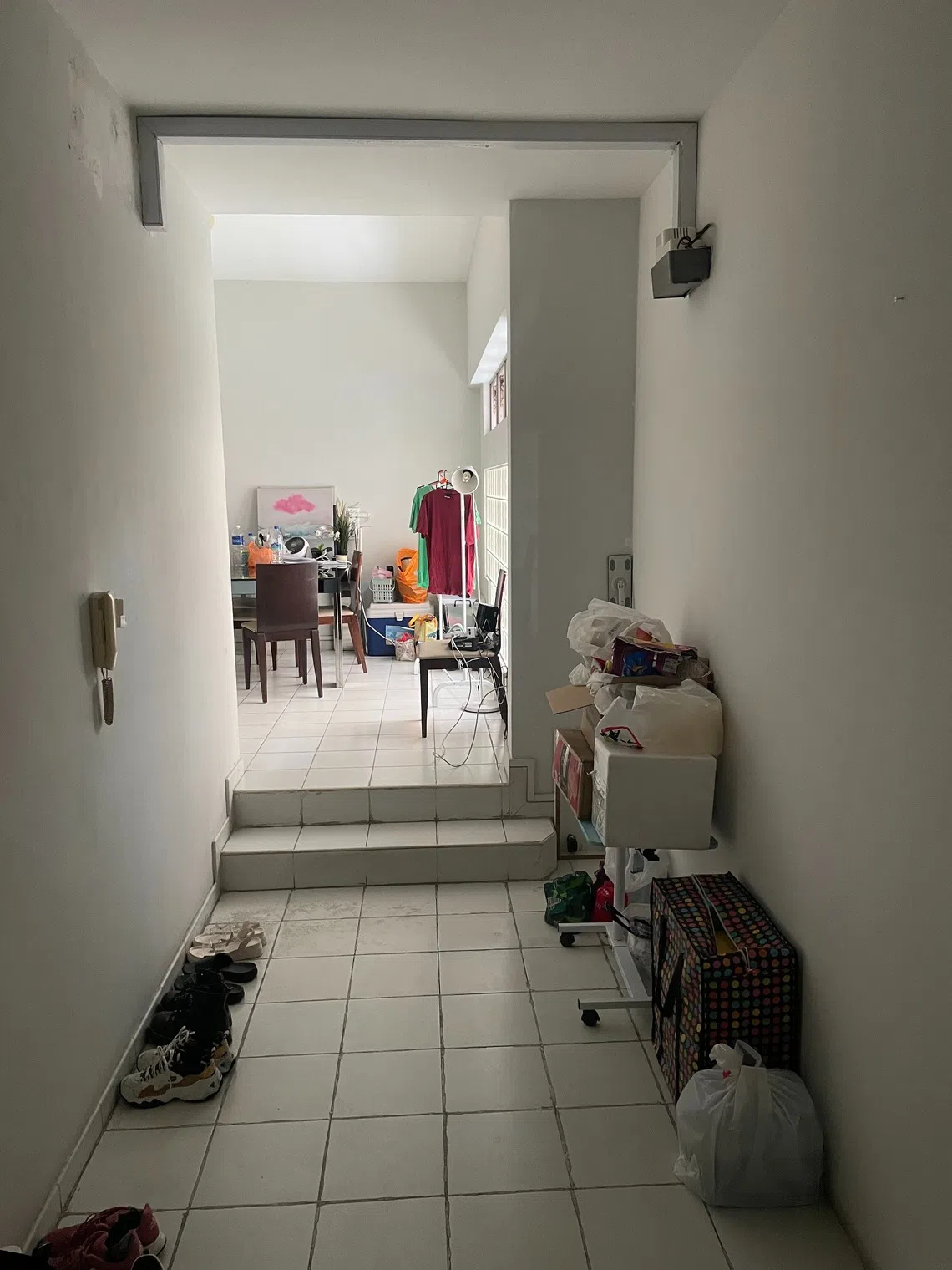
WHEN Nissi Gicalde went to view a landed home in East Coast, it was rundown and in dire need of repair. The co-founder and head of design at co-living operator Hei Homes surveyed the scene, decided to rent the property anyway and transformed it into an Instagram-friendly home that expatriates couldn’t wait to live in.
In the process, her landlord enjoyed a free transformation of his property (not to mention an enhancement in value), Gicalde added to her inventory of rooms to rent out, and tenants are more than happy to live in the chic space.
From the landlord’s perspective, this opportunity for a free upgrade sure sounds good.
Thanks to the red-hot rental market in the last few years, co-living – where three or more unrelated tenants live in the same dwelling unit – has become a fixture in the residential industry. Savvy landlords have also found leasing to co-living operators a favourable alternative to the traditional method of renting their property to tenants – typically a couple or family – via a property agent.
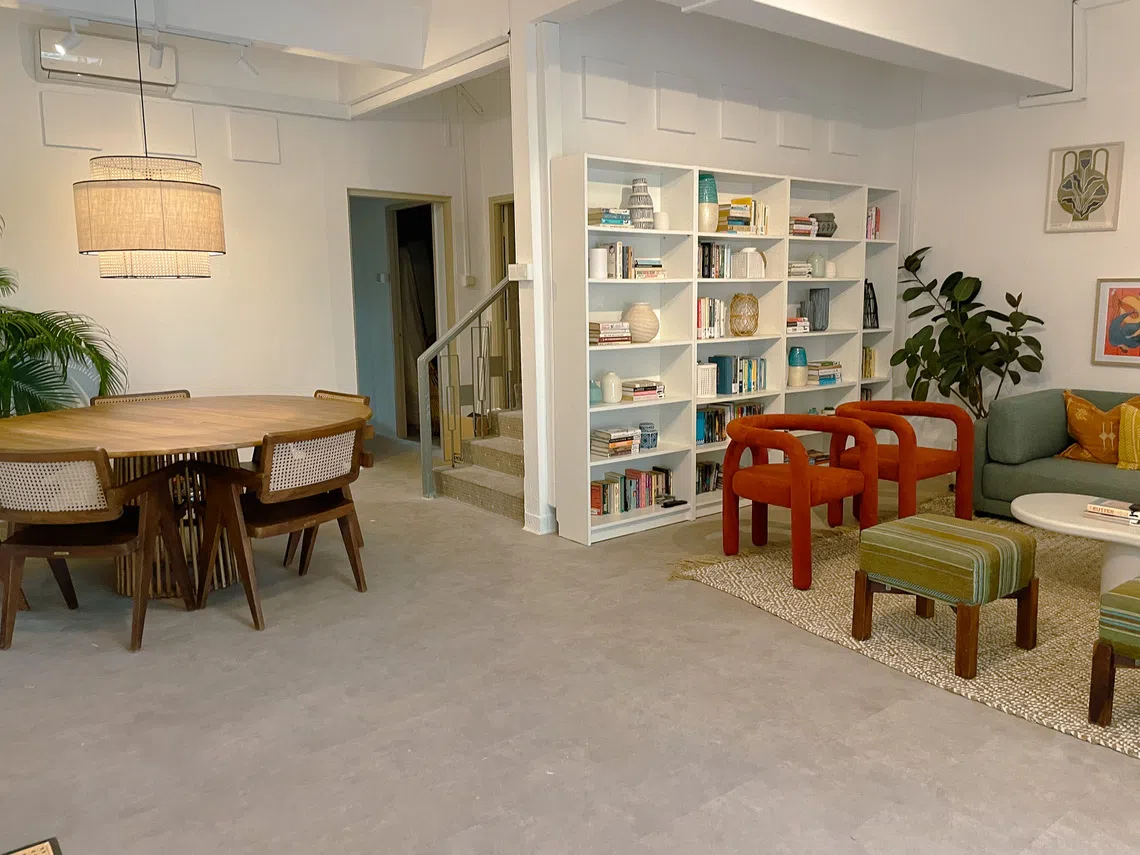
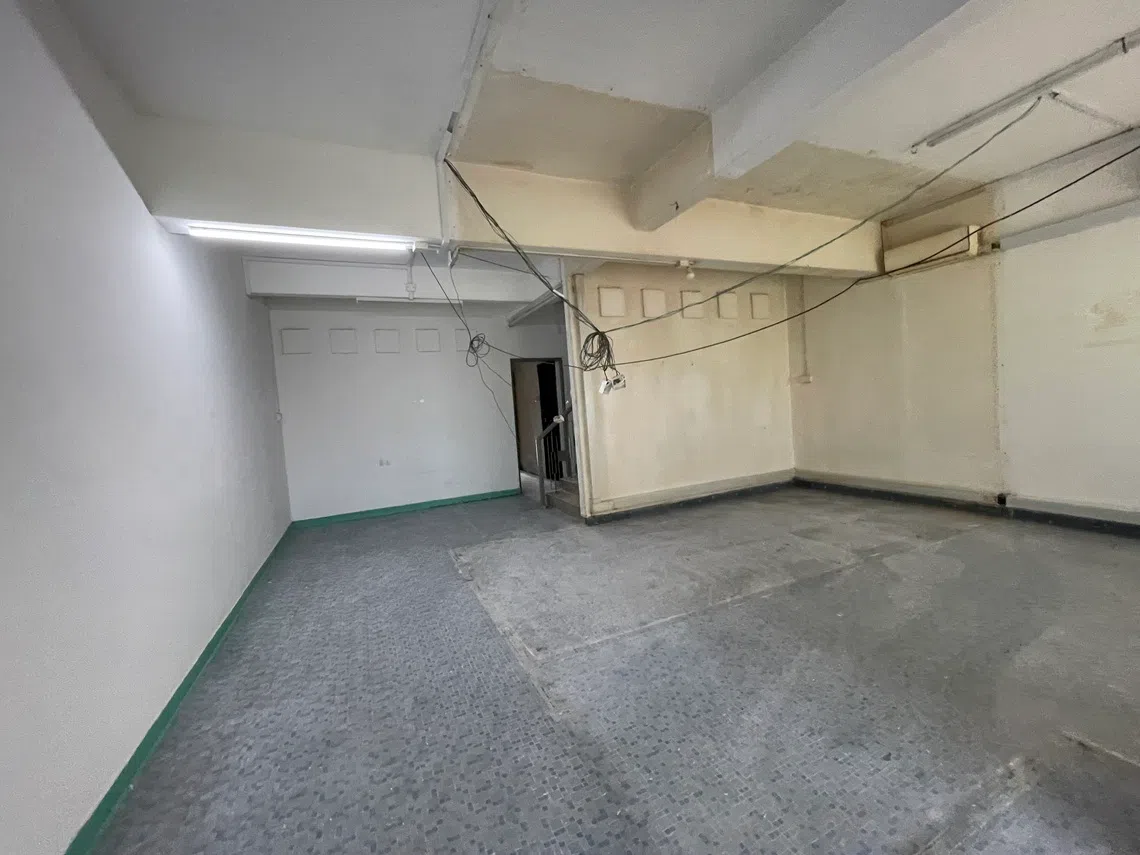
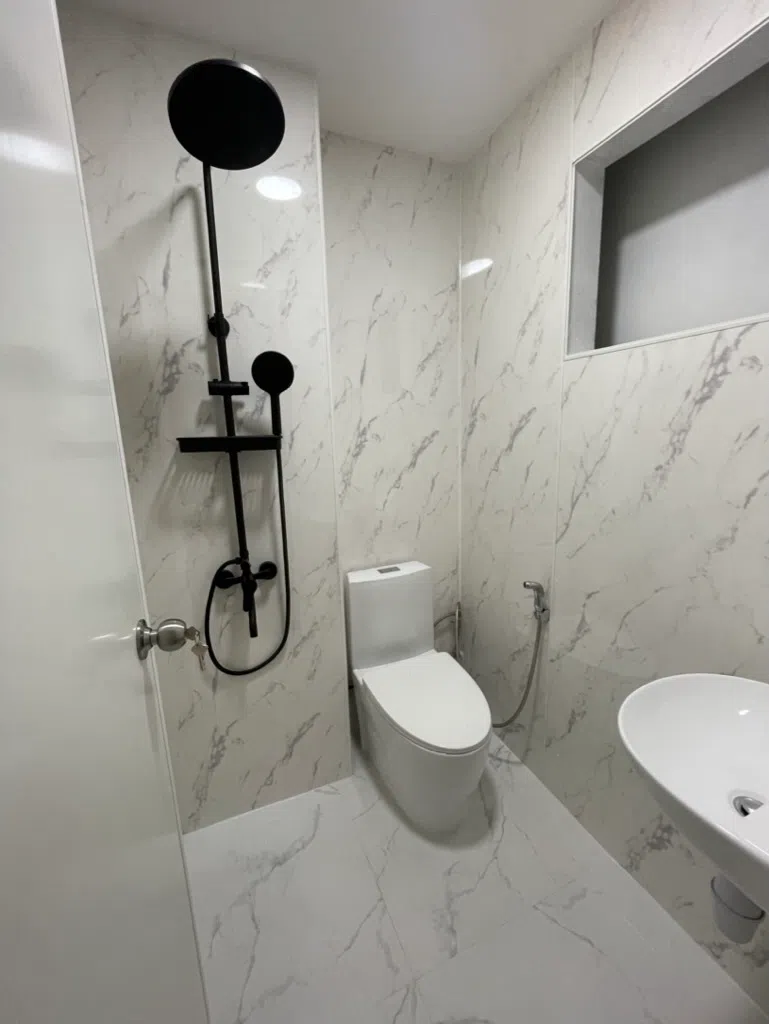
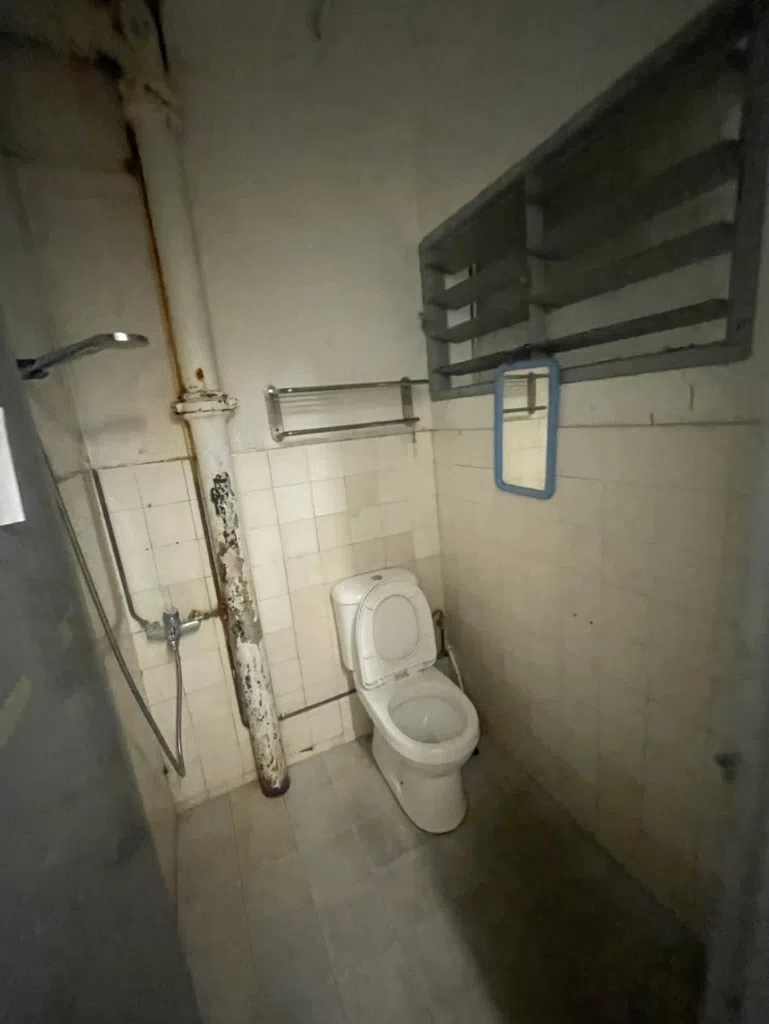
Major transformations of properties by co-living operators from a “cannot-make-it” state to one that tenants fall in love with are not uncommon.
Not only do landlords enjoy a free spruce-up of their property, with tenant issues and maintenance handled by the co-living operator, those who rent directly to the operator also save on the property agent’s commission, which is typically half-a-month’s rent for each year of lease.
No, it’s not a scam
Ernee Ong, co-founder of Bespoke Habitat, says Singapore is mostly still stuck in the traditional model, where landlords get an agent to rent out their property and don’t bother with it thereafter.
“We want to educate the market... property should be managed properly on a day-to-day basis,” he explains.
In this model, landlords sign a lease with the co-living operator as a master tenant.
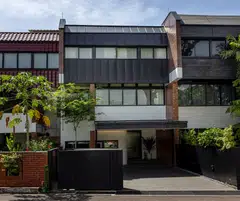

The operator will then take over the property and do its magic – which can range from minor work such as giving the unit a new coat of paint before furnishing it with items that meet tenants’ basic needs, to a complete overhaul involving bathroom and kitchen renovations and new flooring, piping and lighting. All with the landlord’s permission, of course.
The operators will then market and rent out the rooms to suitable tenants, adhering to official rules including a minimum lease duration of three consecutive months per tenant and no more than six unrelated persons per property. Landlords will be updated with information about who these tenants are, while tenants have to abide by a set of house rules.
The co-living operator also takes care of maintenance, with the weekly housekeeping team helping to keep an eye on the property and alerting the operator if any repairs are needed.
Once the lease with the landlord is over, the co-living operator will clear out the property before returning it, although the refurbishments done can remain – with both parties’ agreement.
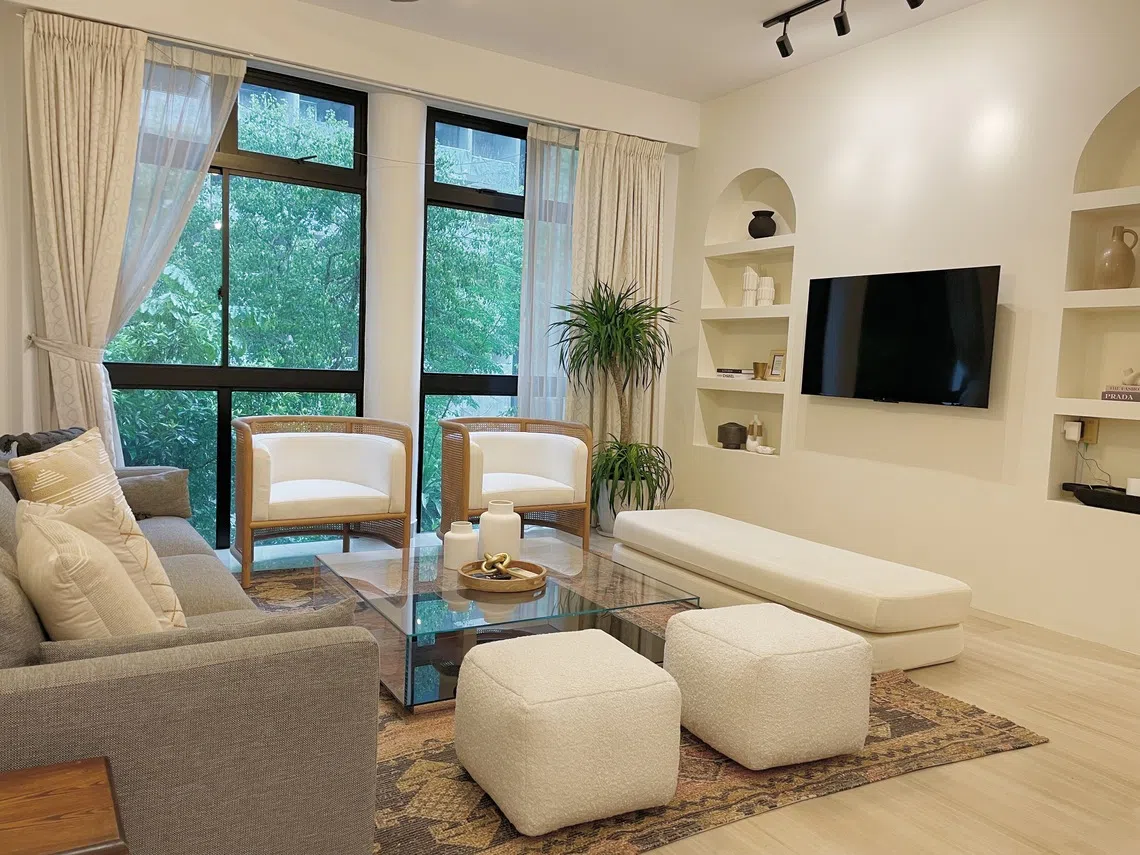
Hei Homes, which focuses more intensely on design, prides itself on creating beautiful spaces and has a portfolio of different styles, ranging from resort to bohemian and industrial.

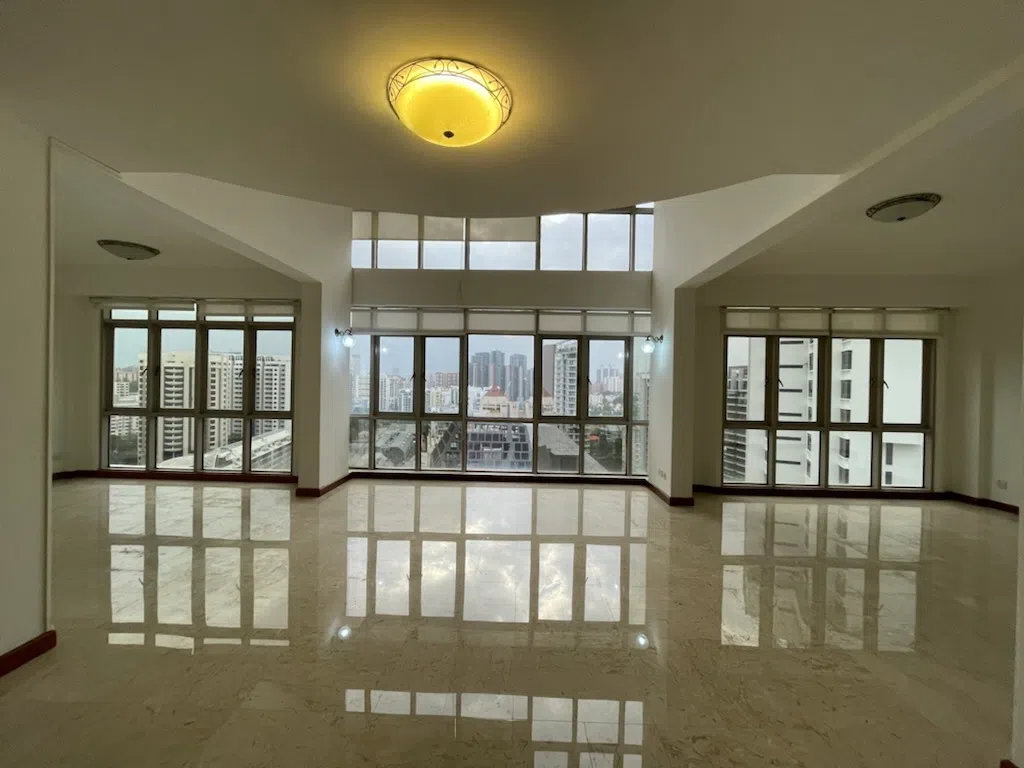
“When we do renovations that add life and value to the property, some of our landlords are amazed and so shocked at the transformation that they don’t recognise it anymore,” says Gicalde, who furnishes the units like an interior designer would, selecting vases, cushions and rugs, and even curating books.
Hei Homes has done such a successful job transforming properties that tenants turn up for viewings just to check that they are not scams or merely showrooms.
Making business sense
A common refrain from co-living operators is that this arrangement has to be a win-win for all parties involved.
Ong says he supports landlords with refurbishment and property management if they can give him a competitive rental rate. But rents will be lower if the property is very rundown, as the landlord knows it cannot be leased out without a major overhaul. Ong will then renovate it and sign a three-year lease with a possible three-year extension, as he is footing the refurbishment costs upfront.
“This way, you add value to the property as a management company, and it makes a lot of sense for the landlord over the long run,” says Ong.
Started in 2019, Bespoke Habitat manages some 250 addresses in Singapore, most of them condominiums, with a total of over 1,200 tenants. Next month, it will launch Bespoke Habitat Short-term Accommodation Services, with spaces suitable for families. It is also expanding into Johor Bahru, Malaysia.
About 95 per cent of its tenants are foreigners, mostly from Asia, with 75 per cent to 80 per cent being executives and managers.
Bespoke Habitat is squarely focused on the mass market for working executives, and will ensure the rooms they offer are clean, neat, comfortable and properly furnished. A master bedroom with an en-suite in a good location can be rented out for as much as S$2,500 a month.
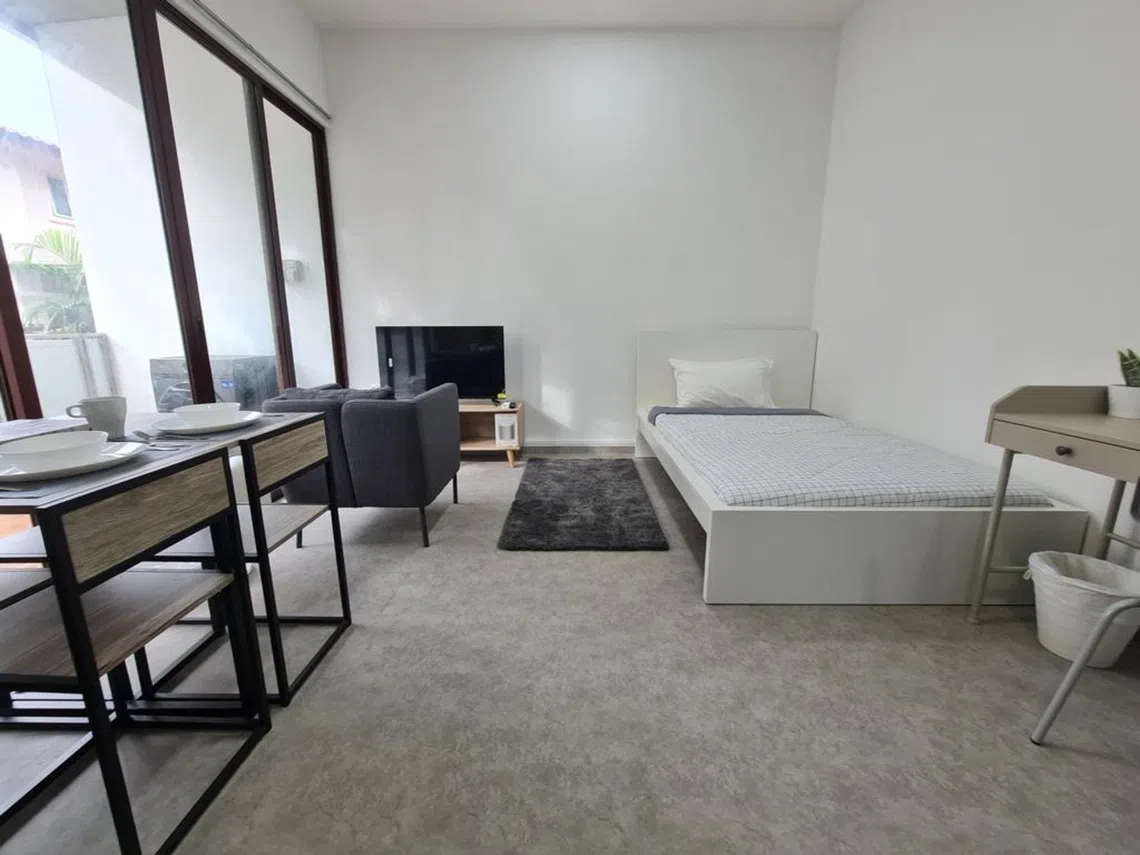
Given that they are negotiating to rent to co-living operators, some landlords will ask for above-market rents, prompting operators like Ong to walk away.
“For it to make business sense, all three parties must win – the landlord, the operator and the sub-tenants we lease to,” he reasons, pointing out that managing one tenant is already a challenge, “imagine managing over a thousand tenants that you are serving every day”.
Hei Homes, on the other hand, was established in 2018 and currently manages around 35 homes or about 150 rooms, mostly in central Singapore. These include landed houses, condominiums and walk-up apartments, with condos making up 80 per cent of the mix.
Depending on the room type, rents start from S$600 for an economical “pocket room” (typically a maid’s room) with a private bathroom to S$3,000 for a master bedroom with en-suite.
About 80 per cent of its clients are working professionals – most of them from Europe – with the remainder made up of students and interns.
“At the end of the day, we have to make sense of the numbers and whether this is a unit we can transform and elevate, so that we can put our brand and price on it,” says Gicalde of rental negotiations. “This varies from property to property, and can be as specific as the landlord giving us a lower rent but we’ll shoulder the cost of installing the air-conditioning, for instance. It has to be a win-win.”
Renting to rent – which is what these co-living operators do – really requires a gearing up of skills, says Albert Zhuang, who started Smile Rain as a co-living business last year. “You need quite intensive skills – sourcing for units and successfully renting them, property management including transforming the homes through renovations, and then getting quality tenants. It’s quite intensive work.”
As managing all the tenants involves a lot of hassle and effort, scaling up is a must. This is why Smile Rain, which currently manages 20 to 30 tenants, is targeting 100 tenants by the year end.
So you want to work with co-living operators
As attractive as it sounds, renting your property to a co-living operator may not be for everyone – and not everyone’s property will work for the operator either.
For starters, you have to be prepared to sign a longer lease of at least three years, so the operator has enough time to recoup the investments and effort made to enhance your property.
There will be more details in the letter of intent that precedes a tenancy agreement, as the co-living operator will state the work that it plans to do in the unit. This is also where negotiations on rent and what each party can bring to the table takes place.
As part of the discussions, landlords are likely to be asked to provide a two-week rent-free period for the co-living operator to do refurbishment work. During the tenancy, landlords still have to foot the bill for repairs above certain pre-agreed amounts, just like they would if they had rented the entire unit out via a property agent.
Those who expect to have families as tenants are also not suited to rent to co-living operators.
“Their main reason is because they don’t like people coming and going,” says Ong. “That is old-school thinking. We are serving working professionals, a group of people who also expect weekly cleaning of the unit, so we need to maintain the property well.”
In the past, Hei Homes’ Gicalde used to have to look for units to lease and propose the co-living concept to landlords’ agents. These days, however, many landlords are reaching out directly to her. Given manpower limitations, she is currently focusing mainly on properties in the central area. The property must also have at least three bedrooms and a good-sized living area.
“Because our selling point is a very nice communal space, we want to make sure we have enough space to create that, so if we can barely place a sofa in there, we won’t consider it,” she explains.
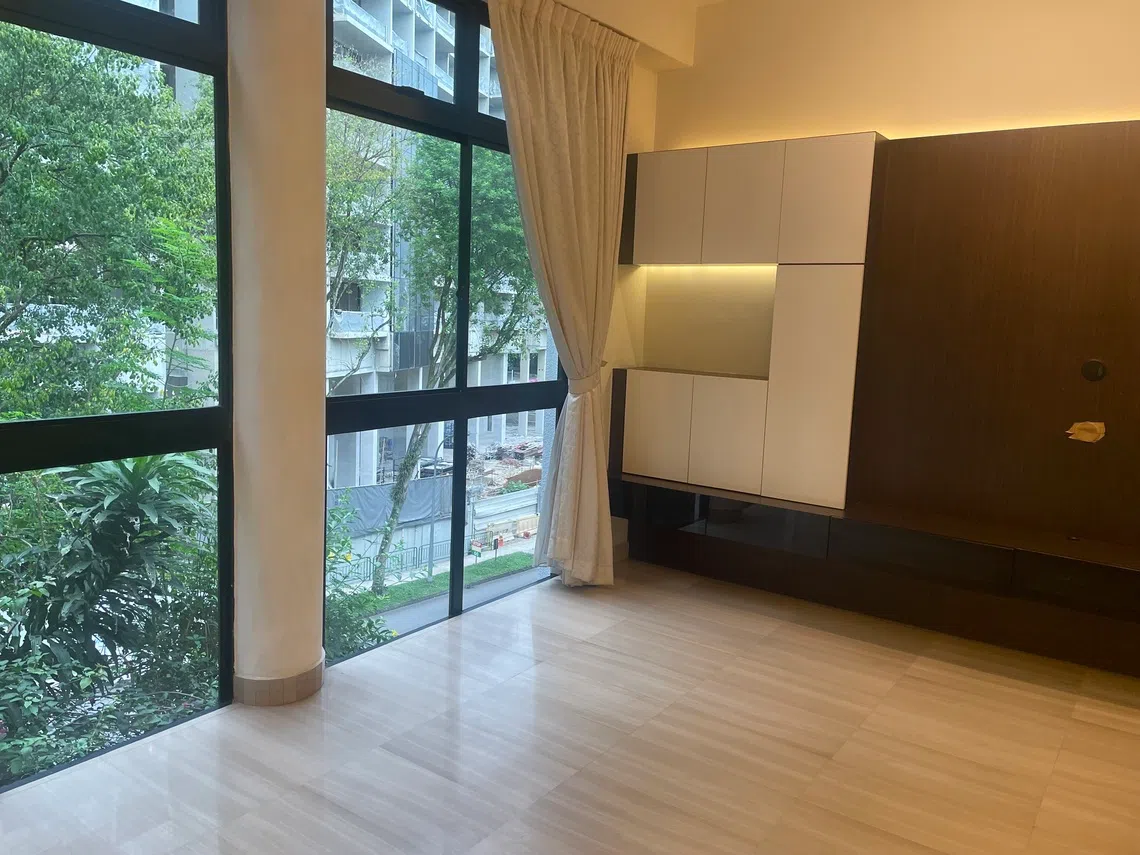
Sometimes, landlords will also need to agree to having partition walls put up to create extra bedrooms – something which Smile Rain does.
And while landlords can put the property up for sale while it is leased to a co-living operator, there may be limits to viewings.
Still, that hasn’t deterred landlords like Lim Chee Meng, the owner of a 1,315 square foot condo unit.
Lim leased his investment property to Bespoke Habitat because of its “full suite” of property management solutions, including an in-house team that takes care of air-conditioning, handyman, cleaning and customer care services. He is receiving a similar rental rate to what he used to charge when he rented it to a family.
Says Lim, whose unit underwent “light renovations” and the addition of a digital door lock: “After the whole set-up and refinements, it looks more presentable for potential tenants.”
And clearly, it was a deal that was a win for him too.
Decoding Asia newsletter: your guide to navigating Asia in a new global order. Sign up here to get Decoding Asia newsletter. Delivered to your inbox. Free.
Copyright SPH Media. All rights reserved.
TRENDING NOW

Grab CEO’s wife Chloe Tong on life with Anthony Tan and finding her purpose

Income Insurance appoints former Manulife Singapore top man as new CEO

Incidence of civil servants buying property near unannounced MRT stations ‘a concern’, but may not establish misconduct: PSD

Three ex-employees of Envy group join Ng Yu Zhi in bankruptcy

