

Singapore’s priciest handbags? Enter new, ultra-luxurious brand whose creations cost over S$100,000
Customers also have to wait six to nine months for their bags to arrive
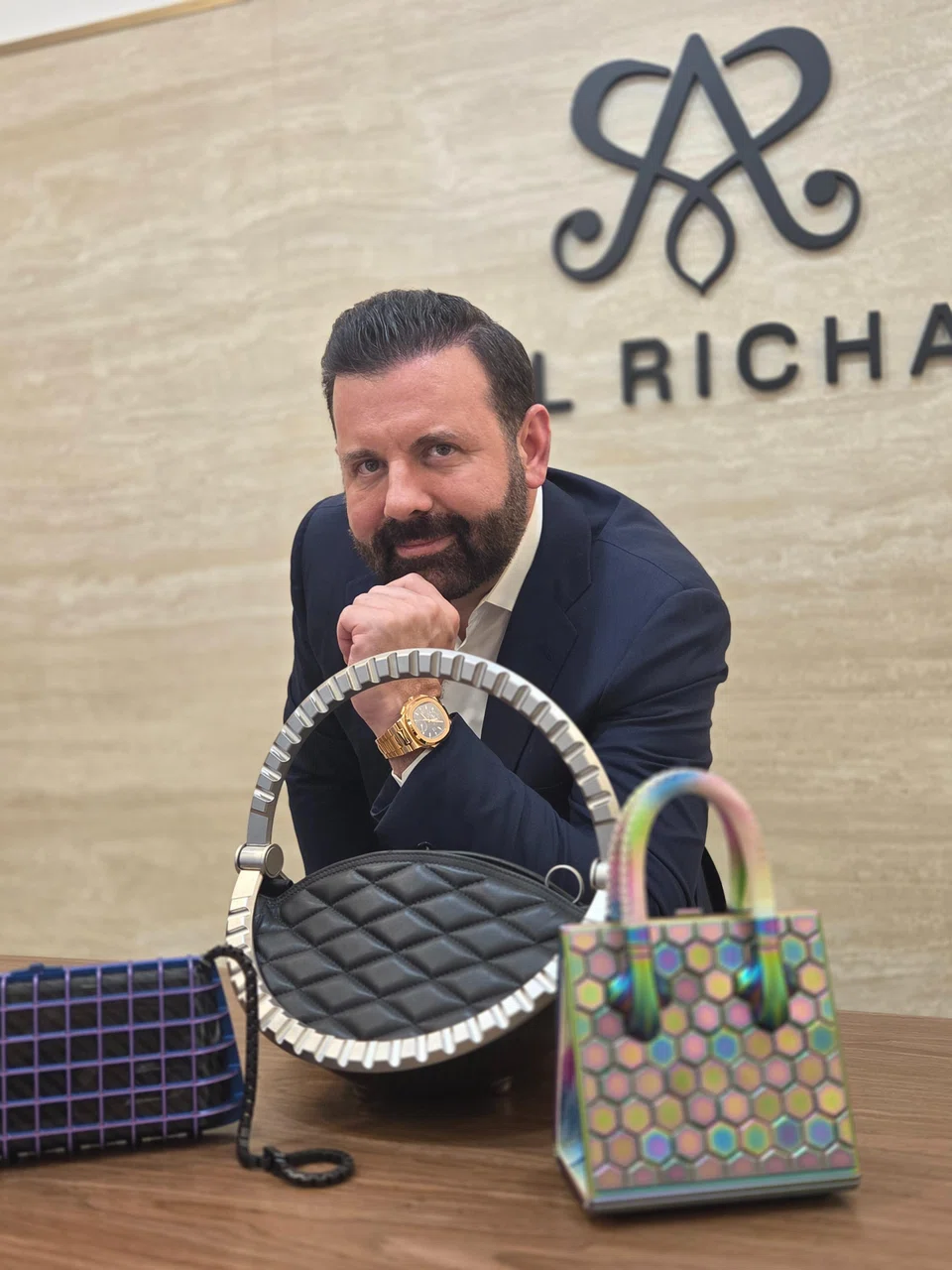
[SINGAPORE] You’ve probably never heard of Abel Richard, a new, ultra-luxurious handbag label that burst onto the scene in December with an official launch in America’s upscale Miami Design District.
What has raised some eyebrows is that the newcomer is charging upwards of US$85,000, or about S$107,000, for a bag, with some – embellished with precious stones – priced at a staggering US$1.1 million.
Still, reception has been “very good”, with “quite a few sold” and a delivery time of six to nine months, said its eponymous American founder and creative director, Abel Richard Bullock.
He was speaking to The Business Times in an exclusive interview prior to the Thursday (Jan 29) opening of the brand’s 1,152-square-foot boutique in Marina Bay Sands Singapore – its first in Asia.
Merging precision-focused engineering with old-world craftsmanship, the bags, Bullock says, should be seen in the light of other ultra-luxury products such as very-high-end automobiles or watches with complex mechanisms that take hundreds of hours to make.
In comparison, each sculptural Abel Richard bag takes around 1,000 hours to craft and hand-finish in Italy’s Bassano del Grappa.
Pricey, high-tech equipment is put to work on titanium and the same carbon fibre used in high-performance automotive and Formula racing industries. The titanium, for instance, is cut to a tolerance level of just three microns (a sheet of paper is about 100 microns thick). Other materials used include ceramics, enamel work and leather.
“It’s really about the brand philosophy,” explains the Arizona-based entrepreneur. “When you’re a traditional fashion brand, you’re stuck with designing for the next season, and a committee that says ‘this is the price point we want this product to cost’. When you do that, you take away the beauty of the piece.”
In contrast, says Bullock, his brand doesn’t “worry about the cost”. “We say we want to develop the most beautiful piece, and then we design to failure. That means we’ll try things that don’t work and we do it a lot because if you design to the best possible outcome, you’re going to fail over and over again.”

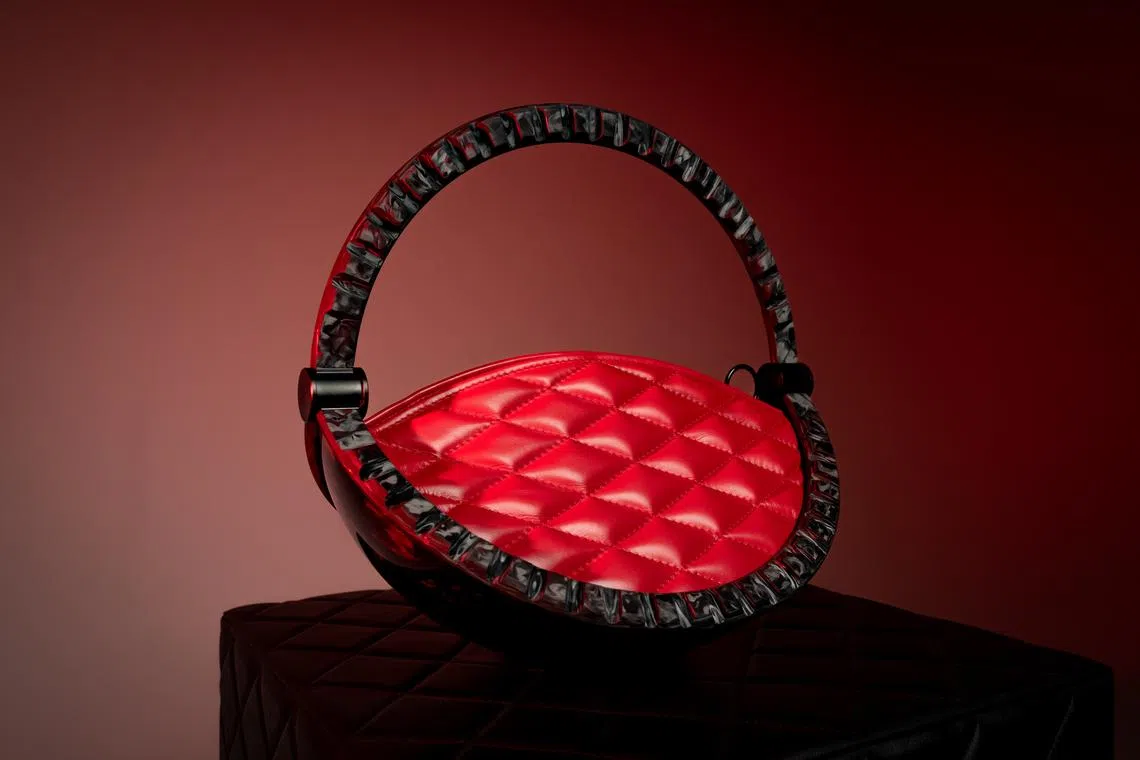
The value proposition is that the bags are “museum-quality” pieces of art, produced in limited quantities for collectors. The three key models right now are the Chrono, which was inspired by a watch bezel; Mosaic, with its honeycomb pattern; and the sleek and iridescent Oyster.
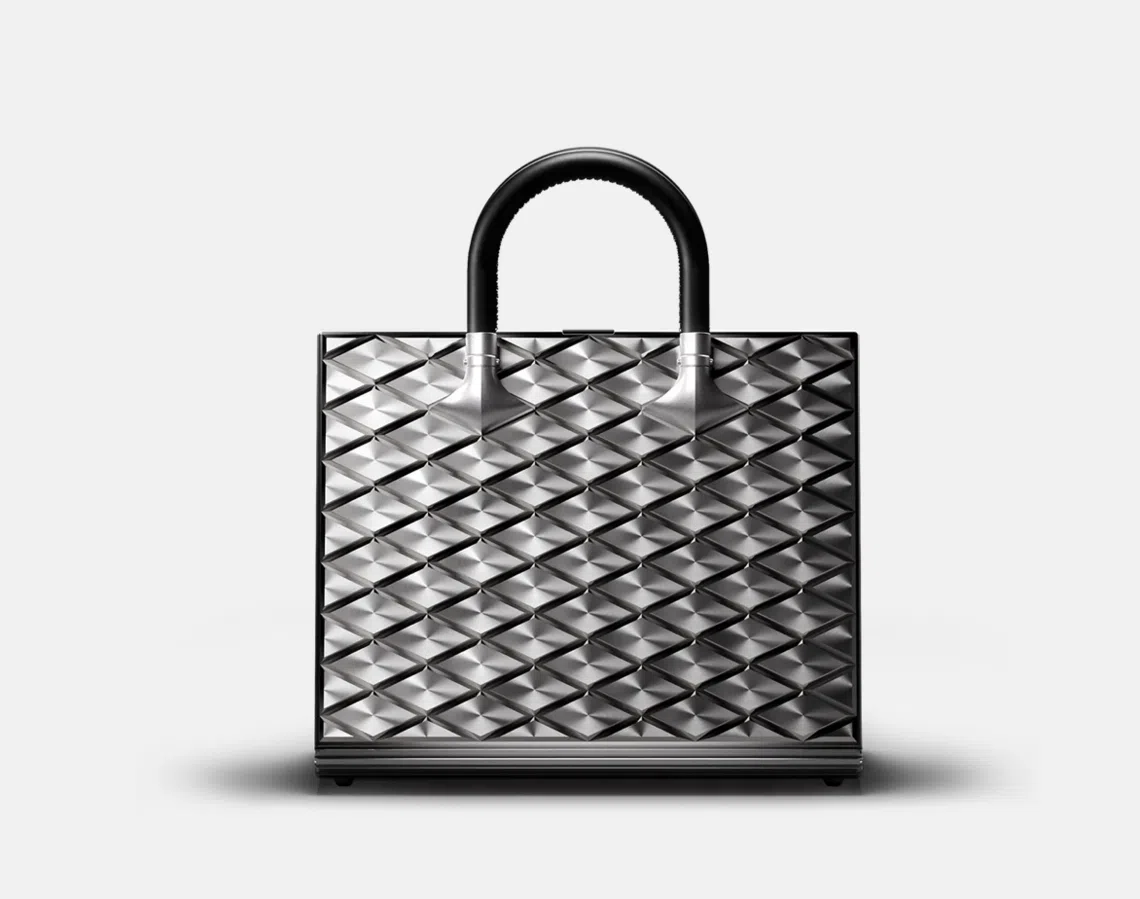
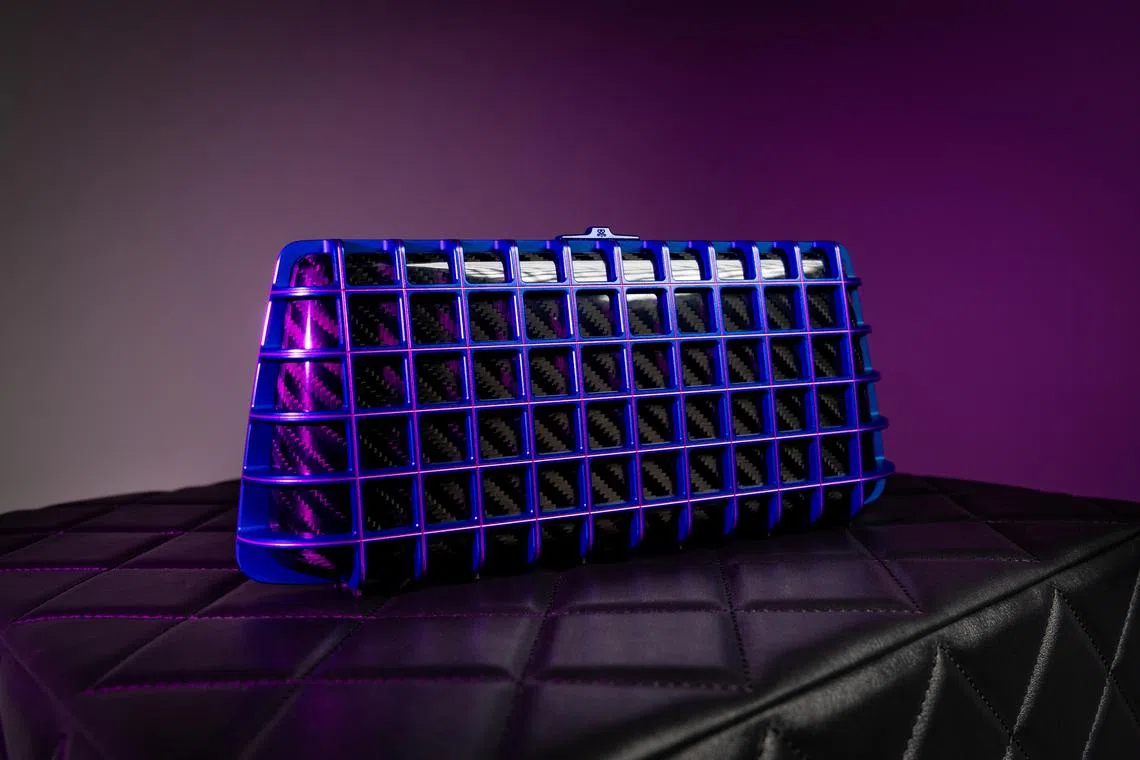
The bags offer little by way of internal capacity, but they certainly have heft (“So do the doors on a Rolls-Royce,” Bullock quips), with the heaviest weighing in at 2 kg.
A decades-long journey
Bullock, who describes himself as “a very private person”, says that his path to luxury products started more than 20 years ago.
As a young business management graduate from Missouri State University, he “sent resumes to 200 companies” before landing a role managing big power-plant projects across the US.
“I took the job that paid me double what all my friends made,” adds Bullock. “That’s a mistake in hindsight.”
After four-and-a-half years living in hotels in remote areas, he quit to study for a Master of Business Administration across New York, London and Paris.
Then, at just 27, Bullock bought into and ran a writing-instrument maker, designing high-end pens with enamelling that cost upwards of US$3,600. He got out of the business during the 2008 global financial crisis and, thanks to a fascination with regenerative medicine, went on to start biotech companies Surgenex and Vetek Labs in 2015 and 2018, respectively.
“It’s very doable because you have the expertise around you and you become an expert by working on it,” he says of his role as an inventor of human cellular and tissue-based products. “We have these pre-existing ideas of how the world should be and that’s the box we live in. But I would challenge people to look outside that and what can be. Maybe there’s a better way.”
In the last year, he bought into renowned Italian luxury fountain-pen maker Montegrappa, whose Bassano del Grappa location is where Abel Richard’s handbags are being made. Bullock is leveraging the pen maker’s capabilities in working with forged carbon fibre (as seen in its Automobili Lamborghini 60° collection), titanium and ceramic.
But why handbags?
“I had the idea 20 years ago when there were just two handbags – black and brown,” says Bullock, who concedes that the market has changed significantly since.
“I felt there’s got to be more than this and if you added things like enamel work and other types of materials, you can make them look extremely elegant and sophisticated and really push the level of what can be done.”
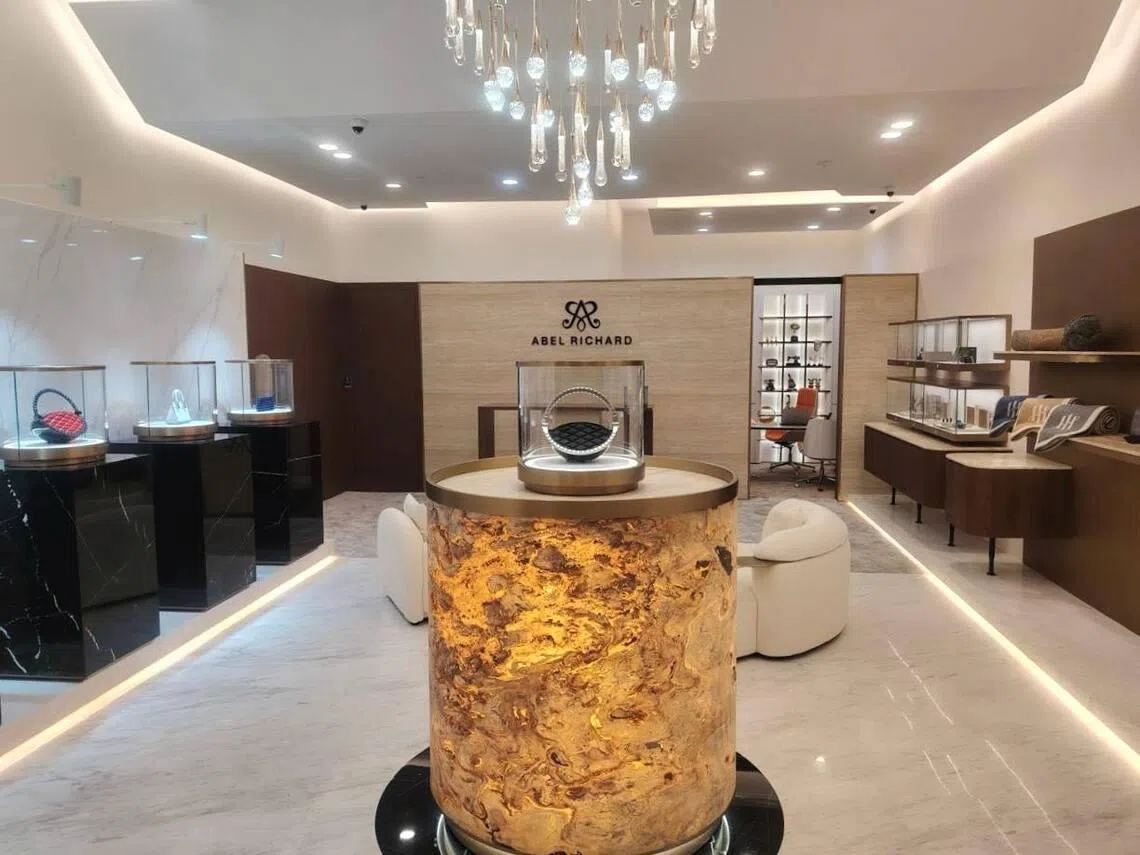
And it is the craftsmanship that is in focus, with the bags displayed individually in glass cases. Montegrappa writing instruments and lifestyle accessories take up a separate section in the boutique in Marina Bay Sands.
Part of Bullock’s strategy is to open stores in key locations in quick succession. The ones in Beverly Hills, Miami, Dubai and now Singapore will be joined by openings in New York and London. “If you’re going to be an ultra-high-end luxury brand, you need your customers to have confidence that you have lasting power.”
Louis Roederer Cristal Champagne will be served at its boutique, and service levels will match the expectations of the ultra-high-net-worth set. People, he notes, are tired of brands claiming to be in the luxury space without the commensurate service.
“Luxury brands like to gamify the system. But what I would say is when you go into a boutique and they don’t even acknowledge you exist; when you purchase something, but they make you feel you should be grateful; and you have to buy 12 other things to have one item exactly – all that is not acceptable service,” he asserts.
“It’s about having a professional environment and respecting your customers, versus selling them something and making it seem like you’re doing them a favour.”
The Abel Richard brand has only just begun. Next up are fragrances and eyewear, with jewellery to follow.
Is he building a new luxury empire?
“Yes,” says Bullock without hesitation. “I think I was crazy to even make these bags. But if you put enough money in anything, you can make it work.”
Decoding Asia newsletter: your guide to navigating Asia in a new global order. Sign up here to get Decoding Asia newsletter. Delivered to your inbox. Free.
Copyright SPH Media. All rights reserved.
TRENDING NOW

DBS, OCBC, UOB rout lops billions off STI as inflation, rate concerns spook investors

Grab CEO’s wife Chloe Tong on life with Anthony Tan and finding her purpose

OCBC sheds S$8 billion in value as shares close nearly 6% down; analysts cautious on banks

Deal between tycoon friends sparks scrutiny of Philippine power sector

