

China and India key to Hilton’s expansion in Asia-Pacific luxury travel market
The hotel group is growing its presence in Singapore, Malaysia and Vietnam with new openings this year and next
[SINGAPORE] Even after crossing the milestone of 1,000 Hilton hotels across Greater China and Mongolia, the hospitality group shows no signs of slowing down in the region.
Hilton has plans to double its footprint in the coming years, says Candice D’Cruz, its vice-president of luxury brands for Asia-Pacific.

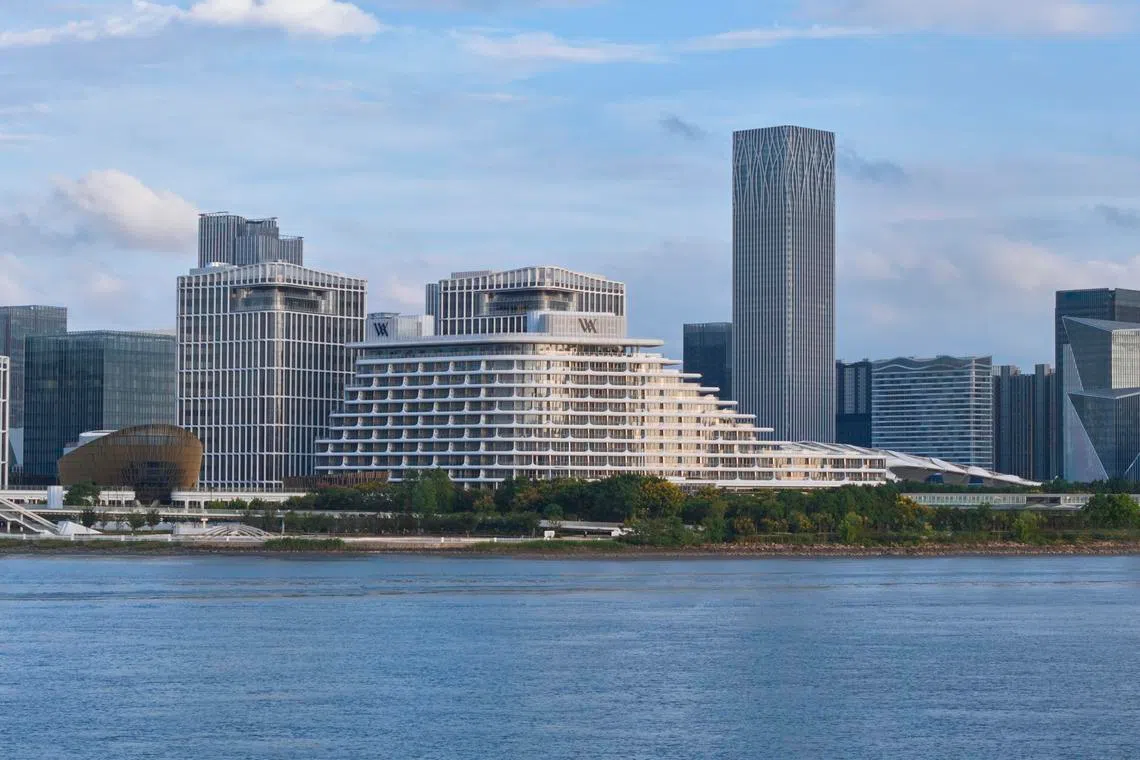
The most recent opening was the Waldorf Astoria Shanghai Qiantan in October 2025, its second property in the city after the Waldorf Astoria Shanghai on the Bund.
The Qiantan property sits in a newly developed financial district in Pudong that has been nicknamed the New Bund, and is designed as an urban getaway for travellers blending business with leisure.
“Greater China is one of Hilton’s most significant markets globally, both in scale and strategic importance,” notes D’Cruz, adding that there are more luxury hotels in the pipeline. These include Waldorf Astoria Shenzhen, LXR Hotels & Resorts in Tianjin, Conrad Zhoushan, and Signia by Hilton Tainan.
“In China we’re seeing travellers become far more discerning – they are well-travelled, design-forward and value authentic experiences over overt displays of luxury. There is also a strong desire for properties that connect meaningfully to their destination, whether through architecture, cuisine or storytelling.”
In turn, India is more than just an emerging market for global luxury brands, she says. “Its millionaire growth is among the fastest in the world, and with 65 per cent of the population under 35, the travel surge is largely driven by millennials seeking purpose-led, experience-focused journeys.”
On that front, the group plans to grow selectively in India, with properties in key leisure destinations. In the pipeline is The Den – an LXR Hotels and Resorts property – in Bengaluru, which joins the already operating Conrad. Waldorf Astoria in Jaipur and New Delhi are expected to open from 2027.
Vietnam is also high on Hilton’s radar. “It’s experiencing such rapid growth, especially in travel and experiential luxury,” says D’Cruz. Making their debut in the country will be the likes of Waldorf Astoria Hanoi, Conrad Phu Quoc and LXR Hotels & Resorts in Da Nang.
Among Hilton’s hotel brands, Waldorf Astoria has “experienced unprecedented growth in recent years”, especially with the reopening of its flagship property in New York in 2025. There are 38 Waldorf Astoria properties across 18 countries, including eight in Asia-Pacific. D’Cruz adds that there are 33 more in the works – 13 of them in the region.
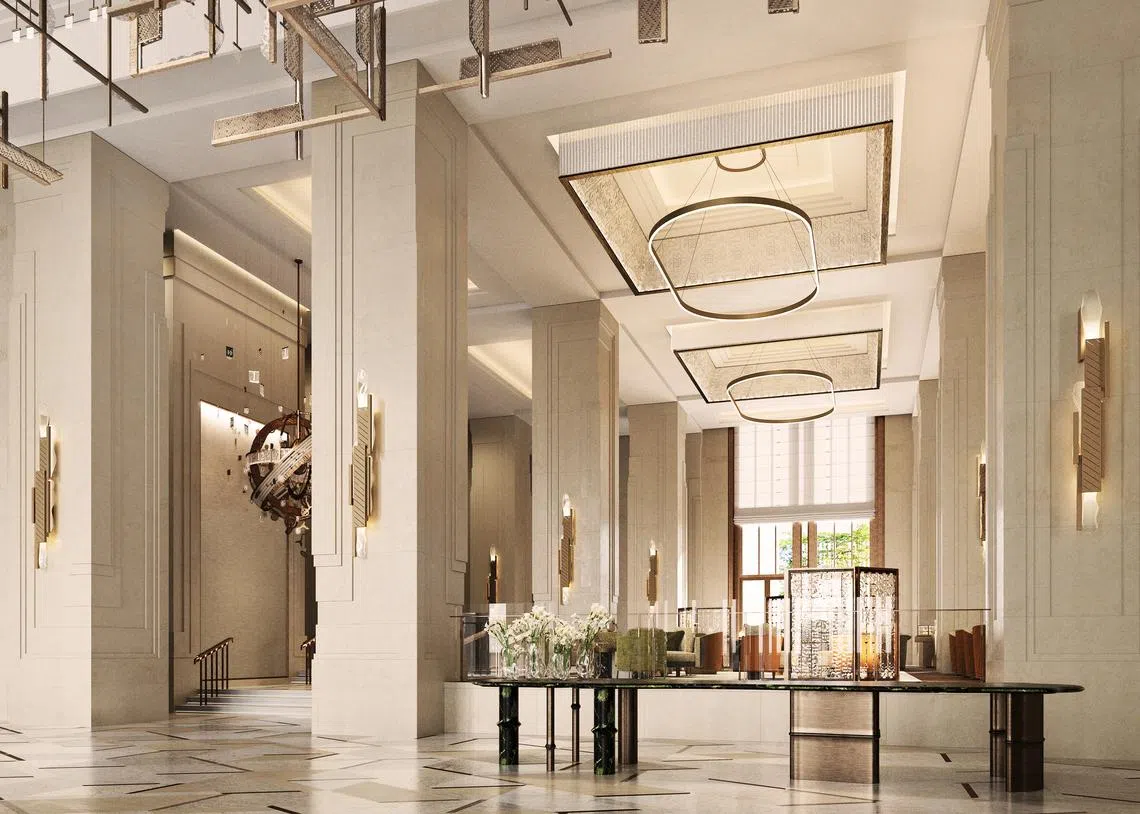
Besides the recently opened hotels in Shanghai and Osaka, Waldorf Astoria will also open in Kuala Lumpur in 2026, alongside a new Conrad hotel in the Malaysian capital.
Both properties signal the importance of the country as an evolving market with “strong potential driven by both domestic and international travellers”, says D’Cruz.
Singapore market and the future of luxury travel
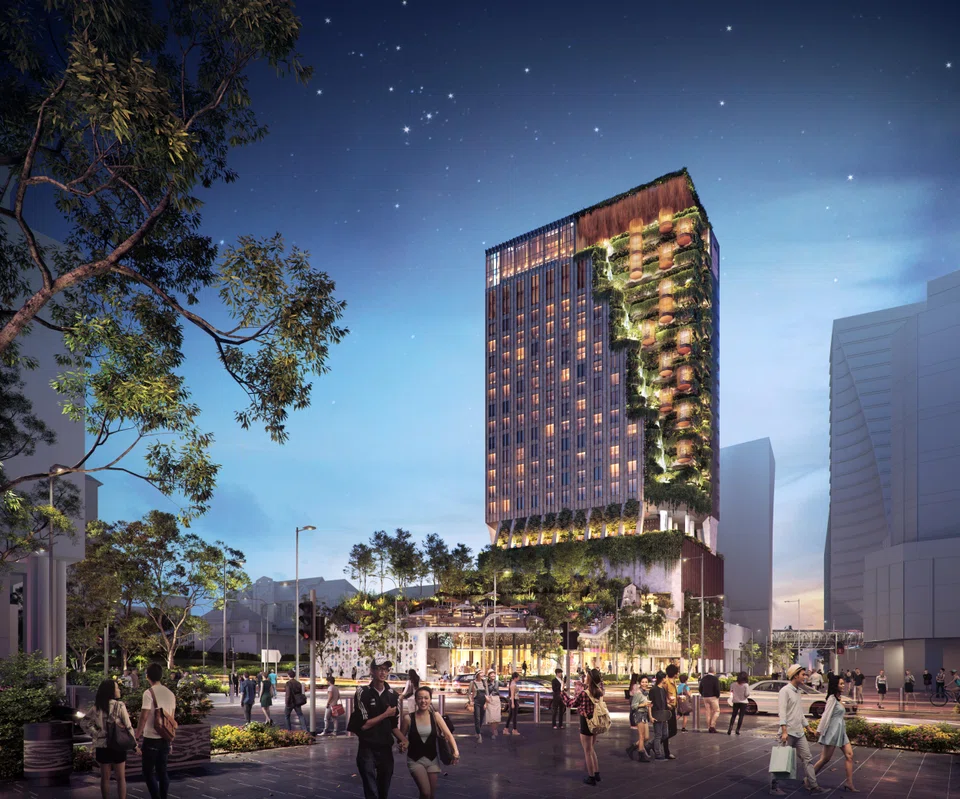
Meanwhile, in Singapore, Hilton has teamed up with UOL to develop the region’s first NoMad-branded luxury lifestyle hotel, at the former Faber House in Orchard Road.
Scheduled to open later in 2026, the 173-room property designed by Woha Architects features a 15-storey waterfall and biophilic design.
D’Cruz is confident about the hospitality business in Singapore despite lower tourist numbers.
“Inbound growth may feel measured, but demand remains high in terms of spending power and sophistication,” she says. “The entry of new luxury brands, including NoMad, reflects confidence in Singapore as a long-term destination rather than a short-term play. It pushes brands to be sharper, more creative and more differentiated.”
Luxury travel is no longer what it used to be, as high-net-worth travellers in Asia-Pacific are “increasingly intentional, prioritising experiences that reflect their values and desire for meaningful encounters”, she adds.
“There’s a fundamental reassessment of priorities; it’s about the ‘why’.”
D’Cruz feels that travellers are moving beyond traditional hotels, with a growing demand for new travel experiences that include luxury lodges, trains and above-water accommodation. Wellness that is incorporated into the hotel experience is also becoming a must-have.
“Ultimately, luxury is now defined by purpose, meaning and a mindful approach that is here to stay.”
Decoding Asia newsletter: your guide to navigating Asia in a new global order. Sign up here to get Decoding Asia newsletter. Delivered to your inbox. Free.
Copyright SPH Media. All rights reserved.
TRENDING NOW

Singapore identifies 7 firms responsible for haze fires, notices issued urging action: Grace Fu

DBS remains analysts’ pick ahead of Q3 earnings after Singapore banks’ share slump
High Court rules against Julius Baer’s Singapore trust arm in US$50 million family trust dispute

Could stablecoins be the future of money?

