

Louis Vuitton is rewriting its sustainability playbook
From circular design to regenerative sourcing, the French house is moving towards broader measurable impact

[SINGAPORE] For years, sustainability has been framed around mitigation: using less, wasting less, emitting less. Now, that logic is giving way to something more ambitious – not just reducing harm, but restoring the systems on which business depends.
Louis Vuitton has embraced that shift through its new Regeneration 2030 road map, which moves beyond preservation towards contributing positively to ecosystem restoration and communities.
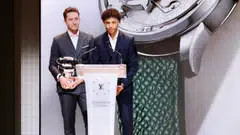
“Today, the question is no longer to try to limit negative impacts. We must go further,” says Christelle Capdupuy, Louis Vuitton’s sustainability lead.
“Companies can no longer think of themselves as external bodies in the environment they exploit. They really must see themselves as living elements shaping the ecosystem on which we all depend.”
For the French luxury house, this is less a campaign than a structural rethink – one that runs through how a product is sourced, designed, made, transported, sold and repaired.
Capdupuy describes sustainability as “shifting every step of the life cycle of a product” – from raw materials and production to transport, sale, care and repair.
'%3e%3cpath%20d='M12.1475%2025.5262C13.7713%2025.4295%2014.94%2023.913%2014.94%2021.8832C14.94%2019.5359%2013.474%2018.093%2011.5917%2018.093C11.3745%2018.093%2010.9582%2018.093%2010.8393%2018.1413V25.2086L11.8891%2025.5745C11.8891%2025.5745%2012.207%2025.5262%2012.1475%2025.5262ZM11.4934%2017.6281C13.2567%2017.6281%2014.3843%2016.4292%2014.3843%2014.4501C14.3843%2012.372%2013.275%2011.2973%2011.4339%2011.2973H10.8393V17.6305H11.4934V17.6281ZM6.66078%2025.6482L7.39265%2025.5492C8.02617%2025.4502%208.26403%2025.3053%208.26403%2025.1097V11.6149C8.26403%2011.4193%208.1451%2011.3709%207.23484%2011.249L6.68137%2011.173L6.6219%2010.7588H11.9508C15.7153%2010.7588%2017.0624%2012.0797%2017.0624%2014.1578C17.0624%2015.9666%2015.7748%2017.1909%2013.4969%2017.6305V17.7041C16.111%2017.948%2017.6571%2019.5382%2017.6571%2021.7636C17.6571%2024.3318%2015.8937%2026.0417%2012.1109%2026.0417H6.60132L6.66078%2025.6482Z'%20fill='%232B2B2B'/%3e%3cpath%20d='M20.6287%2025.6505L21.5596%2025.5515C22.1725%2025.4779%2022.4104%2025.3076%2022.4104%2025.112V11.249H21.9346C20.073%2011.3479%2018.982%2013.0095%2018.408%2014.6227L18.1907%2015.5018H17.6555L18.1701%2010.7588H29.3837L29.6421%2015.4787H29.1664L28.9491%2014.6227C28.3728%2012.8645%2027.3047%2011.2743%2025.5002%2011.249H24.9856V25.1856C24.9856%2025.3812%2025.1251%2025.4548%2025.9965%2025.5515L26.7695%2025.6505L26.829%2026.0417H20.5693L20.6287%2025.6505Z'%20fill='%232B2B2B'/%3e%3c/g%3e%3cdefs%3e%3cclipPath%20id='clip0_5242_21648'%3e%3crect%20width='24'%20height='16.8'%20fill='white'%20transform='translate(6%2010)'/%3e%3c/clipPath%3e%3c/defs%3e%3c/svg%3e)
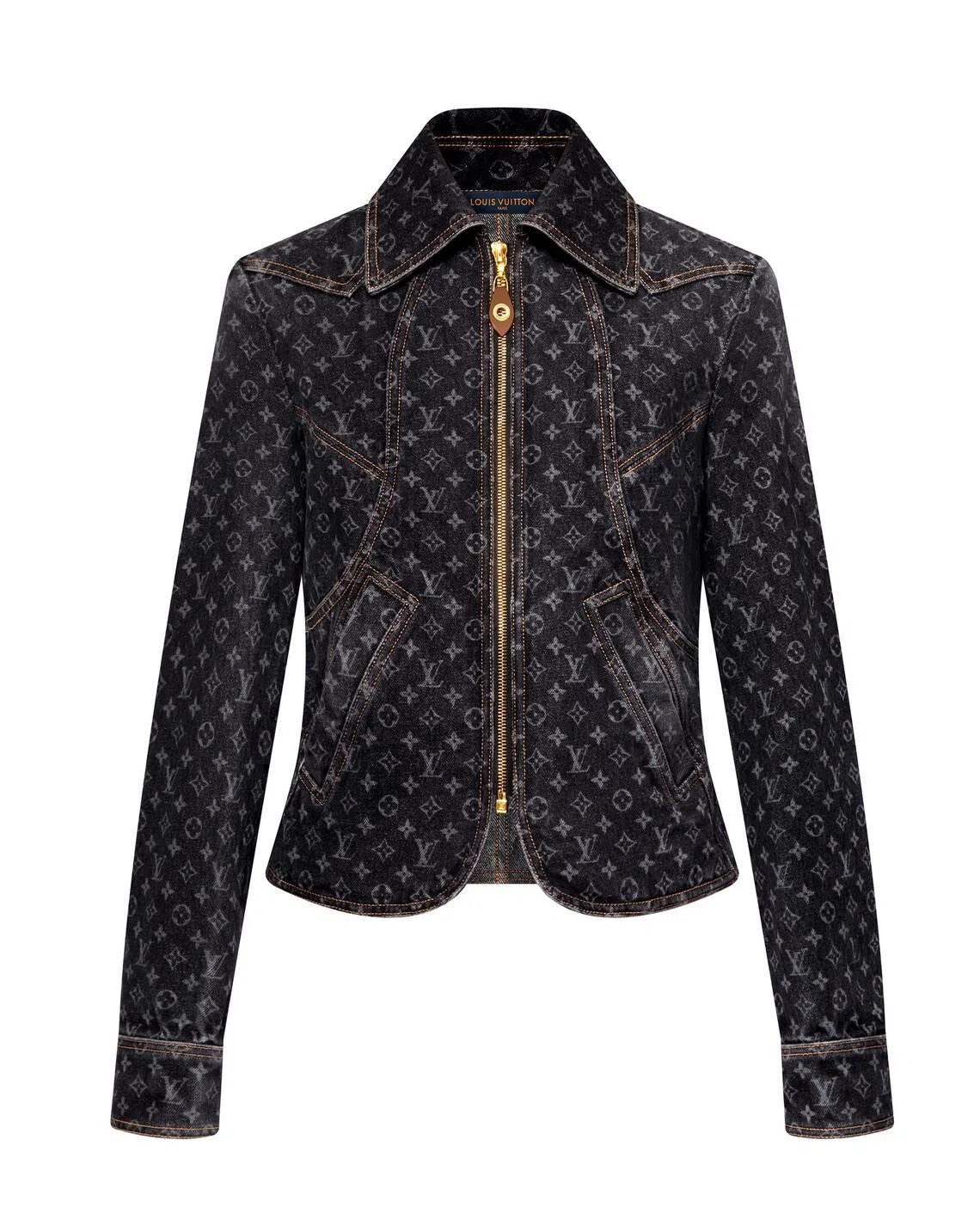
In some ways, that instinct has always been there. Durability and repair have long sat at the heart of the brand’s identity. To wit, Louis Vuitton restores nearly 600,000 items a year through a global network of artisans and ateliers.
What has changed, however, is the scope. Regeneration 2030 pushes that philosophy beyond the object and towards the ecosystems behind it.
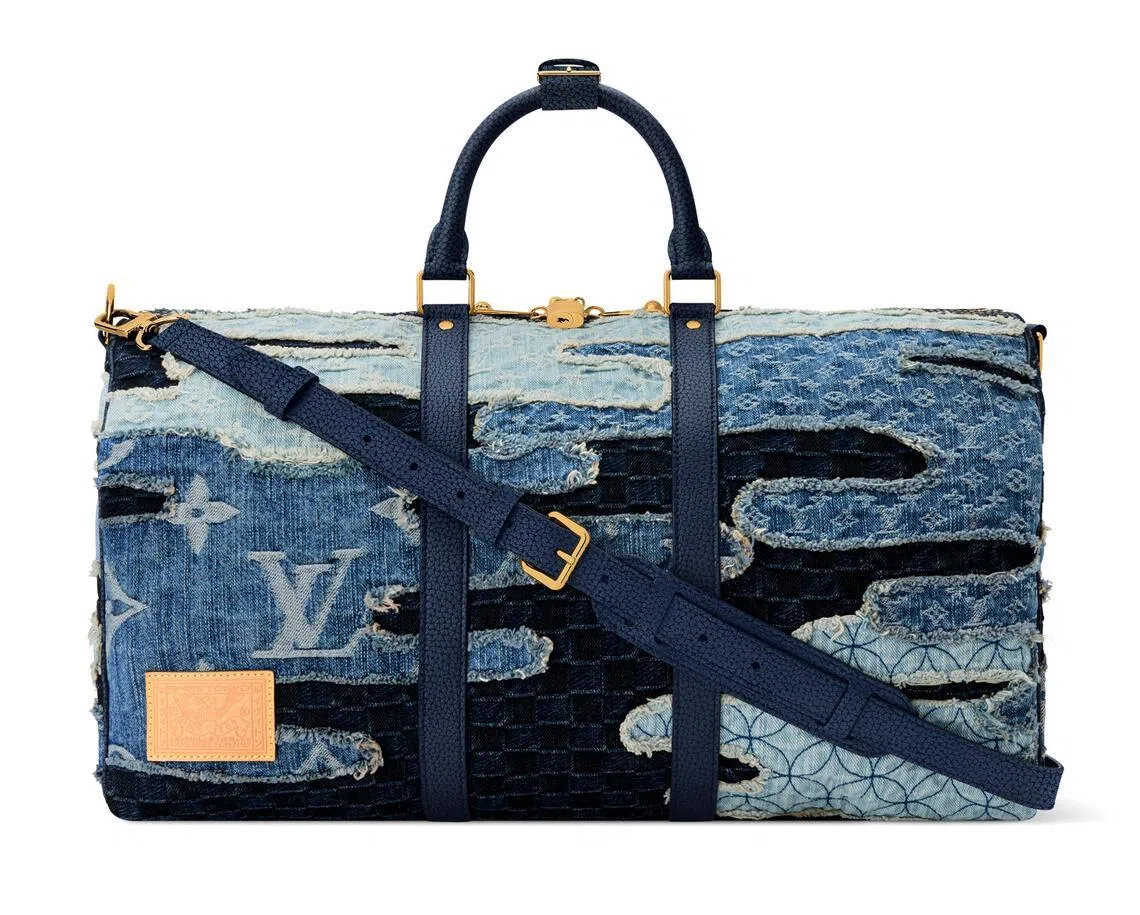
At the centre of the strategy is regenerative agriculture, which carries significant industrial implications. Louis Vuitton is focusing on four key natural materials – leather, cotton, wool and alcohol for perfumes – and working to build supply chains that support soil health, biodiversity and resilience.
“It’s a needed shift, and it means new ways of working,” Capdupuy says. “The art of the scalability of regenerative sourcing lies actually in working end to end with our suppliers, with our farmers, to advance these new practices.”
Raw materials account for about half of Louis Vuitton’s carbon footprint – which helps explain why sourcing sits so centrally in the road map. Change the source, and you begin to change everything downstream.
Elsewhere, the plan is more technical but no less material – reducing water consumption across its own sites by 30 per cent by 2030, integrating at least 20 per cent recycled or bio-sourced content into products, and increasing the share of lower-carbon transport across distribution.
For customers, the effect may not always be visible. But Capdupuy is confident that clients know the product they are buying “has been produced through a full, transparent and responsible supply chain”, helping them be part of a business model that regenerates nature and climate.
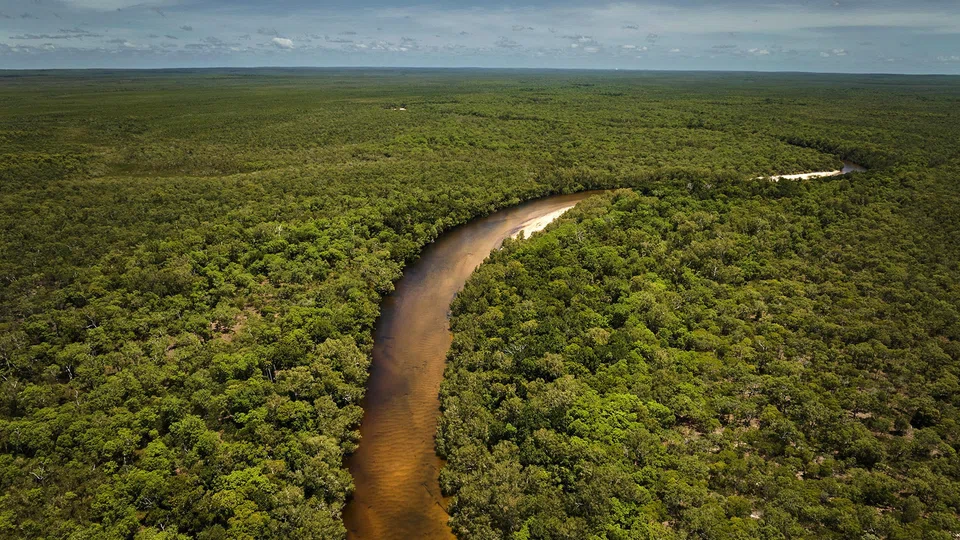
Since 2023, Louis Vuitton has also partnered with People For Wildlife in north-east Australia, backing biodiversity restoration across a 400,000-hectare landscape. The house does not source raw materials there – its aim is to aid restoration efforts, carried out in collaboration with local communities.
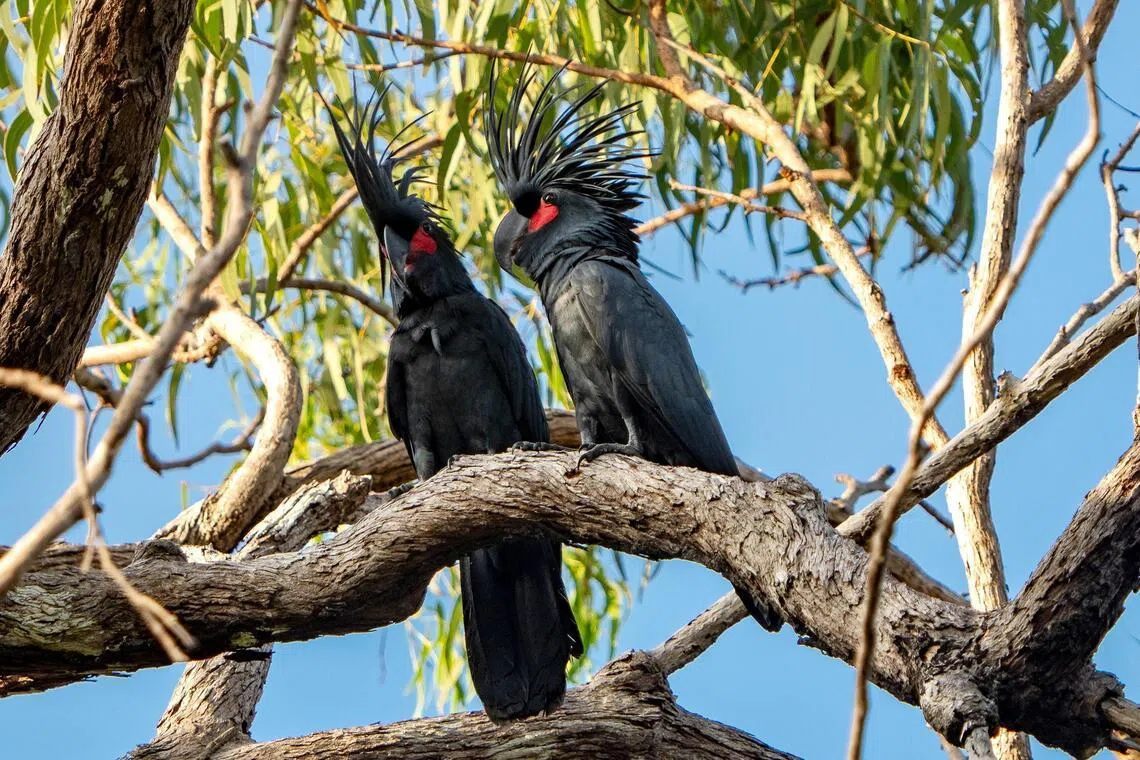
The initiative combines scientific research with land management practices designed to rebuild fragile ecosystems while creating sustainable livelihoods. Early outcomes include advances in species monitoring and the first successful breeding of palm cockatoos, in late 2025, in an artificially created hollow.
For Capdupuy, that is the larger idea behind the road map. “It’s not simply a matter of repairing the imbalance,” she says, “but about acting concretely to restore the natural cycles.”
Decoding Asia newsletter: your guide to navigating Asia in a new global order. Sign up here to get Decoding Asia newsletter. Delivered to your inbox. Free.
Copyright SPH Media. All rights reserved.
TRENDING NOW

DBS, OCBC, UOB rout lops billions off STI as inflation, rate concerns spook investors

Grab CEO’s wife Chloe Tong on life with Anthony Tan and finding her purpose

OCBC sheds S$8 billion in value as shares close nearly 6% down; analysts cautious on banks

Deal between tycoon friends sparks scrutiny of Philippine power sector

