
Pure Gem
We celebrate the delicate beauty of pearls, one of the birthstones in June
 Add BT as a preferred source
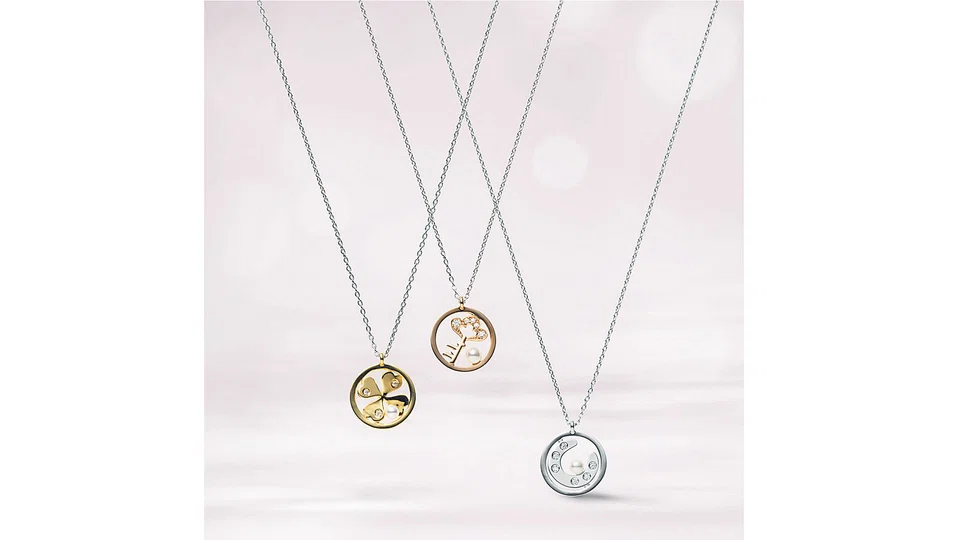
PEARLS ARE UNIVERSALLY ASSOCIATED with success, elegance and a certain ranking in social status. Centuries ago, pearls were so rare and expensive that they were reserved for nobles and the super rich. Kokichi Mikimoto, also known as 'The King of Pearls', democratised the possession of pearls when he successfully created the world's first cultured pearls in 1893. He made it his mission to introduce to the world round cultured pearls, and changed the perception that pearls were only for a privileged few. Needless to say, he made quite a name for himself and even impressed America's most prolific inventor Thomas Edison who exclaimed that his cultured pearls were no different from a real pearl.
For the sceptics, the formation of a cultured pearl is similar to a natural pearl. Natural pearls form when an irritant (usually a parasite) works its way into an oyster, mussel, or clam. As a defence mechanism, a fluid is used to coat the irritant and the layers of this coating, called "nacre", is deposited until a lustrous pearl is formed. As for cultured pearls, the only difference is that the irritant is a surgically implanted bead or piece of shell, also known as mother of pearl. Quality cultured pearls take about three years for a thick layer of nacre to be deposited, resulting in a beautiful, gem-quality pearl.
When most people think about white pearls, the classic white Akoya pearls come to mind first. Produced by Japan's Akoya oysters, they are the most popular type of pearls grown in saltwater off the country's coast. Kokichi was concerned about the near-extinction of Akoya pearl oysters due to overfishing and the high demand from royal families worldwide, which is why he embarked on an alternative way of cultivating pearls through the development of sustainable, protected oyster beds.
Copyright SPH Media. All rights reserved.

