

Super cushioned running shoes are all the rage, but they're not for everyone
Runners wearing maximalist running shoes pound harder and pronate more than in standard shoes.
 Add BT as a preferred source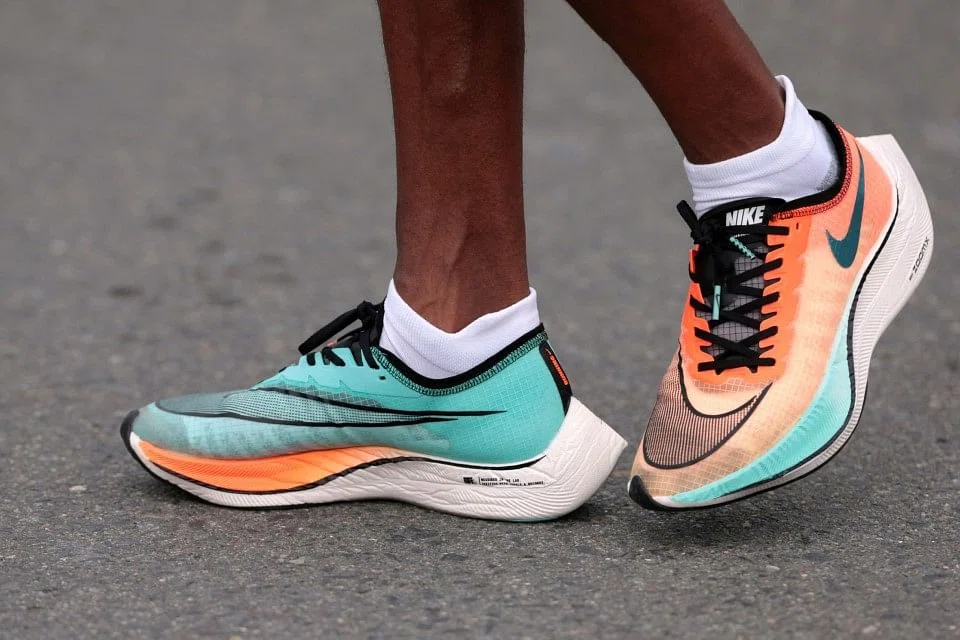
ANYONE who runs or spectates at races has probably noticed that stacked, generously cushioned running shoes have become almost ubiquitous. But running in those thickly cushioned shoes could affect a runner's form in sometimes surprising ways, according to a series of new studies of maximalist running shoes and recreational athletes.
The studies, among the first to examine the biomechanics of ordinary runners wearing super-cushy shoes, find that some of them pound harder and pronate more than in standard shoes. The results have implications for runners' comfort, injury risks and perhaps for our thinking about whether the increasingly popular fat-soled models are right for us.
Thickly cushioned running shoes have largely supplanted the minimalist, barefoot-style shoes that many of us wore a few years ago. Those light, barely cushioned models were expected to nudge us into running in a more natural way, reducing the risk of injuries.
Decoding Asia newsletter: your guide to navigating Asia in a new global order. Sign up here to get Decoding Asia newsletter. Delivered to your inbox. Free.
Share with us your feedback on BT's products and services
TRENDING NOW

Thai and Vietnamese farmers may stop planting rice because of the Iran war. Here’s why

Middle East-linked energy supply shocks put Asean Power Grid back in focus

US-China rivalry and the Kindleberger Trap: Why inaction – not escalation – is the biggest risk
Strengthening Asean’s economic resilience through RCEP’s 2027 review

