

Super Mario Run's not-so-super gender politics
Game rife with stale, retrograde gender stereotypes - elements expected in 1985 but that today are just embarrassing.
 Add BT as a preferred source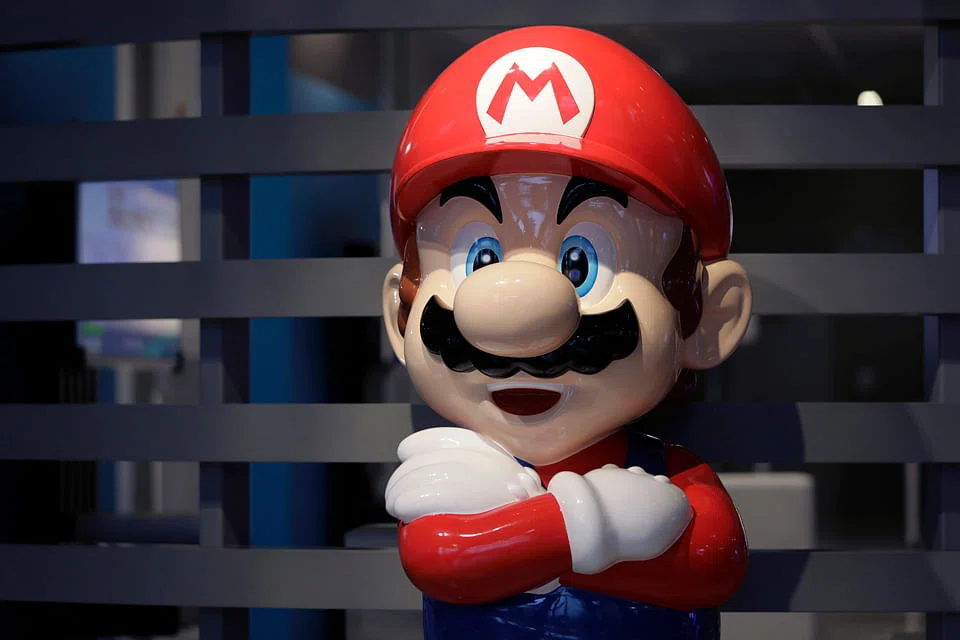
LAST week, after a wait of almost a decade, the world's most popular video game series, Super Mario Bros, finally came to the world's most popular video game machine: the iPhone. Nintendo's Super Mario Run went immediately to the top of the App Store charts, above mainstays such as Facebook, Snapchat, Instagram and YouTube. According to one estimate, the game was downloaded 37 million times in its first three days.
Unfortunately, despite Nintendo's history and reputation, Super Mario Run is not a family-friendly game - or at least not one my wife and I will be letting our six-year-old daughter play.
The game is rife with stale, retrograde gender stereotypes - elements that were perhaps expected in 1985, when the first Super Mario Bros was released in the United States, but that today are just embarrassing.
Share with us your feedback on BT's products and services
TRENDING NOW

Middle East-linked energy supply shocks put Asean Power Grid back in focus

Family office for US$12 billion Tetra Pak Fortune exits Hong Kong

Deloitte’s Lee Boon Teck succeeds Teo Ser Luck as president of Singapore’s national accounting body

Thai and Vietnamese farmers may stop planting rice because of the Iran war. Here’s why

