Taiwan night market serves up viral dance
 Add BT as a preferred source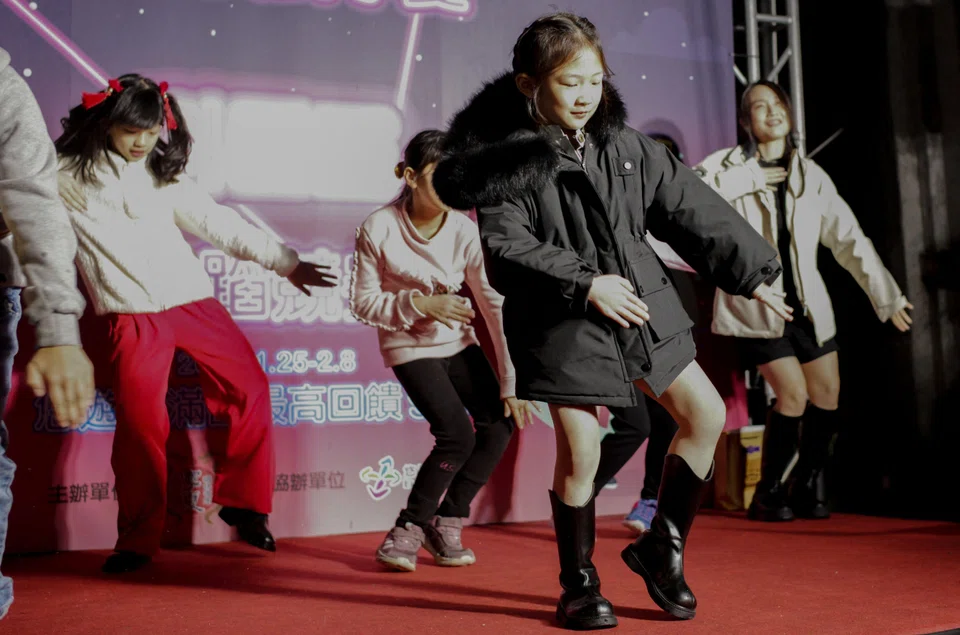
SWINGING side to side to a Chinese ditty, Taiwanese teenagers and kids performed at a recent night market competition, showing off their loose-limbed moves while executing the viral “subject three” dance that has taken social media by storm.
The competitors included young men in leather jackets and high-tops, siblings matching in denim jackets and sunglasses, and even dancers improvising with pop-and-lock hip-hop moves.
But all stuck to the original spirit of the kemusan dance – translated as “subject three” in Mandarin – which calls for dancers to look like they are almost twisting their ankles, as they flick their wrists rapidly to traditional Chinese music mixed with disco beats.
“My impression? Lots of slippery motions,” said Chang Feng, a bemused housewife who came to Taipei’s popular Ningxia night market with her daughter to watch the aspiring trendsetters on a small stage.
Nearby, diners waited for oyster omelettes and Taiwan’s famed stinky tofu at food stalls, with curious onlookers wandering over to check out the dancers.
“Seems like all the kids know how to dance kemusan – it’s a trendy thing I suppose,” Chang said.
The dance is believed to have originated from Douyin, China’s version of TikTok, with avid users jumping on the trend by performing their versions of it, drawing millions of views.
Even businesses have tried to capitalise on it – including popular hotpot chain Haidilao, whose employees twist and jerk their limbs when customers place an order for kemusan, according to online anecdotes and videos posted on Douyin.
Fifth-grader Nancy Wu said she learned it from the platform. “We also dance it at school. It has a demonic attractiveness to it,” the 10-year-old told AFP with an impish grin.
But the infectious music and jaunty moves have come with a dose of controversy – some Taiwanese users on Facebook have accused the night market organisers of using the dance as a Chinese propaganda tool to brainwash Taiwanese youth.
Self-ruled Taiwan held an election this month, in which China’s claim over the island was a dominant talking point among the presidential hopefuls.
The winner was independence-leaning Lai Ching-te, who has been slammed by Chinese officials as a dangerous separatist.
Now, political chatter appears to have migrated into the territory of viral Internet dances as well.
“Looks like this is Douyin night market in mainland China,” commented one user on the post advertising the competition, which drew more than 230 likes.
Lin Ting-wei, chairman of Ningxia Night Market Association, told reporters that last Thursday (Jan 25) night’s dance competition was purely for commercial profit.
“We are using music and dance to try to increase consumer spending and promote Ningxia night market to the younger generation,” Lin said.
“This event is very straightforward. Don’t associate too much with it.”
Decoding Asia newsletter: your guide to navigating Asia in a new global order. Sign up here to get Decoding Asia newsletter. Delivered to your inbox. Free.
Share with us your feedback on BT's products and services