Taking tea seriously as mixologists
Mixology Salon Singapore showcases Japanese tea through cocktails

Janice Heng
A VISIT to Mixology Salon Singapore begins with a warm welcome and a refreshing cold towel, in line with the philosophy of hospitality practised by this outpost of Tokyo-based Mixology Salon.
“We want people to relax, like just coming to a friend’s house,” says manager and head bartender Kaoru Takii.
The sedate space in the InterContinental Robertson Quay previously housed Singaporean chocolatier Janice Wong’s 50FIFTY dessert and cocktail bar; Wong herself helped to bring Mixology Salon here.
Takii puts it simply: “This is a tea room.”
Though they are mixologists, the important thing for them is making sure that traditional tea culture is preserved and flourishes, he says. Sharing Japanese tea culture is part of the impetus for heading overseas, he adds.
Indeed, the first two pages of the menu are devoted to explaining Mixology Salon’s concept and the history of Japanese tea.
The space holds a few small tables and just six chairs at the bar itself. Keeping it intimate allows for customers to be engaged in conversation and introduced to tea leaves, with the bar having a stash of over 30 premium teas.
The focus is a series of five “tea-tails”, where brewed tea forms 80 to 85 per cent of the cocktail.
Due to the delicate nature of tea – “It’s really sensitive,” says Takii – the ideal composition of each tea-tail was arrived at by adding spirits drop by drop.
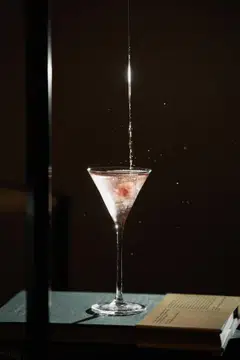
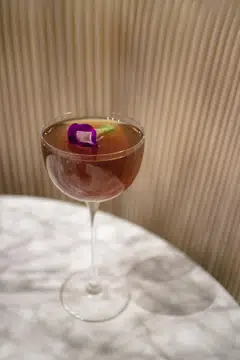
For the oolong and hoji (roasted tea) tea-tails, alcohol is only added at the point of being served, such that the scent is foremost: “You get the flavour of the alcohol first.” The tea taste then develops as the cocktail is drunk.
The salon works as an introduction into both worlds. Some customers might start with cocktails and learn more about tea. Meanwhile, those less familiar with bar settings can visit Mixology Salon Singapore as a place for tea, says Takii.
Serious explorers can try the Signature Tea Cocktails Course of three to five cocktails, which “allows you to experience the world view of the mixology salon”. There is also the Gyokuro Cocktails Course showcasing the highest grade of green tea.
Drinkers after something more spirit-forward can choose from classics reimagined as tea cocktails. These include a Gyokuro Martini; Genmai Negroni made with genmaicha, a mix of green tea and roasted rice; and the Green Tea Fashioned, a matcha take on the Old Fashioned.
The Japanese Tea Espresso Martini offers a concentrated, “deeper taste” of tea. The Sencha Gin Tonic uses a blend of green teas, but is also available as a “single-origin” version, using single-origin green tea.
Then there are the Salon’s signature tea cocktails such as Baked Wheat, which has a base of vodka redistilled with buckwheat tea, and flavours of pineapple, miso and citrus.
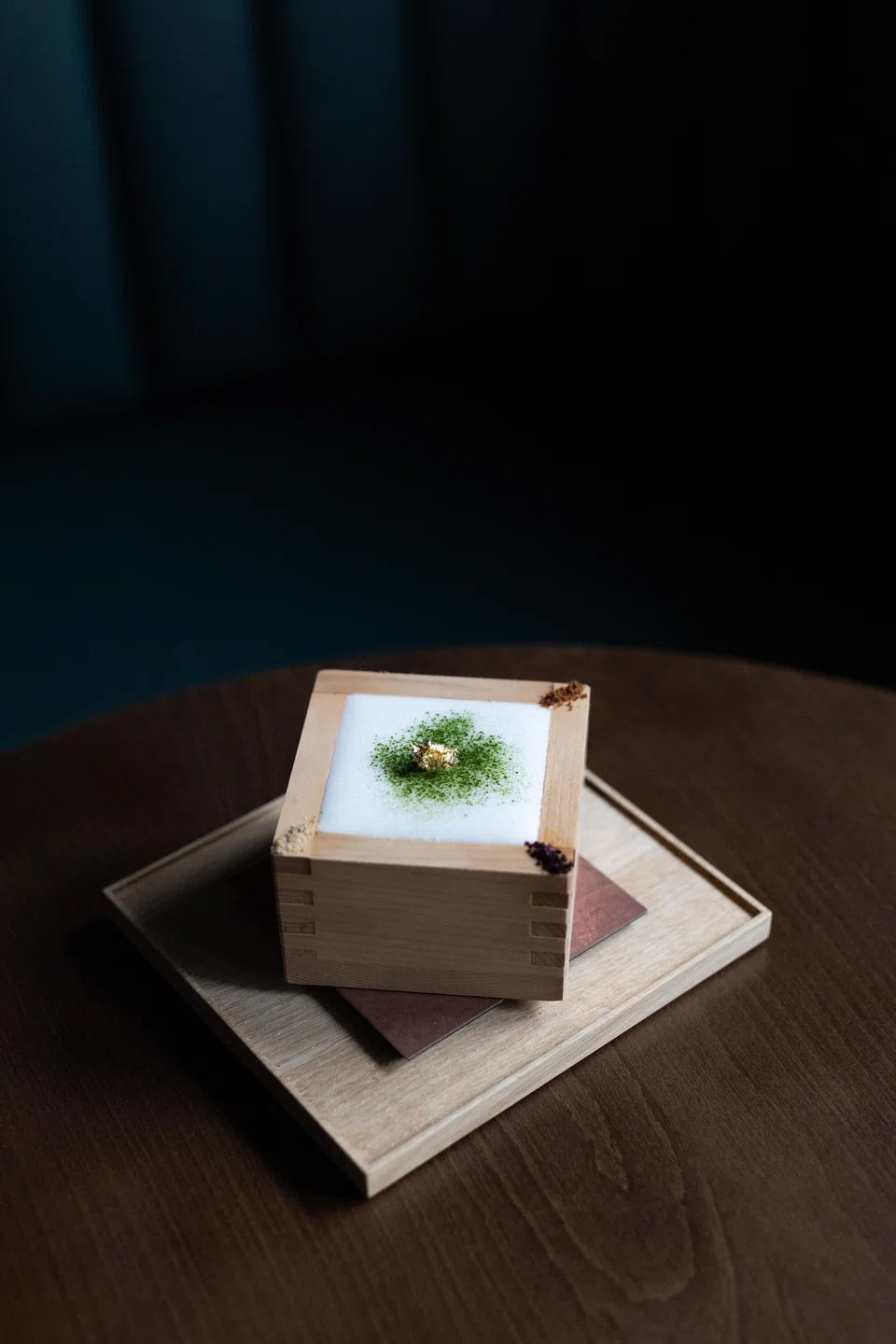
Four Seams No 2, with genmaicha redistilled vodka, is served in a classic wooden sake cup. Traditional sake is served with a touch of salt on one corner; here, the corners feature dashi, miso and cassis powder.
While these signatures were brought from Japan to Singapore, Takii plans to update the menu with the use of more local ingredients, such as coconut water, spices, fruits, and even local gin.
Eventually, the menu might have a 70-30 split between Japanese signatures and local creations, he adds. If Mixology Salon takes tea culture elsewhere in the future – Europe, say, or the US – it can also have local representation on those menus. Says Takii: “We want to share the knowledge, history, culture of tea.”
Four Seams 40ml Genmaicha redistilled Grey Goose vodka 40ml egg white 10ml yuzu juice 10ml citrus 10ml syrup Garnished with matcha Served with miso powder, cassis powder and dashi powder
Decoding Asia newsletter: your guide to navigating Asia in a new global order. Sign up here to get Decoding Asia newsletter. Delivered to your inbox. Free.
Copyright SPH Media. All rights reserved.