A tale of two wineries

Two cult wineries in Northern California showcase radically different winemaking philosophies and business models
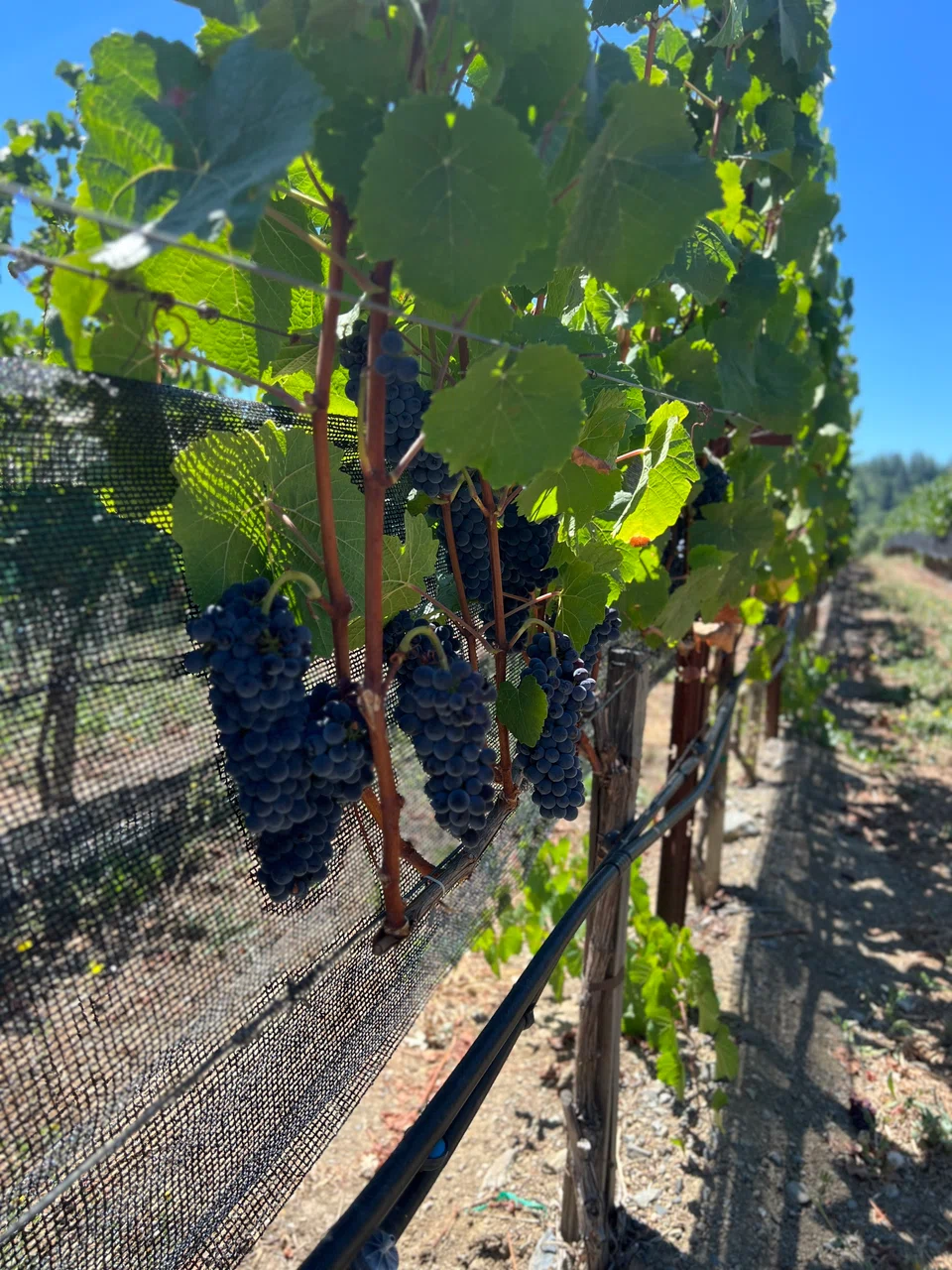
    • Bunches of Pinot Noir grapes growing on the Williams Selyem Estate, at an elevation of 30 to 40 metres.  The vines are cane-pruned to help with the effects of winter frost in the Russian River Valley AVA, and trained in a six-wire vertical-shoot position (VSP).
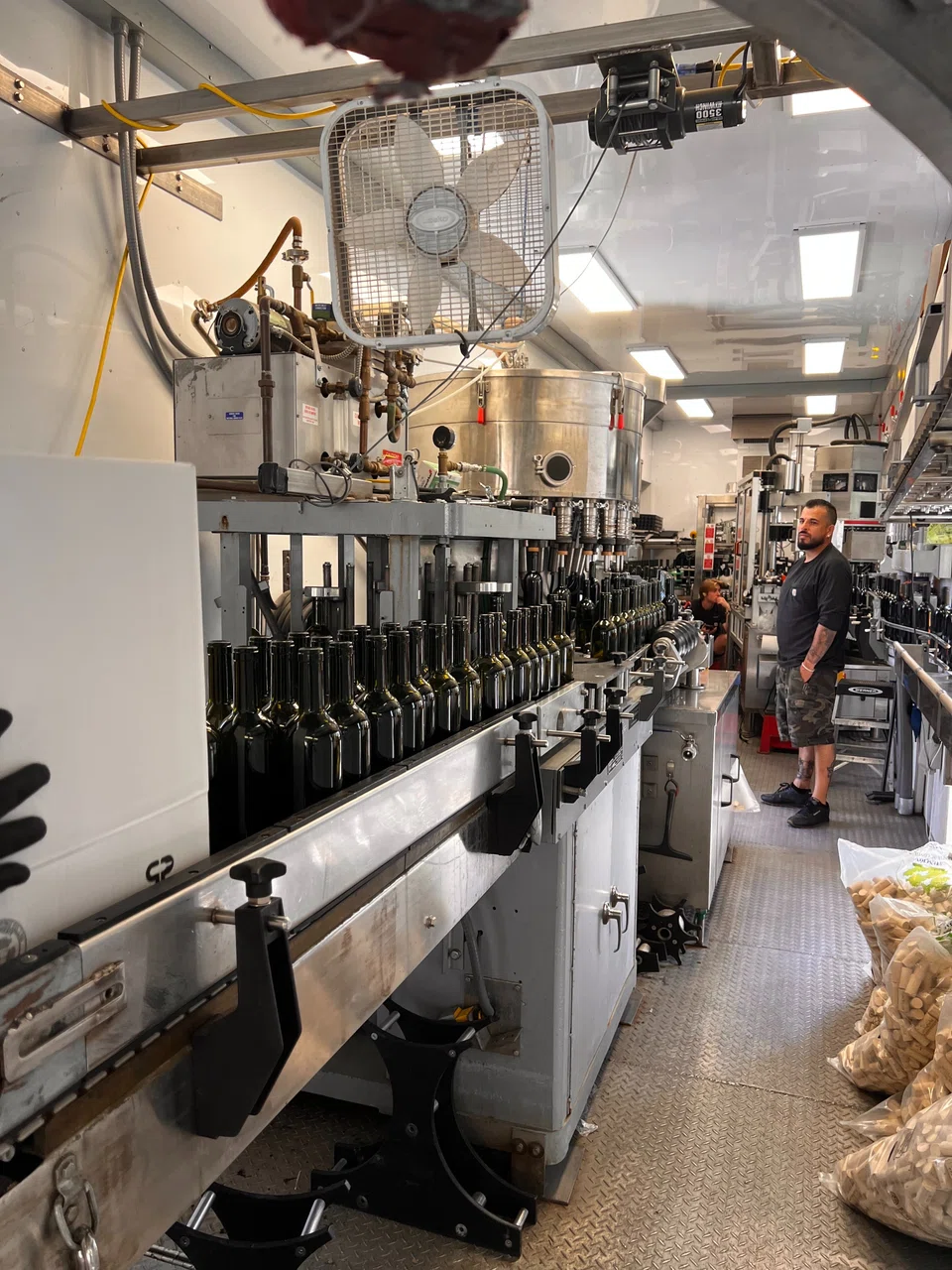
    • Wines being bottled at winery Mending Wall, which has loaned part of its premises to Fairest Creature.
    • Bunches of Pinot Noir grapes growing on the Williams Selyem Estate, at an elevation of 30 to 40 metres. The vines are cane-pruned to help with the effects of winter frost in the Russian River Valley AVA, and trained in a six-wire vertical-shoot position (VSP). PHOTO: KUEK JIA YAO
    • Wines being bottled at winery Mending Wall, which has loaned part of its premises to Fairest Creature. PHOTO: KUEK JIA YAO
    Published Fri, Oct 25, 2024 · 08:00 AM

    WITH the annual grape harvest having wrapped up, I had the pleasure of visiting two arguably cult wineries on a recent trip to Napa and Sonoma Counties in Northern California. Both wineries, Williams Selyem and Fairest Creature, embrace very different winemaking philosophies, as expressed in the character of their wines as well as their business models.

    Williams Selyem is well-known for the ageing potential of its Pinot Noirs and Chardonnays. Its storied history began when its first vintage of Pinot Noir was launched in 1982. Its wines quickly grew in stature, becoming the first North American Pinot Noir to be awarded 100-points by an international wine publication in 2009.

    Delving a bit more into its winemaking process, all its red wines are produced via labour-intensive, traditional foot-treading in repurposed, open-top dairy tanks, and subsequently fermented using their native, proprietary yeast. Williams Selyem sources its grapes from across multiple American Viticultural Areas (AVAs) in Northern California to make its wines, primarily from the Russian River Valley AVA.


    Today, total annual production across all its wines – largely Pinot Noirs and Chardonnays, but also including a range of Zinfandel, Chenin Blanc, and Cabernet Sauvignon – is around 35,000 cases, far from that of a large-volume wine producer. Of that amount, 95 per cent is intentionally sold direct to the consumer, through a difficult-to-join mailing list that is commensurate with the demand for its sought-after wines.

    On the business end, a majority stake in the winery was sold earlier this year to Burgundy’s Faiveley family (of grand cru Domaine Faiveley fame), albeit with the same management and winemaking team for the immediate future. With the buyers having first purchased a minority stake three years ago and slowly built up their understanding of the winery’s processes, Williams Selyem’s strong focus on continuity – having only had three winemakers since its founding – is omnipresent in its wines.

    With its rich winemaking philosophy, coupled with the depth of expertise of its new owners, it is exciting to see where Williams Selyem heads towards next.

    Asean Intelligence

    Get insights into businesses across South-east Asia

    Get the free report

    Fairest Creature, on the other hand, stands out for its unique approach to winemaking and intriguing provenance. Founded by a well-connected Chinese wine expert with extensive experience in Napa, it produces only about a thousand cases annually – an extremely small quantity – but with an obsessive focus on quality and a deep respect for the philosophy of each winemaker.

    Rather than being a traditional winery with an estate vineyard and a single winemaker, Fairest Creature serves as a vessel for the distinct styles of its winemakers. The team collaborates closely with world-renowned winemakers – Michel Rolland, Benoit Touquette, Philippe Melka, and Thomas Rivers Brown – who each bring their expertise and creativity to craft exceptional Cabernet blends.

    Interestingly, all of the winemakers source grapes from the same vineyards but make independent decisions regarding specific details such as plot selection, harvest timing, oak treatment, and winemaking techniques. This approach allows for a unique “ceteris paribus” comparison of their different winemaking philosophies, where each winemaker’s subtle choices have a compounding effect on the flavour and profile of their wines.

    For instance, from their vineyard in Howell Mountain, Polyspline – crafted by Philippe Melka and named after a mathematical term used to approximate unknown curves – sources grapes from the cooler, lower-elevation plots. Melka’s use of various types of French oak during the ageing process results in a well-developed, intricate wine with a structured midpalate of black fruit, cedar, and hints of tarragon and lavender. Despite its youth, the wine’s old-world sensibility and long finish make it both approachable now and promising for future ageing.

    In contrast, Thomas Rivers Brown’s Perihelios is sourced from the top of this site, where increased sun exposure leads to greater ripeness. This bold and powerful Cabernet embodies the best of Napa’s signature style, with a concentrated yet silky palate featuring layers of blackberry compote, kirsch, and dark chocolate, complemented by aromas of menthol and licorice.

    Benoit Touquette, meanwhile, sources from the mid-slope of the vineyard, showcasing a different balance between ripeness and structure.

    During my visit, Fairest Creature hosted me at Mending Wall, where Brown also consults as a winemaker. Head of operations Yvette Zhang shared that the team is still taking their time to find the perfect location in Napa to be their future home.

    Despite their radically different approaches to the winemaking process, both Williams Selyem and Fairest Creature have carved out successful niches in the California winemaking scene, and their exacting standards have set the bar for some of the best wines in the market.

    The writer is a Singaporean with an enduring interest in peoples and cultures

    Decoding Asia newsletter: your guide to navigating Asia in a new global order. Sign up here to get Decoding Asia newsletter. Delivered to your inbox. Free.

    Share with us your feedback on BT's products and services