
Taste of Tradition
The all-important Chinese New Year reunion dinner isn't only about family gatherings but a celebration of one's cultural heritage. David Yip finds out what the various Chinese dialect groups bring to the table
 Add BT as a preferred source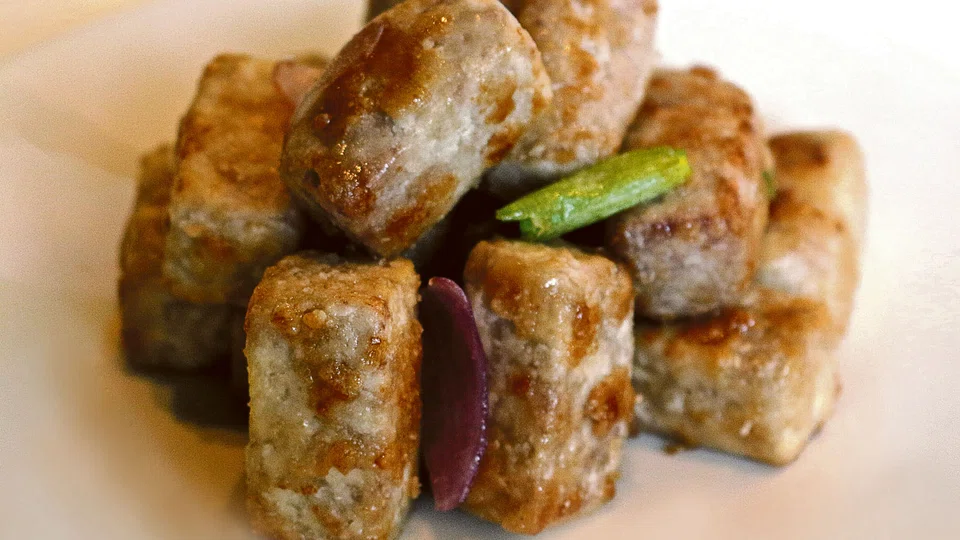
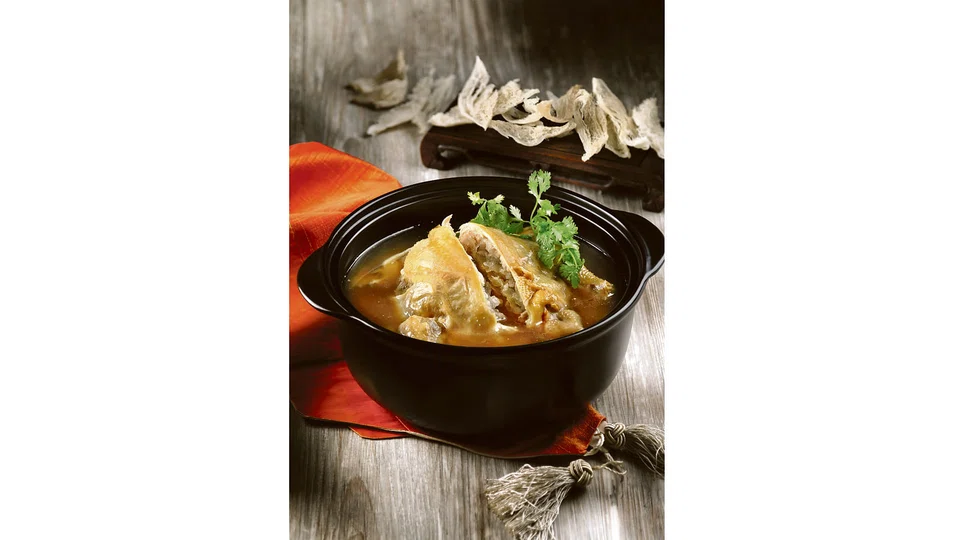
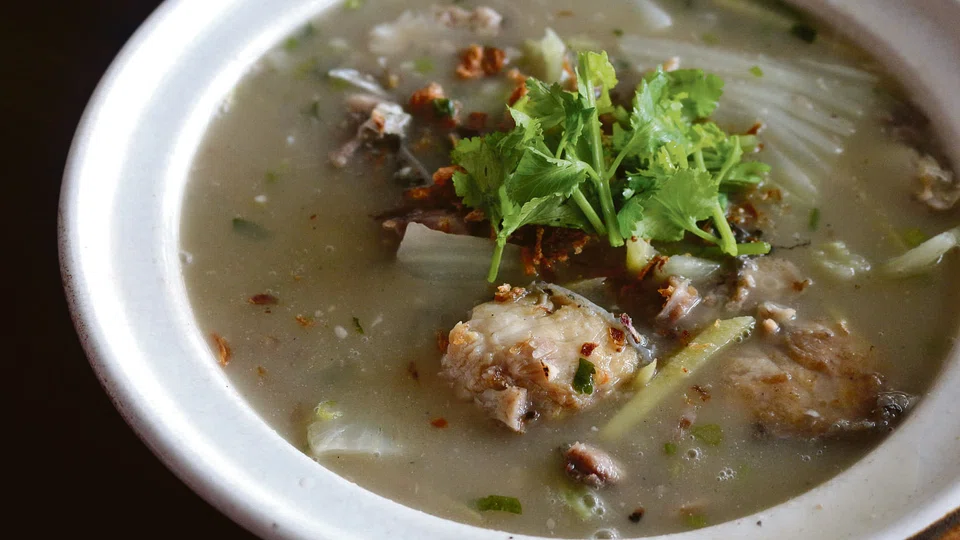
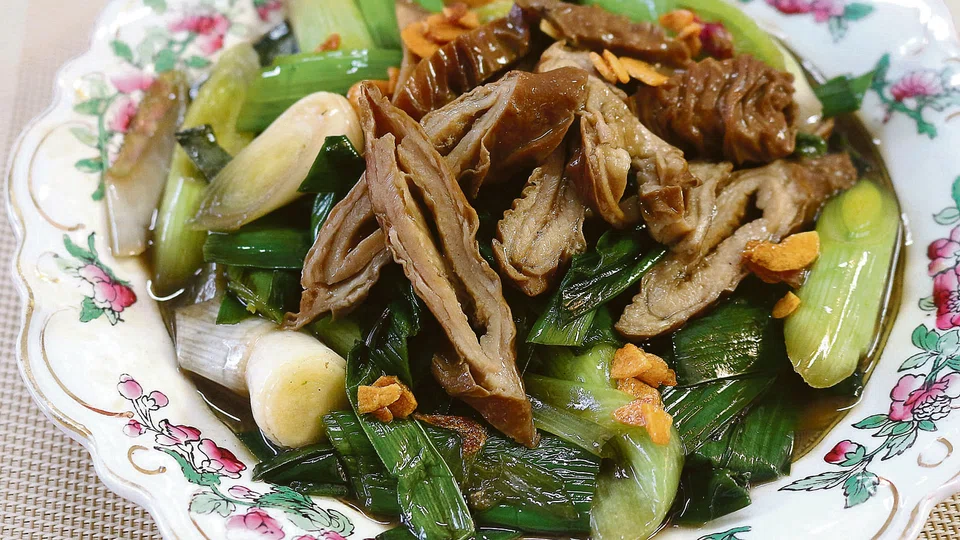
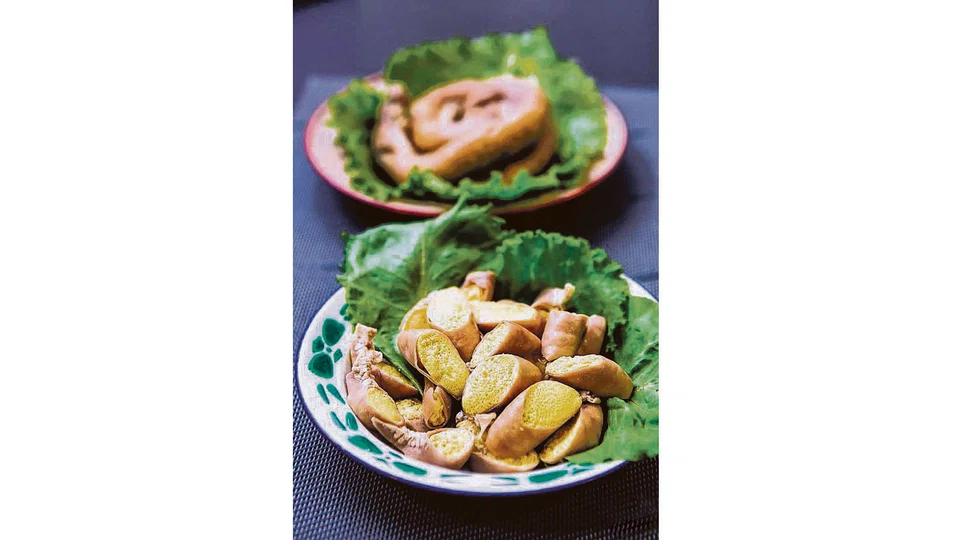
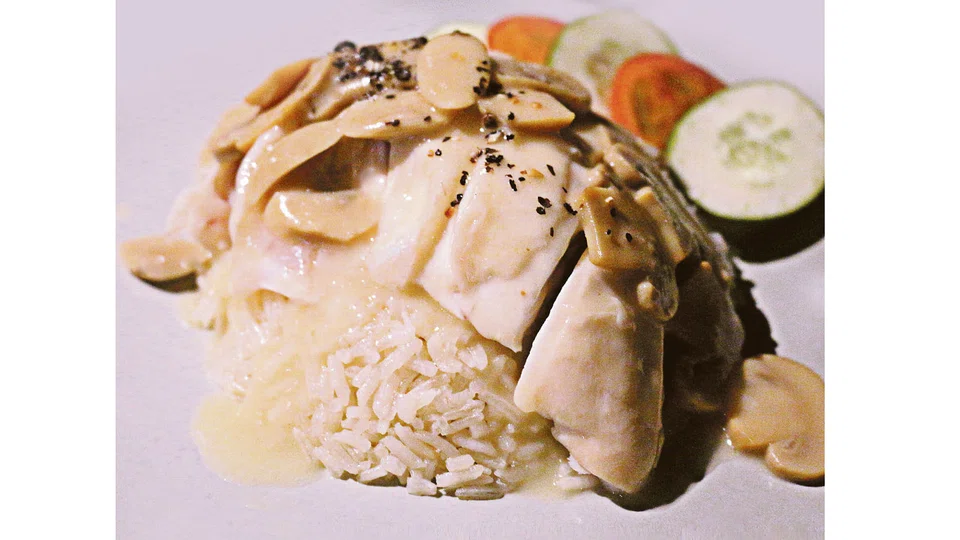
'Melting pot' doesn't come close to describing the rich cornucopia that is Singapore's food scene. But cliched though it may be, it's probably the best way to describe how the Chinese cook today. Walk into a Teochew restaurant, for example, and you'll probably find Cantonese dimsum as well. Whether it's to attract a bigger crowd or because the distinctions between various dialects have become so blurred, it's not uncommon to find Cantonese ingredients in Teochew cooking; Hokkien sauces in Hakka recipes; or western techniques in Hainan cuisine. And in a lot of cases, many diners wouldn't even know, much less notice.
But come Chinese New Year and ethnic identify comes to the fore, especially at the reunion table where everybody wears the badge of his or her ancestral heritage. Every dish is 'authentically' Hokkien, Cantonese, Hakka or whatever - and prepared in the most 'traditional' manner known. Even if the original recipe has been updated over generations, the fact that its DNA remains and captures the essence of each culture, is what matters most. Here, we get the chefs of such original 'soul food' to share their stories and recipes.
Cantonese
Copyright SPH Media. All rights reserved.

