Thailand’s ancient town of Si Thep added to world heritage list
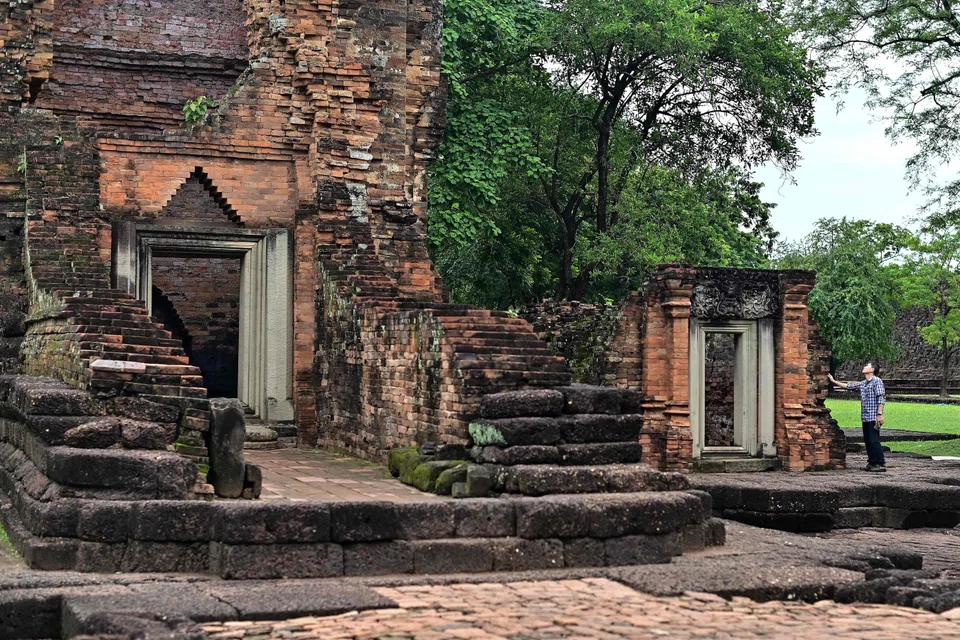
THAILAND’S ancient ruined town of Si Thep, a 1,500-year-old complex of temples, monasteries and other buildings, was added to Unesco’s world heritage list on Tuesday (Sep 19).
The site in Phetchabun province – some 200 kilometres (120 miles) north of Bangkok – is Thailand’s first cultural site to be recognised by Unesco since 1992.
Thai Prime Minister Srettha Thavisin thanked the UN cultural body for the decision but an expert warned the complex is not ready for an influx of tourists.
Archaeologists date the statues and buildings of Si Thep, built by the Dvaravati civilisation, to between 1,500 and 1,700 years ago.
At its peak the town was a thriving cultural and trading metropolis that celebrated Hindu and Buddhist beliefs.
The decision was announced by Unesco at a meeting in Riyadh, and in a prepared video message, Srettha thanked delegates for the listing.
Si Thep was “a treasure not only for people all over the world, but for people of all generations,” he said.
“I look forward to welcoming you all to the site”.
Phatcharavat Wongsuwan, minister of natural resources and environment, said it was a “proud moment” for his country.


Speaking at a press conference in the capital Bangkok, he invited people “to cherish the beauty of Si Thep, the new Unesco site of Thailand.”
But Chulalongkorn University history and heritage lecturer Phacha Phanomvan said the site was “completely unprepared” for a sudden spike in visitor numbers.
“The work starts now,” she told AFP, warning of a lack of basic infrastructure including no waste management, roads in poor condition and no parking spaces for large tour buses.
She is worried about undiscovered sites and looting of artefacts which could fetch higher prices on the black market because of the heritage listing.
“Si Thep was already one of the most looted sites in Thailand in the 1970s and 1980s,” she said.
The site also has unresolved land boundary and zoning issues affecting nearly 300 local villagers including dozens of households without title deeds.
Officials said that from September 20 to 24 it will be free to enter Si Thep, which is Thailand’s fourth site on the Unesco cultural heritage list.
Unesco already recognises historic Ayutthaya and Sukhothai towns, as well as archaeological site Ban Chiang in northeastern Thailand.
Thai officials hope the Unesco listing will help attract more tourists – a vital part of the kingdom’s economy, which has struggled in the pandemic’s aftermath. AFP
Decoding Asia newsletter: your guide to navigating Asia in a new global order. Sign up here to get Decoding Asia newsletter. Delivered to your inbox. Free.
Share with us your feedback on BT's products and services