

'This business trip could have been a Zoom call': Companies rethink travel
Before business travel fully takes off again, some organisations and top bosses are taking steps to rein it in.
 Add BT as a preferred source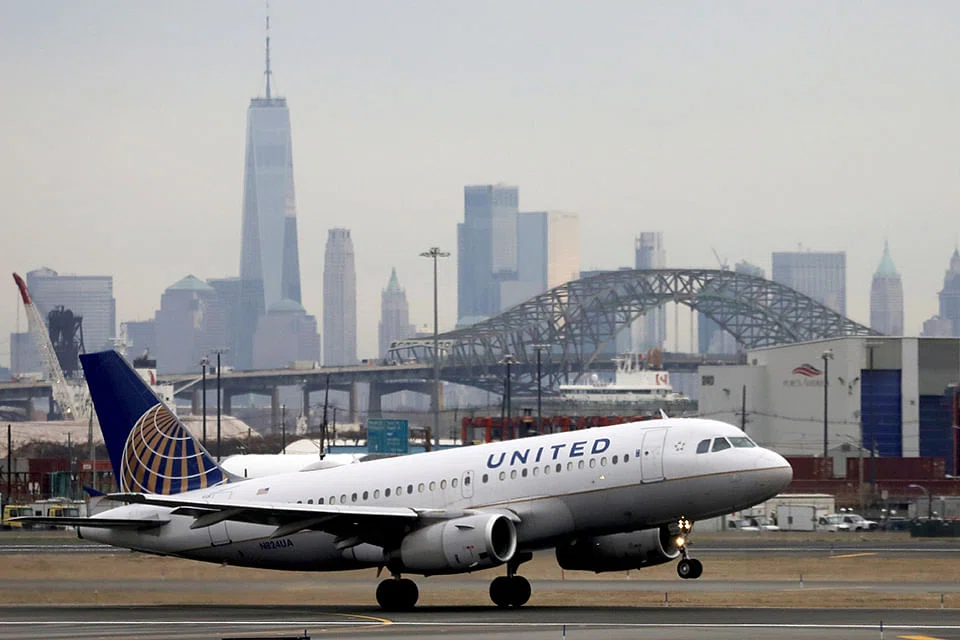
DeeperDive is a beta AI feature. Refer to full articles for the facts.
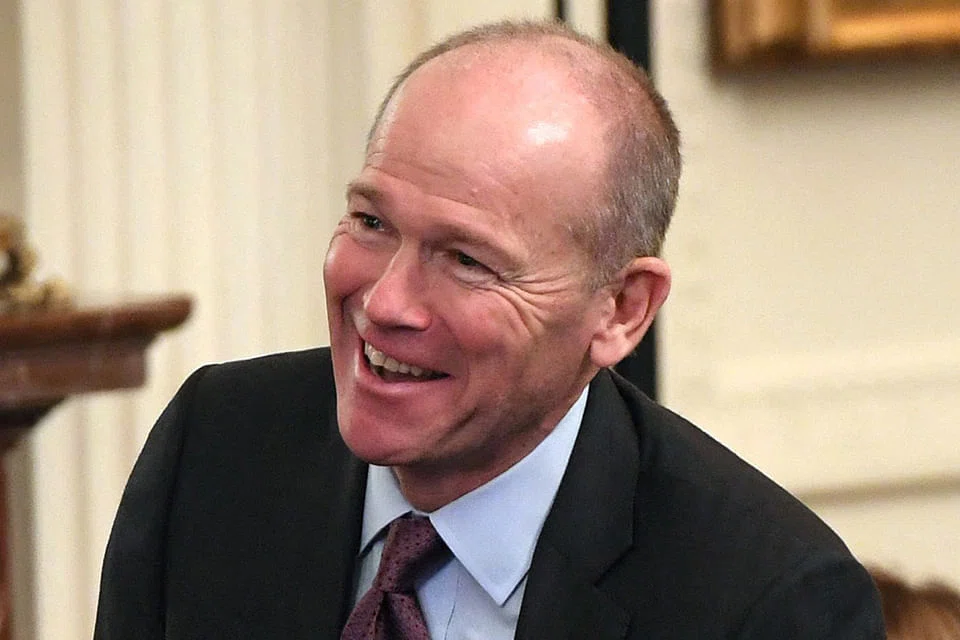
BOEING chief David Calhoun has access to his company's aircraft as part of his job. Even so, he recently told an interviewer that he did not expect to fly nearly as much for internal company meetings after the pandemic.
Mr Calhoun, like some of his peers, found that video calls were remarkably effective for checking in with colleagues, allowing him to pack in more meetings and schedule them with minimal advance notice, according to an account in Leading At A Distance, a recent book by James Citrin and Darleen DeRosa.
"I will do as much or more customer travel, because that's still the most important way to build relationships," Mr Calhoun told the authors. "But most travel when leading big companies is visiting your own teams. I won't be doing that nearly as much."
There is broad consensus that how often we fly for work and what we travel for will shift significantly post-pandemic. Who is travelling may be different as well.
That, in turn, will prompt changes in what the travel industry provides to business people, a source of nearly one-third of its revenue before the pandemic.
A year and a half of forgoing virtually all travel and doing business by video conference has led many business people to conclude that a lot of their previous travel was not worth the time and toll on their bodies and mental state, on their families and the environment.
Navigate Asia in
a new global order
Get the insights delivered to your inbox.
That was even before considering the role that travel played in transmitting the virus across continents.
There is a popular meme: "This meeting could have been an e-mail." Those of us who have travelled long distances for a single work meeting know that we could often just as easily say, "This business trip could have been a Zoom call."
And before travel fully takes off again, some organisations and individuals are taking steps to rein it in.
Adding significantly to the pressure are commitments that many companies are making to trim their emissions - goals that often involve slashing the carbon footprint of employees' business travel.
One scenario is what Mr Calhoun suggested: Companies could dramatically reduce whole categories of travel, such as in-person meetings with internal colleagues in other cities.
A Wall Street Journal analysis last year, for example, estimated that intra-company meetings and training represented 20 per cent of all business travel and predicted that 40-60 per cent of that would go away permanently.
The Journal concluded that as much as 36 per cent of business trips would disappear. Microsoft founder Bill Gates predicted at DealBook's conference last fall that business travel would still be more than 50 per cent lower once things normalised.
Early indications suggest that most businesses will be reluctant to dramatically trim the estimated two-thirds of business travel that involves sales calls and client visits, conferences and professional services such as consulting.
Executives remain wary of losing out to a rival who actually shows up in person, or seeing an important contract go away because of poor virtual communications.
JPMorgan Chase CEO Jamie Dimon said in May that clients told him his bank lost business when "bankers from the other guys visited, and ours didn't."
United Airlines CEO Scott Kirby earlier this year predicted "full recovery in business demand because business travel is about relationships."
Speaking with investors via a conference call, he added: "You cannot build human relationships through a medium like this."
Others also see the potential for corporate travel to swell, as increasingly dispersed workers need to reassemble regularly.
"The thing that we describe as business travel may actually grow in the future years," said Lindsay Nelson, chief experience and brand officer at Tripadvisor, an online travel company. "But the kinds of people that are travelling and what they're travelling for is going to change."
Rather than just accept that business travel will rebound, companies can use the change in practices of the past year to open a new chapter for how they approach it.
A compelling reason for doing so is the environmental impact, especially as organisations pursue reductions in their climate footprints.
Commercial air travel is responsible for about 3 to 4 per cent of total US greenhouse gas emissions. First-class travel, because of the lower density of seating, can result in up to four times the emissions as sitting in the back of the plane.
At Zurich reinsurance company Swiss Re, for example, flights represented about two-thirds of its operational carbon footprint.
As part of its net-zero emissions efforts, the company used the drop in corporate travel last year as an opportunity to more permanently reduce its carbon footprint.
Its employees' air travel last year fell about 80 per cent from 2018 levels and it expects a drop of 30 per cent or more this year from the 2018 baseline.
Swiss Re in January began adding a significant carbon emissions surcharge onto flights purchased by its 13,200 employees - representing roughly US$500 on top of the price of a Zurich-to-New York City plane ticket.
Team budgets can absorb these charges - which Swiss Re uses to fund carbon offsets and removal - since its employees are flying less.
Environmentalist and author Paul Hawken calls flying long distances for business meetings "a catastrophically monumental waste of resources" and argues that companies would do better with less corporate travel.
"We just got a good lesson in how to be effective without moving protoplasm around," he said.
It would be easy for organisations to revert to their old practices, and probably many will. But their environmental targets will push some companies to rethink who travels and why.
And while we know well the limits of video meetings, there are compelling reasons to forgo some travel and resign ourselves to settling in on Zoom. NYTIMES
- The writer is co-founder and editor-in-chief of Charter, a media and services company focused on transforming workplaces.
Decoding Asia newsletter: your guide to navigating Asia in a new global order. Sign up here to get Decoding Asia newsletter. Delivered to your inbox. Free.
Share with us your feedback on BT's products and services
TRENDING NOW

StarHub hands Ensign InfoSecurity control back to Temasek in S$115 million deal, books S$200 million gain
Singaporeans can now buy record amount of yen per Singdollar
Air India asks Tata, Singapore Airlines for funds after US$2.4 billion loss

Keppel DC Reit posts 13.2% higher Q1 DPU of S$0.02833 on strong portfolio performance

