Thye Hua Kwan improves service delivery with research on elder abuse, divorce support and art therapy
The charity’s studies focus on its clients and the challenges they face
[SINGAPORE] Singaporean caregiver perspectives, elder abuse, divorce support and art therapy are some of the topics that the Centralised Research Unit (CRU) at Thye Hua Kwan Moral Charities (THKMC) has explored in its research.
Since February 2025, the unit has published academic journal articles in various publications, such as the Journal of Elder Abuse & Neglect.
THKMC’s research centres around its clients and the challenges they face.
In FY2024-2025, it served more than 68,000 beneficiaries and operated over 50 centres around the country. Its programmes span family services, early intervention, disabilities, support for seniors and healthcare, and therapy services.
Because THKMC is a charity, its research unit works differently from academic institutions, which traditionally respond to calls for research proposals – for example, by government organisations.
Professor Alex Siow, chairman of THKMC, said: “We decided to have our own research team on the ground to know exactly what is needed. We don’t have to wait a long time to get a funding call and get approval to do research. So if we find that there’s a specific topic that is necessary to do research on in the course of our work, we try to close the gap.”
In October last year, CRU was established. It comprises four full-time researchers, as well as two psychologists whose duties include research on a part-time basis.
Dr Vimallan Manokara, deputy chief of the Service Quality & Professional Competencies Office at THKMC, said: “Research is a key driver to evidence-based practice and data-driven service delivery. CRU’s role in driving practitioner-led applied research unlocks important insights in understanding how services can be more person-centric and innovative.
“This… positions the organisation to be future-ready by connecting research with both policy and practice.”
Prof Siow noted that while other charities focus on one particular area of service delivery, such as eldercare, THKMC has the breadth to do research on a wide range of topics.
“We started (CRU) because we have the manpower, size and breadth of services for us to cover more ground in our research,” he explained. “We will look at the whole spectrum and ecosystem.”
When researching a certain topic to help with programme delivery, THKMC examines factors such as what support is needed, how many volunteers are required, how to make the programme sustainable, and more.
Practical applications
Dr Malathy Krishnasamy, research lead at THKMC, said: “We work very closely with the practice staff, such as early interventionists, therapists and social workers, on the ground. Our research has practical applications, positively impacting clients in nuanced ways.”
For example, starting from 2016, THKMC developed the Digitised Behaviour Monitoring System to collect, store and analyse information about behaviours of concern – disruptive behaviours or acts of aggression and self-harm that clients with disabilities may exhibit.
The charity’s research showed that these behaviours occurred when clients were disengaged or overstimulated, or when many clients were gathered in one place with no planned activities.
As a result, THKMC adjusted the daily schedule and physical environment of its centres serving clients with disabilities to reduce crowding and increase activity engagement.
“The data also facilitated more personalised and evidence-informed care for clients,” it added.
Taking it one step further, the Digitised Behaviour Monitoring System will be integrated into a system currently being developed with the Institute of Mental Health, Singapore University of Social Sciences and Community Psychology Hub.
This new framework will feed the information into an algorithm to help with service delivery.
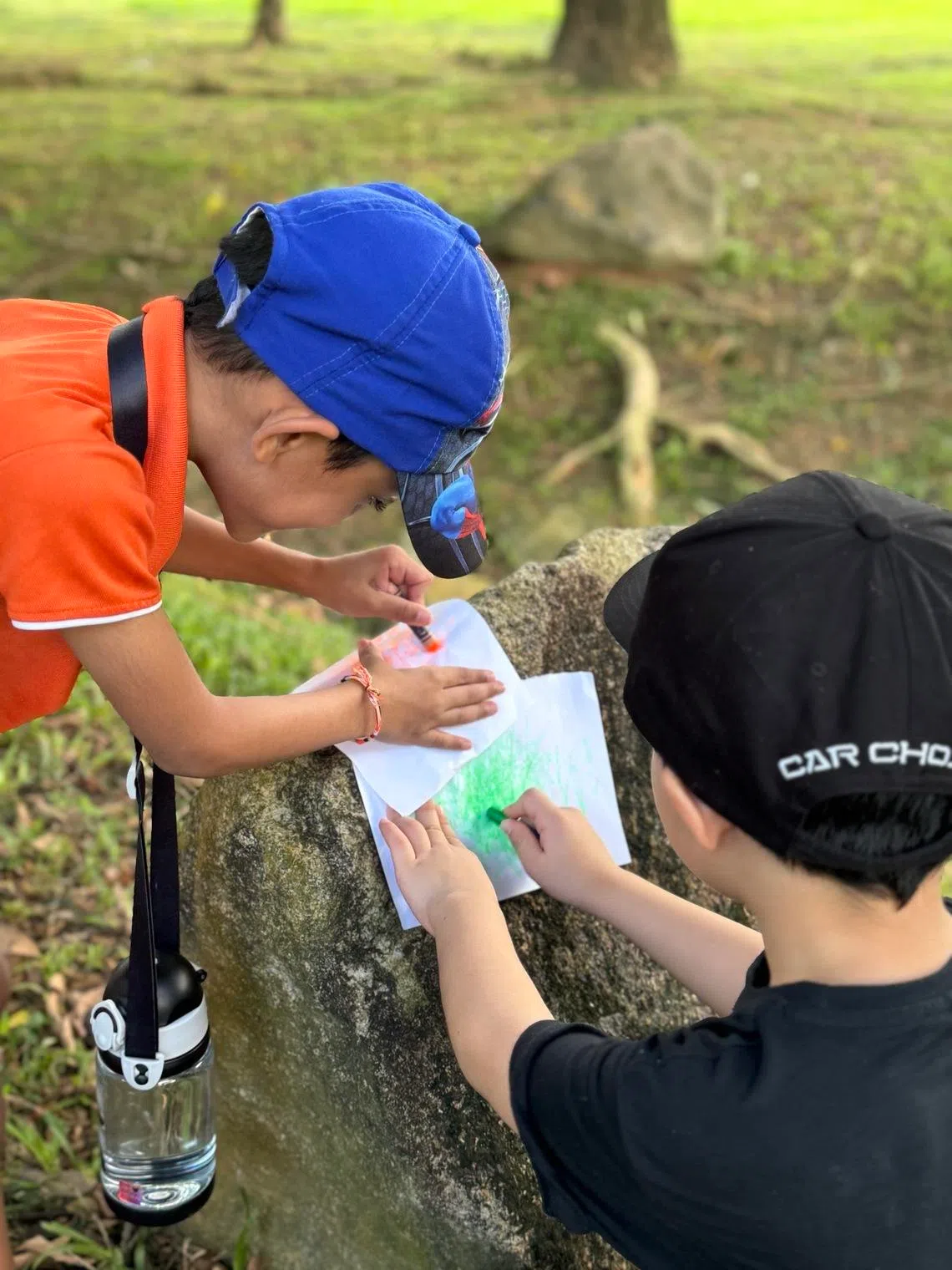
Similarly, Early Intervention for Children Services (EICS) plans to implement an outdoors-based component in its curriculum. This is based on research that showed that children demonstrated growth in their functional skills and positive behaviours after spending six weeks doing outdoor activities in the neighbourhood park.
Prof Siow said that THKMC is looking to share its research and best practices with the broader social service sector via conferences and outreach events, adding: “Our research is tailored to our needs. But if some agencies feel that it is applicable to their own, then we can actually work together.”
Decoding Asia newsletter: your guide to navigating Asia in a new global order. Sign up here to get Decoding Asia newsletter. Delivered to your inbox. Free.
Copyright SPH Media. All rights reserved.