

Tokyo's iconic Capsule Tower cubes get a new lease of life
 Add BT as a preferred source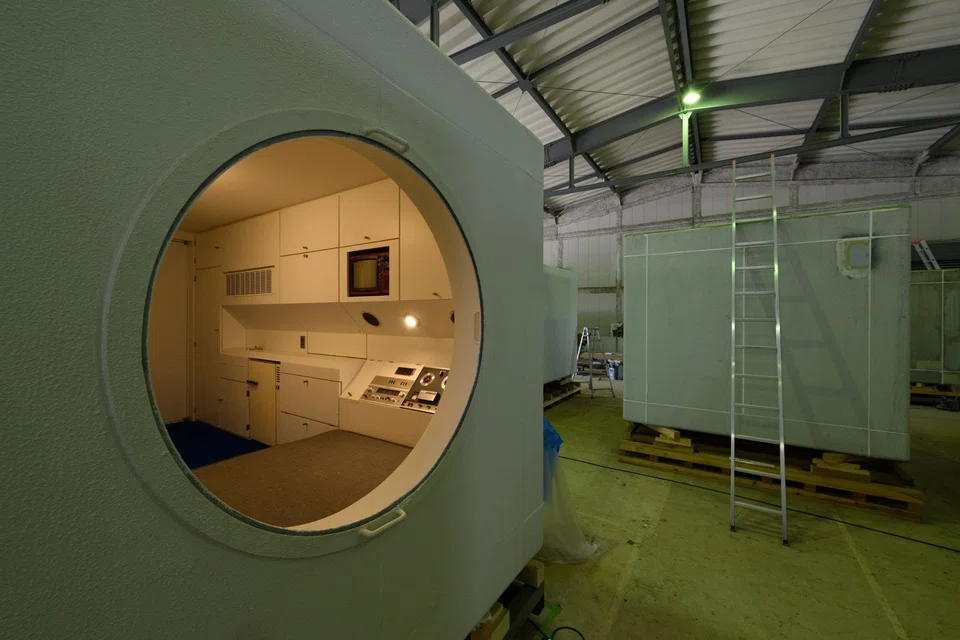
BEFORE Tokyo’s Nakagin Capsule Tower was dismantled earlier this year, architecture aficionados flocked for one final glimpse of the strange 13-storey building of 140 interlocking grey cubes.
The edifice is no more, along with the flurry of media coverage on its demise. Yet, in a warehouse just outside the city, almost two dozen capsules are undergoing restoration to prepare them for a new life.
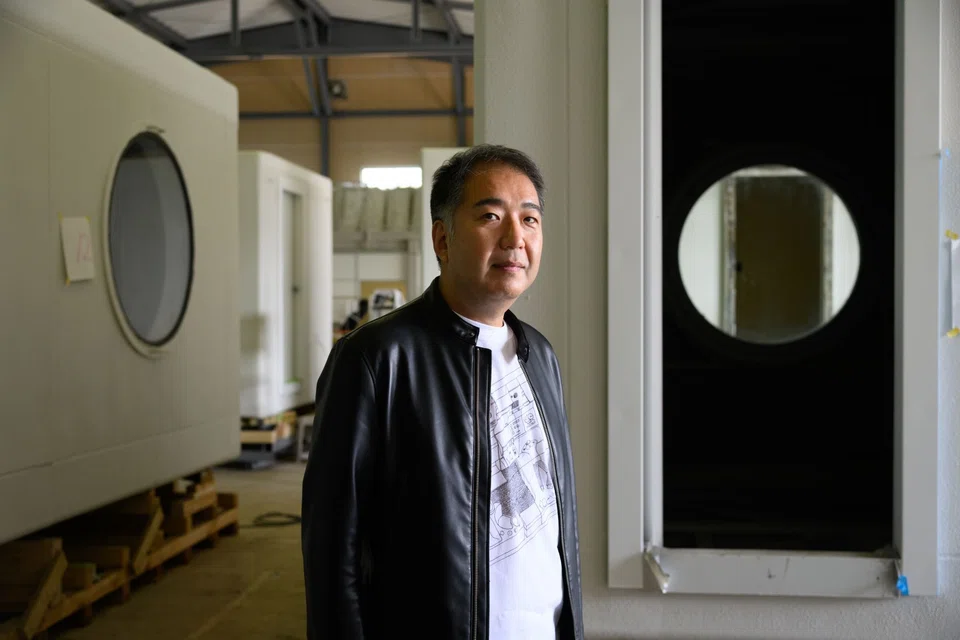
“Many more people should be able to experience the capsules,” said former tower resident Tatsuyuki Maeda, 55, who owns the blocks and quit his job several years ago to devote his time to saving the building. He’s now pouring his energy into preserving its legacy, cube by cube.
“I’m now working to get them into museums and commercial spaces, in the hope that there will be even more fans,” he said.
Designed by architect Kisho Kurokawa half a century ago, the complex embodied the tenets of Metabolism, which envisioned buildings as modular structures that could evolve along with society’s needs. While that might have been an attractive idea when Japan was in the middle of a frenetic economic boom, it never caught on.
In fact, the Nakagin Capsule Tower’s cubes were never replaced. They were attached to the structural core at two hook points plus a few bolts, a critical design flaw that made it difficult to remove a lower box without unhooking all the units above. Even so, the asymmetrical building became a cultural touchstone, appearing in several films and video games.
Left behind by the times and overshadowed by taller and sleeker skyscrapers, along with a more torpid economy, all that’s left now is an empty plot of land on the edge of Ginza, home to some of the priciest real estate in the world.
Of the 23 capsules that were plucked off the building, 14 are being fully restored, inside and out. The asbestos coating their steel frames has been removed. The built-in furniture is being fixed, or recrafted. Each will feature original and replacement stereo systems, complete with reel-to-reel tape decks. The bathrooms are back in their original state. Also included: a mini fridge, a built-in desk and bed.
The rest are being refurbished as skeletal blocks, only the basic structure and outer shell. They’re meant to be blank canvases for those seeking to create their own interiors: a tea room or mini disco, for example.
A few remaining units are unclaimed, according to Maeda, who has received inquiries from museums and other entities in the US, Europe and Asia.
The capsules, which measure 4 meters long and 2.5 meters high and wide, are being painted in their original white colour, which turned grey over the years. There’s one key difference – they’re not meant to be hung off the side of a tower anymore, but perched on the ground. They’re waterproof, and can be placed outdoors.
For those who want to experience the capsules first-hand, even before they head off to museums and building lobbies, it’s now possible to do so in the mountains of Nagano, a few hours outside Tokyo. There, the late Kurokawa’s family recently began renting, via Airbnb, a country retreat on the side of a hill with four of the cubes attached. The cost? 227,429 yen (S$2,249) a night.
Those, plus Maeda’s 23 units, one in a museum, and another eight more, are all that are left. But if there’s enough demand, it may even be possible to recreate capsules from their original blueprints, he said.
“It was sad to see the building come down, but it was created on the idea of Metabolism,” Maeda said. “Taking the capsules off, restoring them and sending them to museums and other places at home and abroad reminds you of the joy of the building.” BLOOMBERG
Decoding Asia newsletter: your guide to navigating Asia in a new global order. Sign up here to get Decoding Asia newsletter. Delivered to your inbox. Free.
Share with us your feedback on BT's products and services
TRENDING NOW
Jumbo Seafood to close flagship East Coast Seafood Centre outlet on Sep 30
Shanda co-founder sells Tanglin Hill bungalow for S$76 million

Johor property old hand KSL readies family handover amid market boom
Yeo’s, Tiger Beer and now Gardenia – flight of food manufacturing from Singapore might be just as planned

