

Tomb Raider games group Embracer raises 2 billion krona in share issue
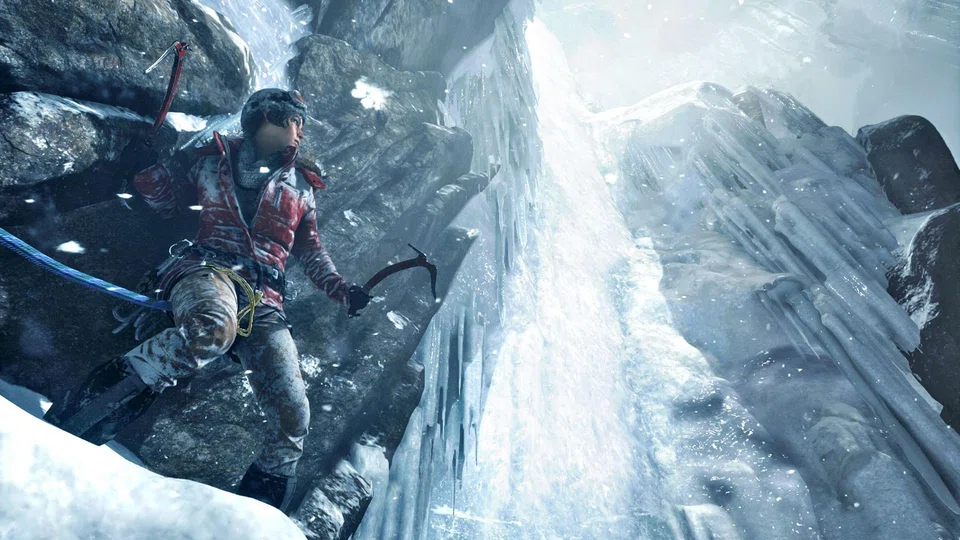
SWEDEN’S Embracer has raised 2 billion krona (S$246 million) in a share issue directed at institutional investors, the gaming group said on Thursday (Jul 6), after last month flagging a need to cut investments and costs.
It issued 80,000 new shares at a subscription price of 25 krona per share, it said in a statement, sending its shares down 13 per cent.
Embracer last month launched a programme to slash investments and costs, having been hit by development delays, weaker demand, bad reception for some new games and the fall-through of a planned large strategic partnership.
“The proceeds from this share issue will further strengthen our financial position, improving both financing cost and our operational flexibility, and enabling us to focus on the key aspects of the programme,” it said.
Shares in Embracer were on track for their biggest one-day fall since late May, when the company said a partnership would not materialise and lowered its 2023/2024 profit guidance.
Trading was heavy, with hourly volume running at over 9 million shares, the second-highest on record after May 24’s hourly rate of over 10 million, Refinitiv Eikon data showed.

Embracer, which last year bought several development studios and the intellectual property rights to a number of games including a new Tomb Raider game, announced plans for the share issue late on Wednesday. REUTERS
Decoding Asia newsletter: your guide to navigating Asia in a new global order. Sign up here to get Decoding Asia newsletter. Delivered to your inbox. Free.
Share with us your feedback on BT's products and services
TRENDING NOW
Despite the de-dollarisation debate, demand for dollar liquidity in Asia is growing
URA to review guidelines on floor space to give developers more design flexibility: Chee Hong Tat

He built the Vingroup empire. Now South-east Asia’s richest man is handing some key roles to his sons
Can a first-time homebuyer couple earning S$18,000 a month afford a new EC unit?

