Training the mind with martial arts
Radek Jezbera shares how highly transferable mental skills required to learn a martial art are
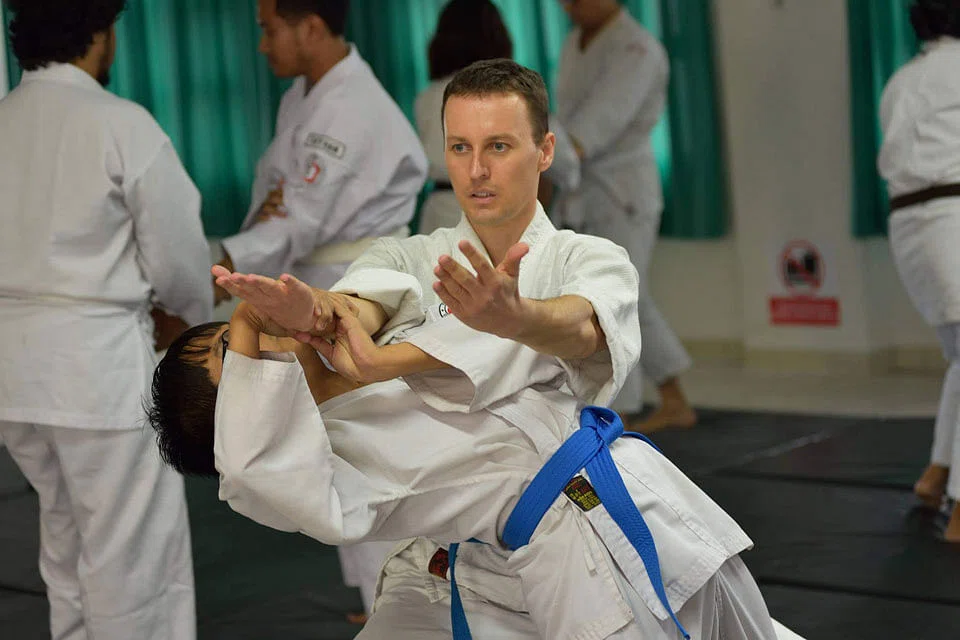
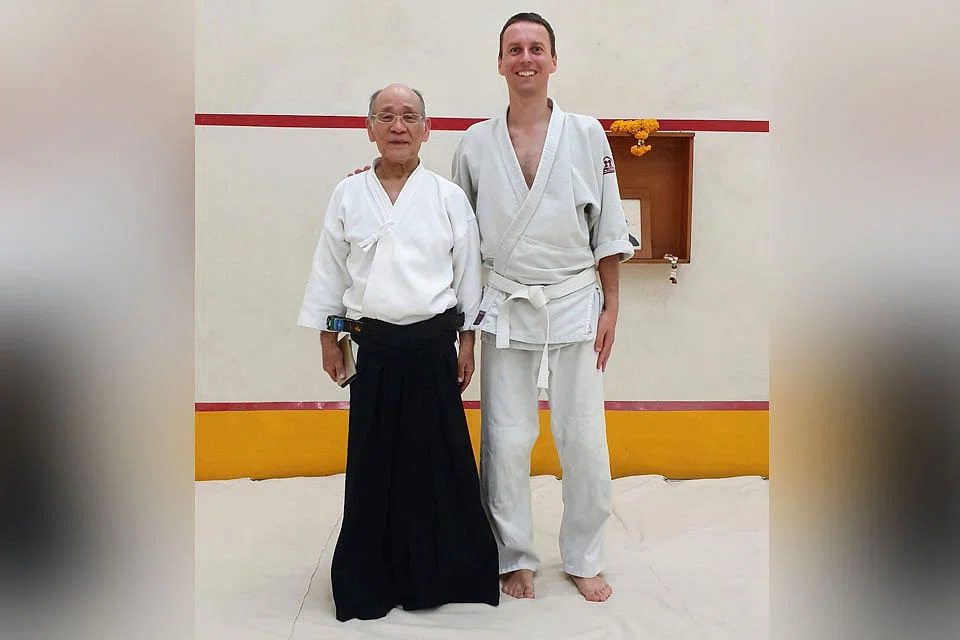
MANY people come to martial arts because of the self-defence and fitness benefits. I came to martial arts to strengthen my mind.
I started Aikido at the same time that I became a partner in a consulting firm, overnight becoming responsible for a whole consulting team in the United Kingdom and Singapore. This was certainly exciting but also created a cocktail of anxiety, stress, and long working hours. I felt a need to do something which would help me to cope, but that also offered physical fitness benefits. Hence, at the age of 40, I ended up joining an Aikido club.
To say that the beginning was hard is an understatement. I needed to improve both my fitness to sustain fast-paced training sessions as well as to overcome fear from falling, rolling, and being punched. After training, I would return home exhausted, sometimes bruised, but with a smile on my face. My instructor (sensei) and training partners (sempai) kept telling me that perfection comes with repetition, and those who progress are incidentally those people who do not quit. After a while, my confidence grew with every training session.