

Travel firms that are thriving amid Covid-19
These include members-only vacation clubs which provide access to a collection of luxury homes, and experiential travel platforms
 Add BT as a preferred source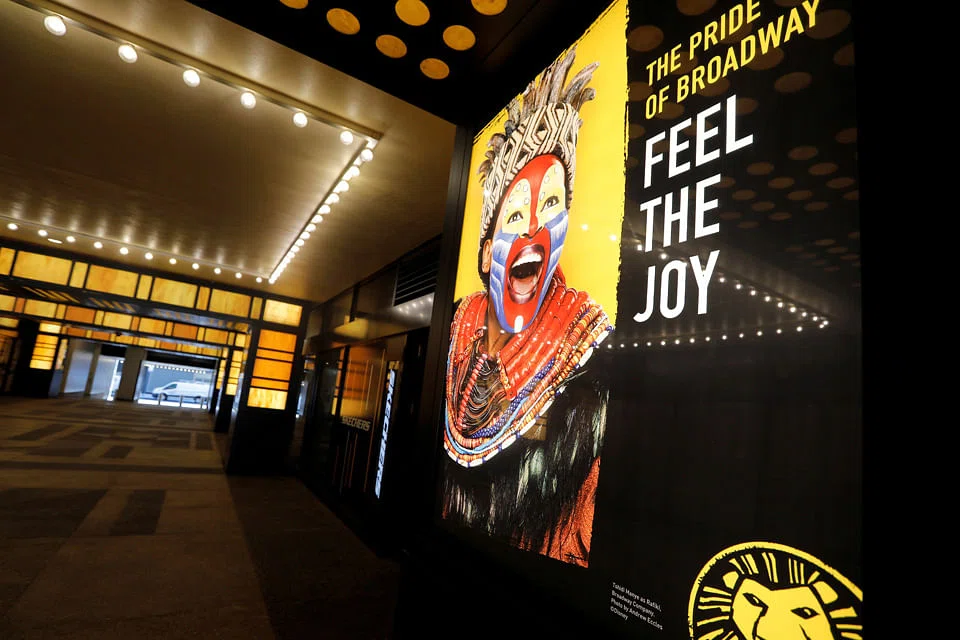
DeeperDive is a beta AI feature. Refer to full articles for the facts.
Colorado
IN JANUARY, the experiential travel platform Peek celebrated US$1 billion in bookings since its founding in 2012. Then the novel coronavirus hit. Ruzwana Bashir, founder of the San Francisco-based startup, watched business vanish overnight. "By April, we were at zero," she says. "With America in lockdown, people couldn't experience anything. Things looked dire."
Fast-forward through the turbulent spring and early summer months, which saw travel slow to a crawl, and now Ms Bashir is telling a different story. Hers is one of the few nimble travel businesses that have found themselves booming; in July, Peek saw US$50 million in bookings and has continued to break monthly sales records since, as travellers eagerly look for exciting ways to explore their own backyards.
The few thriving corners of the travel industry offer hope of a rebound and the possibility of travelling safely, even during an uncertain period. They may stoke your wanderlust or allow you to explore safely and securely - but they are also good reminders that the travel industry still means big business.
Local experiences, wherever you're stuck
Peek is a two-sided marketplace that connects consumers to thousands of small business owners creating such travel experiences as cooking classes or kayak trips. "When our operators don't get bookings, we don't get bookings," says Ms Bashir, whose company takes a cut from each activity purchased on her site. Peek entered the pandemic fresh off a US$23 million Series B funding.
Navigate Asia in
a new global order
Get the insights delivered to your inbox.
Ms Bashir used her newfound financial stability to advise clients on applying for disaster loans, implementing contactless payment and creating Covid-19-safe tours. Bookings skyrocketed to US$50 million in July as shelter-in-place orders began to lift - a figure that represents 5 per cent of Peek's all-time sales.
The bigger picture: Viator, a Tripadvisor company, also used small business relief to keep its vendors - and its own business - going. And Airbnb stayed afloat in the pandemic's early days by launching some 400 virtual experiences, such as a Peloton-compatible "Cycling With an Olympian" class.
What you might book: Broadway may be closed until 2021, but you can still belt out showtunes with actors who serve as guides on Peek's US$40, two-hour theatre district walking tour.
The vacation home you don't actually own
Members-only vacation clubs, which provide access to a collection of luxury homes with on-site concierges, are capitalising on city dwellers who need long-term escapes and idyllic remote offices. Among them, Denver-based Exclusive Resorts says it saw its largest growth in membership sales since 2014 in this year's third quarter - and has grown head count by almost 10 per cent since March.
"Members are looking for a change of scenery, and now that many offices and schools are remote, they are taking full advantage," says chief executive officer James Henderson. Bookings for 14-plus-day vacations in 2021 have already doubled 2020 numbers, and new partnerships that offer private jet and medical evacuation transport are easing the anxieties of travelling during a pandemic.
The bigger picture: After shutting down most of its operations in the pandemic's early days, vacation club Inspirato has also seen growth in memberships for its Inspirato Pass, which offers unlimited rental nights, free of taxes or fees, for a US$2,500 monthly fee.
The same dynamics are driving up business for RV companies such as Kibbo, which creates RV parks with work spaces, clubhouses, and amenities.
What you might book: Real del Mar, a gated beach community just outside of Puerto Vallarta, Mexico, was voted Exclusive Resorts 2019 destination of the year, thanks to the club's 12 cliffside, four- and five-bedroom homes, which share access to an infinity-edge pool and beach club.
Simple shortcuts for calculating risk
DragonSlayer was born in December as an app that matches your travel personality (eg active, cultural) to fit experiences available around the world. By March, this was irrelevant. Founder Peter Wells relaunched the company in September as a subscription-based service that tells travellers about Covid-19-related restrictions in any state or country. Its proprietary, numeric SAFE-T scores (it stands for Smart Analytics for Educating Travelers) grade 124 countries and all US states on everything from new case trends to local testing capacities.
Memberships start at US$10 per month, with a free two-week free trial, or US$70 for a year. The company experienced 55 per cent growth in the first four weeks of the relaunch. Industry professionals drove the new business; Mr Wells says he netted 200 annual subscriptions from agents in the first month. Looking ahead, he hopes the tools will help travel operators assess risks for a variety of global events and share those analytics directly through a white-label option.
The bigger picture: Tools with less comprehensive health insights than DragonSlayer include Kayak, which allows users to see the number of active cases in any global destination through the site's "Explore" map, and Google, whose new booking features help users navigate the changing rules for hotels and airlines they are considering.
What you might book: On crunching the data, Mr Wells deems Bermuda one of the safest bets for travel right now. "The island has done the absolute best job in protecting the local population, while welcoming back tourism," he says.
Travel insurance on steroids
With serious limitations on all but the most expensive of policies - the ones with "cancel for any reason" clauses - travel insurance is often a skipped step in the travel booking process.
Enter Berkshire Hathaway, whose travel protection products have historically included such consumer-friendly options as low-price-tag policies that specifically target flight delays. During the pandemic, it launched two new options for skittish travellers that are cumulatively making up 14 per cent of the company's total insurance sales. LuxuryCare, announced in June, grants 100 per cent cancellation coverage on ultra-high-end trips that cost up to US$100,000 per person; it also covers emergency medical treatment and evacuations that cost up to US$1 million. ExactCare Lite, meanwhile, hits the opposite end of the spectrum, offering US$500 in protection per person for road trips.
The latter, in particular, shows a company that is seizing on the moment. "In our industry, no one bought travel insurance for road trips," says Berkshire Hathaway spokesperson Carol Mueller. "But we saw people worrying about losing money if for some reason they couldn't go."
The bigger picture: Success has been a commonality for almost anyone who can guarantee a vacation-escape plan. Take air medical transport membership company Medjet. It struggled at the pandemic's onset, but reported year-over-year growth in October on the heels of a new service that transports Covid-19-infected members from many American-friendly destinations to their home hospital of choice.
What you might book: An over-the-top, bush plane adventure across Kenya, Tanzania, and Zambia with bespoke outfitter Tin Trunk Safaris. You will stay in the most luxurious lodges, such as Singita Mara River and Giraffe Manor, while travelling like the continent's early explorers.
Airfare hawks that minimise your (financial) exposure
Hopper - an app that uses big data to predict how hotel and flight prices will fluctuate ahead of your next booking - once generated nearly all of its revenue from the sale of plane tickets. In 2019, that started to change with the addition of such popular new features as Price Drop Protection and Price Freeze, which offer payment protection at nominal cost. With their help, less than half of the company's revenue now stems from airfare.
Covid-19 has accelerated that trajectory. Responding to the fact that economy and low-fare tickets are often exempt from flexible refund policies, Hopper created its own such assurance; since Oct 13, it has allowed customers to pay a premium of 5-20 per cent on any fare to make it fully refundable. Couple that with a Flexible Dates upcharge for easy, last-minute rescheduling, and CEO Frederick Lalond is looking at a projected 100% increase in revenue in 2020.
"It's stupefying," he says. "And I continue to be optimistic, as we're seeing a lot of pent-up travel demand. Now that people realise travel can be taken away, they're not going to put off trips like they used to."
The bigger picture: Changing a flight used to mean facing penalties of up to US$400, but the pandemic spurred Alaska, American, United, and Delta to waive change fees permanently on domestic flights. International flights, which carry the additional risk of border closures, remain harder to cancel, except those via Alaska.
What you might book: Easy cancellations and rescheduling under any circumstances can make the world feel like your oyster for the first time in months - so book anything, as long as it is not a flight to nowhere. BLOOMBERG
Decoding Asia newsletter: your guide to navigating Asia in a new global order. Sign up here to get Decoding Asia newsletter. Delivered to your inbox. Free.
Share with us your feedback on BT's products and services
TRENDING NOW

Ministry of Home Affairs Permanent Secretary Pang Kin Keong to retire

Shelving S$5 billion office redevelopment plan proved ‘wise’ as geopolitical risks mount: OCBC chairman

Richard Eu on how core values, customers keep Singapore’s TCM chain Eu Yan Sang relevant

China pips the US if Asean is forced to choose, but analysts warn against reading it like a sports result

