Travel to Innsbruck on a sustainable gourmet trail
An insider’s guide to Tyrolean food in the Austrian Alps
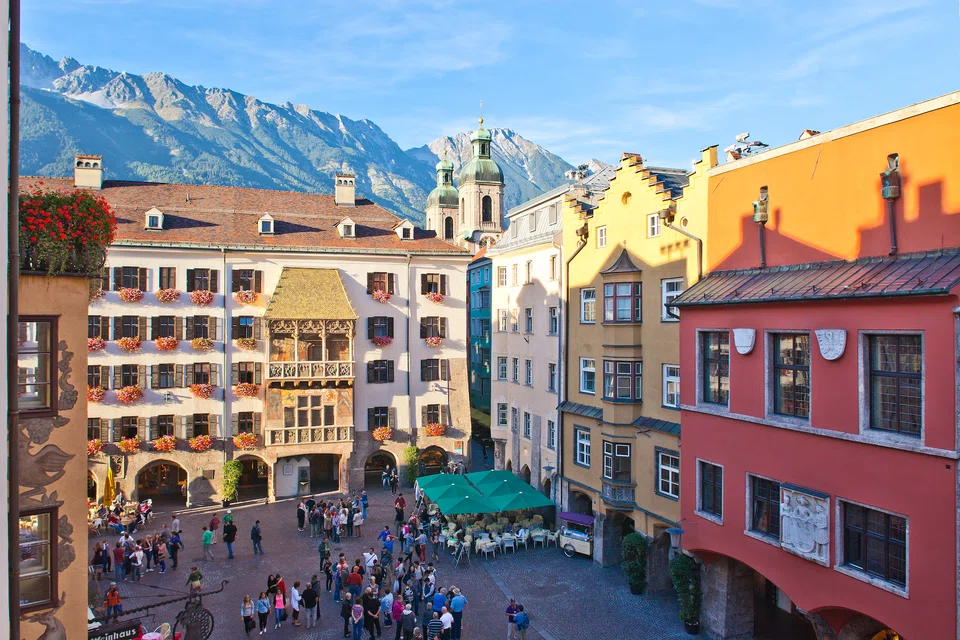
FIRST-TIMERS to Innsbruck in the Austrian alpine region will be captivated by the charming old town, with the majestic Nordkette mountain range as the backdrop. Meaning “bridge over the inn”, Innsbruck is the capital of Tyrol, a state in Western Austria. Train journeys from Salzburg usually take less than 2 hours.
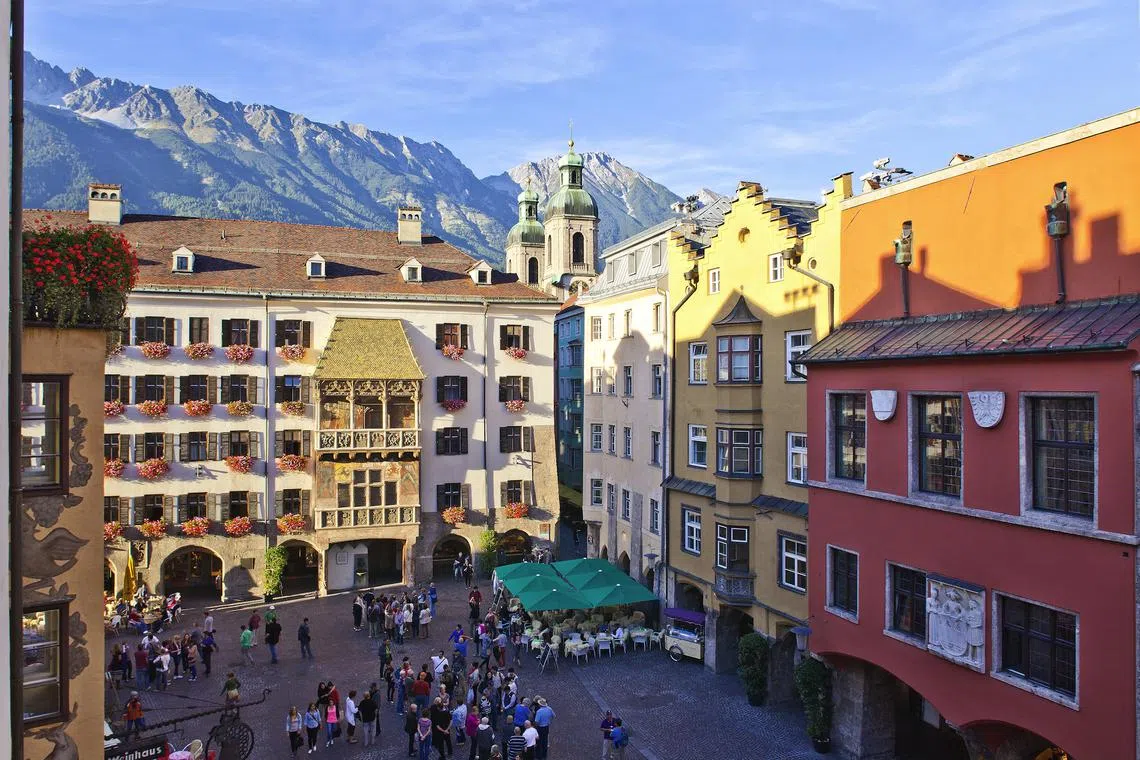
This place is most known as a ski destination and for hosting the Winter Olympics in 1964 and 1976. Beyond hiking and winter sports on the slopes, there’s plenty to see and do year-round. You should, of course, fuel your mountain descent with robust Tyrolean cuisine. This area is home to many small-batch food producers and traditional restaurants and bars.
Sustainable food tours
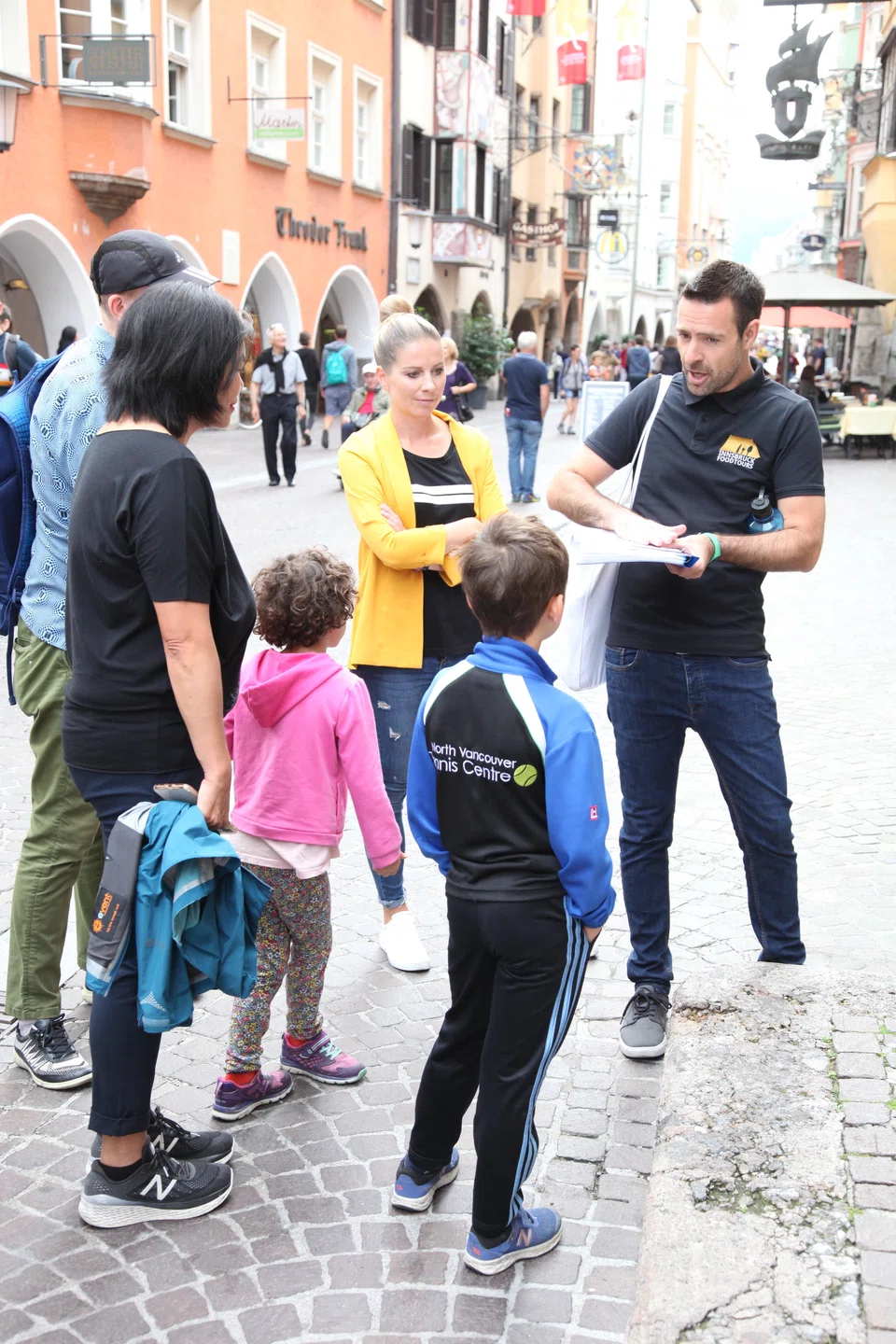
To discover more about a destination’s specialities, one would typically ask locals for insider tips. In Innsbruck, Kurt Reindl sees himself as an “ambassador of Tyrolean cuisine”, and aims to shine the spotlight on the region’s food.
An experienced journalist, documentary producer and director, he runs food tours with a sustainable slant, and does this as a passion project. Reindl founded Innsbruck Food Tours for a reason that’s close to his heart: He grew up on a farm in the verdant Ötztal Valley, and had seen, time and time again, how his parents worked hard to offer good-quality fresh produce, but “had to fight for a fair price”.
The Innsbruck resident upholds a sustainable approach for his tours. He is actively devoted to climate protection and a sustainable lifestyle, and is committed to implementing the United Nations’ sustainability goals (the Sustainable Development Goals, or SDGs). “I choose partners who are mainly family businesses and produce sustainably,” he says.
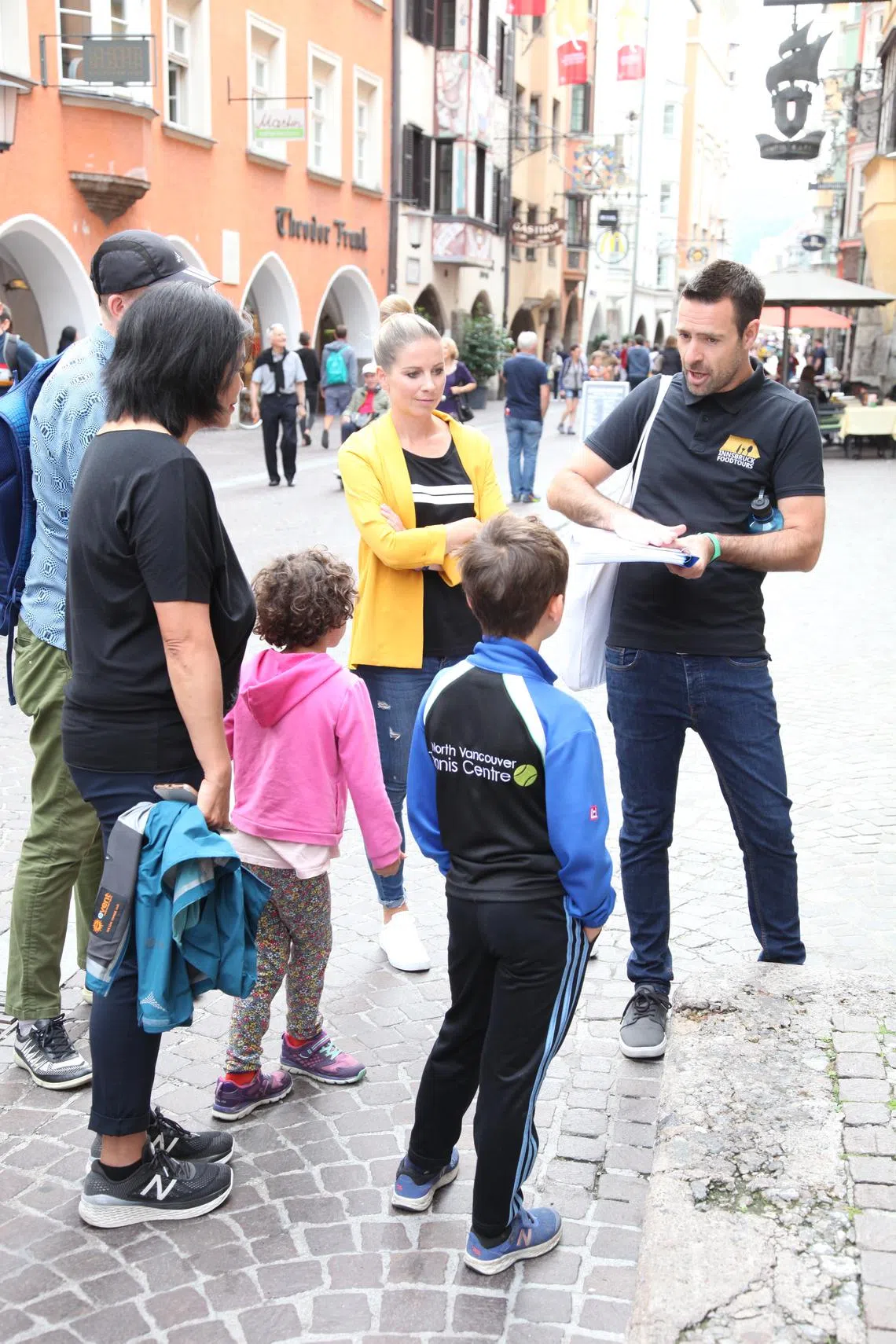
During his small group tours, he endeavours to reduce food waste too. He encourages people to pack up everything they can’t finish eating. “Even the doggy bags are sustainable as they are made from corn,” he adds.
Traditional Tyrolean cuisine
Many food capitals “go green” because it is the responsible thing to undertake. In Innsbruck, however, it is woven into their food culture.
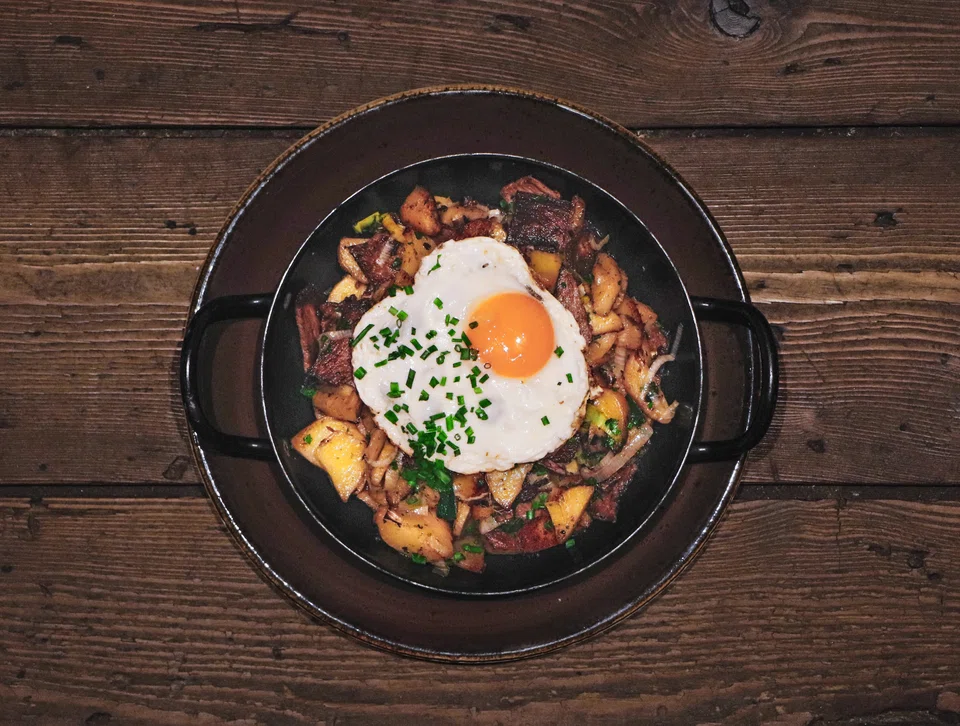
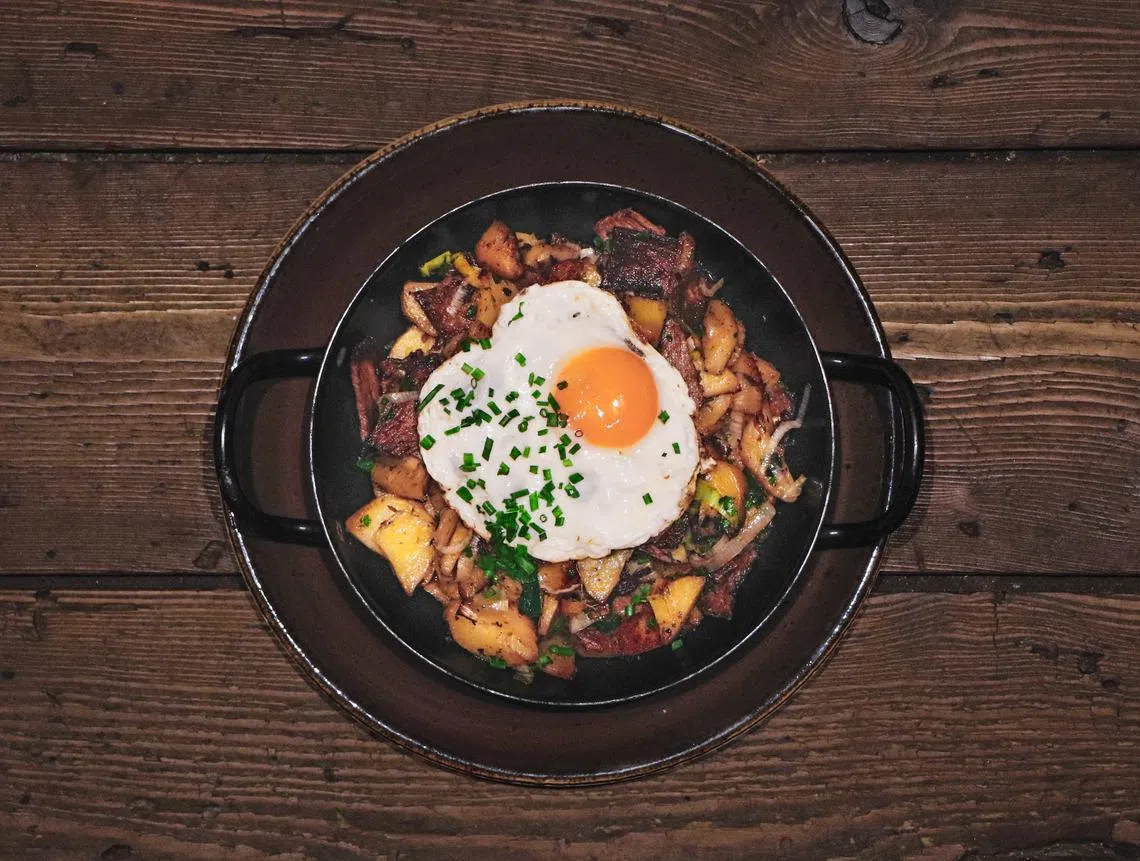
To experience this, score a table at one of the many traditional family-run restaurants such as Weisses Rössl, one of Reindl’s top spots for classic Tyrolean fare. Founded in 1509, a mainstay here is the Tiroler Gröstl – a hearty fry-up of potatoes, meat and onions, topped with fried egg.
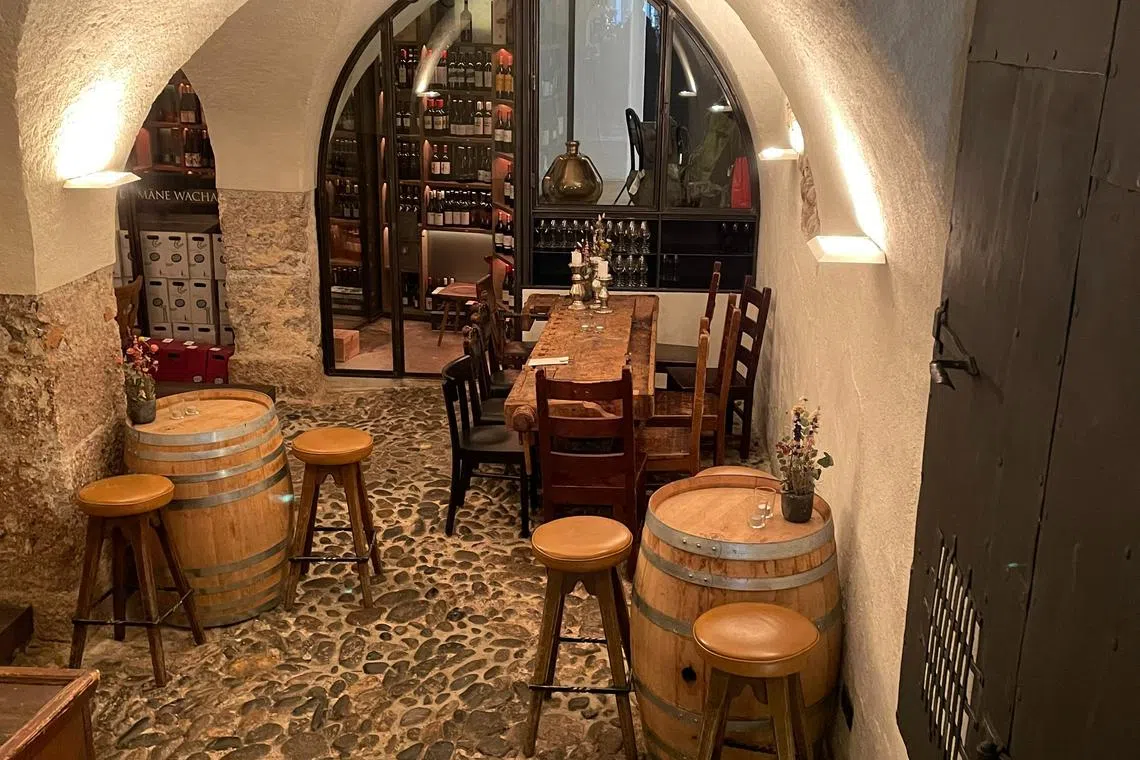
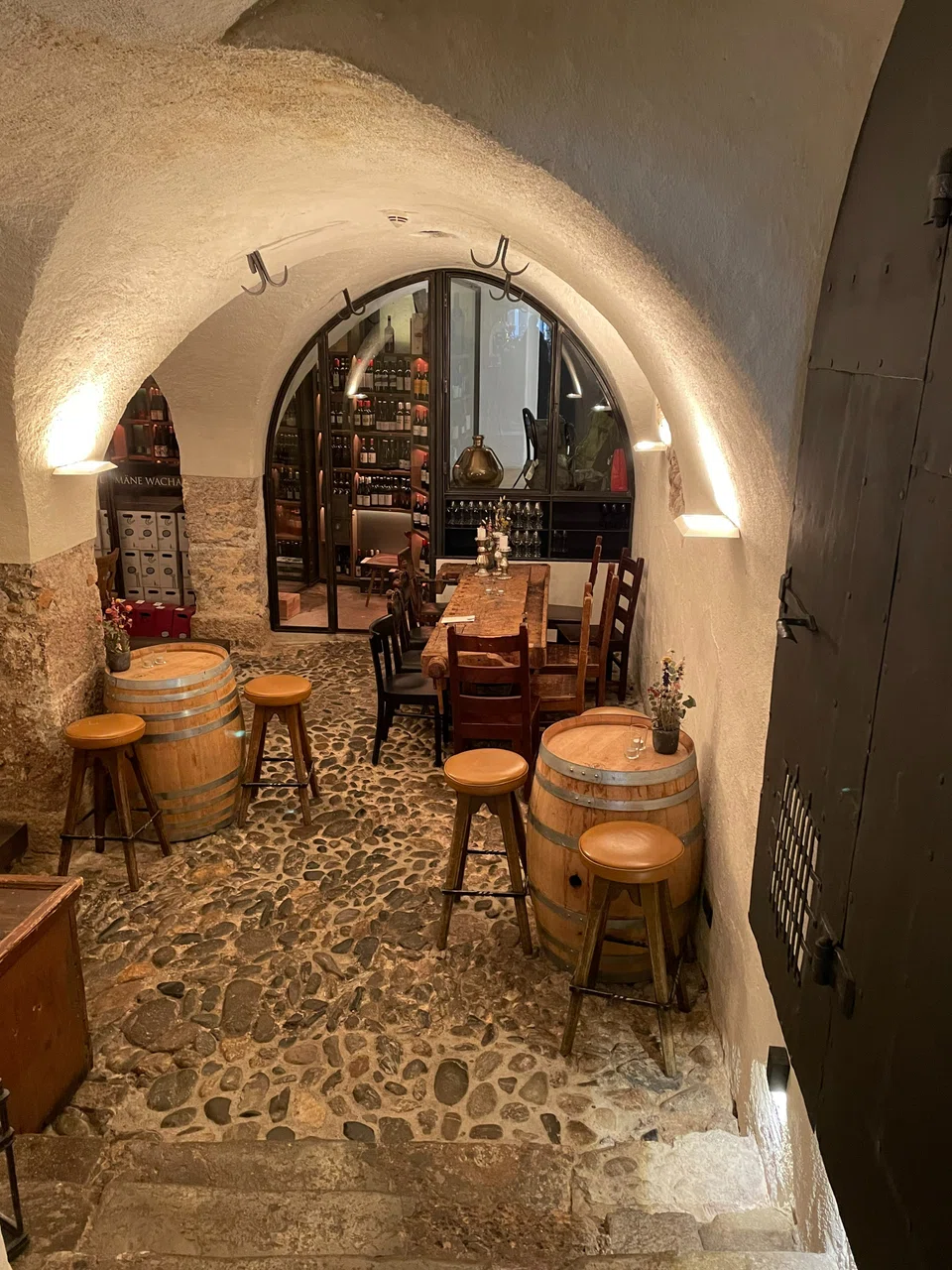
Says Reindl: “The Tiroler Gröstl was originally a ‘leftover meal’ for the poorer farmers in the country.” It is today a hallmark of a good restaurant, and a perfect example of food sustainability. Worth savouring too is Käsespätzle, comprising spaetzle baked with local cheese and scattered with crisp fried onion. Reindl points out that Weisses Rössl boasts a wine bar in its medieval vaulted cellar. “Austrian wines can be enjoyed here on a 100-year-old carpenter’s table.”
SEE ALSO
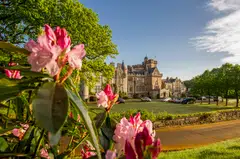
Another noteworthy restaurant is the Goldener Adler, whose hotel building was founded in 1390. Famous guests throughout history have included Mozart, Paganini and royalty. The restaurant’s menu brims with seasonal ingredients – thanks to consistent supplies of farm-fresh vegetables and locally-procured meats.
In-between meals
To sate any lingering hunger, make a pitstop at Cafe Konditorei Munding. The Munding family has been running Tyrol’s oldest confectionery-café since 1803. It is located near the Golden Roof (Goldenes Dach) – a gleaming landmark adorned with 2,657 gilded copper tiles. “The quality of the desserts and cakes is exceptional,” says Reindl. “And the coffee machine purchased 3 years before the 1964 Winter Olympics is still in use.”
Reindl adds: “For a snack, Bäckerei Kröll is where you can immerse yourself in the history of Tyrolean bread-making.” In this family-run bakery, one of the city’s oldest, you can find all manner of baked goods, from sourdough and labour-intensive braided breads to the local favourite, Schüttelbrot, a crisp flatbread.
Edible souvenirs
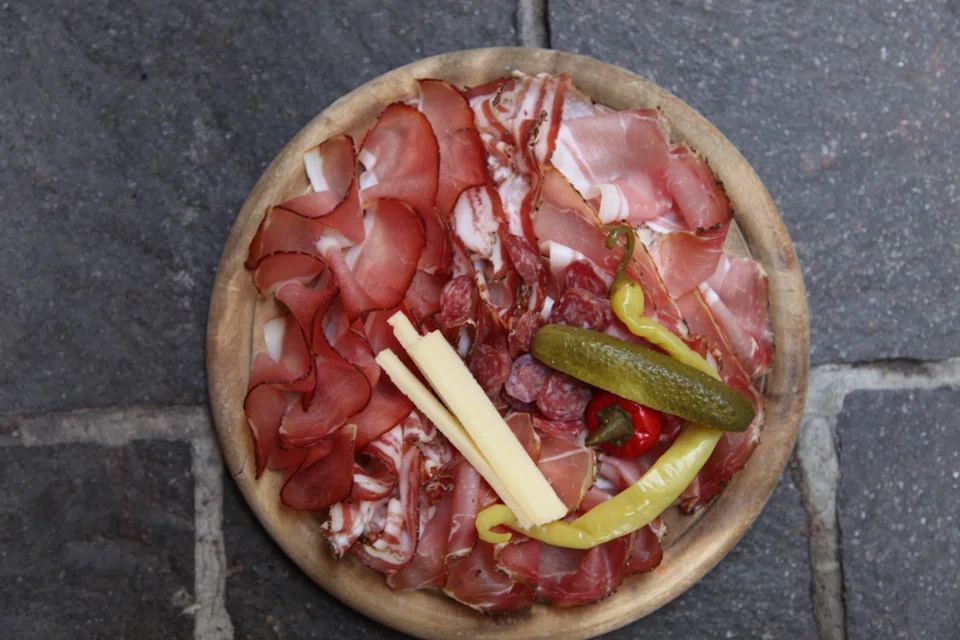
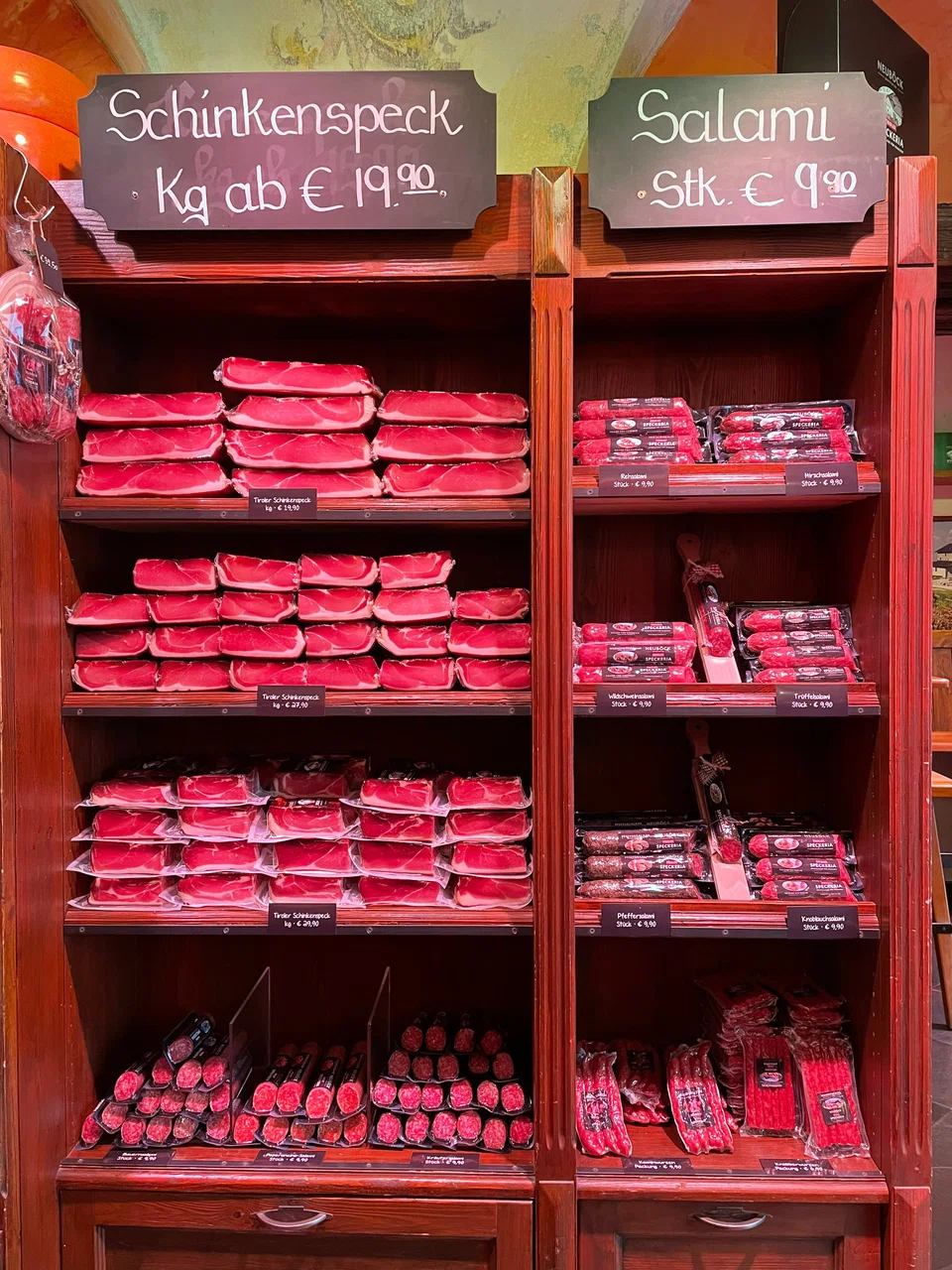
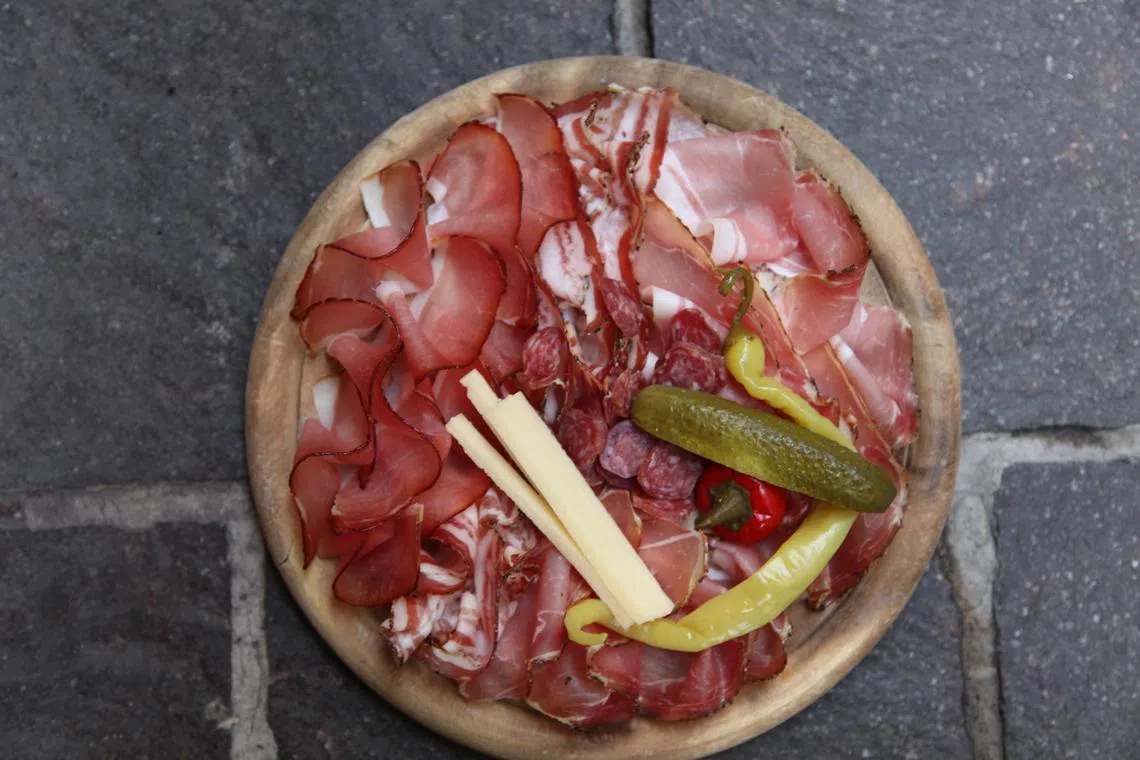
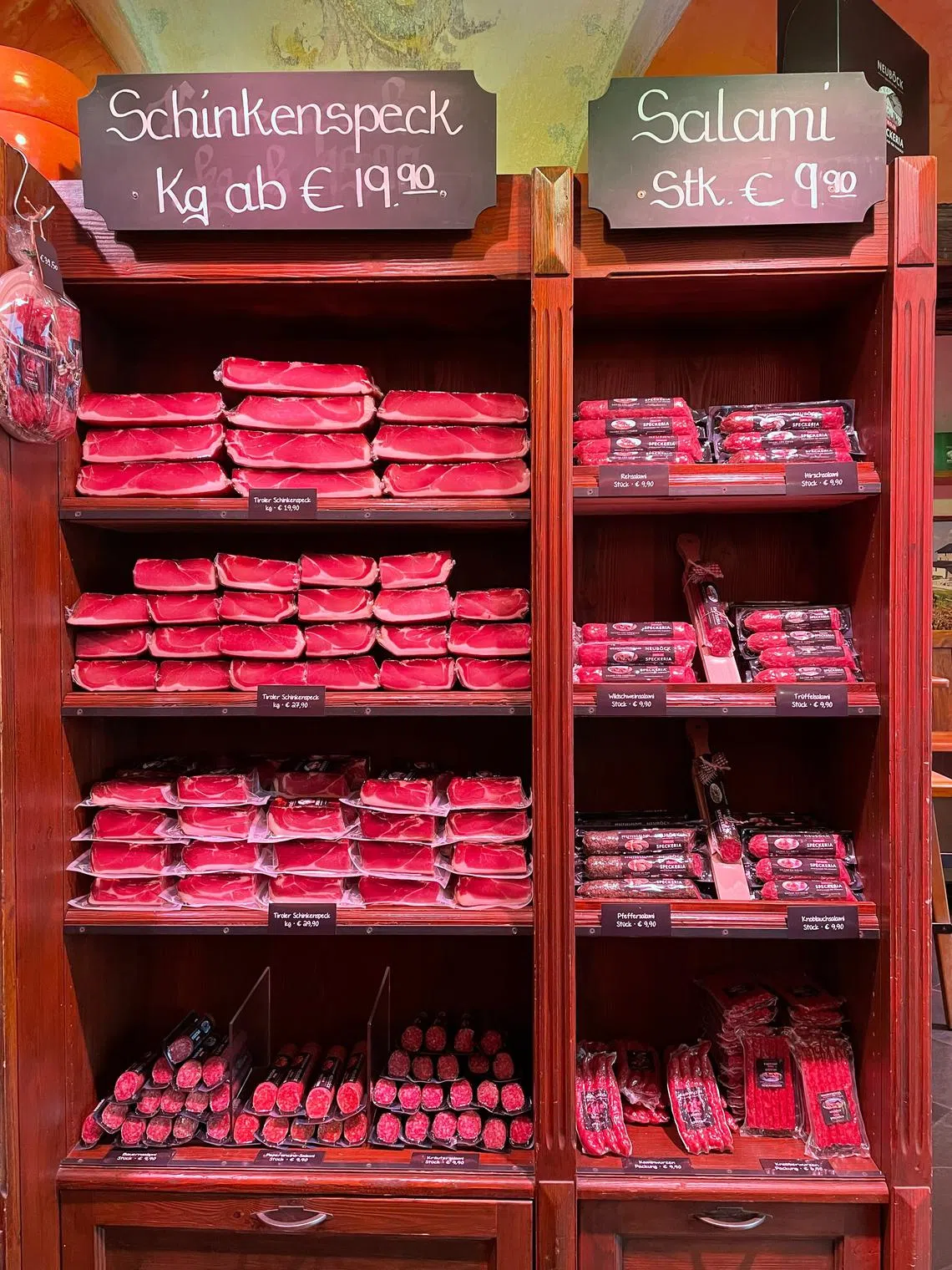
Speck, or Tyrolean bacon, is one of the tastiest and oldest delicacies which traces its roots to the 13th century. “The best ones are found in Speckeria in the Old Town,” says Reindl, who often swings by this 1909 shop to tuck into a platter laden with dry-cured and smoked meats, paired with wine.
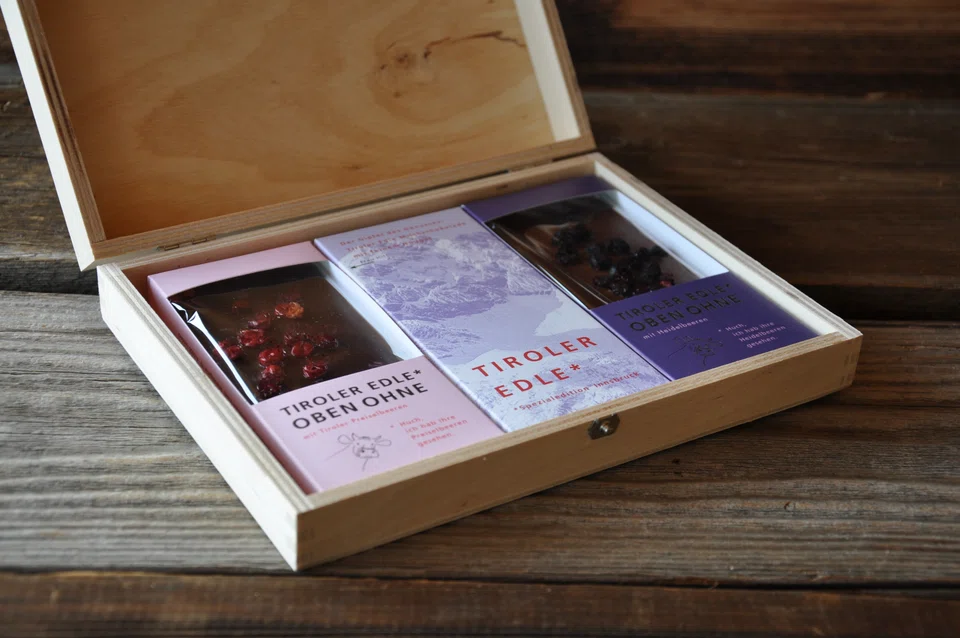
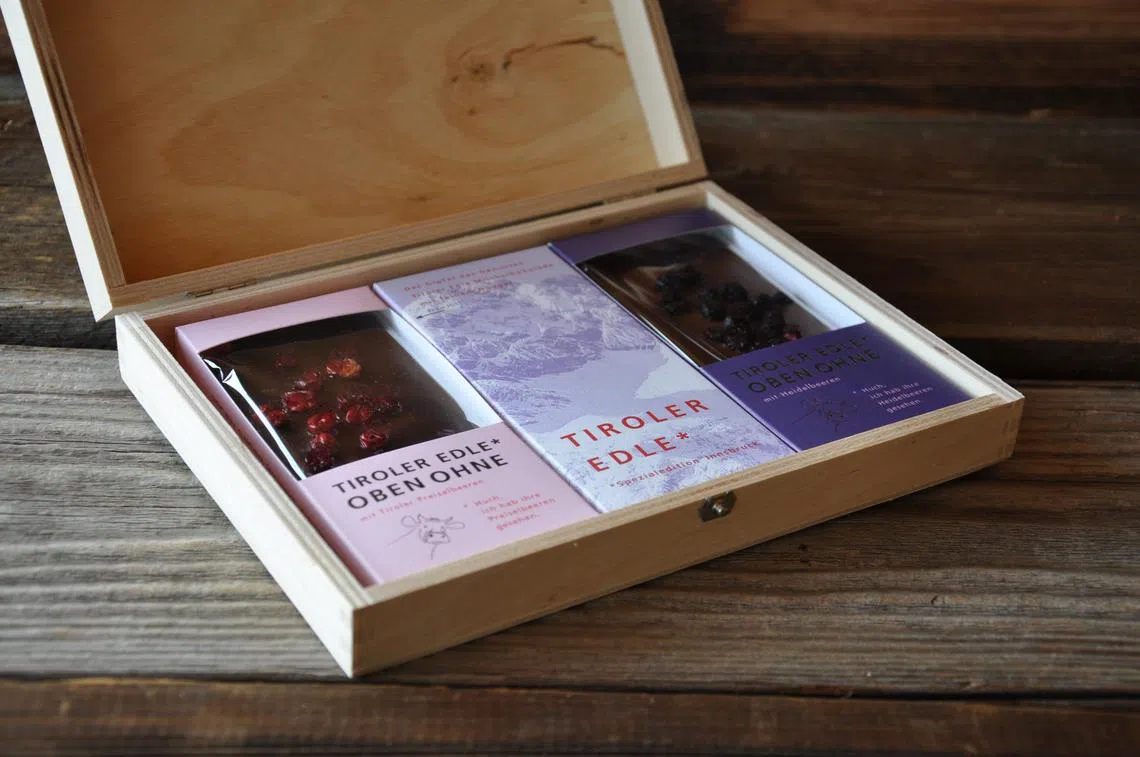
For a taste of artisanal chocolate, look out for Tiroler Edle. Master chocolatier Hansjörg Haag makes this chocolate using premium local ingredients like berries, nuts and brandies. His choice of cacao suppliers is made after assessing the origin, and whether the farmer practises sustainable agriculture and offers humane working conditions. The milk used for the chocolate comes from Tyrolean Greys, a breed of cattle that graze on wildflowers, grasses and herbs on highland alpine pastures.
Caffeine recharge
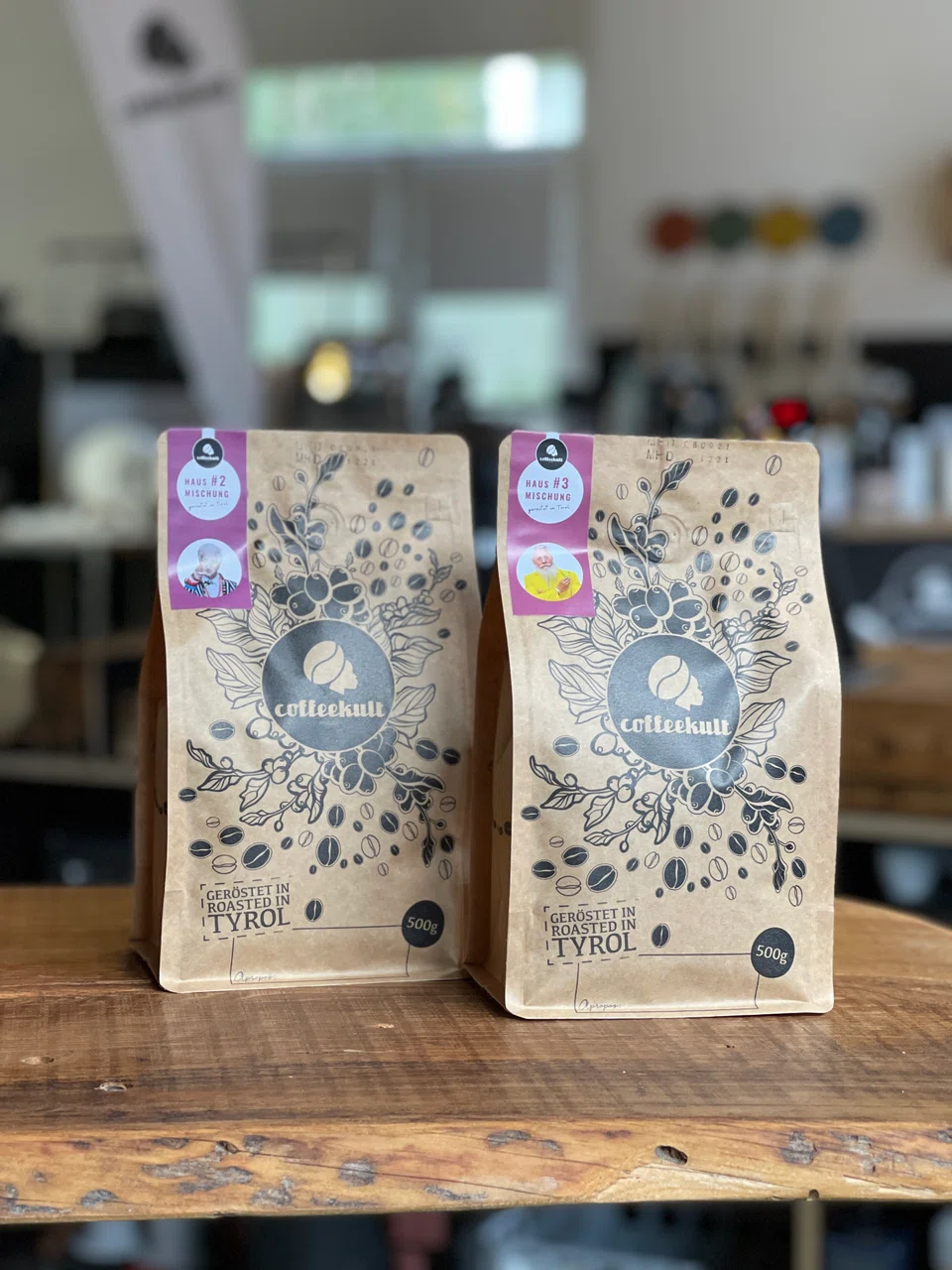
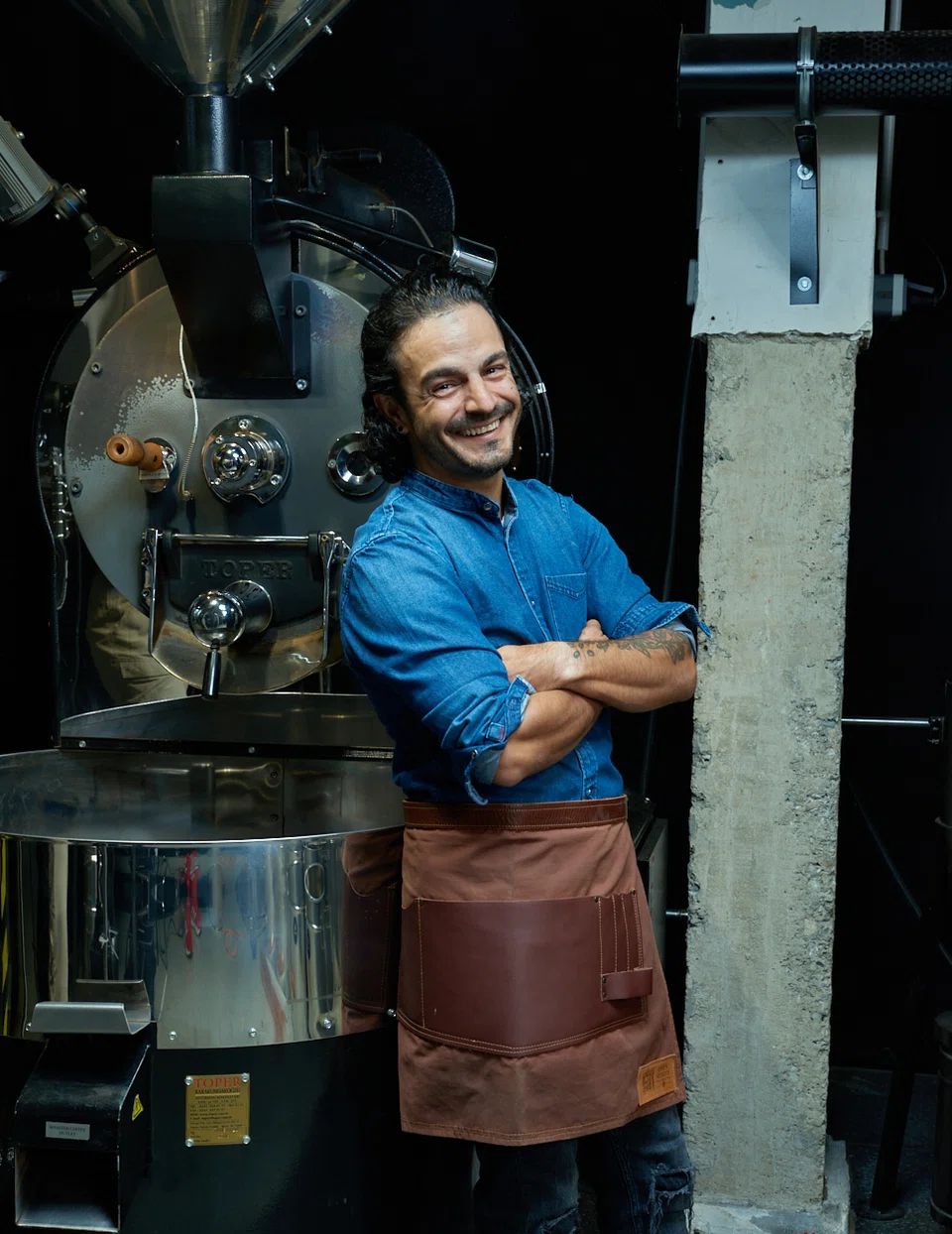
To foil your food coma, pop by Coffeekult. Reindl says: “At this coffee roastery, you know exactly where the green coffee (the unroasted beans) comes from.” Owner Cem Korkmaz travels around the world to personally source beans from places such as Brazil, Ethiopia, Rwanda, Peru and Colombia. “The beans are traded directly, which also benefits the local farmers more,” says Reindl.
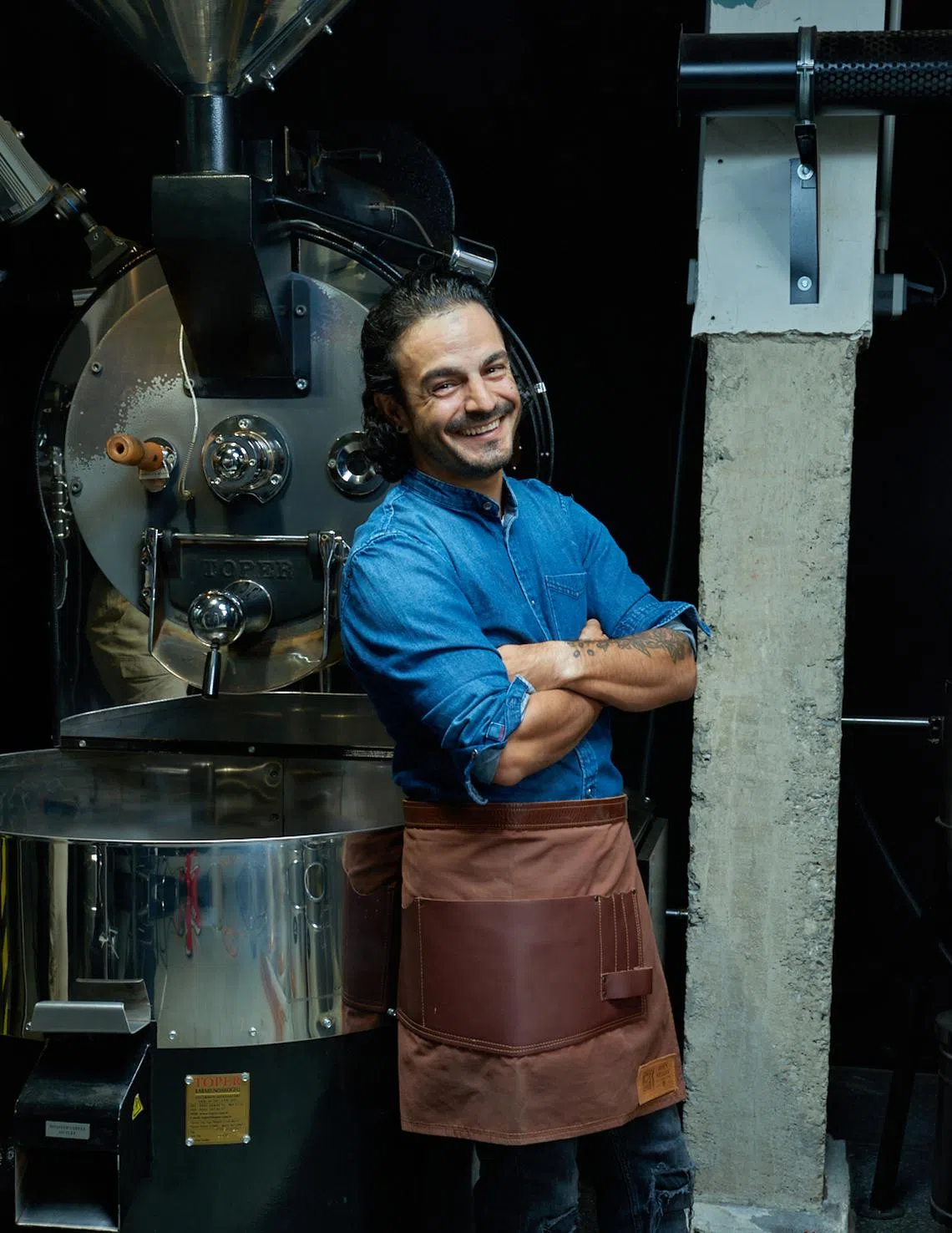
Korkmaz roasts the beans weekly in his roastery, which is frequented by local coffee buffs. His coffee is available in selected cafes around Innsbruck; they include manni.coffee, Edis Coffeehouse, and coffeelab café. It is also served at Das Leopold, a restaurant which offers integrative apprenticeship training for young people.
Decoding Asia newsletter: your guide to navigating Asia in a new global order. Sign up here to get Decoding Asia newsletter. Delivered to your inbox. Free.
Share with us your feedback on BT's products and services