The art of getting to know Belgium
Go beyond the country’s ‘serious’ reputation to discover its art, architecture and fashion scene
LEGEND has it that sometime in the 11th century, in a region now part of Brussels, a two-year-old duke saved his troops by urinating on enemy soldiers from the branches of a tree. Centuries later, an artist immortalised the pint-sized hero in bronze, and today, the statue of the Manneken Pis (Dutch for “little pissing man”) is recognised by locals as a symbol of the Belgian spirit: playful, inventive, down-to-earth, and subtly subversive.
To outsiders, these characteristics might seem surprising.
Belgium can appear buttoned up, even boring, beneath its “serious” labels: de facto capital of Europe, home to the European Union and many political international organisations.
Dig a little deeper, though. and you’ll find that this “crossroads of Europe” has in fact been a rebel from the start. This is thanks partly to its constitution, one of the world’s most liberal and longest-standing. Written in 1830 by a progressive young commission who believed in the philosophy of freedom, it early on established the country as a haven for exiled creative thinkers. Locals also acknowledge that Belgium’s colonised history has cultivated an instinct to defy the norm. Then there’s its split identity (it has a Dutch-speaking Flemish side, which is seen as more experimental, and a traditional French side) that has created a unique culture and salad bowl of perspectives.
It all sounds a bit complicated, but there’s a trick to uncovering Belgium’s quirky charm: as the Manneken Pis shows us, you just have to follow the art.
Encounters with the surreal
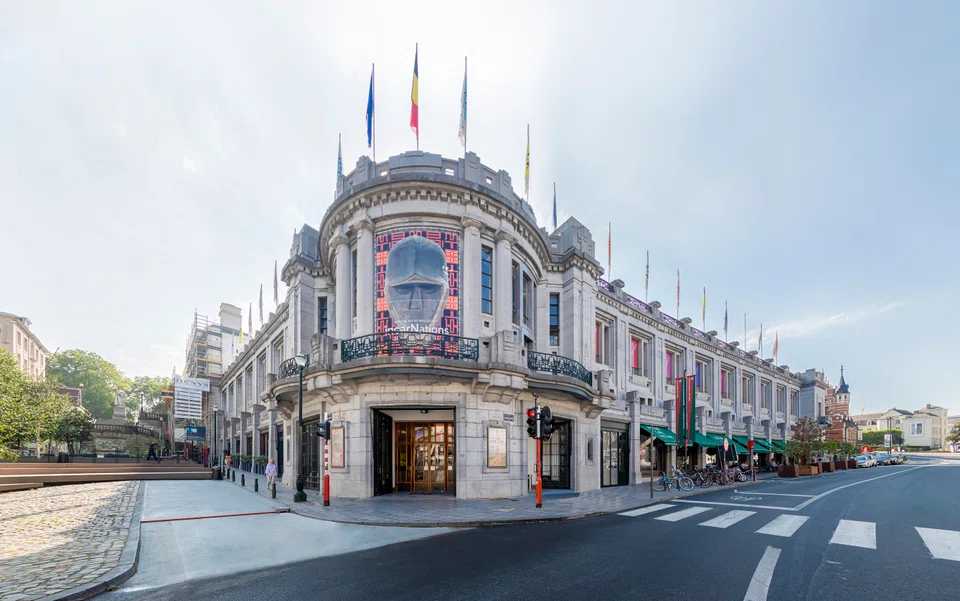
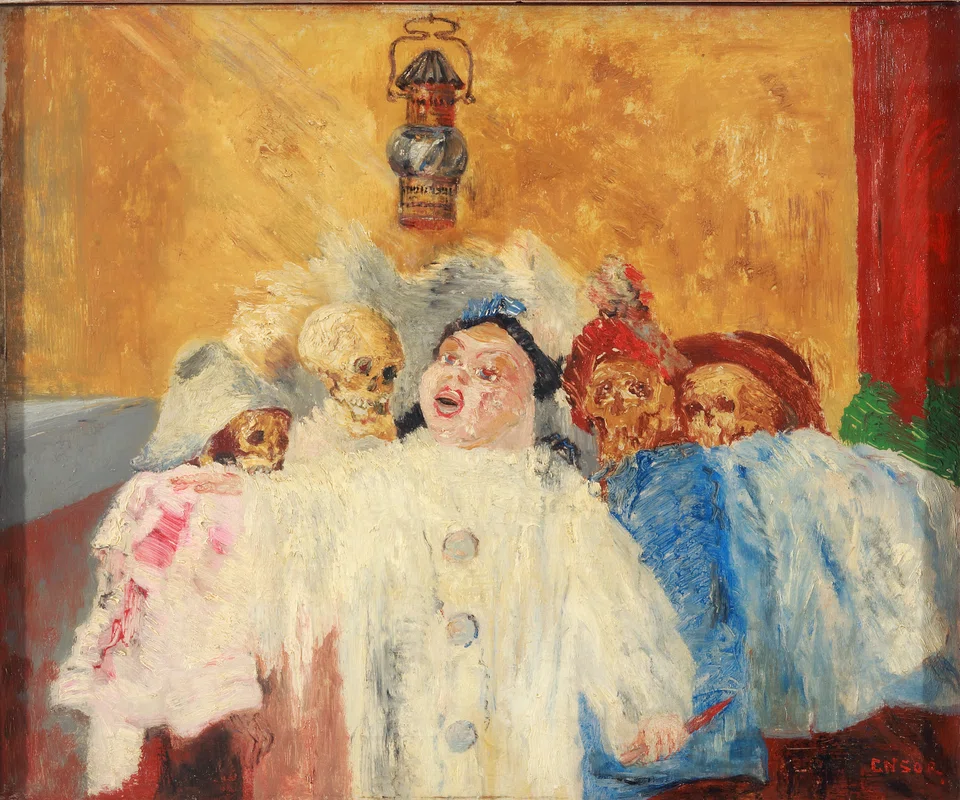
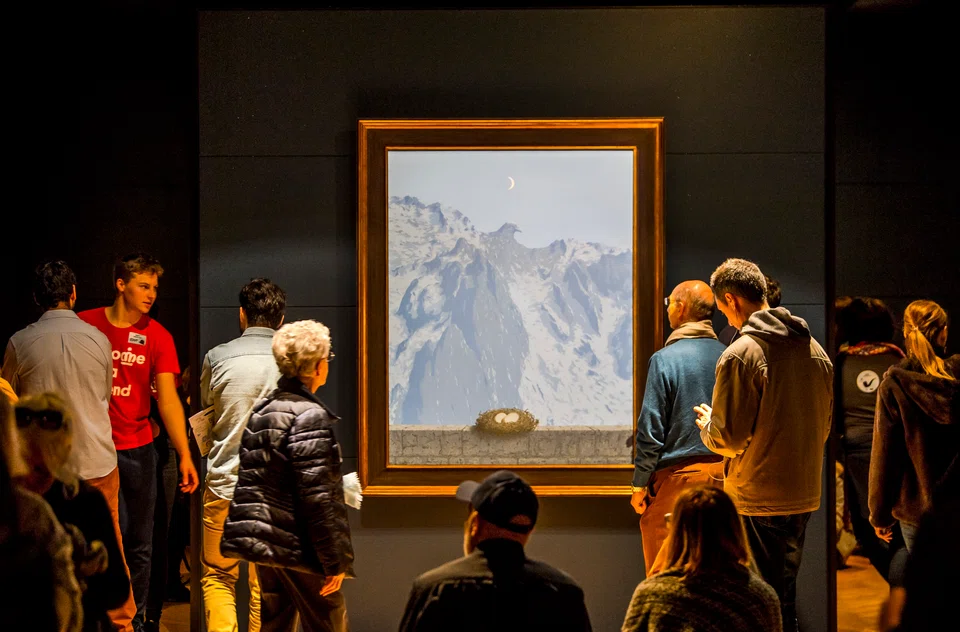
Start your journey in the capital Brussels, where more than 120 museums reflect just how integral art is to the city. (You can see this in its retail scene too, where seemingly every other shop is a quaint antiques store.) This year, the surrealism heavyweights Musee Magritte and Bozar Centre for Fine Arts – where the works of the surrealist Flemish painter James Ensor are on show till June – are the ones to visit: 2024 is the 100th anniversary of the movement that encouraged artists to express their unconscious mind. The genre has its roots in Paris, but it was in Belgium that it truly flourished because Belgian artists were the first to marry the surreal with everyday situations and objects – helping people to see, as the late poet Paul Nougé observed, that “there are no longer ordinary things”.
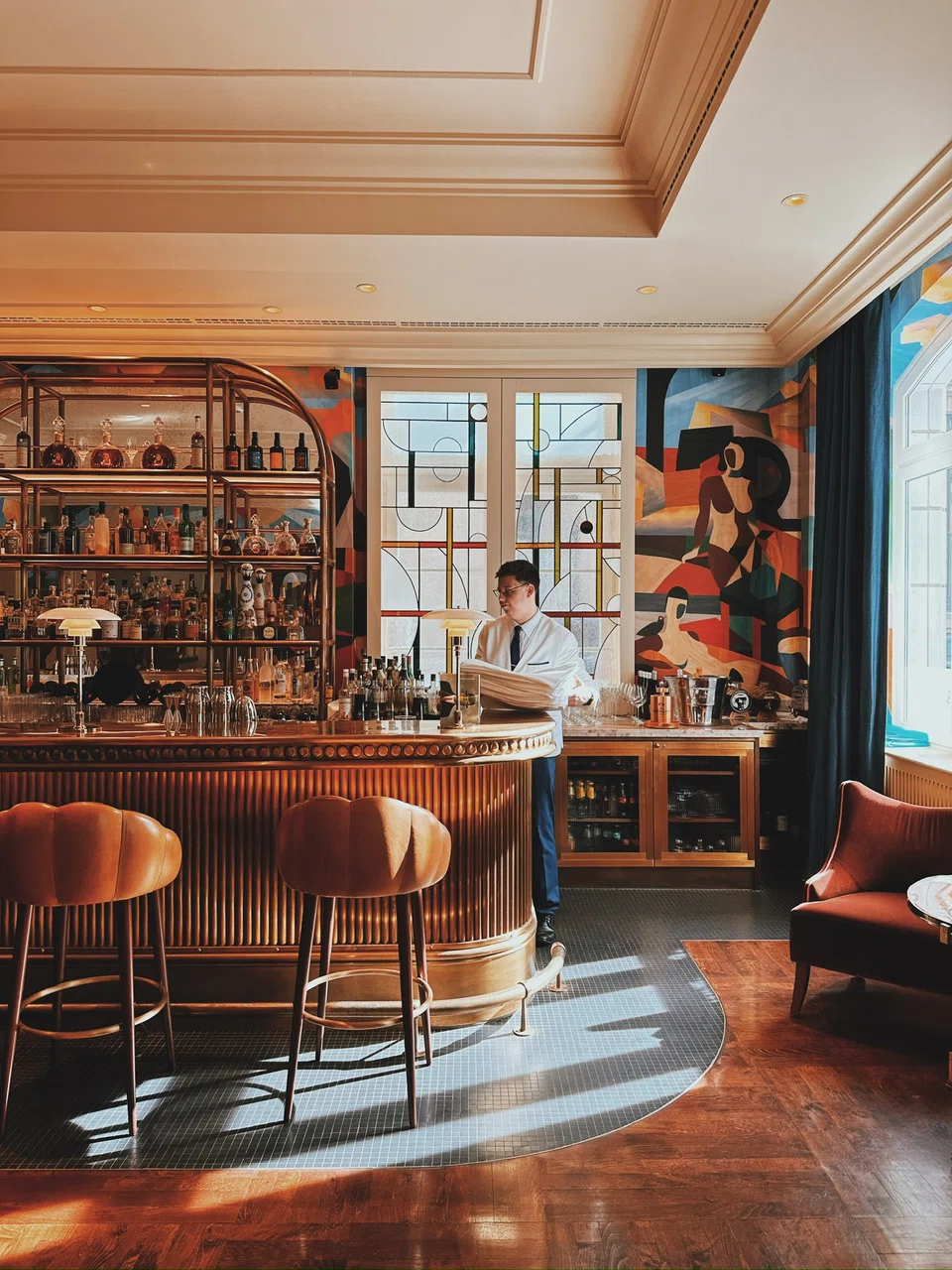
But you don’t have to visit a museum or a gallery to experience the surreal. At the Hotel Amigo, a five-star stay in the city centre, you can sip cocktail interpretations of famous Rene Magritte paintings in its stunning Bar Magritte, the world’s only bar dedicated to the Belgian surrealist artist. The most ingenious of these is the Battle of the Argonne, which in Magritte’s artwork is a showdown between a cloud and a large rock. Here, the drink arrives on a marble pedestal, into which is floated a dreamy white bubble that pops upon contact with the drink.
A very elegant rebellion
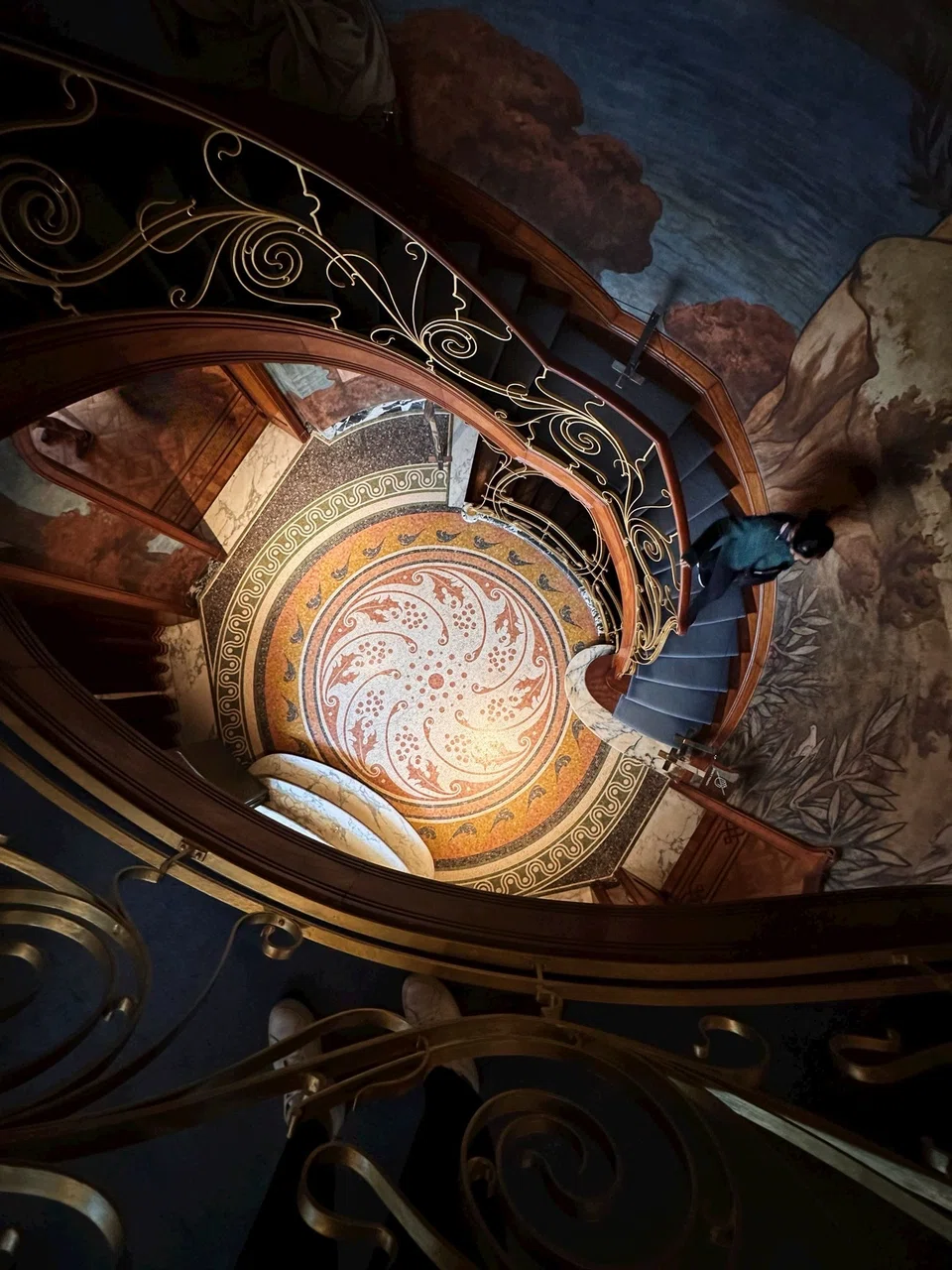
It was a characteristic Belgian rebellion that led the country’s architects to launch another movement: Art Nouveau, a design revolt distinguished by its sinuous lines and organic motifs. The style, pioneered by masters such as Paul Hankar and Victor Horta, emerged in Belgium in the early 1890s as a protest against the formal, historicist work of the 19th century.
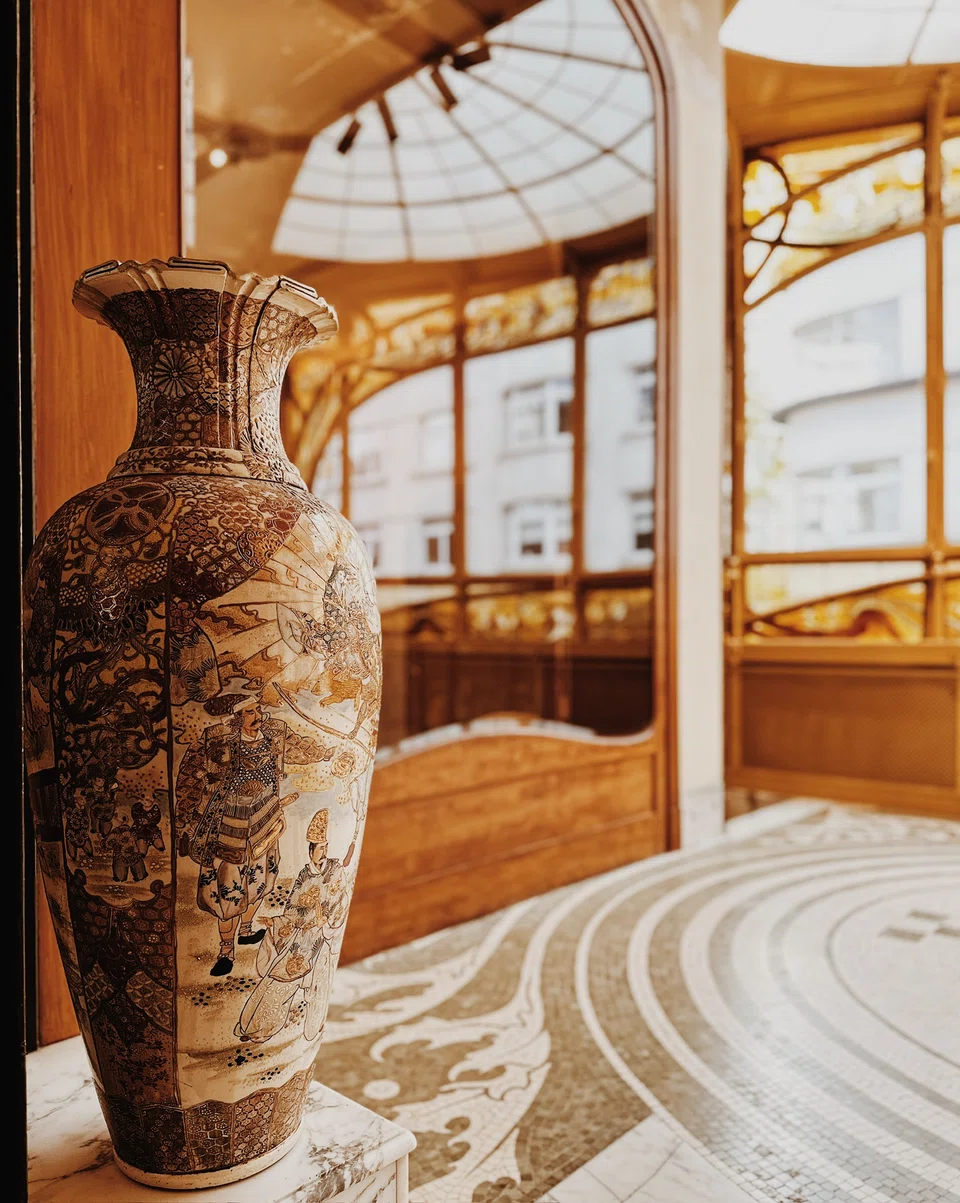
In Brussels, a visit to Maison Hannon is a must – this stunning, sunlit townhouse museum, designed by architect Leon Sneyers in 1902, is one of the earliest and most influential examples of Belgian Art Nouveau. Opened to the public last June following eight years of painstaking, partial restoration (there are still other areas to be renovated), it’s an ode to beauty inside and out.
SEE ALSO
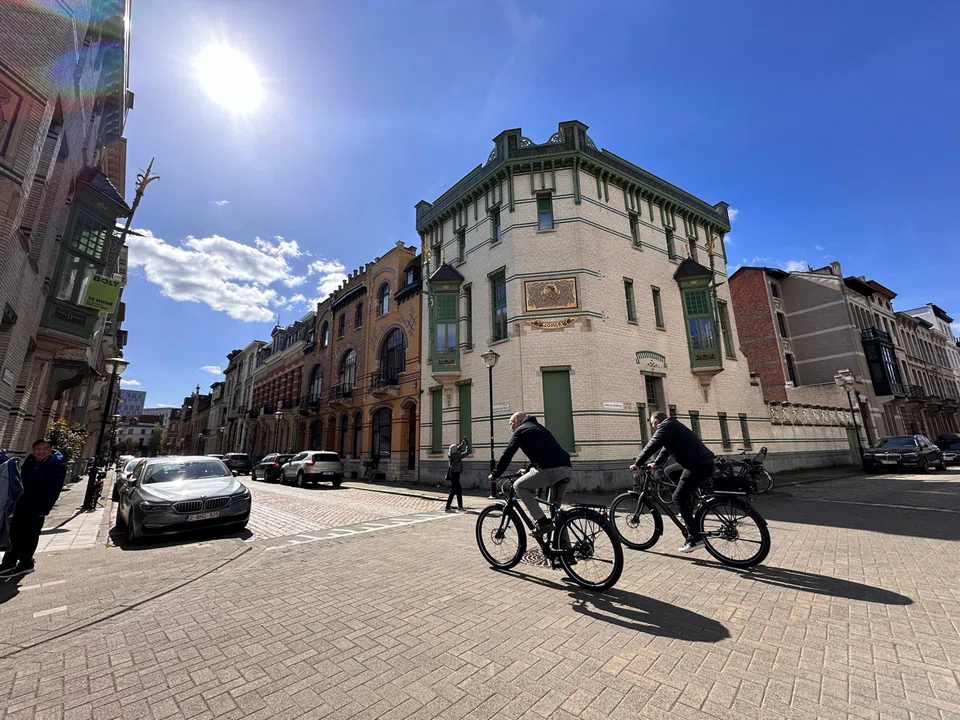
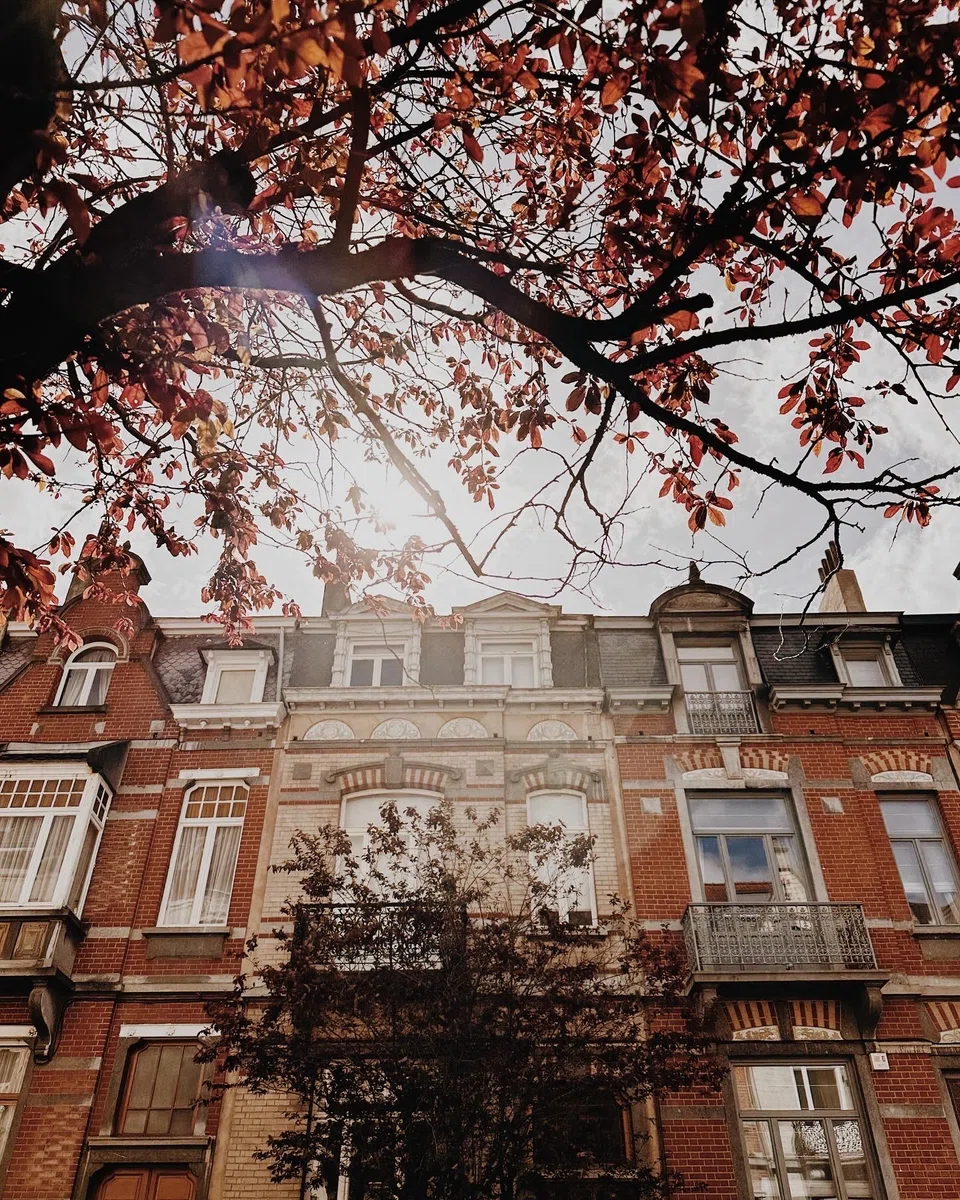
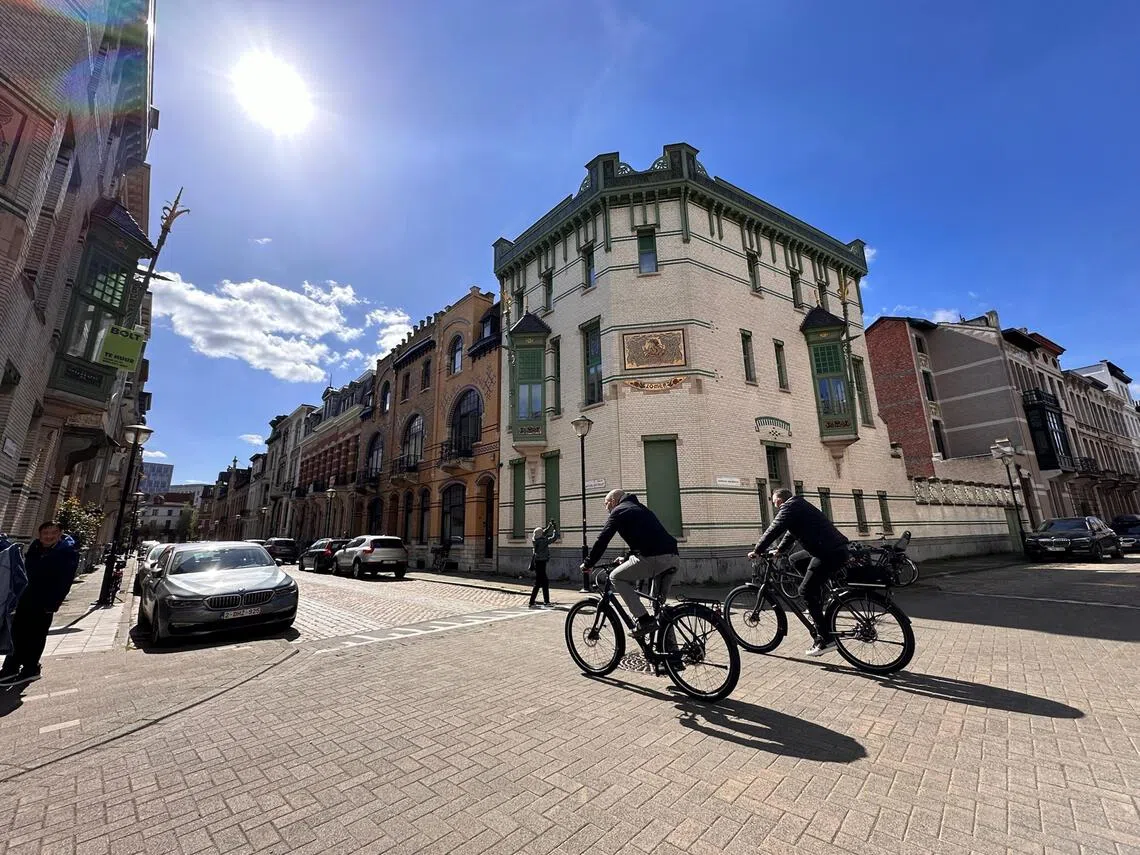
The capital isn’t the only place to take in the best of Art Nouveau architecture. In Antwerp, to the north of Brussels, the eye-opening neighbourhood of Zurenborg is packed shoulder to shoulder with fantastical, perfectly preserved Art Nouveau gems not unlike Tim Burton-inspired wedding cakes – each grander than the other; each telling its own story of a time when artistic experimentation and creative fervour were valued above all else.
Fashion revolution
To fashion fans, Antwerp may be more familiar as Belgium’s avant garde heart of fashion. Home to the renowned Royal Academy of Fine Arts, the city has consistently produced some of the most influential names of the modern era, from Martin Margiela and Raf Simons to the Antwerp Six – a group of progressive designers who made their mark on the global stage in the 1980s with their unconventional approach to fashion. While it’s astonishing that such a comparatively small country has birthed so much groundbreaking fashion, this is largely because its designers have had the freedom to rethink what fashion is because they aren’t tied to a particular heritage, unlike in France or Italy.
The best way to understand how far-reaching Belgium’s influence is on the fashion scene is to visit MoMu, a museum dedicated to contemporary fashion. Attached to the Royal Academy of Fine Arts, the compact but hard-hitting space has a permanent exhibition with the largest collection of Belgian labels in the world; one or two smaller, seasonal shows; and a unique shop that sells special fashion collaborations (we spotted limited edition leather clutches from Delvaux, also a Belgian house, along with cool sneakers from Japanese label Grounds).
Putting the old in a new light
Within its smaller cities, too, Belgium’s talent for artistically marrying old and new is on display. In ancient Ghent, modern art galleries and boutiques sit tucked among mediaeval buildings along cobblestoned streets, while street art like murals and installations playfully subvert the traditional aristocratic aesthetic.
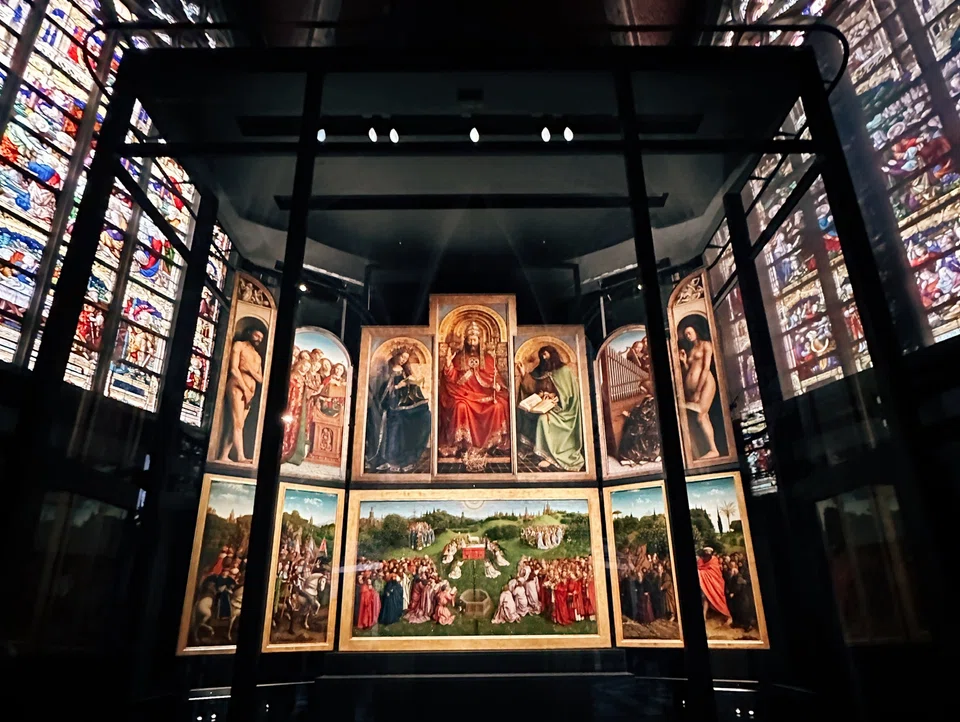
Still, the city’s most creative experience is in St Bavo’s Cathedral, home to the Adoration of the Mystic Lamb, an eerily realistic 15th century altarpiece restored in rich jewel hues that demonstrates Flemish Primitive painters’ mastery of detail. Before viewing the polyptych, you head into the basement for a virtual reality tour of how it was created – an incredibly immersive and future-forward experience.
Chocolate craft
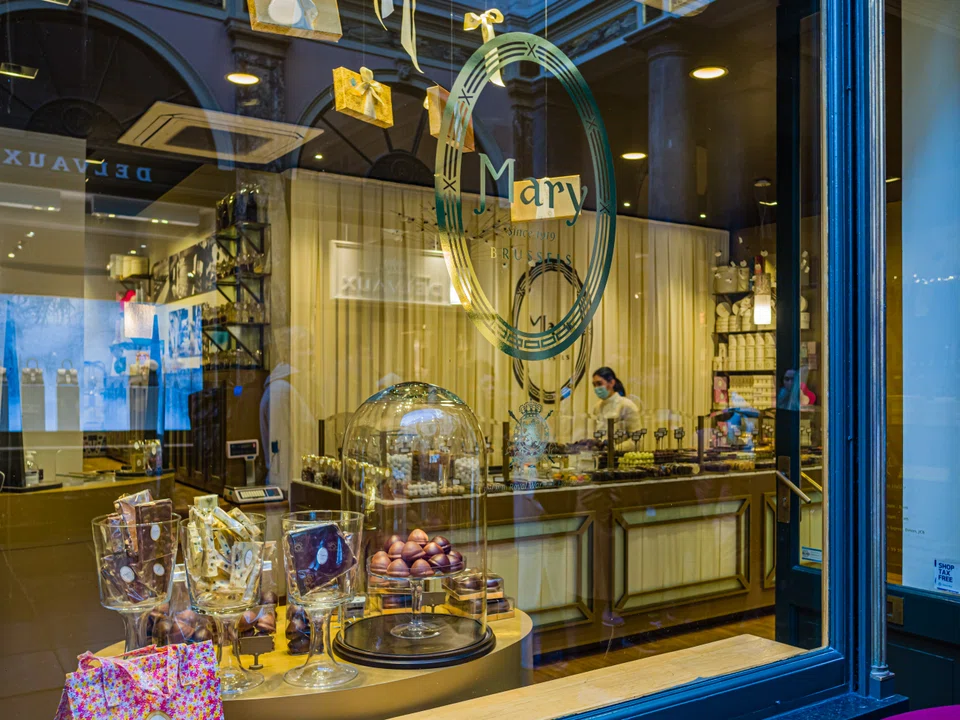
There’s no arguing that chocolate-making is an art – especially in Belgium, home of the refined praline. The question is, where to invest those calories amongst the myriad options? Neuhaus, founded in 1857, is the inventor of the praline, and known for classics made with traditional nougatine. For refined flavours (and the chicest packaging), head to Pierre Marcolini, the eponymous brand of the rockstar chocolatier, whose creations showcase rare cocoa blends and fashionable ingredients like pink peppercorn. Mary, a family-run business once dubbed by CNN as “one of the world’s happiest places”, is celebrated for its fresh, handmade pralines which you can handpick into gorgeous pastel-coloured boxes. And for those after something truly exclusive, there’s Laurent Gerbaud – the artisanal brand has only two boutiques, and offers seasonal pralines made with all-natural ingredients and a touch of Asian influence (the affable chocolatier spent some time in China, where he was influenced into creating chocolates that aren’t too sweet).
All about the funnies
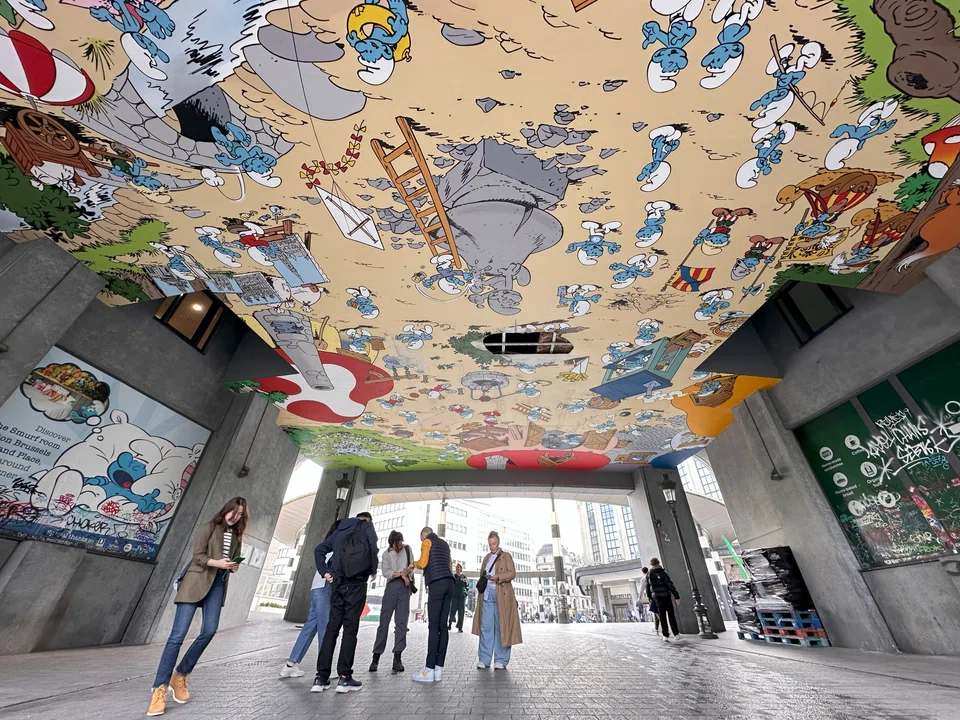
You can’t mention Belgium without acknowledging its world-famous comics and cartoons. Ask any Belgian what the most defining Belgian trait is, and chances are they’ll say it’s a sense of (often self-deprecating) humour. So it makes sense that a rich tradition of bande dessinee, or comic strip art, is embedded in Belgium’s artistic heritage, with characters like Tintin and the Smurfs capturing hearts around the world.
In Brussels, the Belgian Comic Strip Musuem, housed in a stunning Art Nouveau building, offers a deep dive into this lively art form. Here, you can wander through exhibits dedicated to local heroes like Herge’s intrepid reporter, and follow an interactive Comic Strip Trail to discover the city’s many mural tributes – more than a few hidden around corners and on ceilings – to these iconic characters.
Truly, Belgium’s soul is revealed through its art. As the Belgian artist Jan Fabre, known for his provocative and subversive works, once said: “We rule in the arts… Here we do not trust the law, the rule, the word. Here, the image guides us.”
Decoding Asia newsletter: your guide to navigating Asia in a new global order. Sign up here to get Decoding Asia newsletter. Delivered to your inbox. Free.
Share with us your feedback on BT's products and services
TRENDING NOW
Grab CEO’s wife Chloe Tong on life with Anthony Tan and finding her purpose
He built the Vingroup empire. Now South-east Asia’s richest man is handing some key roles to his sons
HDB reviewing ‘jumbo’ flat scheme after Telok Blangah unit listed for sale at S$2.18m
What role can Japan play in Asean’s future?