

Beauty titan L’Oreal banks on technology
A massive database and huge R&D investments propel its beauty tech
THE market for beauty may vary greatly from one country to another, and even within the same country. Yet, what every beauty consumer is seeking are solutions, and the biggest cosmetics company in the world believes the answers lie in technology, personalisation and sustainability.
“Technology has been very disruptive and has a very strong impact on all industries, including beauty,” says Vismay Sharma, L’Oreal’s president of its South Asia-Pacific, Middle East and North Africa zone.
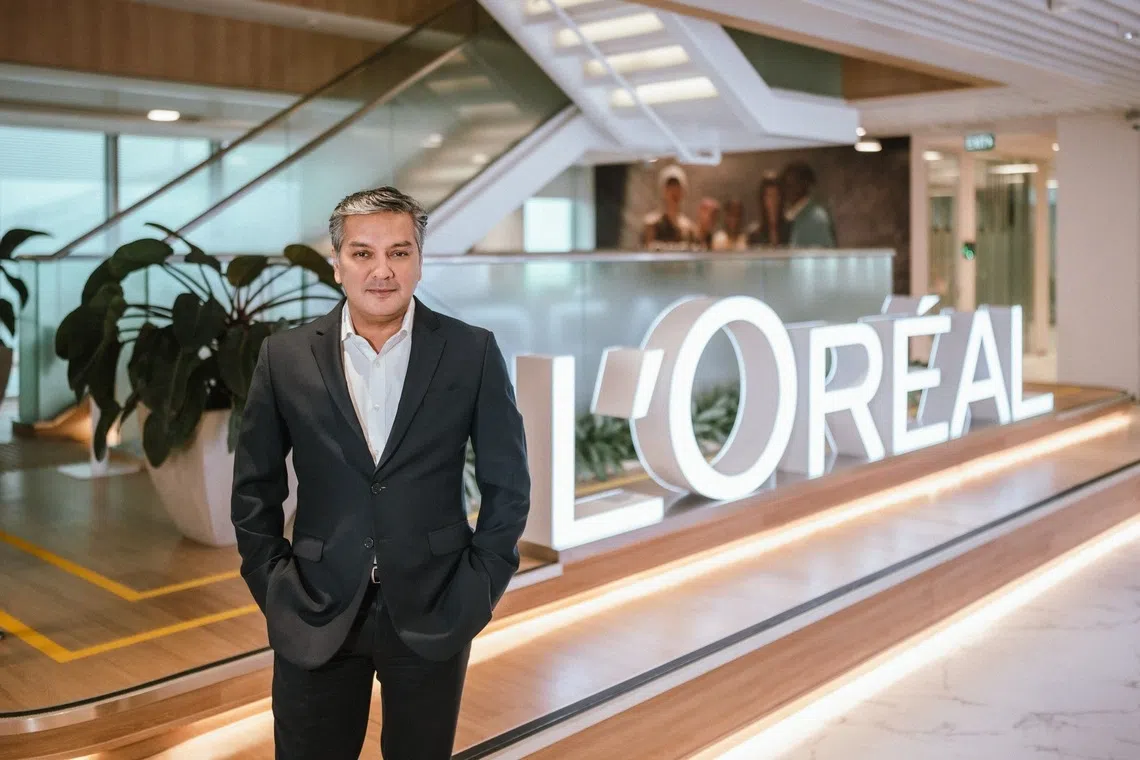
He was speaking to The Business Times at L’Oreal’s recent inaugural Singapore Showcase, where it exhibited some of its latest beauty tech innovations and announced a series of new initiatives with Singapore universities.
“We believe beauty and technology have to come together to create unparalleled experiences for consumers, to give them hyper-performance and personalised solutions.”
Thanks to its large customer base across 150 countries with 37 brands in the consumer products, professional products, luxury and dermalogical beauty divisions, the 115-year-old company has an enormous treasure trove of data to work with.
The data, amounting to over 10 petabytes (PB) – 1 PB is equal to one million gigabytes – is used to forecast demand and speed up development of new formulae via predictive formula evaluation and testing, says Sharma. Crucially, when it comes to beauty tech, it also allows L’Oreal to see how consumers interact with its brands so it can create customised content that is delivered on different platforms.

Some of its innovations showcased at the event include:
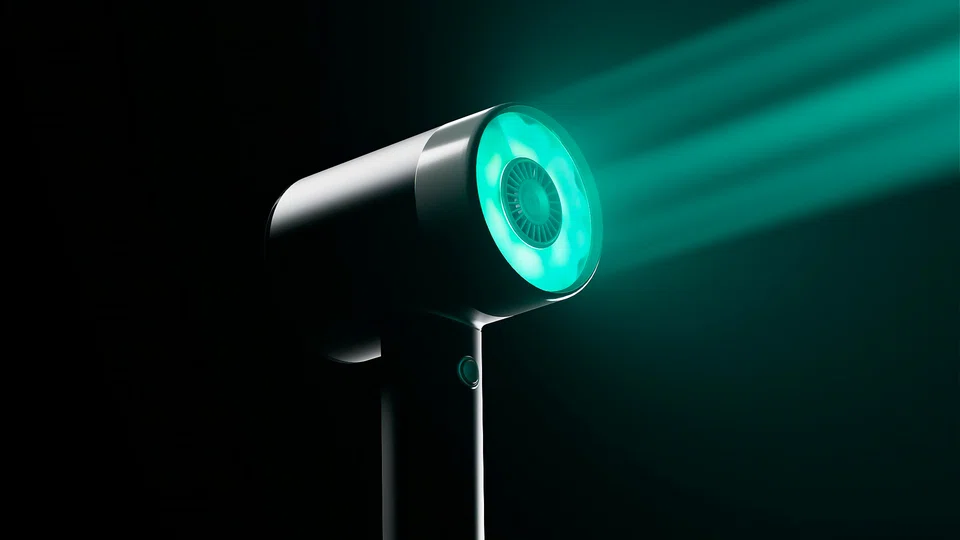
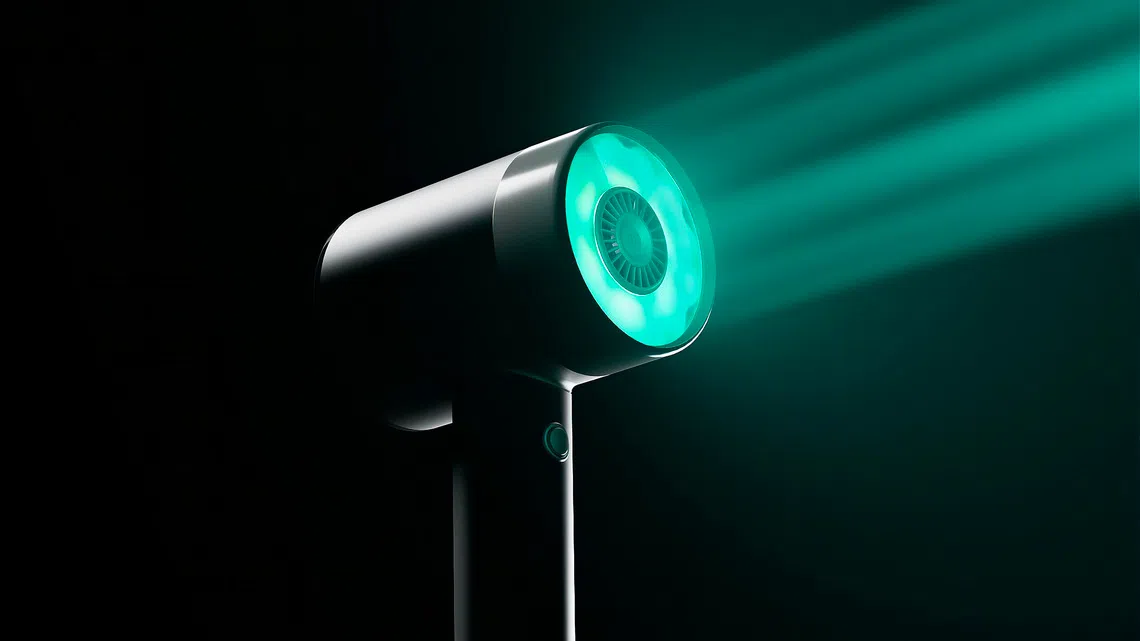
AirLight Pro – a professional-grade hair drying tool revealed at the consumer tech event, CES 2024, in January. It uses infrared light instead of heating coils to dry the hair, thereby reducing energy consumption by 31 per cent. Hair dries faster and retains more hydration. Currently under production, Sharma reckons it will hit the Singapore market in about a year or so.
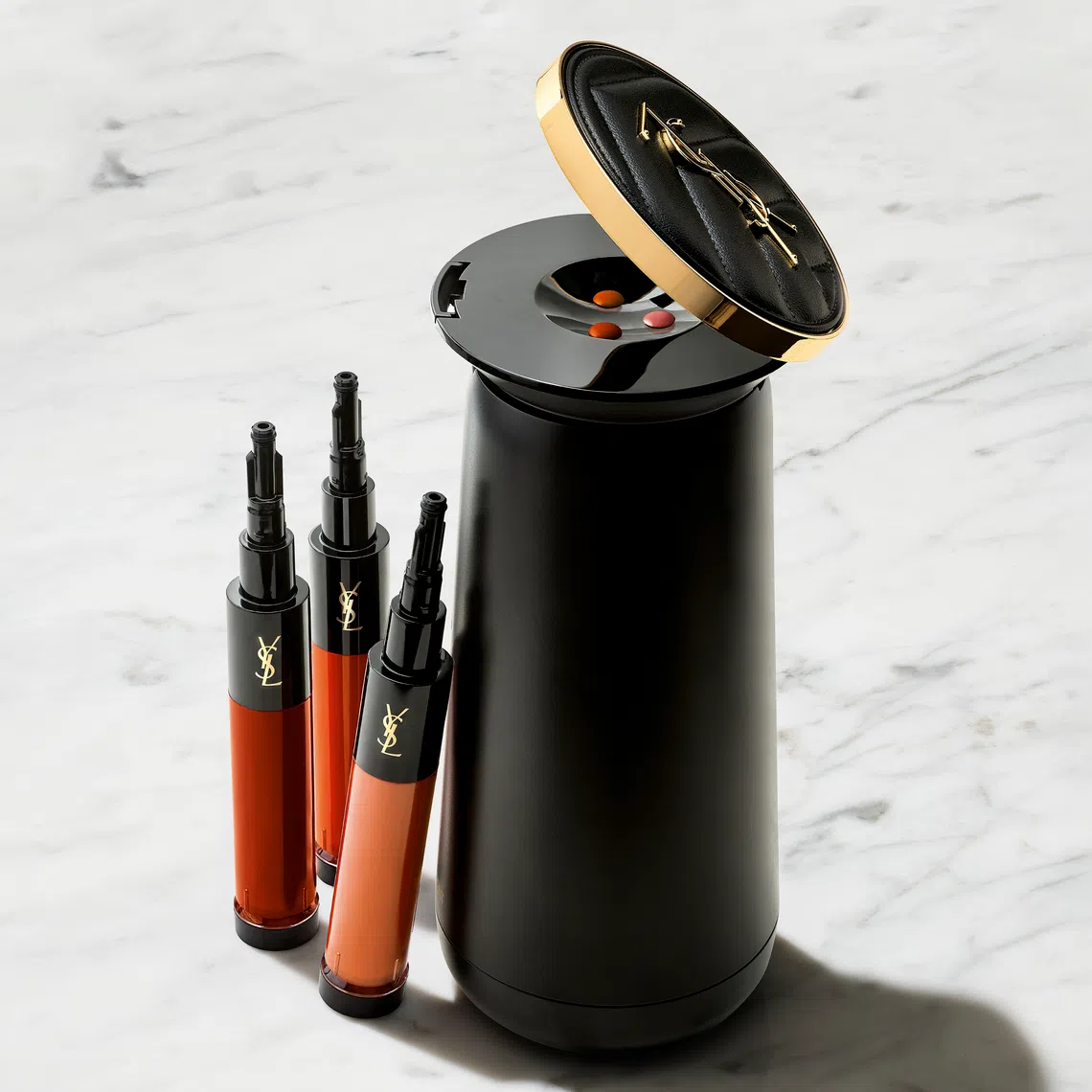
Yves Saint Laurent Beaute Rouge sur Mesure – akin to a lipstick printer, this is an artificial intelligence (AI) powered at-home device for lipstick shade personalisation.
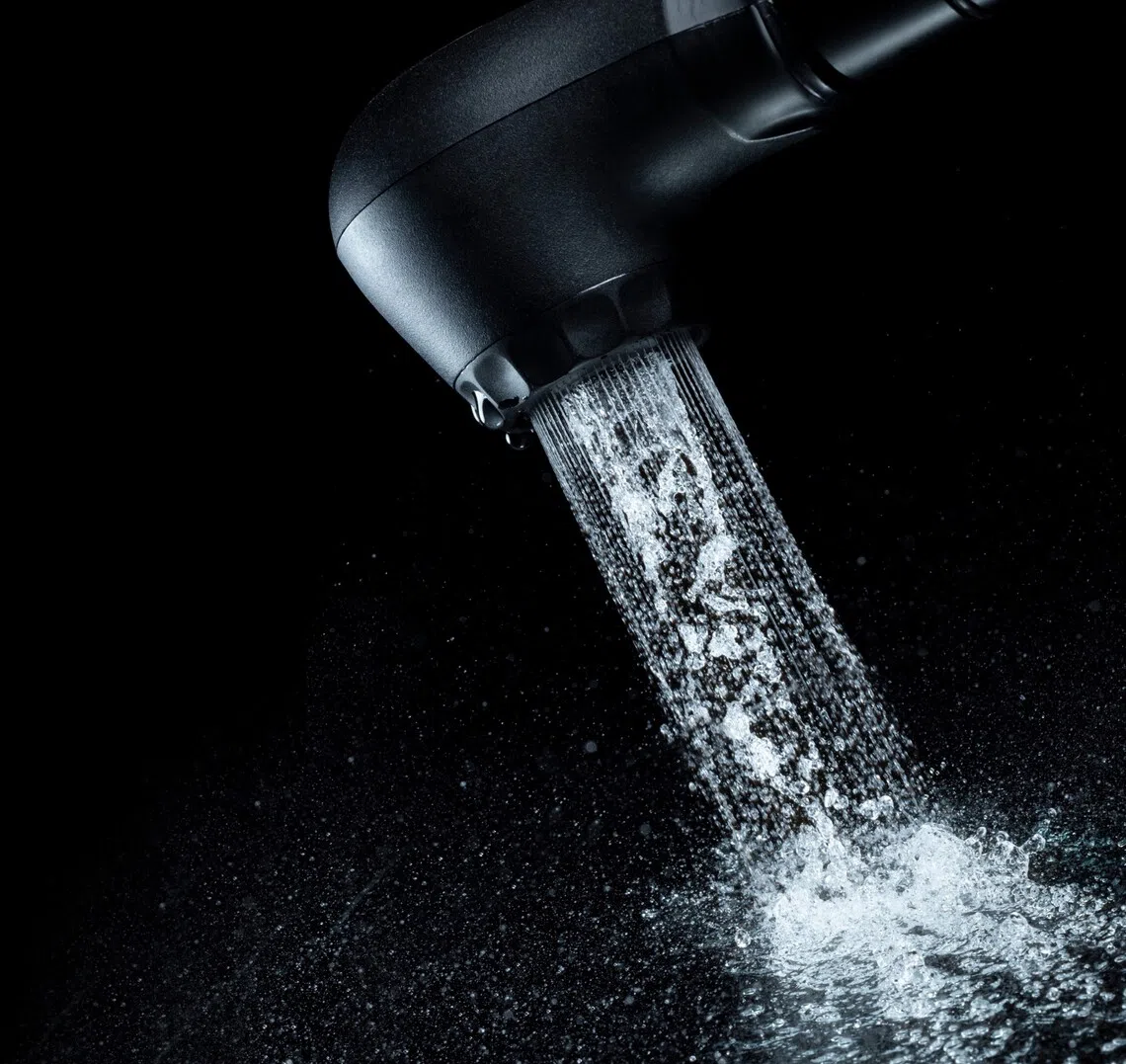
L’Oreal Professionnel’s Water Saver – a water-saving showerhead for professional salons that transforms water into micro globules and accelerates them for faster and more effective rinsing. Water consumption is reduced by up to 69 per cent.
In addition, it also revealed the L’Oreal Paris Beauty Genius at CES 2024. This is a phone app using AI technology fine-tuned with thousands of images to deliver beauty advice, skin diagnostics and personalised products. The app enables consumers to try recommended products virtually – from lipstick colours to hair care products – and is expected to be launched soon.
L’Oreal, which has 20 research centres across 11 countries and a team of more than 4,000 scientists, invests more than a billion euros (S$1.5 billion) annually in research and innovation.
Some of that money is also going into dermatological skincare, another trend in the beauty market. For instance, it announced in March the launch of a breakthrough anti-pigmentation molecule, Melasyl, which addresses localised pigmentation issues and intercepts pigmentation before it starts. The new, multi-patented ingredient took 18 years of research and is entering the market via its La Roche-Posay brand, under the company’s dermatological beauty division. It will also be included in future product launches by its L’Oreal Paris and Vichy brands.
On whether the luxury beauty market is saturated, Sharma is sanguine, pointing out that while new, cult brands regularly emerge, very few actually do very well. “And it’s usually because they may not have the technology, but are on the right trend,” he says.
The French cosmetics giant, which also owns brands including Lancome, Shu Uemura, Aesop, Kiehl’s, SkinCeuticals and Maybelline, recently reported sales of 11.24 billion euros – a consensus-beating 8.3 per cent rise – for its first quarter ending Mar 31.
Decoding Asia newsletter: your guide to navigating Asia in a new global order. Sign up here to get Decoding Asia newsletter. Delivered to your inbox. Free.
Copyright SPH Media. All rights reserved.
TRENDING NOW
China recruited exec at Singapore data centre firm to spy on Nvidia CEO Jensen Huang: US intelligence
DBS, OCBC, UOB’s big sell-off: Was it their Q3 numbers or a broader market de-rating?

Could Japan trigger the next global financial crisis?

Philippines’ FDI slowdown exposes uneven investment prospects across S-E Asia

