

Creating Maldivian memories
The refreshed Conrad Maldives Rangali Island welcomes visitors back with new experiences

WE WERE out on a speedboat in the South Ari Atoll in the Maldives, bobbing on the water after a bumpy 45-minute ride. It had rained on our way here, and it looked like the chances of spotting whale sharks — what we were suffering sea sickness for — would be slim.
But the skies suddenly cleared, and our captain spotted a dark shadow under the water. Our guide, marine biologist Nathalia Samper, called out excitedly: “Everyone, get ready to jump into the water.”
We plunged into the warm waters. It had been over two years since we snorkelled, and seeing marine life up close was welcoming.
We looked down to see colourful fish darting in and out of the coral, and then we saw it — a whale shark, with its distinctive spots, swimming about 8 m below us. The largest known fish species, which can grow up to 18 m long, moved fast and the group of us swam after it. But soon it glided deeper down, and we lost sight of it.
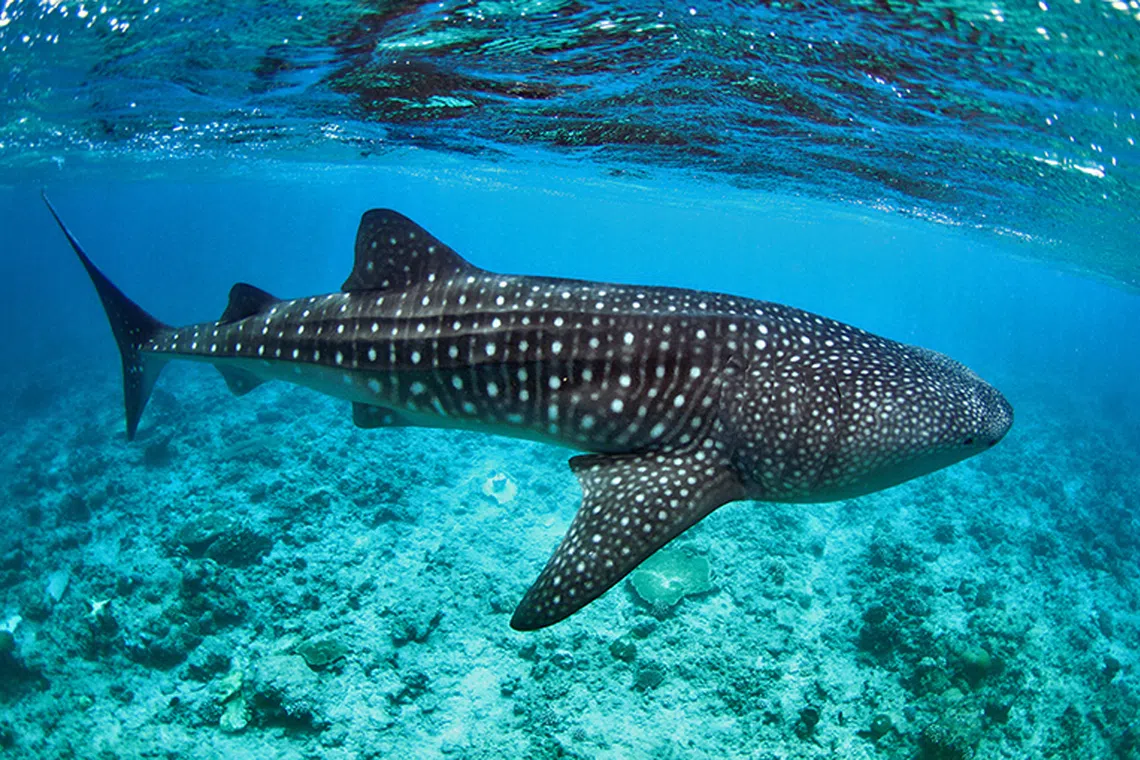
Whale sharks are filter feeders and their diet consists of krill, plankton and small fish. Even though they cannot swallow humans, we were told to maintain a distance from them.
The South Ari Atoll is famed for its near-daily whale shark sightings. November and December are the best months to visit, when the sea is calm and visibility is good, but that also means jostling with over 100 snorkelers in the water.
With the high chance of swimming with whale sharks and spotting manta rays, it is no wonder that the whale shark tour is one of the top reasons guests choose to stay at the Conrad Maldives Rangali Island.
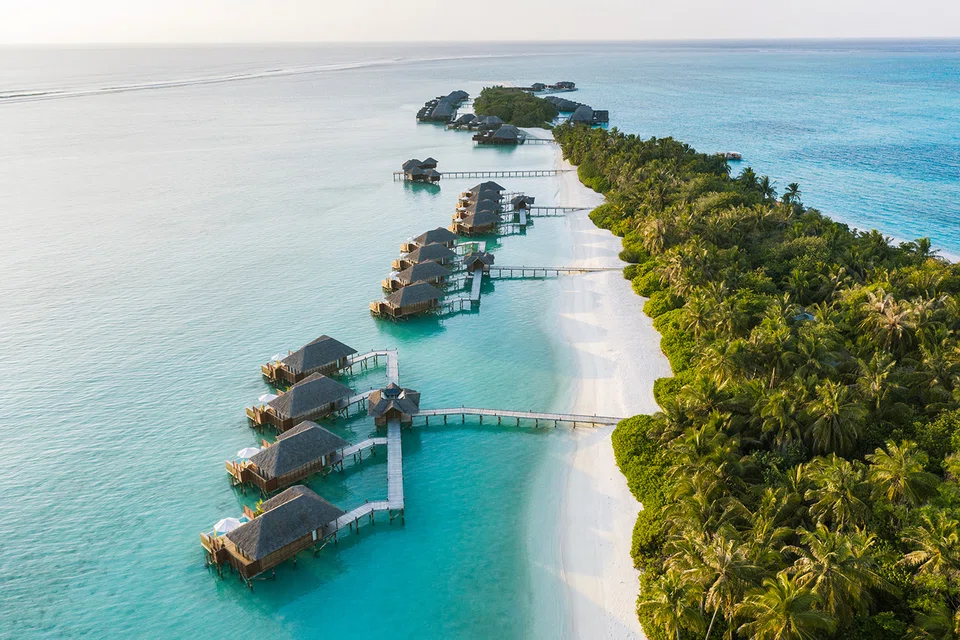
Although the waters are crowded during peak season, the resort’s 151 villas and suites, spread across 2 islands, still give guests a measure of privacy.
A refreshed resort

Located a 30-minute seaplane ride from Male, Conrad Maldives Rangali Island prides itself as the “Island of Firsts”. It was the first international resort brand to arrive in the Maldives 25 years ago, the first resort to offer an underwater bedroom, the first to have an underwater restaurant, and the first twin-island resort.
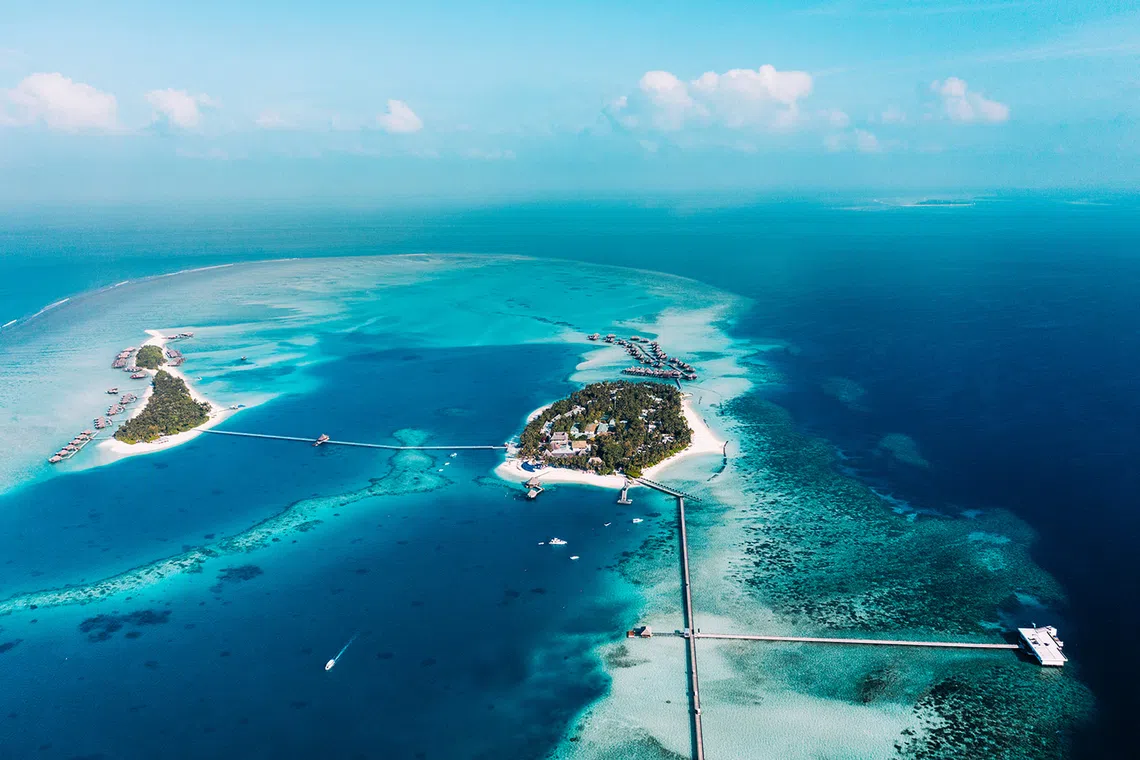
Guests either stay on Rangali-Finolhu Island, which is more suited for families, or on the adults-only Rangali Island. The two islands are connected by 500 m bridge.
Rangali-Finolhu offers beach or water villas, but Rangali has only water villas.
While much of the world was in lockdown over the past 2 years, the Conrad Maldives was closed only for a few months in 2020. Renovations started in 2019 and were completed earlier this year. And as more international travels have resumed, the resort is all set to welcome back guests.
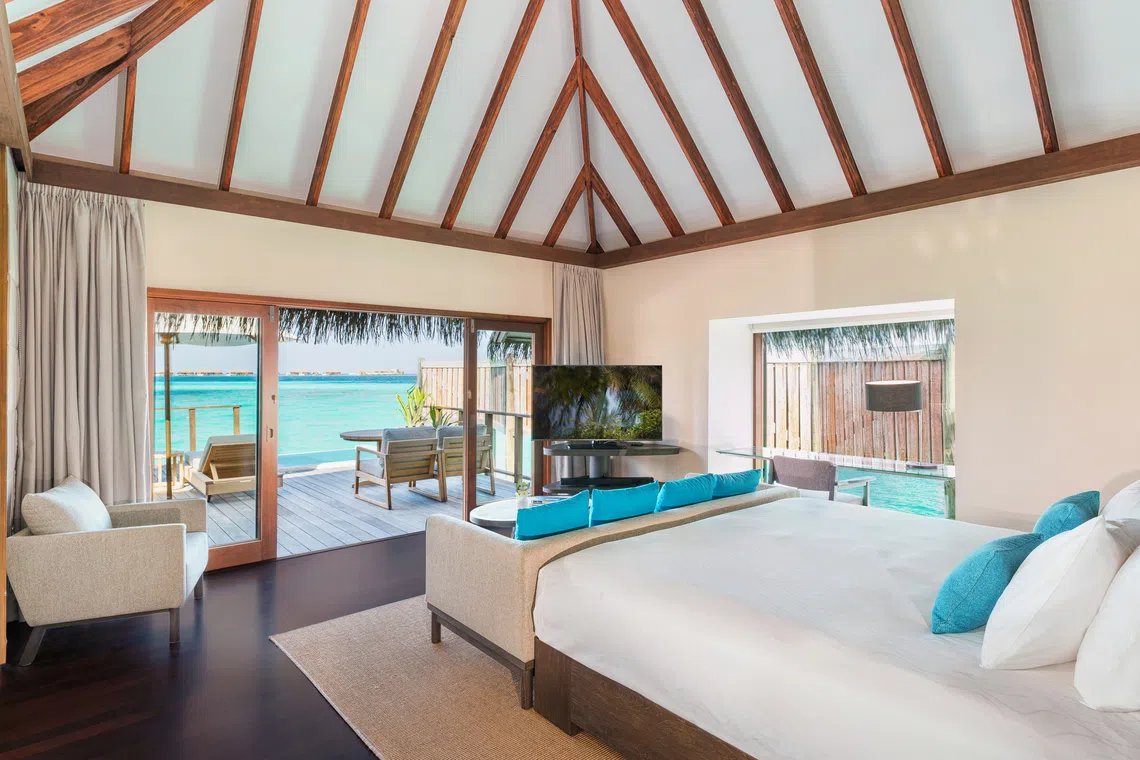
As part of the rejuvenation of the resort, the 50 water villas on Rangali Island were fitted with new interiors. Full-height glass doors create that seamless indoor-outdoors experience and give guests easy access to their private sun deck and the sea. The villas each come with a small pool, perfect for enjoying a “floating breakfast”, in which the meal is served on a tray floating on the water.

Carla Puverel, the resort’s general manager, said that guests nowadays spend more during their stay at the hotel than they did pre-pandemic. “We have guests who upgrade their villas midway during their stay, because they enjoy being in a larger space,” she says.
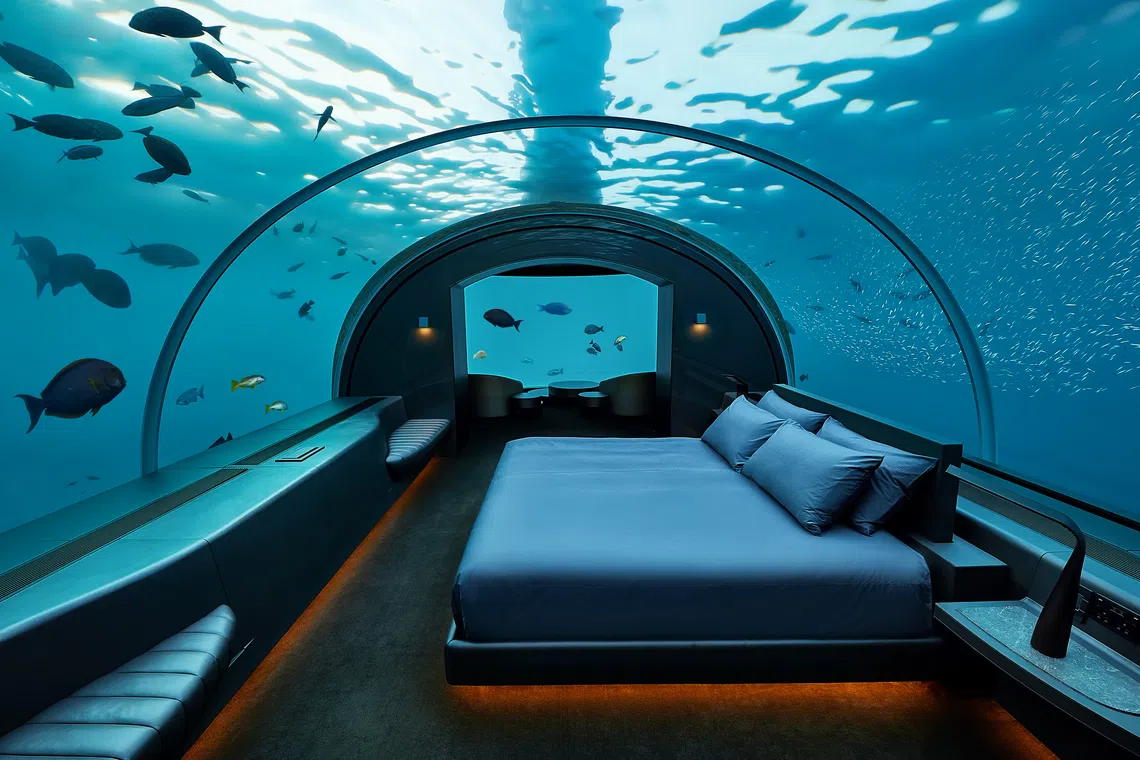
The ultimate stay would be at The Muraka, a two-level residence with its master bedroom located about 5 m below sea level and a tunnel as a viewing theatre. We would have liked a tour of the residence, but back-to-back bookings didn’t allow for it. Unlimited dining options
Nils-Arne Schroeder, vice-president of luxury and lifestyle at Hilton, Asia-Pacific, has identified several trends amid a return by guests.
They want to experience the destination when they travel,” says Schroeder, who oversees Waldorf Astoria Hotels & Resorts, LXR Hotels & Resorts and Conrad Hotels & Resorts, as well as lifestyle brand Canopy by Hilton.
“Culinary offerings are one way guests experience a destination,” he adds. At the Conrad Maldives, guests have no shortage of dining options, with 12 restaurants to choose from. Some of these restaurants have been given new interiors under the refurbishment exercise.
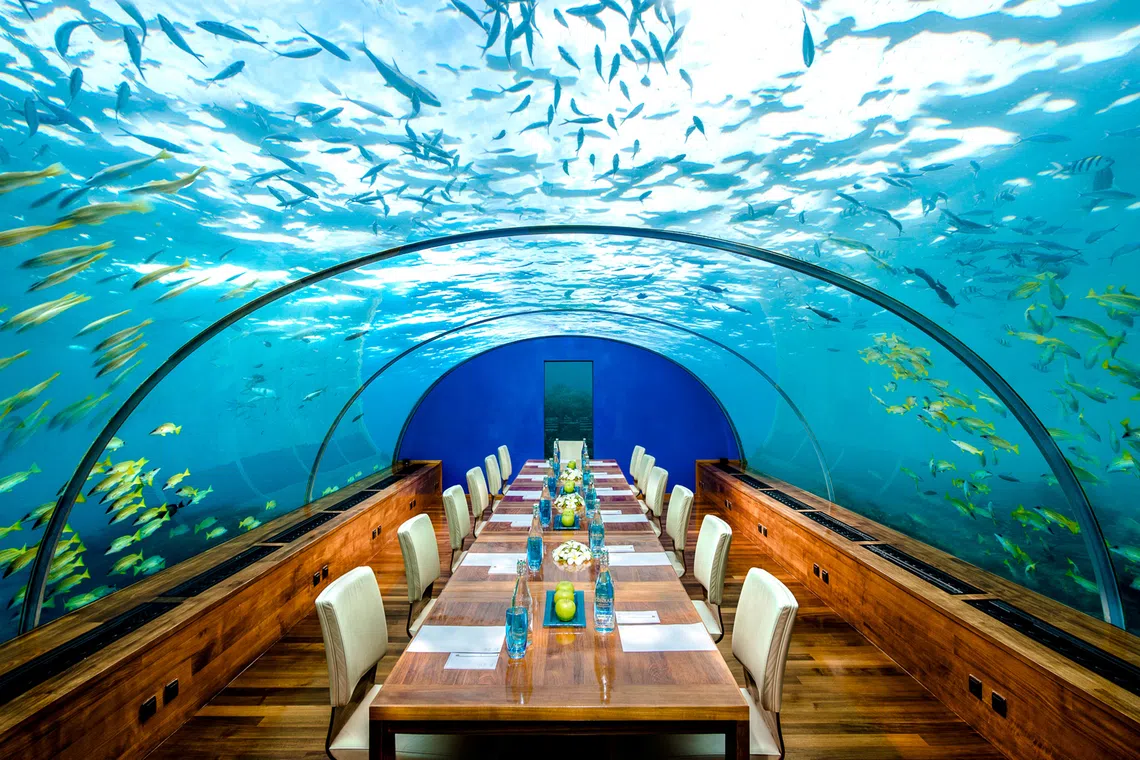
Top of the dining list would be Ithaa, the underwater restaurant that sits 5 m below the surface of the Indian Ocean. Black-tipped sharks and other fish swim above, but no, they don’t make it to the menu. The Maldivian lobster tortellini there was delicious.
On the culinary front, The Conrad Maldives has several firsts. It is the first in the Maldives to have an authentic Chinese restaurant with celebrity chef, Jereme Leung, at the helm.
He wasn’t at the resort when we visited, but the head chef, who hails from Singapore, assured us we would be fed some proper Chinese food. We heard the hotpots are popular, even if they seem an unconventional choice for beach dining. The Peking duck that we had rivals those served in restaurants on Orchard Road.
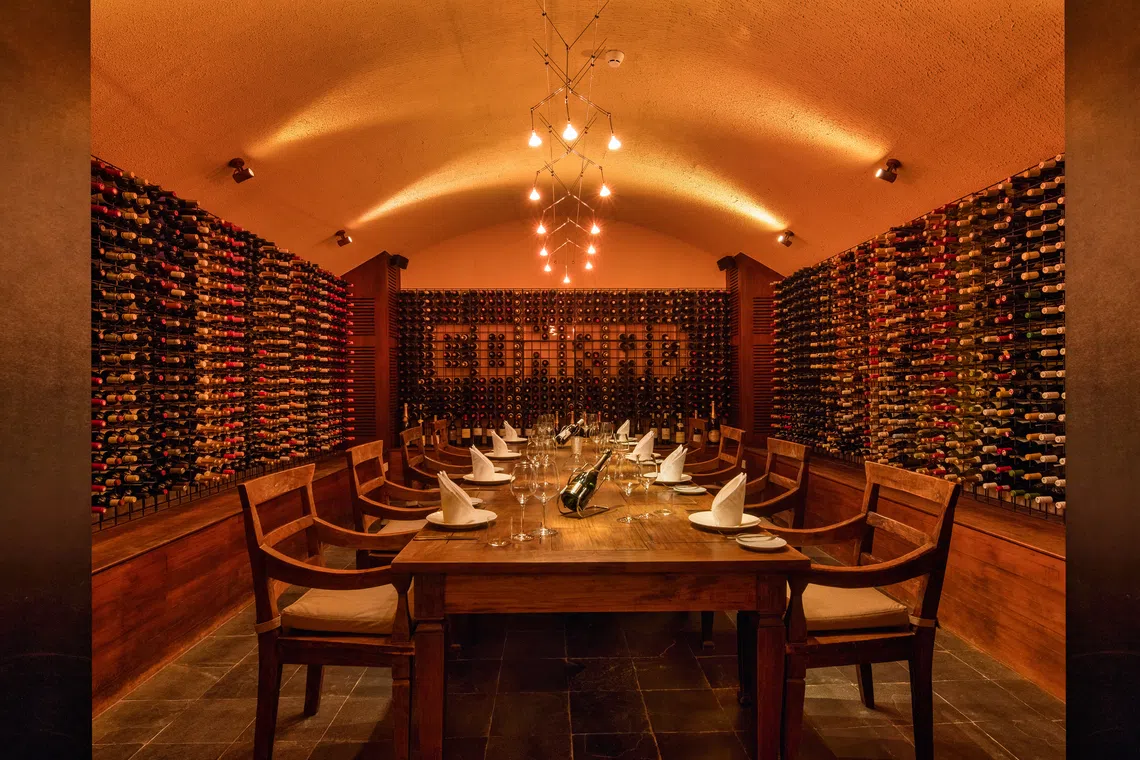
Guests in the mood for wine — and who isn’t while on holiday? — should check out the underground wine cellar, again, one of the first in the Maldives. Built 2 m underground, it offers 15,000 bottles and 800 labels. The space can be booked for wine tastings and wine-pairing dinners.
Keeping up with guests
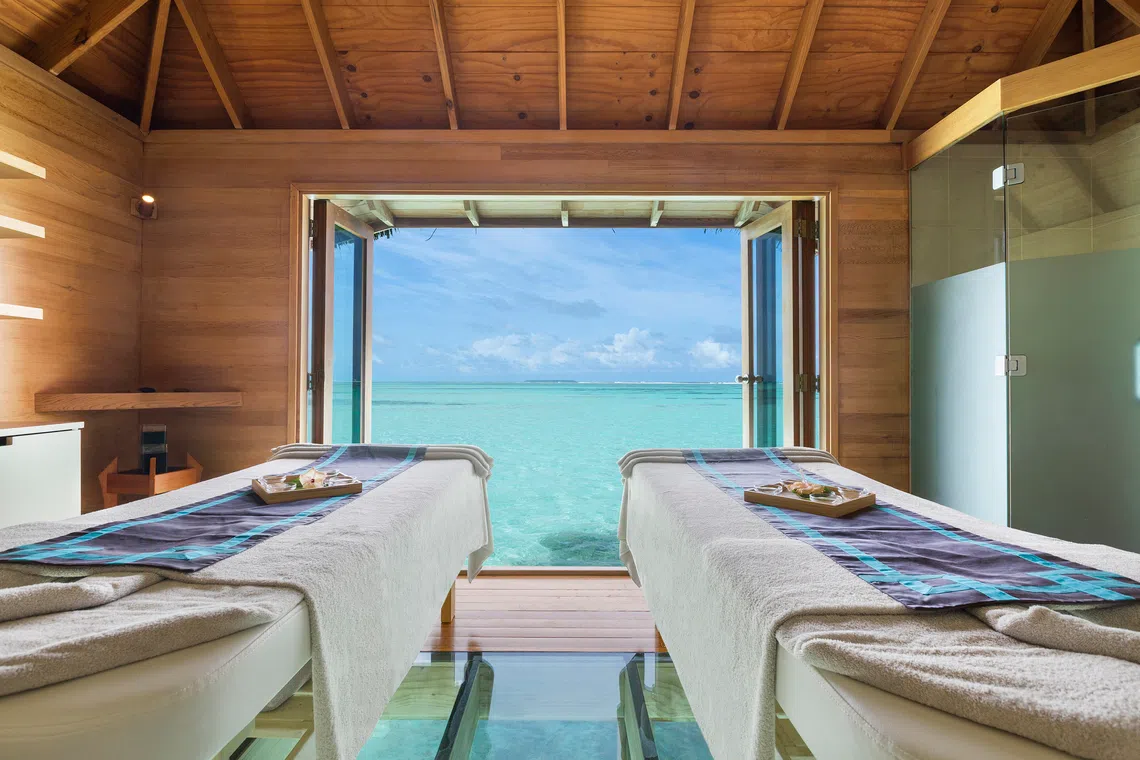
Wellness is another area of focus for guests, says Schroder. A spa session is a must, and the best place to enjoy a massage is at the Over Water Spa on Rangali Island, where the treatment rooms have glass-covered floors. The treatments incorporate the use of gemstones with essential oils to revive weary travellers.
As with many resorts, sustainability is a big focus here too. “Previously, luxury was about brands, but guests now see that luxury is about sustainability,” says Schroder. Gone are the days when branded bottled water was the norm; these days, guests are happy with water from local sources. The resort is also careful about where it sources its food from and how much gets put on the buffet line to cut down wastage.
Being sustainable doesn’t just happen at the resort, but also at its house reef. A large percentage of the corals in the Maldives have been bleached by El Nino, a weather phenomenon marked by unusually warm ocean temperatures.
Since 2017, the resort has been running a coral regeneration programme, where live coral is planted on coral lines; once these have grown bigger, they are planted in the house reef.
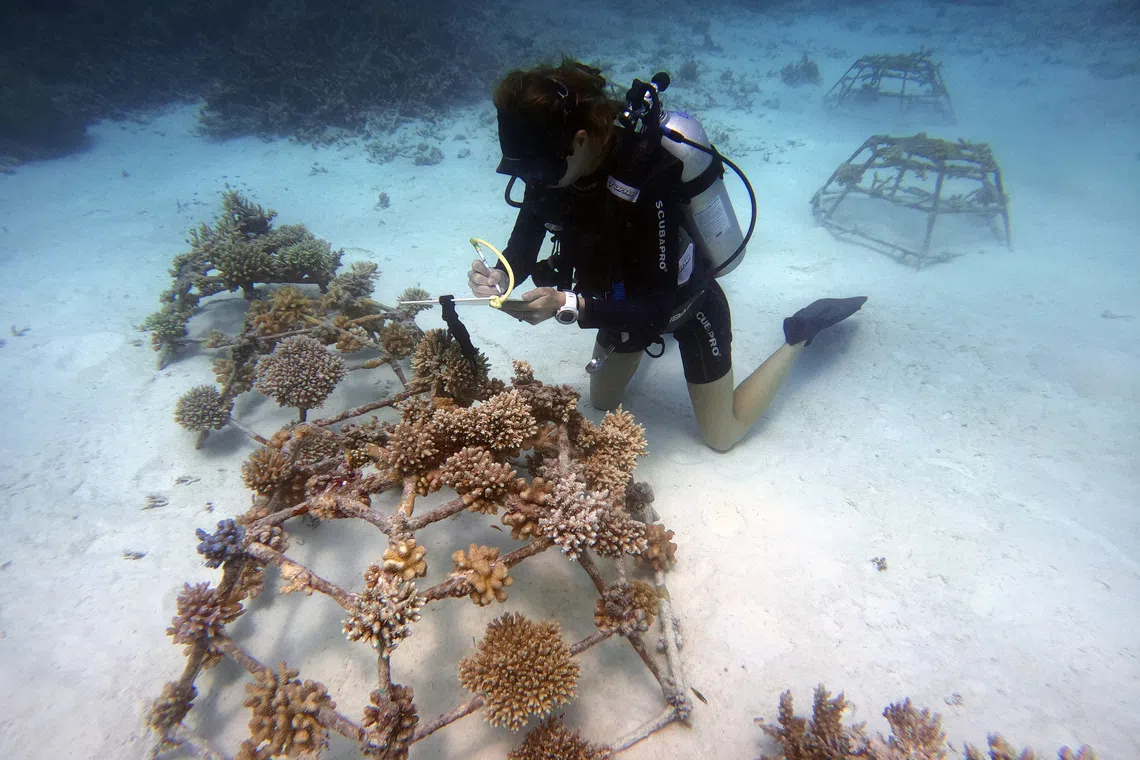
Guests can adopt corals and join marine biologist Samper as she plants them on the coral lines. She gives 6-monthly updates and photographs of the corals’ growth. “We do hope to have more guests participate in this,” she says.
With over 150 resorts to choose from in the Maldives, it is heartening to hear that more than 40 per cent of the resort’s guests are repeat customers.
Puverel credits this to the attentiveness of the staff, some of whom have been with the resort from the start. “Our team members are able to give that personalised experience and the resort is constantly staying relevant to what our guests want,” she says.
The writer was a guest of Conrad Maldives Rangali Island.
Decoding Asia newsletter: your guide to navigating Asia in a new global order. Sign up here to get Decoding Asia newsletter. Delivered to your inbox. Free.
Copyright SPH Media. All rights reserved.






