

Diabetic Singaporeans not managing the disease as well as they think
A new survey shows a greater need for education about the impact of food, medication and exercise for these patients
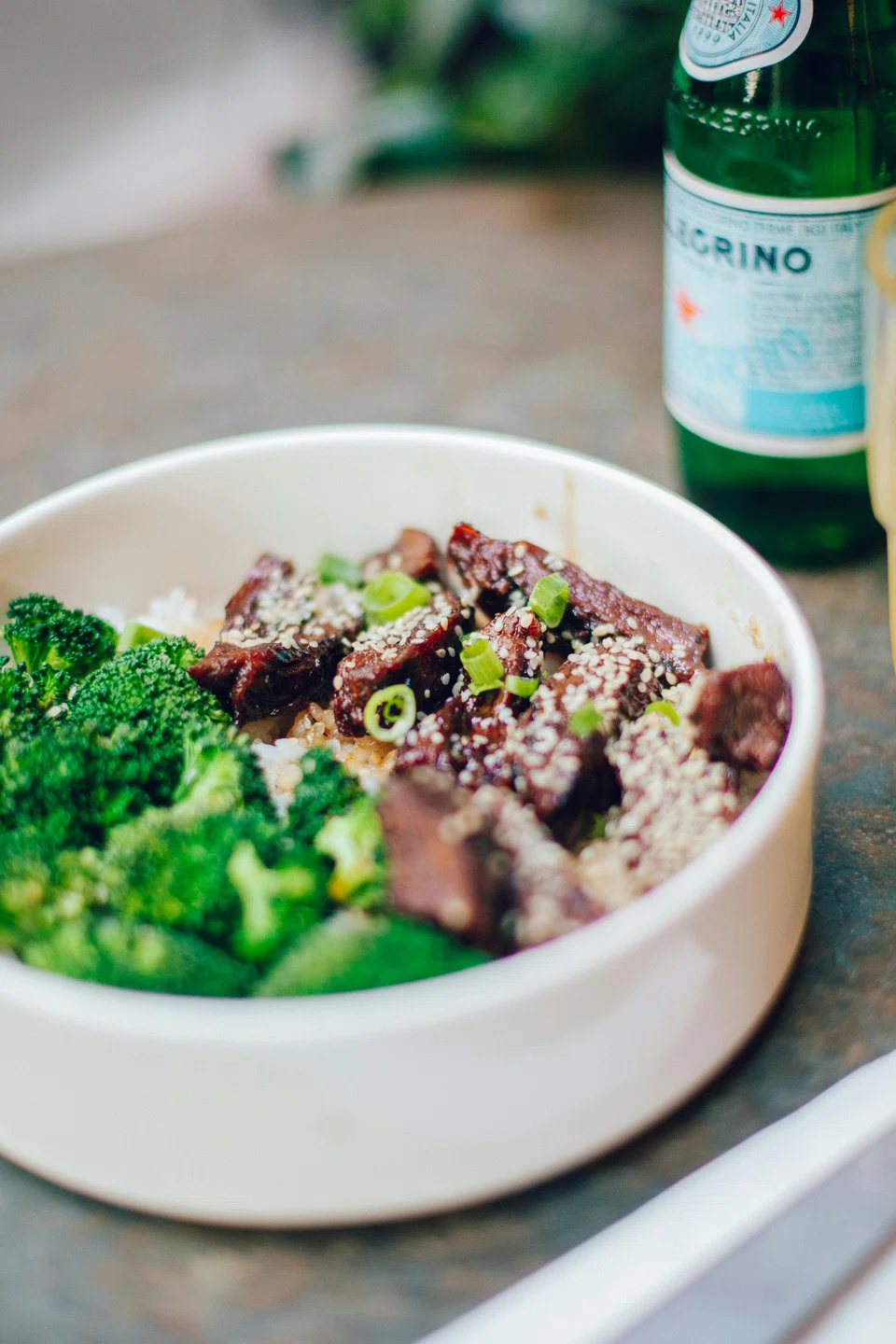
A WORRYING gap exists between how diabetic Singaporeans think they manage their condition and their actual management of diet, medication and exercise.
While almost 65 per cent of respondents in a recent survey said they are managing diabetes “well”, 60 per cent of them have blood sugar levels above 7 per cent, which is associated with a higher risk for developing diabetes complications.
And nearly all (97 per cent) who say they manage diabetes well report taking their medication regularly.
The YouGov online survey of 352 diabetic Singaporean adult men and women was commissioned by healthcare company Abbott, and carried out from late August to early September.
While nine in 10 respondents identified food as the most impactful factor on blood sugar levels, more than half (51 per cent) do not monitor their glucose levels at home, either because it is inconvenient or because they do not think it is necessary.
Since their diagnosis, three-quarters (74 per cent) of the respondents said they have cut down on sweets and beverages, but only about four in 10 did something about the impact of glucose from other foods. Less than half reduced their consumption of carbohydrates (46 per cent) and processed food (43 per cent), or ate more protein-rich foods (30 per cent).
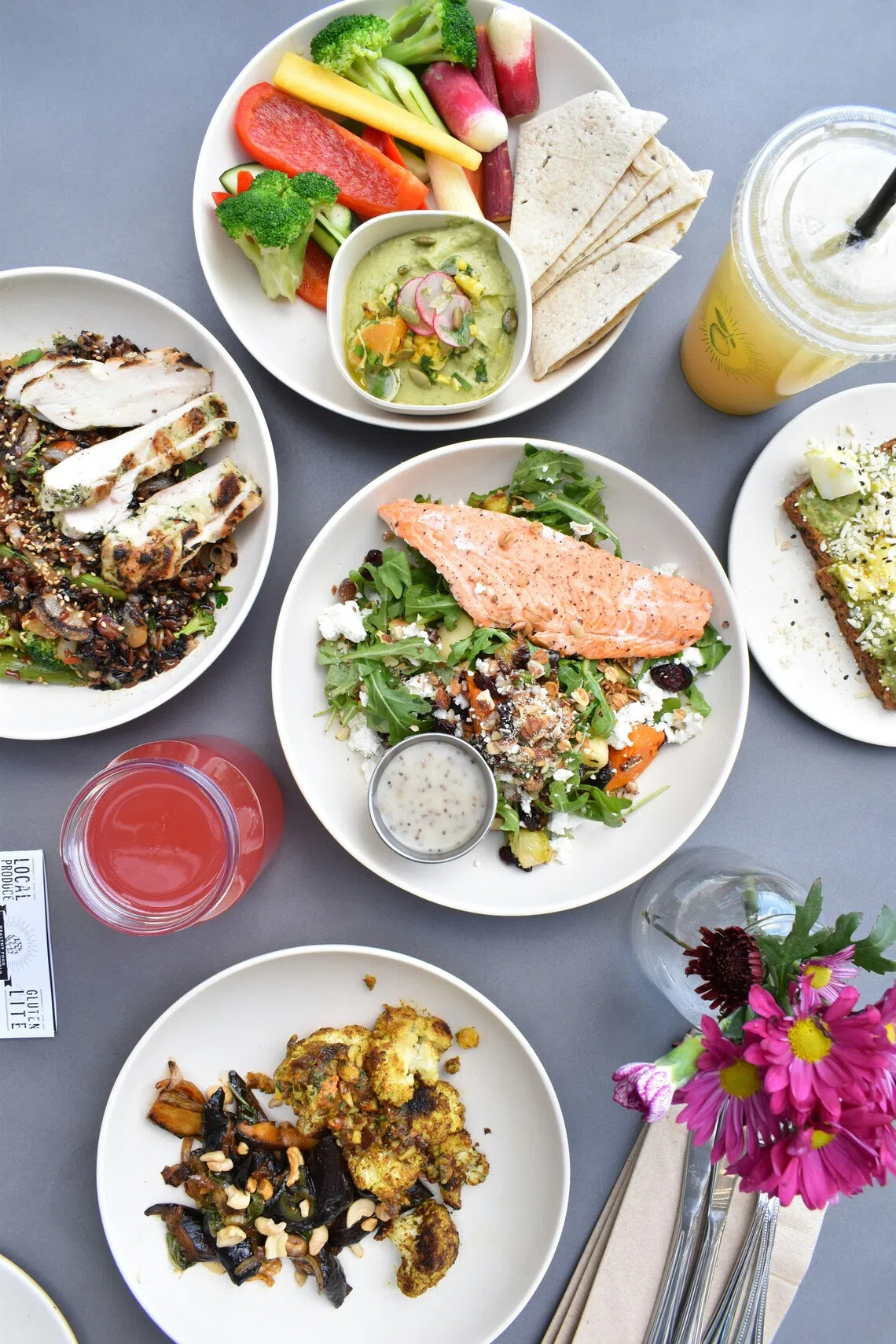
Blood sugar levels rise faster with the consumption of carbohydrates and highly processed foods, and does not spike with the consumption of protein-rich foods.
The survey also showed a lack of awareness of the importance of portion control on blood sugar levels. Only one in 10 respondents say they focus on this aspect of their diet.
When it comes to exercise, close to eight in 10 do less than the recommended 150 minutes of moderate intensity activity a week. The average length of activity is 95 minutes a week, with half saying they exercise on three days or fewer.

Given that diet, physical activity, medication and monitoring are key to diabetes management, the survey shows a need for greater awareness and education, as sustained high blood-sugar levels can lead to complications such as heart and kidney disease and nerve damage.
In light of the coming festive (and feasting) season, Jaclyn Reutens, dietitian at Aptima Nutrition, says that apart from reducing sweets and sugar consumption, diabetics should limit their intake of saturated fat, as it increases insulin resistance.
Saturated fat is found in butter, cream, coconut oil, curries and sauces that use coconut milk; fatty meats like ribeye steaks and pork belly; highly processed meats like ham, pepperoni, sausages and nuggets; and battered and deep-fried foods.
Diabetics should also increase dietary fibre intake, because fibre improves glycemic control (the maintenance of blood sugar levels within a desirable range) and helps with weight loss. Dietary fibre is found in all types of vegetables and wholegrains such as brown rice and bran. Nuts, seeds, beans, chickpeas, lentils and fruit are also good sources of fibre.
“Stay hydrated,” she advises. “Being dehydrated can lead to increased food cravings, especially sugar. The general recommendation is to drink two litres of water a day.”
Being well-hydrated also reduces the risk of potential kidney problems associated with poorly-controlled diabetes.
And before they fill their plates at meals, diabetics should keep this plate composition in mind: Half the plate should be filled with non-starchy vegetables such as chye sim, kailan, broccoli, cabbage, carrots, ladies’ fingers or bittergourd. This is between three-quarter and one cup (250 ml) after cooking.
One quarter of the plate should be filled with lean proteins such as fish, chicken, beans, lentils, tofu or leaner cuts of meat. The portion size is similar to that of a deck of cards.
Another quarter of the plate can hold starchy carbohydrates such as basmati rice, brown rice, sweet potato, chapati, pasta or noodles. This should be between three-quarter and one cup after cooking.
Such a plate composition will enable someone living with diabetes to practise “meal sequencing”. This is when fibre is eaten first, followed by protein and carbohydrates. Sequencing the meal this way has a positive impact on blood-sugar levels.
Decoding Asia newsletter: your guide to navigating Asia in a new global order. Sign up here to get Decoding Asia newsletter. Delivered to your inbox. Free.
Copyright SPH Media. All rights reserved.






