Exit strategy: Tips from the high-stakes world of luxury travel fixers
Amid wars and uncertainty, travellers need to be prepared for the worst
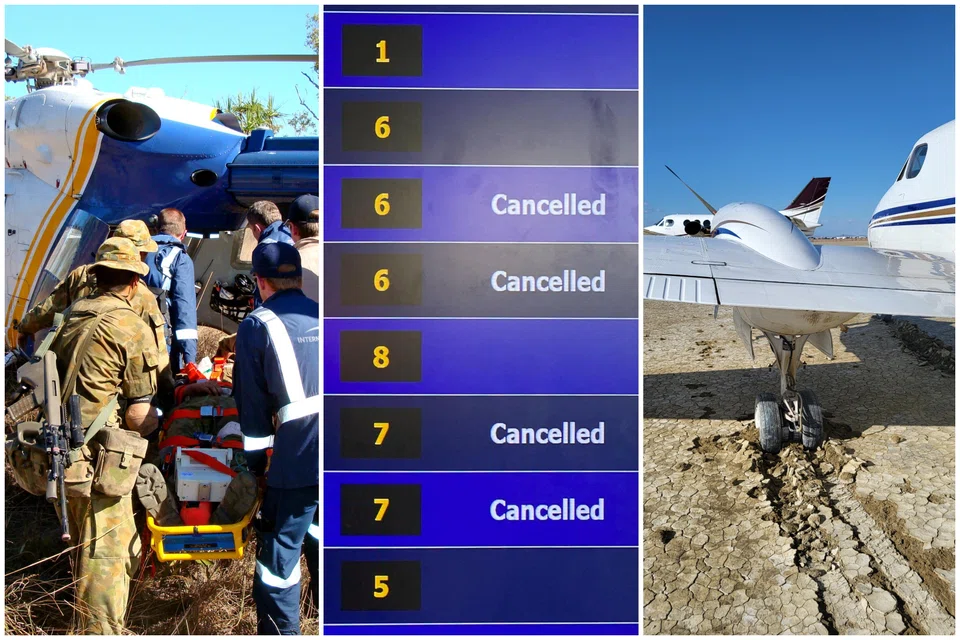
[SINGAPORE] When missiles fly or floodwaters rise, the difference between a nightmare and a safe return home often boils down to who is on the other end of your phone.
For the world’s elite who pay top dollar for bespoke travel arrangements, the ultimate luxury isn’t a six-star suite – it’s the “invisible shield” that can summon a private jet or cross-border convoy at a moment’s notice.
This means luxury travel agents serving them have to be prepared for all kinds of things to go wrong. They share the safeguards they have put in place and how ordinary folks can do the same should travel plans go horribly awry.
The ground game
For starters, clients look to luxury travel tour operators to answer all their questions, so emergency support hotlines are available 24/7.
Scott Dunn runs a dedicated global crisis management team that monitors developments in real time. This team works in coordination with its extensive network of local partners on the ground, as well as key contacts throughout the travel industry.
“Our local partners provide invaluable on-the-ground intelligence about actual conditions in affected areas – insights that go beyond official reports and news coverage,” Mike Harlow, general manager of Scott Dunn Asia, told The Business Times.
“Meanwhile, our industry contacts keep us informed of operational changes, availability and alternative options as situations evolve.”
Official government advice and information are always adhered to as “the foundation” of its response and guidance.
Indeed, local partners – who are typically selected after careful vetting – are crucial in assessing situations. Their knowledge and strong relationships with transport and other service providers are key when a “war room” coordinating the best course of action is formed.



“On a normal day, they’ll be guiding and taking clients to restaurants and getting them whatever they need,” said Lim Hui-Juan, co-founder of Wondergolander, a specialist in luxury bespoke travel.
“On a not-so-normal day, these guys are our eyes, ears and hands and have a very clear sight of things on the ground. They also have the best resources to devise emergency backup plans and gain backdoor access to whatever we might need.”
These resources range from priority access when everyone else is stuck in a queue, to creature comforts such as clients’ preferred food and drink.
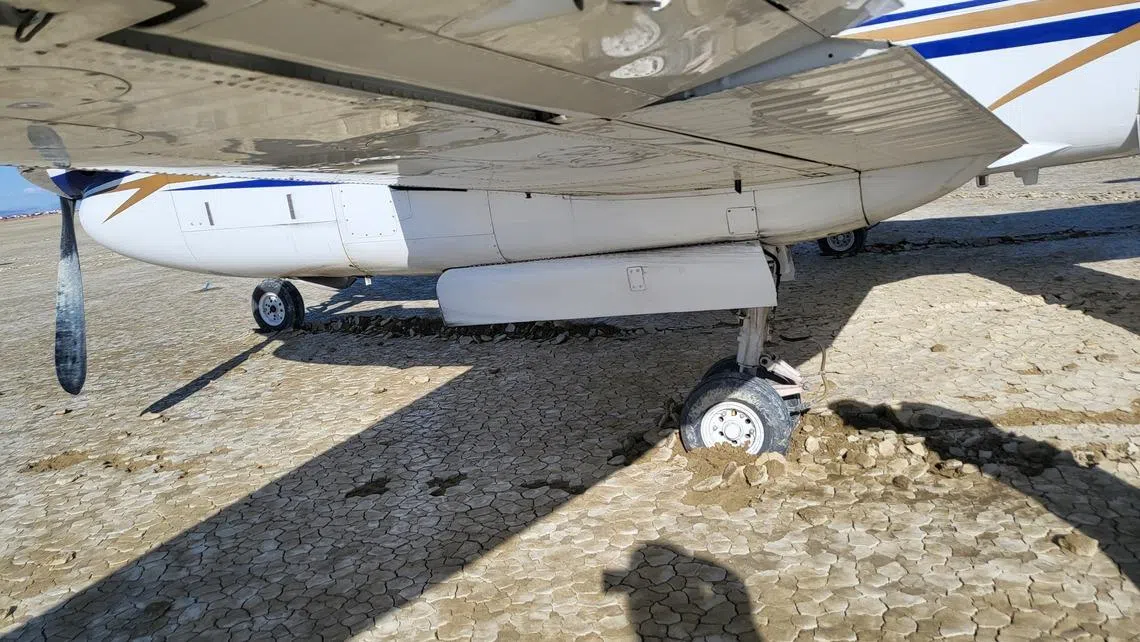
For instance, Wondergolander had to extract clients from the 2023 Burning Man Festival in the Nevada desert. The event was very badly hit by heavy rains that turned the camping grounds into impassable thick mud, trapping some 73,000 attendees.
Airspace and roads were closed, cars were stuck in the muddy grounds and festival goers risked running out of food, water and fuel.
The team explored the possibility of extraction by helicopter, but ditched the idea to avoid a “zombie apocalypse” situation since thousands were stranded and “dying to get out” as well.
“It was not a good time to send ‘money can buy’ solutions, so we decided to hold it off and have guests lie low and blend in first,” said Lim of the chaos.
But once her team had priority intel that the airspace was opening up, their private jet that was already on standby was activated, with Lim’s guests among the first to fly out.
Other festival goers had to queue several hours for other aircraft, while thousands endured another couple of days in camp before departing by road in a nine-hour jam.
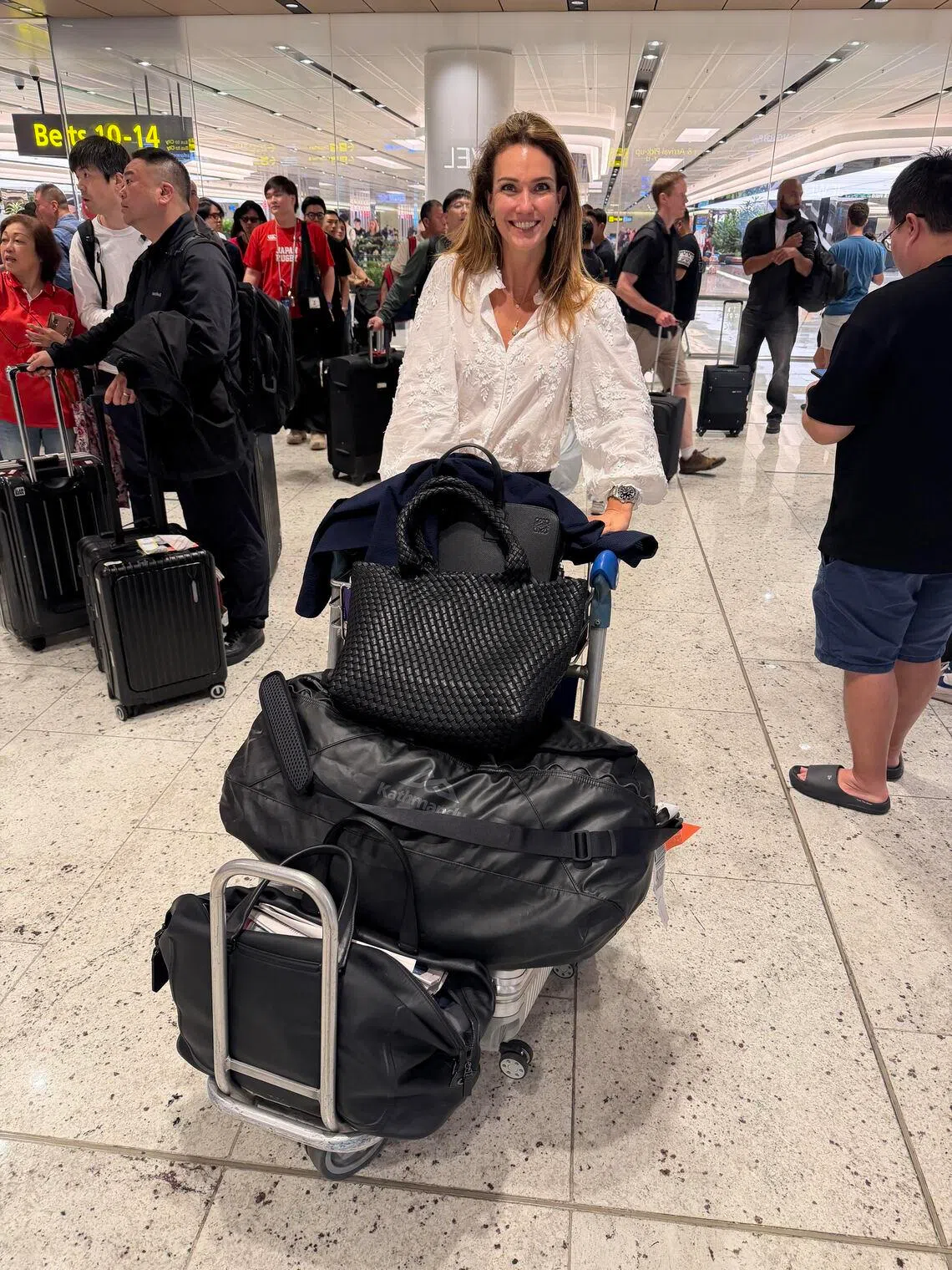
In essence, clients are accustomed to a very high level of service and expect quick, experienced guidance and decisive action in difficult situations, said Jo Hendry-Prior, co-founder of independent luxury travel consultancy Alchemist Travel.
“Our role is to take the pressure and worry off our clients, manage the logistics and ensure there is always a clear plan forward and they can feel safe and supported,” she explained.
“They never rely on call centres or generic support lines. They only deal with their own Alchemist Travel consultant, who will coordinate with our partners on the ground.”
The things you must do
For those of us without access to exclusive concierge services, pre-trip preparation and knowledge of physical safe locations are the most valuable assets in emergency situations, said experts. Here is their advice on how to navigate through tight spots:
The Ministry of Foreign Affairs eRegister is non-negotiable: Every expert mentioned this as crucial for Singaporeans, especially if they want to be contacted for critical updates and government-led evacuations.
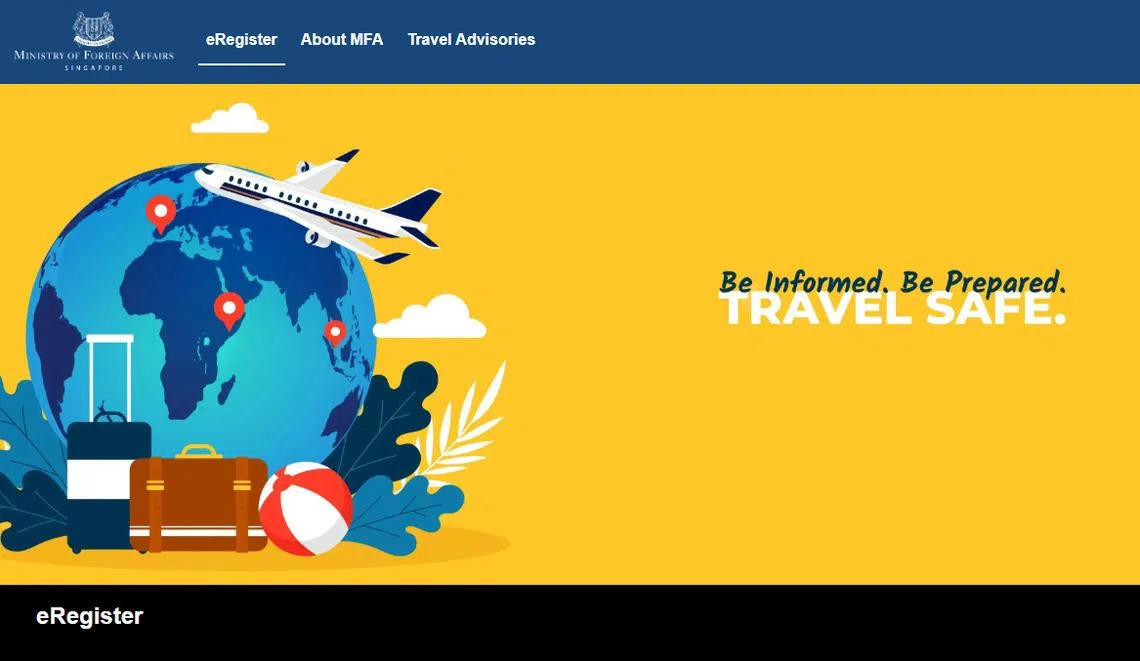
Travellers should also review their government’s official travel advisories before departure and take any “defer non-essential travel” recommendations seriously.
“These reflect real limits on safety and available consular support,” warned Bala Selvam, regional security manager at International SOS, which runs a 24/7 global network scanning official advisories, open-source intel and social media.
The medical and travel security risk services company also has credentialled access to secure vehicles, maritime evacuation options and live operational monitoring.
As at Mar 8, it has handled over 2,900 assistance cases and evacuated more than 530 people in the Middle East since the Iran war began on Feb 28. These include 58 secured vehicle movements from Israel to Jordan, maritime voyages to Cyprus and border crossings from the United Arab Emirates to Oman and from Qatar into Saudi Arabia.
Keep in touch: Maintain regular contact with family or friends back home, share your itinerary and check in consistently so someone always knows your whereabouts, said Harlow.
Paper (including cash) saves the day: When communications are down, travellers need to rely on crucial pre-prepared contingency plans and offline resources.
“Before you travel, download offline maps of your destination, save important contact numbers and addresses in multiple formats – written on paper, stored in your phone offline – and keep physical copies of critical documents (passports, visas and insurance) including your embassy’s address and local emergency service numbers,” said Harlow.
Identify safe locations such as your hotel, the nearest embassy or consulate, hospitals and police stations and note their addresses so you can reach them without relying on Internet connectivity. And yes, keep some emergency cash in local currency.
The five-star hotel hack: If a crisis hits and you aren’t in a luxury hotel, head to one. “In most situations, reputable hotels, lodges or established operators will have contingency plans and alternative communication systems in place, such as satellite phones or direct contact with local authorities,” said Hendry-Prior, adding that staff at larger international hotels are experienced in managing disruptions and often receive updates before the public does.
Where to go and what to take with you: In a perilous situation, the most important thing is to stay calm and immediately look for the safest nearby cover. If indoors, move away from windows and shelter behind solid walls or sturdy furniture, ideally in lower floors and in shelter basements. If outdoors, get as low as possible, protect your head and avoid running during or immediately after explosions.
“It is safer to wait several minutes after the last impact before moving,” said Bala. “Travellers should avoid unnecessary movement and stay clear of military, government or diplomatic locations that may be targeted.”
If it is safe, take only the most essential items such as identification, medication, water, backup power (power banks) and your phone. Contact trusted support channels, such as your embassy, for reliable guidance. Try to conserve your phone’s battery and rely only on verified information rather than unconfirmed social media posts.
“Airports and major transport hubs also typically maintain emergency communications,” added Harlow. “Stay with groups of people when possible, as collective information and resources are more reliable than being isolated.”
And if you have access to radio – whether in a vehicle, hotel, or portable device, tune into local emergency broadcasts for updates.
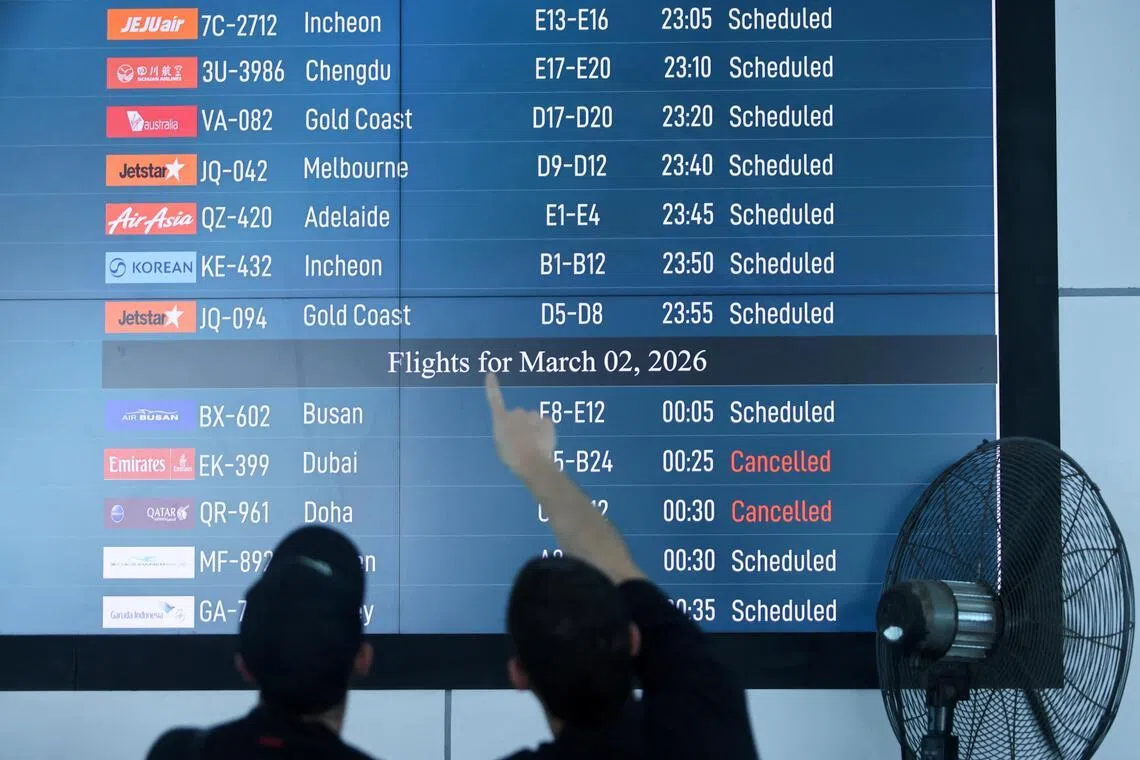
Mind the insurance gap: Many travellers learnt the hard way recently that insurance generally excludes war-related claims.
“Research your policy thoroughly so you understand exactly what’s covered,” advised Harlow. “Invest in comprehensive travel insurance that includes emergency evacuation coverage, medical expenses and trip interruption protection.”
Insurance provides some financial protection when it comes to cancellations, delays and disruptions and can help with medical evacuation. “But if you need to spend money to save yourself, of course, just pay,” said Lim.
Harlow agrees. “Prioritise safety over cost or convenience; don’t hesitate to change plans, leave early or seek shelter if conditions deteriorate.”
Most importantly, he says, trust your instincts.
“If a situation feels unsafe, remove yourself from it immediately. While having professional support makes a significant difference, being prepared, staying informed and acting decisively can help any traveller navigate challenging situations more safely and effectively.”
Decoding Asia newsletter: your guide to navigating Asia in a new global order. Sign up here to get Decoding Asia newsletter. Delivered to your inbox. Free.
Copyright SPH Media. All rights reserved.