Go forth and travel in 2023
Never mind global uncertainty – revenge travel isn’t abating anytime soon, say three travel experts

RESTAURATEUR Karen Cheng’s holiday plans of 2022 and 2023 read like the travel industry’s business outlook for the new year. With revenge travel kicking in this year and set to explode in the months to come, people like her are dictating what destinations and experiences will be in vogue.
“Before the pandemic, I enjoyed going to familiar cities where there were friends, interesting shops and restaurants,” says the director of eateries including Sushi Kimura and Binary. “So when the borders finally opened, my first choice was to go back. In fact, the first place I went to was Barcelona.”
But once that pent-up urge was out of the way, she set her sights on a different kind of vacation – “more unique experiences that cannot be replicated, and nature on its own without human intervention”.
That meant a safari in South Africa where “being able to see the great migration and a leopard being killed left me in awe”. On a more sedate note, “I went white truffle hunting in Alba”, all of which added to her treasure trove of special memories. “On my current to-do list, I’d like to experience the Northern Lights, see the polar bears at Hudson Bay, and jaguars at the Pantanal. And I’d like to visit Machu Picchu and Petra.”
Asia calling
True enough, heading to familiar places was a top travel trend in 2022, particularly for Asia.
“We saw a strong return of demand for intra-Asia travel in 2022,” says Lavinia Rajaram, Asia head of public relations at travel booking website Expedia Group. “Popular tourist destinations like Manila and Ho Chi Minh City saw the fastest recovery, with flight demand from Singapore in the May to June 2022 period returning to 85 per cent of pre-Covid levels.” And the moment Japan announced its reopening, Expedia saw its Japan flight searches more than triple.

One unexpected trend that has popped up is that “travellers are exploring culture-rich capitals such as Bangkok and Tokyo, to experience the rich celebrations and experiences now available with pandemic restrictions lifted,” adds Rajaram. “Unsurprisingly, these two cities were ranked in the top 10 destinations for travellers in 2023 globally.” The list also includes Seoul, Bali, the Maldives, Paris and London.
With K-drama continuing to fascinate the world, “entertainment is increasingly becoming an inspiration for travel”, she says. “In 2023, booking a trip after bingeing on the latest new series will become commonplace, with more than three-quarters of Singapore travellers considering a visit to a destination after seeing a show or movie, with one in two actually making a booking.”

Resort travel also picked up in 2022 as “people wanted to get away from the crowds and gravitated towards nature”, notes Choe Peng Sum, chief executive officer of Pan Pacific Hotels Group (PPHG). “Hot destinations included Penang, Langkawi, Phuket and the Maldives.” Singapore itself got a major boost “as countries that were the first to open their borders enjoyed great international footfall”. That included the travel lane between Singapore and South Korea, while “Bangkok and Australia also stood out once their quarantine measures were eased”.
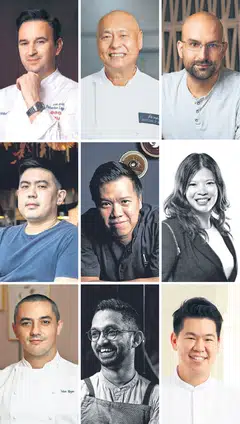
He foresees the pent-up demand for resorts and major cities continuing into the new year, particularly Japan. “Strong leisure and business travel demand will continue for evergreen destinations like Singapore, Thailand and Australia. We also anticipate greater pickup for regional hubs like Kuala Lumpur, Jakarta and Hanoi as more consumers join the travel pool and more business events return.”
Hotel trends
As the “bleisure” (business and leisure) market grows, with business travellers combining work trips with family vacations, PPHG hotels have been quick to introduce family suites to cater to them, says Choe. “We captured this huge trend with our new Urban Jungle Suites at Pan Pacific Singapore, and the themed Signature Family Suites we introduced in Parkroyal Collection Kuala Lumpur have taken off as well. At the same time, we saw a marked movement towards nature – for example, our Parkroyal Penang Resort saw great demand, especially from families.”
At the same time, there is also a growing demand for luxury hotels that offer enriching experiences that resonate with the values of travellers, says Nils-Arne Schroeder, vice-president for luxury at Hilton Asia-Pacific.
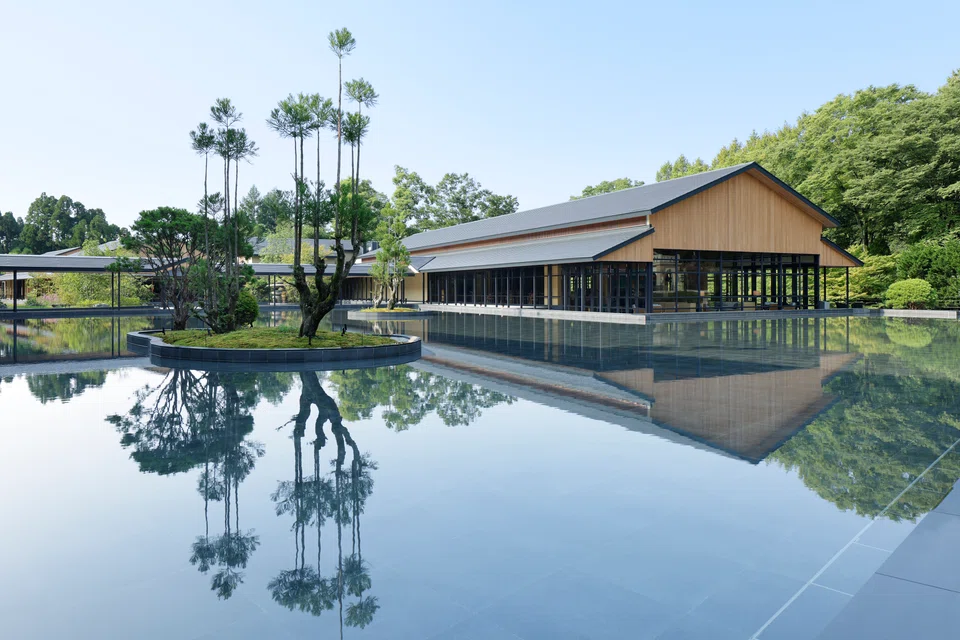
“In an interesting survey about how consumers define luxury today, the ability to take care of their health, and to have time to relax came up at the top,” says Schroeder, who spearheads the Hilton group’s luxury portfolio that includes the Waldorf-Astoria and Conrad hotels and resorts as well as the LXR brand which focuses on very unique bespoke properties that offer locally immersive experiences in heritage-centric locations. They include Roku Kyoto in a mountainous region in the north of the city, that combines nature, Japanese craftsmanship and cuisine in a complete package.
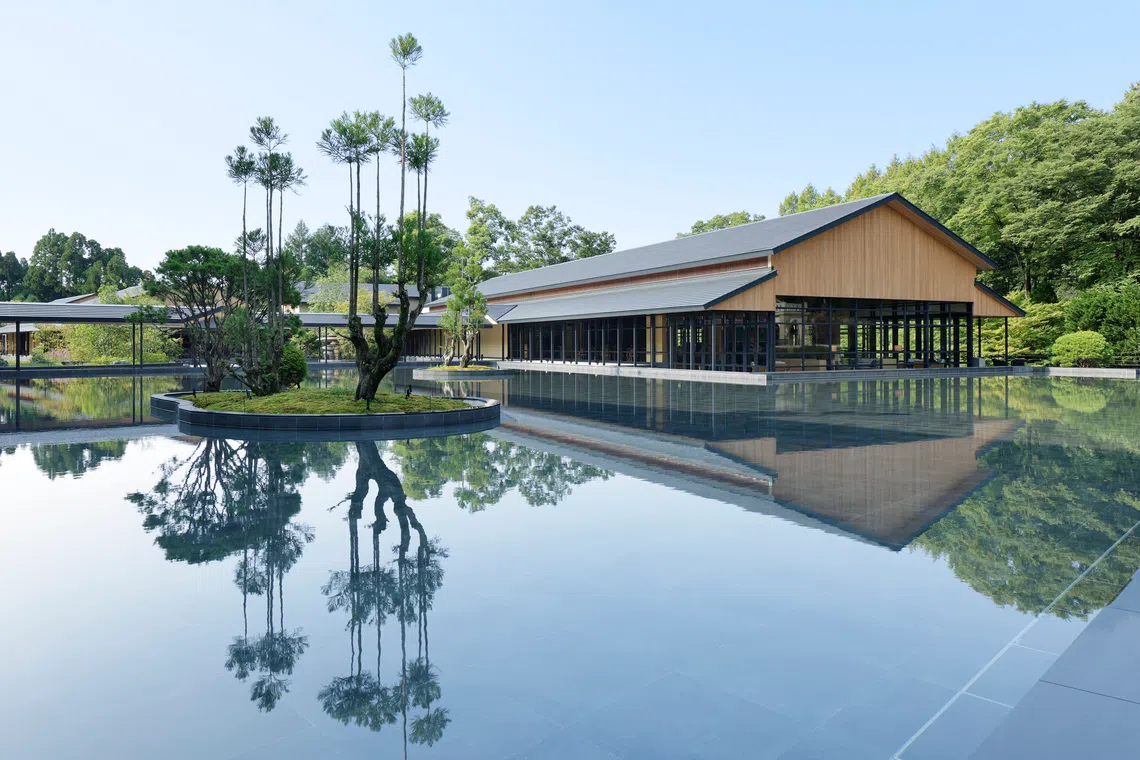
Says Schroeder: “We see a rise in experiential versus material forms of luxury, and we want to continue building best-in-class experiences that marry these together.” That includes culinary collaborations with top chefs at its Waldorf Astoria and Conrad properties, and spa/wellness programmes in its resorts.
The cost of experiential travel
As Cheng puts it, “Experiential travel means immersing and throwing myself into a different environment that feels almost surreal.” And she’s willing to pay for it.
“In terms of budget planning, travel is taking up an increasing proportion compared to material goods. I used to enjoy spending money on fashion, but the pandemic made me realise that material luxuries don’t give me the same level of enjoyment that they used to anymore. Whereas travel brings happy memories of experiences that last a very long time.”
Expedia’s research supports Cheng’s sentiments.
Says Rajaram: “Expedia’s latest study highlighted that more people (66 per cent) would rather reward themselves with travel than buying things, and 67 per cent said they would rather give the gift of travel than physical gifts to loved ones. In fact, 75 per cent of Singaporeans agreed that the pandemic has shifted their views on the importance of having more travel experiences than buying more things in life.”
Schroeder concurs.
“Over the pandemic, travellers nurtured new and existing passions – they became sourdough baking experts, they dabbled in horticulture, became marathon cyclists, and so on. And so now they have more refined tastes and preferences, driving demand and new trends in fitness, culinary and experiential travel.”
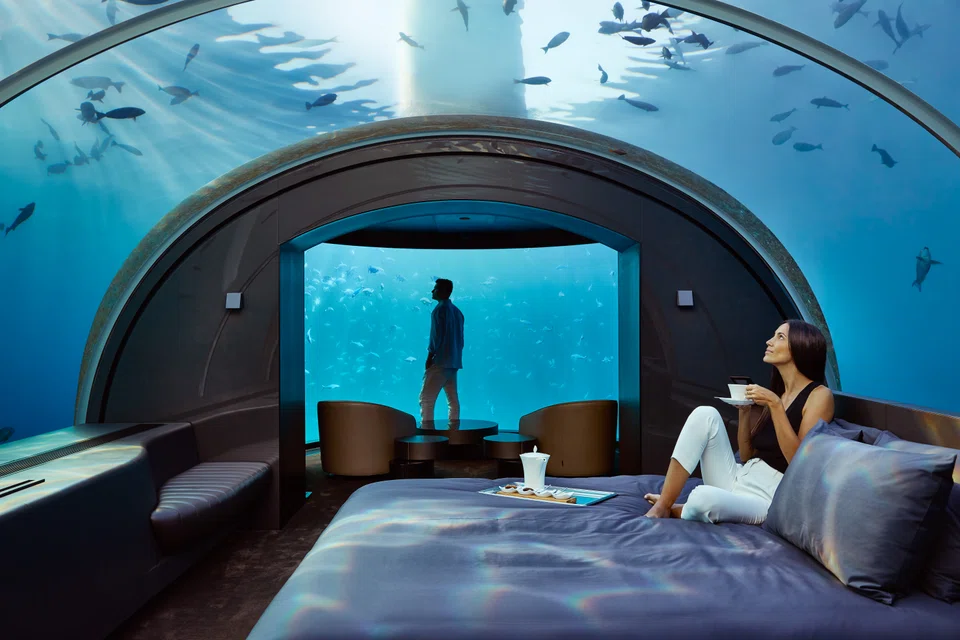
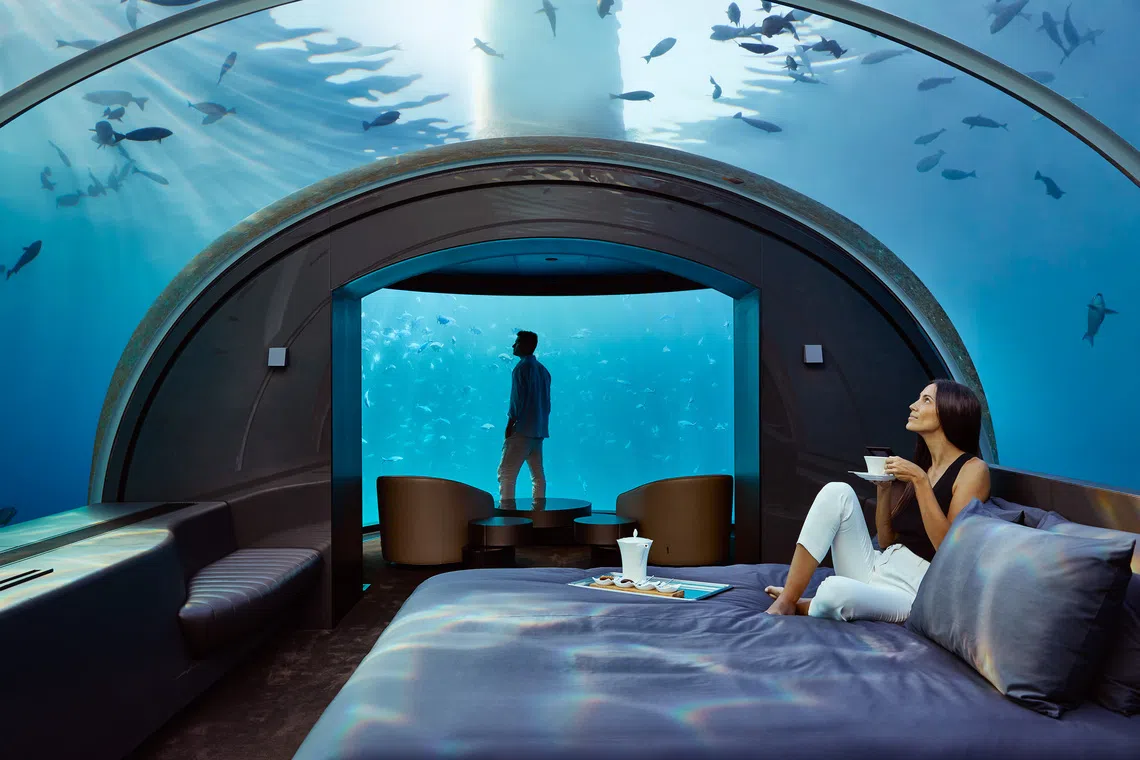
Enter then, the bucket lists. At the Conrad Maldives Rangali Island resort, for example, he adds, “The Muraka is a first of its kind, two-level underwater residence with a master bedroom submerged 16 feet below sea level in the Indian Ocean with a dedicated viewing tunnel.” But at the same time, the resort is big on sustainability, with an in-house marine biologist who teaches guests how to rehabilitate coral “babies” in a coral, and the importance of maintaining the ecosystem.
Sustainable travel
“Our guests care more about sustainability and the community, seeking brands that align with their values,” says Schroeder. “This was the case pre-Covid, but even more so now, and with Gen X and millennials gaining increasing purchasing power, we know that consumers want to use their wealth in a more socially and environmentally conscious way.”
From an on-site farm in Conrad Koh Samui to collaborating with social enterprises at Conrad Beijing, the group’s properties are constantly proactive in implementing sustainability initiatives, he adds.
Meanwhile, PPHG also launched its sustainability brand, Parkroyal Collection, says Choe, and “we’ve seen more guests gravitating towards the sustainable initiatives of our hotels, such as our urban farm tours. We expect sustainable travel to build in momentum through 2023.”
Global uncertainty
Threats of hell or high water do not seem to faze travellers, as voracious demand may overcome inflation and global uncertainty. “Travellers are prioritising meaningful experiences and this remains a powerful driving force,” says Schroeder. Choe reckons the pent-up demand will continue regardless of rising prices although “travellers may practise more long-term planning and comparison shopping”. But as Rajaram puts it, “People are valuing travel more now than ever, and are willing to make time and save money for it.”
Decoding Asia newsletter: your guide to navigating Asia in a new global order. Sign up here to get Decoding Asia newsletter. Delivered to your inbox. Free.
Copyright SPH Media. All rights reserved.