

How to live better, according to philosophers
Two new books by philosophy professors offer sound advice on living meaningfully
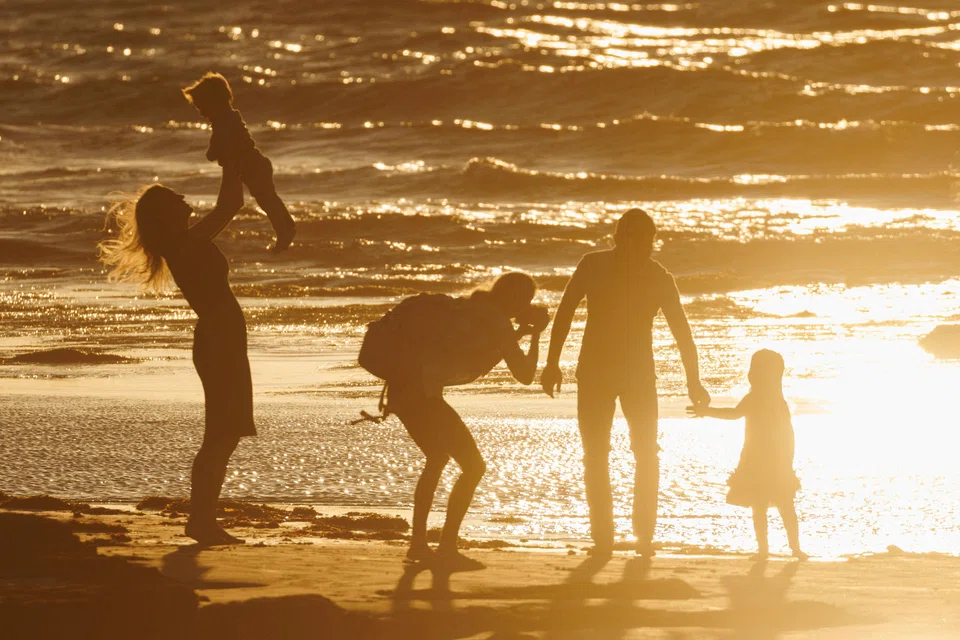
HOW many days do you think you have left in your life? Imagine you’re a 43-year-old Singaporean man (a fairly typical profile of The Business Times reader), born and bred in a country where the average life expectancy of a man currently stands at around 83 years. If you multiply 365 days by the remaining 40 years, the number of days you have left in this world is a mere 14,600. Sure, life expectancy would have gone up by a few more years by the time you hit 83, but that still doesn’t seem like a lot of days left for all the things you might still dream of doing.
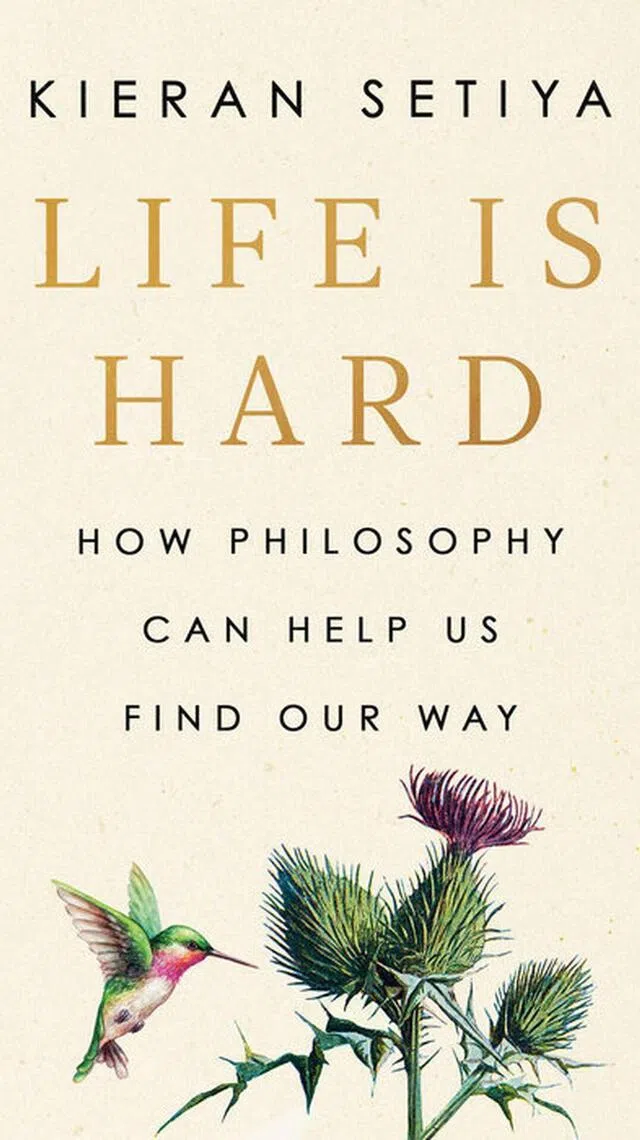
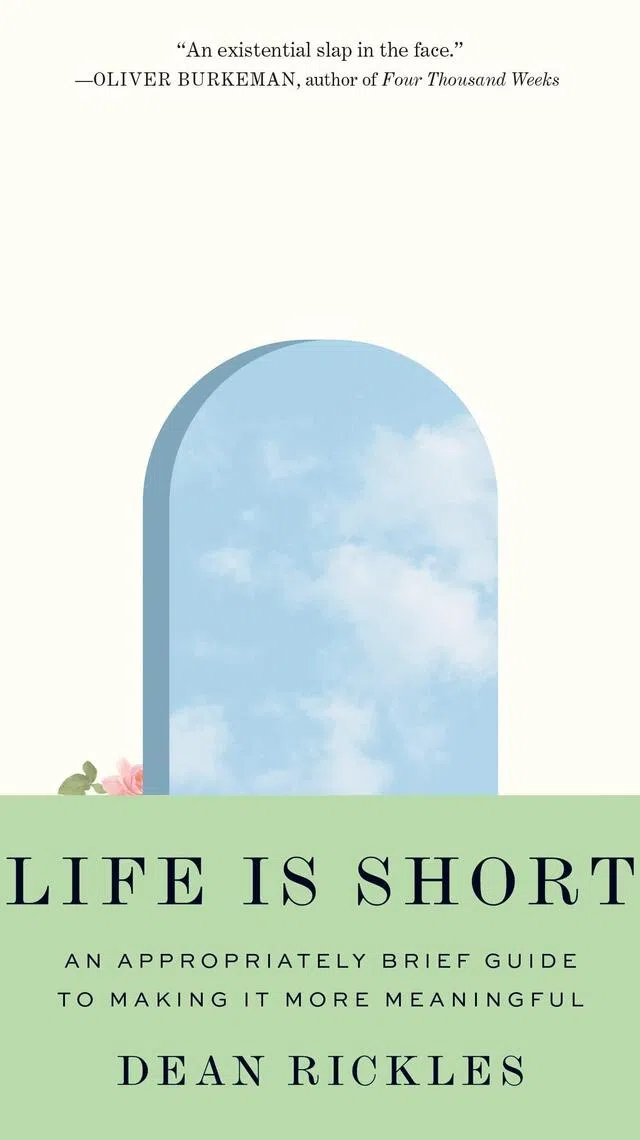
This simple calculation is suggested by Dean Rickles in his book Life Is Short: An Appropriately Brief Guide To Making It More Meaningful. The book was published in late 2022, about the same time that another book titled Life Is Hard: How Philosophy Can Help Us Find Our Way written by Kieran Setiya was released by another publisher.
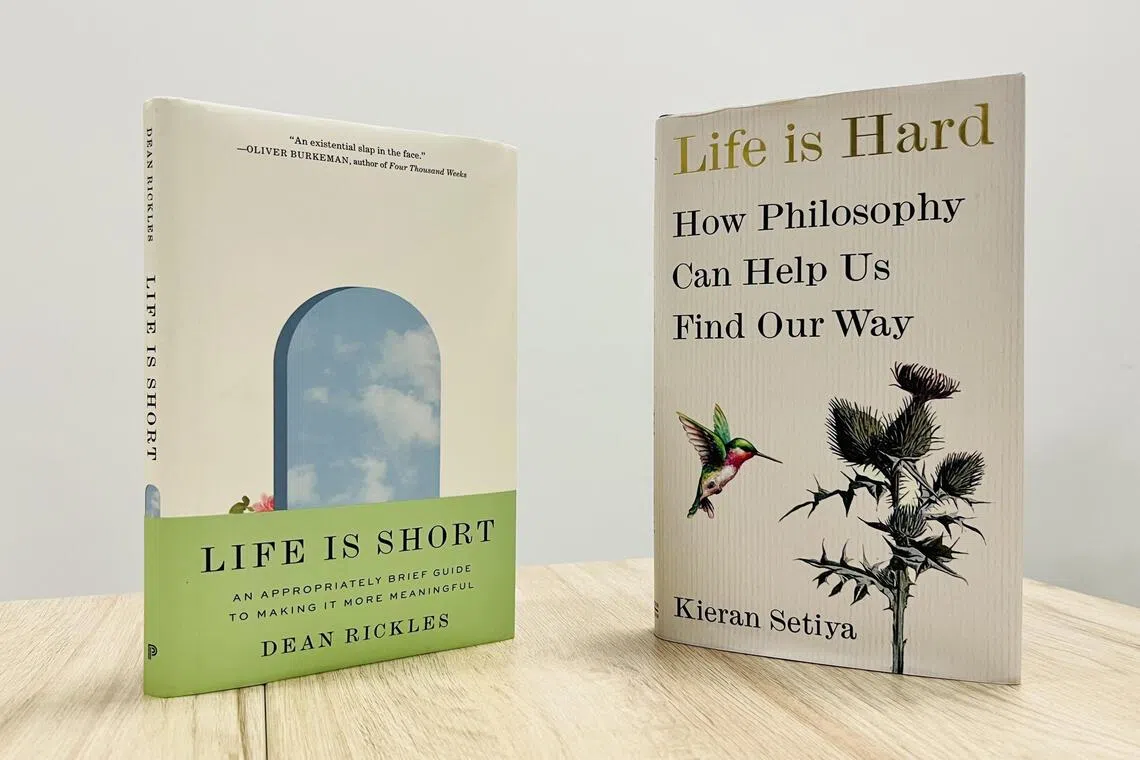
Both books were written during the pandemic when movement and travel were restricted and death tolls were high. Both writers are university professors of philosophy: Setiya teaches at the Massachusetts Institute of Technology; Rickles at the University of Sydney. And while both sometimes unwittingly end up using some similar references (Plato, Sartre, eudaimonia, mid-life crisis, Woody Allen’s Annie Hall, PD James’ Children Of Men), they differ somewhat in their proposals on how to live a better life.
At 240 pages, Setiya’s Life Is Hard is longer and more discursive, moving across a wide range of topics, to show why there is so much in life worth living and fighting for (such as climate and social justice) despite its ever-present challenges and frustrations. At a mere 125 pages, Rickles’ Life Is Short is more focused on teaching you how to live better within the finite time you have on earth. Setiya’s book has been named one of the top books of 2022 by The Economist and The New Yorker, while Rickles’ book has not received as much recognition despite being also a worthwhile read.
Facing up to tragedies
In Life Is Hard, Setiya draws from the wisdom of philosophers and writers across the ages – from Plato and Aristotle to Franz Kafka and Susan R. Wolf – to help us see how we can lead more meaningful lives amid the inescapable catastrophes of the world such as pandemics, wars and hunger. The book’s title tells us precisely what we need to know about Setiya’s approach, that we should acknowledge life’s challenges, obstacles and tragedies instead of putting on our blinkers and believing that “everything will be okay”.
The author has a bone to pick with the happiness movement that’s swept the world in recent times, which encourages us to always stay positive and look at the bright side of things. That, he insists, has stopped many of us from seeing the world as it is and practising compassion towards those in real need. Instead, we should learn to live with negative emotions every day, understand that adversity and tragedy often go hand-in-hand with joy, accomplishment and community, and embrace all these emotions as part of life. It would prepare us for worst-case scenarios too.

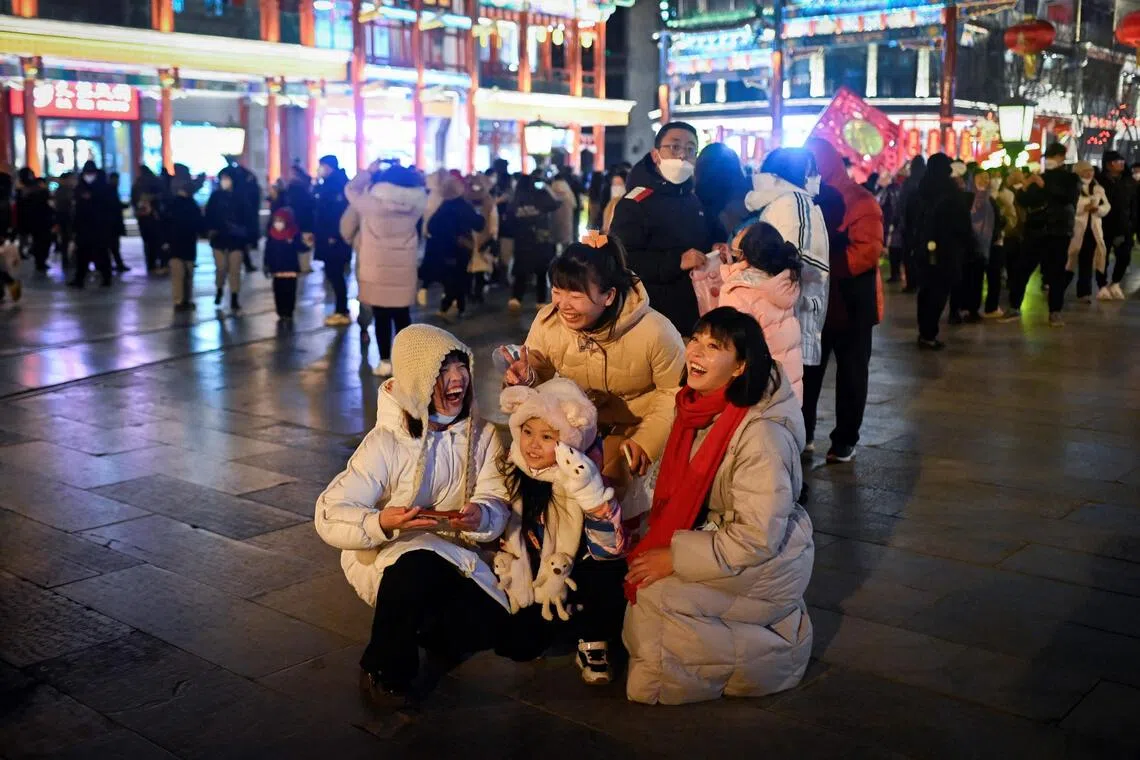
Rather than seeing the glass as half-full, we should acknowledge the glass is what it is – half-full and half-empty (or whatever state of fullness the glass happens to be in). And if we fear we may feel overwhelmed by the many tragedies of the world, Setiya writes: “Our task is to find collective agents – movements, unions, interest groups – that have the power and will to make things happen… You may feel like you’re not doing enough, but that comes with the territory. No one feels like they’re doing enough, not even activists who devote their lives to this.”
Giving yourself in service to others is a critical part of living meaningfully, as many philosophers including Setiya argue.
Embracing failure
The book has many nuggets of advice. But one of the most relevant to the readers here is how to deal with a failed business venture or an unsuccessful career. Setiya urges us to reorient our perspective to see our activities as “atelic” instead of “telic”, so that we’re not consumed by short-term perspectives.

Telic activities have a start and an end, for instance, eating a meal, building a house, finishing a marathon. Atelic activities have no obvious destination: examples include parenting, friendships or enjoying music. These activities can start and stop at any given time, but they can carry on for years, growing or diminishing partly in response to our efforts.
Not finishing a marathon can be seen as a failure if we think of it as a telic event. But we can also see it as just one incident in a higher pursuit of physical strengthening and general well-being. If we never give up on something, how can we say we’ve completely lost?
Similarly, the death of a loved one creates a rupture and leads to intense grief. But we can also see the relationship as a continuing one – we honour them in our memory and rituals for years to come.
Setiya quotes historian Joe Moran, who writes: “To call any life a failure, or a success, is to miss the infinite granularity, the inexhaustible miscellany of all lives… A life can’t really succeed or fail at all; it can only be lived.”
Instead of focusing on personal narratives of successes and failures – narratives that our contemporary culture loves to consume and disseminate – Setiya urges us to see the bigger picture and longer timeline, to stay grounded.
Indeed, the book offers other good advice on dealing with pain, loneliness, loss, social injustice and life’s absurdities, gleaned mostly from philosophy and literature across the ages. But there isn’t enough space on this page to highlight them all.
Short is beautiful
Rickles’ book Life Is Short is half the length of Setiya’s book, and not quite as rich. But there are certainly observations here worth paying attention to. Taking inspiration from Seneca’s classic text On The Shortness Of Life (written in 49 AD), Rickles argues that our lives need to be necessarily short so that we may focus on the things that matter. If we were somehow blessed with immortality, we would only become callous, lazy and unconcerned with the things around us, because we have all the time in the world to turn to them later, if at all.
Therefore, instead of fearing death, we should embrace its eventuality, because death marks the end of our lives and therefore “is itself a source of life’s meaning, calling us to really live, to force us to think about what kind of life we want, about who we are, to know ourselves and act in the world accordingly”, writes Rickles. “Life is a miracle, but so is death.”
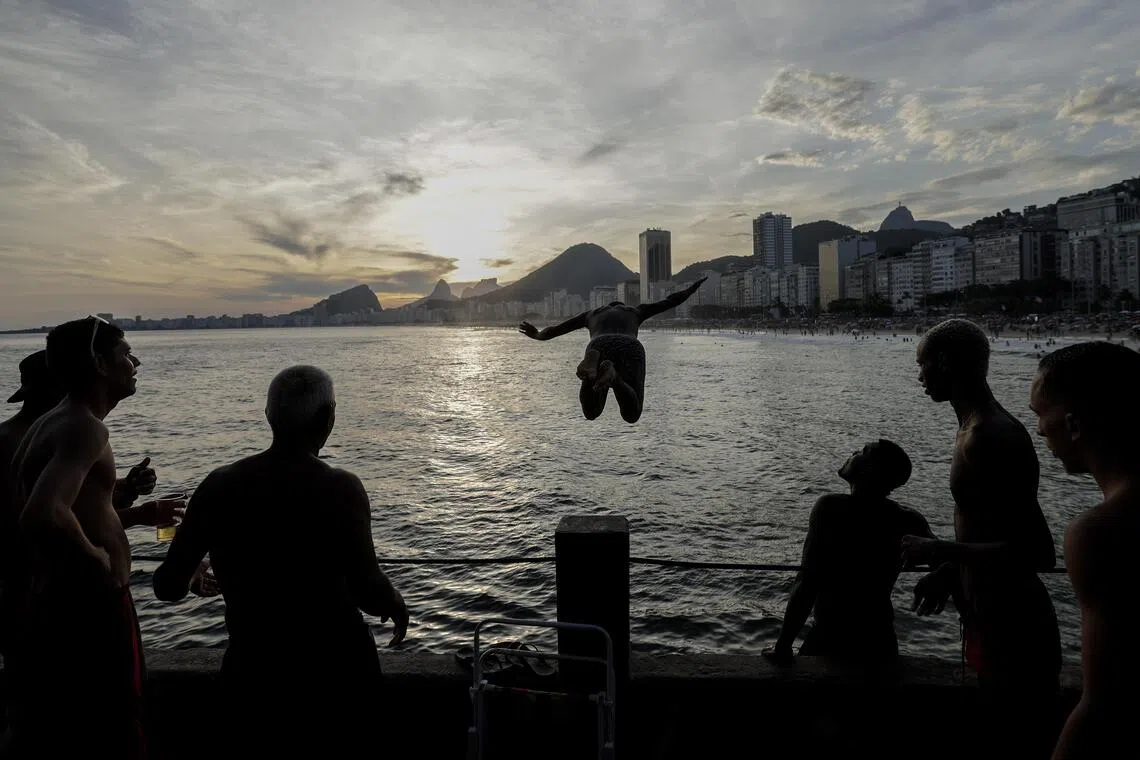
To live better, Rickles suggests we develop a close relationship with our “future self”, the version of ourselves we’d like to become five, 10 or 15 years from now. The more connected we feel to this person, the more likely we are to care about the environment they live in, the state of their physical health, the strength of their finances, and the friends and family members they surround themselves with.
We are then more inclined to, say, drink less and eat cleaner food, spend our money more wisely, care more about the climate, and put more effort into strengthening the bonds with the people we love today. If we can imagine our “future self” vividly – maybe even have heart-to-heart chats with them – we might take the necessary steps of creating the life that we want for ourselves and others.
Death can, therefore, be seen as a gift. Having a finite amount of time on Earth forces us to cultivate a more meaningful, rewarding life.
Both titles are available in Kinokuniya.
Decoding Asia newsletter: your guide to navigating Asia in a new global order. Sign up here to get Decoding Asia newsletter. Delivered to your inbox. Free.
Copyright SPH Media. All rights reserved.






