

Plan to avoid panic: The realities of navigating long-term home care
Having seen clients caught off guard, providers of such services discuss challenges and share tips for caregivers
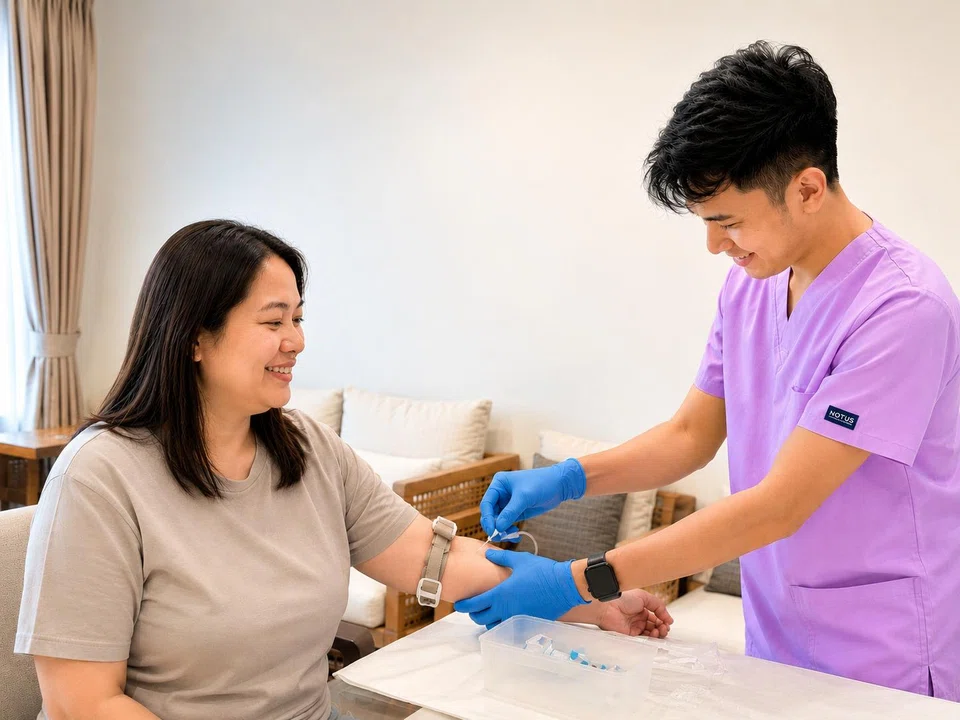
[SINGAPORE] A recent study by insurer Great Eastern (GE) offers a sobering glimpse into a future many of us will eventually face: the reality of long-term care. Whether for ourselves or our family members, it is a situation that requires more preparation than most realise.
Long-term care refers to medical and personal assistance for individuals unable to perform activities of daily living (ADLs) – specifically washing, dressing, feeding, toileting, mobility and transferring. Such care needs can last from several months to a lifetime.
In Singapore’s “super-aged” society – where 21 per cent or more of the population is aged 65 and above – many families are already navigating the complexities of elderly care. This number is only set to rise.
Data from GE revealed that long-term care is not solely an issue for older people. Some 62 per cent of claimants for Great CareShield – a supplementary plan providing enhanced coverage above the national CareShield Life and ElderShield schemes – are under the age of 50. This suggests that many may require assistance well before they reach old age.
While 68 per cent of the 1,000 people polled expressed a desire to be cared for at home, the study found a significant gap in financial expectations. Respondents estimated home care costs at roughly S$2,400 a month, while care provider Care@Homes said the figure is closer to S$3,500.
The financial reality
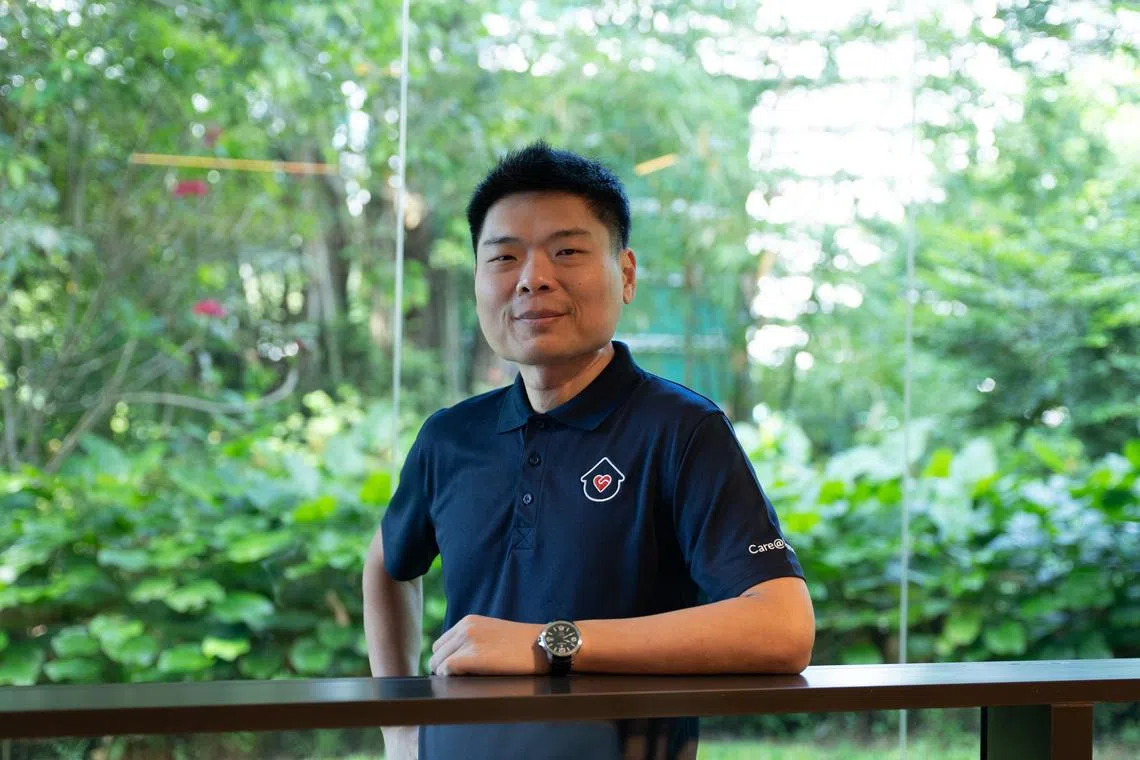
Kenny Tan, Care@Homes’ founder, says the long-term care expenses he estimates is “a midpoint, comfortable range” to cover expected supplies.
“The important thing is to understand the various components that constitute the overall figure,” explains Tan, a former banker who started the one-stop online platform for care services and products two years ago.
What some may not expect is that routine expenses, such as for transportation, diapers, medical wipes, wound care products, feeding tubes and dietary supplements, already take up a big chunk of the budget.
The cost of home-based care also varies depending on the recipient’s specific needs.


These can range from procedures such as receiving antibiotics intravenously to more extensive support, including feeding, turning to prevent bedsores and the changing of diapers.
For instance, stoma care, or the management and hygiene of a surgically created opening, starts at S$120 plus goods and services tax from home care service provider Vickycares, excluding consumables.
“The cost for a cancer patient who needs more procedures and is fed through the veins can even be near S$500 a day,” says Jacqueline Teo, its nurse clinician and manager.
Over at iKare, a home care service provider with a focus on dementia care, Keith Lee, its head of business and director of growth and care experience, estimates that thrice weekly home-based cognitive stimulation activities will cost just over S$2,000 a month.
Not just about the money
While GE’s study highlights the need for financial preparedness – such as purchasing CareShield supplements that offer higher payouts – money is just one part of the equation.
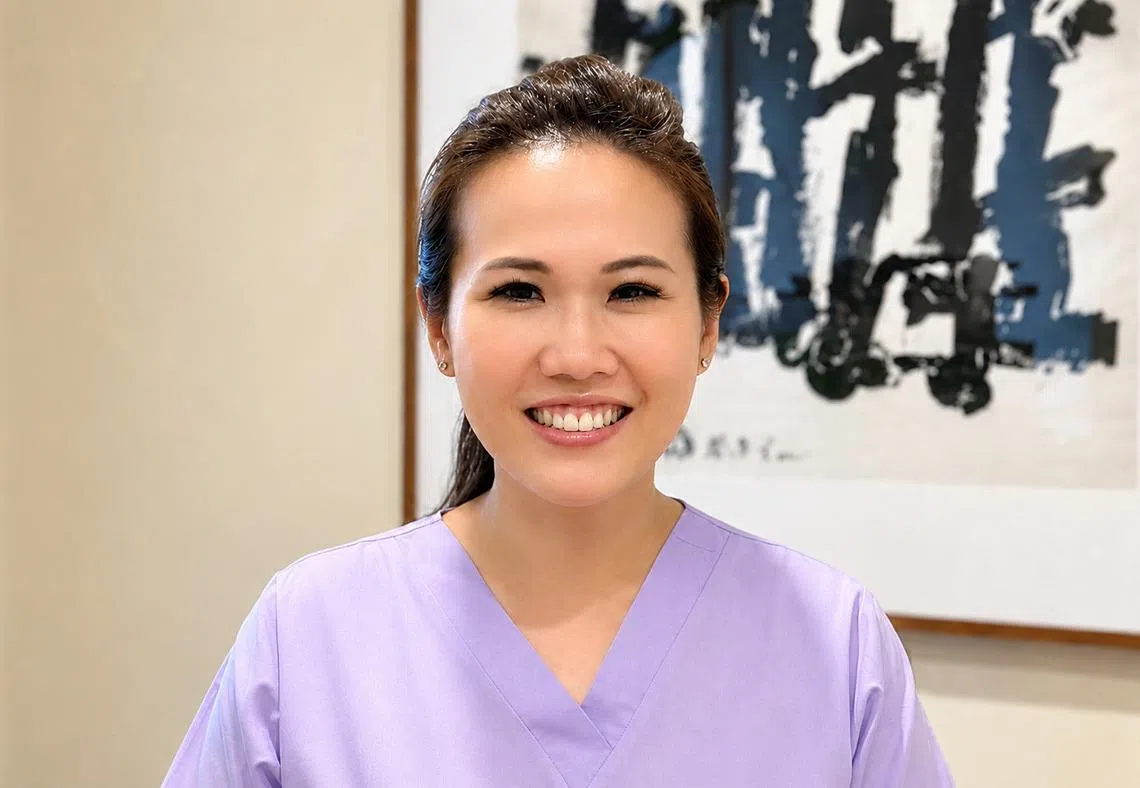
“Caregiver stress is very real,” says Teo, who has seen family members break down in tears. “Taking care of someone for a week is manageable, but when it becomes long term, fatigue inevitably sets in.”
Adding to the burden, caregivers are often at the prime of their working life and in the sandwich generation, looking after their children and parents. GE’s study bears this out, with 66 per cent of caregivers aged 30 to 64 remaining in full-time employment.
In some cases, the stress is reversed, with ageing parents having to care for their adult children. “All of this adds to the emotional strain,” Teo notes.
For those looking to hire live-in help, a reliable caregiver is paramount. “They’re leaving their loved ones or aged parents in the care of a stranger, so what they really want is someone with the requisite skill set,” says Tan, whose clients are generally from upper middle-income households.
About 60 per cent of the caregiver requests he receives are for live-in caregivers, with the remainder being stand-ins while primary caregivers are away, or temporary help for patients just discharged from hospital.

Lee points out that while the care recipient may want to remain at home, they may gradually slip into isolation if the care given is very task-oriented.
“That’s the missing piece, which I can confidently say many seniors may not articulate, but is very evident,” he observes. “And the reality is, we are much more impatient with our loved ones than with others.”
Lee also notes that Singaporeans have high stress tolerance and often fail to recognise burnout until they hit a breaking point – suffering from depression, or a loss of sleep and appetite.
“Mental health is a landmine because people don’t want to be seen as being stressed or depressed, as it can be translated to weakness in the local context.”
The live-in help can’t do it all
Many families turn to live-in help as it is the most cost-effective way to look after their loved ones. But they need to be mindful that the helper cannot be expected to undertake a lot of household chores and simultaneously provide high-standard care for the recipient.
“That’s a reality we all have to really look into, because if we are caregiving ourselves, it’s going to be very tiring,” says Teo, adding that some patients who feel frustrated with their own illness also tend to take it out on their helper.
“We cannot expect one helper to make sure the house is sparkling clean and still take care of our loved one at night. This can lead to cases of abuse or depression,” she added.
Besides, caregiving is not a job that can be rushed, says Tan, noting that many people underestimate the demands of being a caregiver. “I’ve observed that clients who have bed or wheelchair-bound loved ones have more realistic expectations of the demands placed on a caregiver, and are therefore more reasonable.”
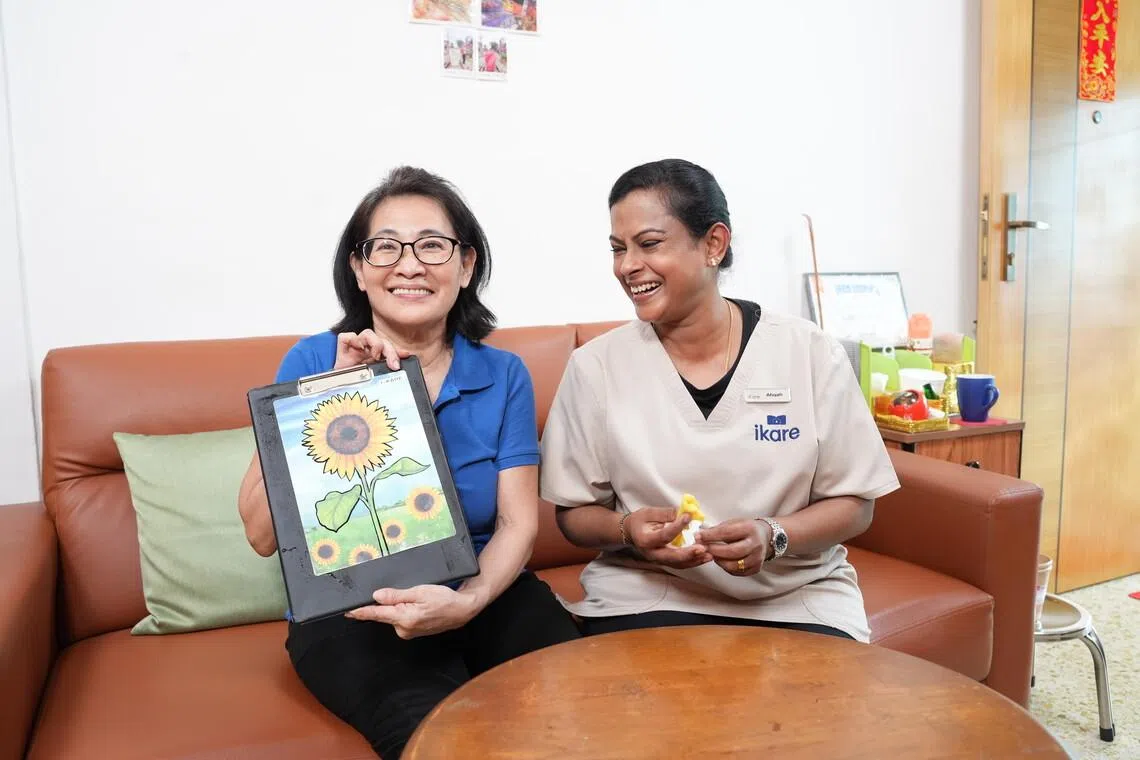
Especially when it comes to dementia, people tend to have very limited skills and knowledge in dealing with them, and can find it very draining.
“It’s something for Singaporeans to reflect on,” says Lee. “You can’t expect the helper to do housekeeping, help with ADL and communicate, cook and clean well. I’ve never heard of a cheap and good hire.”
How to prepare for it
Teo has seen tensions coming to the fore among family members who cannot agree on how a loved one should be cared for.
“So I always encourage people to do Advance Care Planning (ACP) and a Lasting Power of Attorney (LPA) to avoid potential family conflicts,” she says.
ACP helps loved ones and healthcare providers understand one’s views on future medical treatments and end-of-life care, while LPA grants decision-making authority concerning one’s healthcare and finances if one is mentally incapacitated.
Tan agrees. “People really need to think through all this, instead of avoiding it because it’s taboo or believing nothing will happen to them because they’re still young.”
Another thing that future caregivers need is education.
“When they know what to expect and what to do, they’re not so panicky,” explains Teo. The peaceful, smoothly run home care environments she has encountered are the result of caregivers having been trained by patient navigators (often nurses assisting patients with complex care needs) in hospital prior to the patient’s discharge.

Caregivers should ensure they regularly have a few hours of free time to do whatever they want. They ought to also make emotional connections with their loved ones – even a few minutes can make a difference.
“After factoring in time spent working and sleeping, we spend less than four hours a day with our loved ones. So there are two things you can do. One is to make it a habit to start the day with a smile and a greeting,” suggests Lee.
The other is to have meaningful dialogues with care recipients – “just three or five minutes will do”.
“When you engage your loved one, don’t talk about the stock market or something you’re excited about. Talk about something that’s meaningful to them, that makes them smile and brings them joy. Then they will talk more than you and hopefully, that translates to you finding it meaningful, too.”
As a personal reminder, Lee says he strives to care for his loved ones the way he wishes to be cared for one day. And if cost is a constraint, then do what you can within your budget.
“When we start working, we think about how much we want to save and invest. We should have the same mindset for long-term care,” he concludes. “Because if you don’t plan even for yourself, then you will never plan for a loved one.”
Decoding Asia newsletter: your guide to navigating Asia in a new global order. Sign up here to get Decoding Asia newsletter. Delivered to your inbox. Free.
Copyright SPH Media. All rights reserved.
TRENDING NOW

DBS, OCBC, UOB rout lops billions off STI as inflation, rate concerns spook investors

Grab CEO’s wife Chloe Tong on life with Anthony Tan and finding her purpose

OCBC sheds S$8 billion in value as shares close nearly 6% down; analysts cautious on banks

Deal between tycoon friends sparks scrutiny of Philippine power sector

