

In search of self: Why people are travelling to stay centred
Amid an uncertain economy, return-to-work pressures and a tide of negative news, more people are travelling to find meaning – and themselves

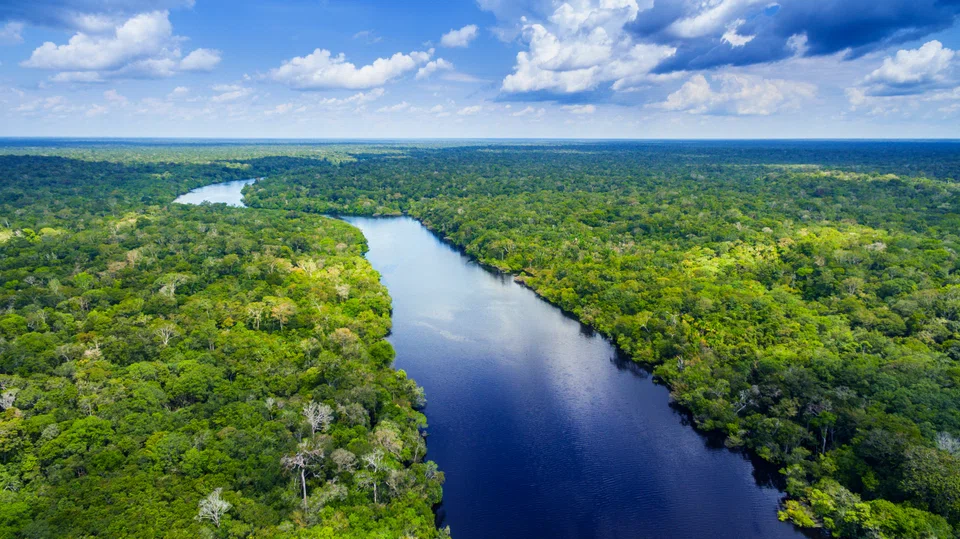
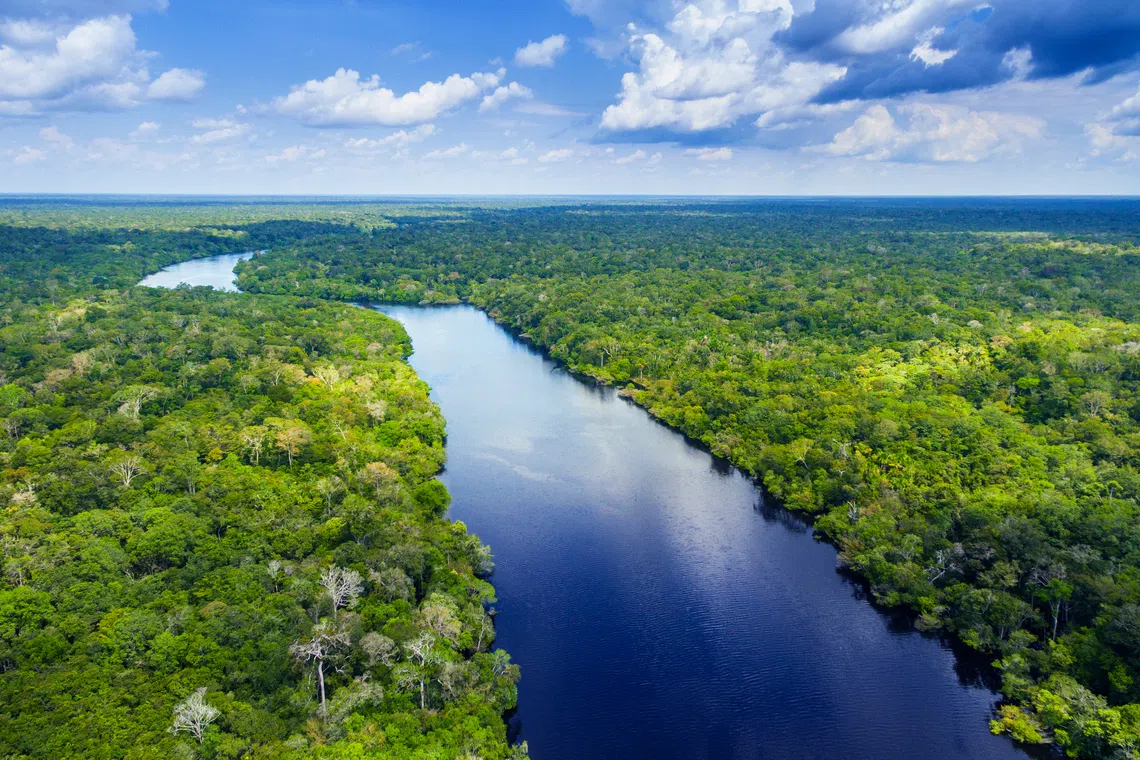
IN JANUARY, Claire Tan quit her job of nearly 20 years. Disillusioned with the company’s leadership and beset by anxiety attacks, the banker booked a trip to South America, where she spent a month exploring remote villages in Patagonia and Peru, and “hanging out with llamas”.
“I had to leave for my sanity,” she says. “There were so many changes over the past couple of years that even the management didn’t know what was happening. We were like headless chickens. I realised the job was no longer in line with my principles in life, and decided to find inspiration on how to be happy again, how to reset myself.”
Stories like hers are becoming common across the corporate world. An uncertain economy, return-to-work pressures and negative news cycles have created a hothouse of change and unpredictability, rattling the trust of employees in companies, leaders and humanity in general. In search of a new centre and clarity, many are turning to travel.
Microsoft’s 2024 Work Trend Index reports that work has accelerated faster than employees’ ability to keep up, with 68 per cent of respondents saying they have struggled with the pace and volume of work, and 46 per cent feeling burnt out.
Skyscanner’s Travel in Focus research shows that Singaporeans now believe the greatest benefit of travel is that it helps them recharge mentally, and Amex’s Global Travel Trends Report has highlighted the rising demand for transformative travel.
Philippa Walker, Silversea’s director of marketing for the Asia-Pacific, says travel post-pandemic has taken “a profound turn towards more introspective and rejuvenating experiences”. Travellers are not just travelling to escape routine, she says. “They’re searching for ways to alleviate the mental and emotional burden… and reconnect with a tangible world.”
Clinical psychologist Chua Kah Lin believes the shift is a result of growing recognition of the importance of mental health. “Especially post-Covid, this has led to people questioning what’s really important to them, and reviewing priorities in favour of meeting those needs.
“It’s about working backwards to take control of your attention and not being caught in an endless loop of worries, competing demands and expectations.”
A desire for what’s real, rare and remote
All this means that travel behaviour – the type of experiences that travellers are choosing –is fast evolving. Candice D’Cruz, Hilton’s Asia-Pacific vice-president of luxury brands, which encompasses Conrad, Waldorf Astoria and the group’s LXR boutique luxury arm, observes that people are now gravitating towards hotels and activities with more meaningful, atypical offerings.

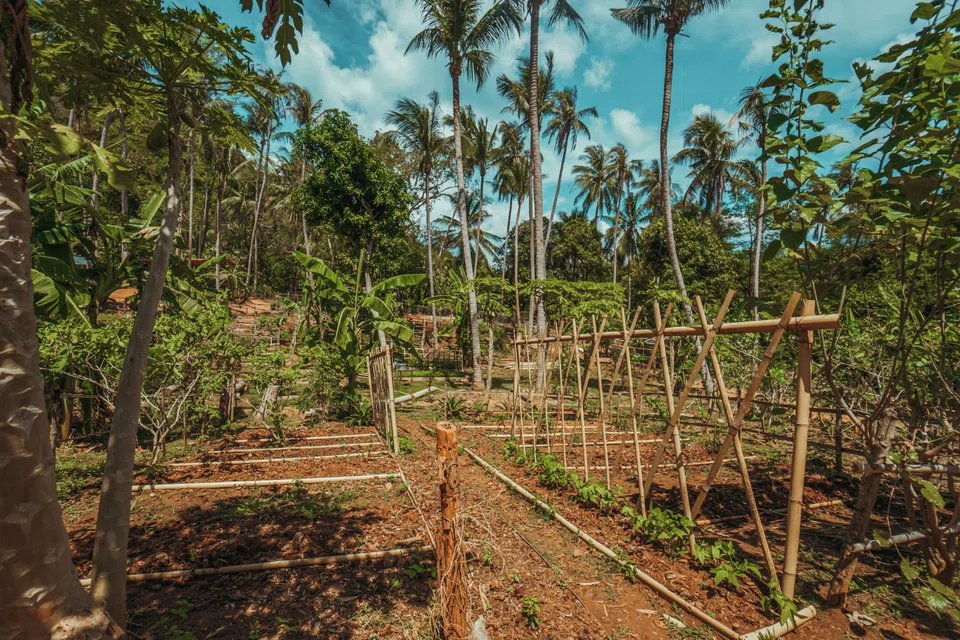
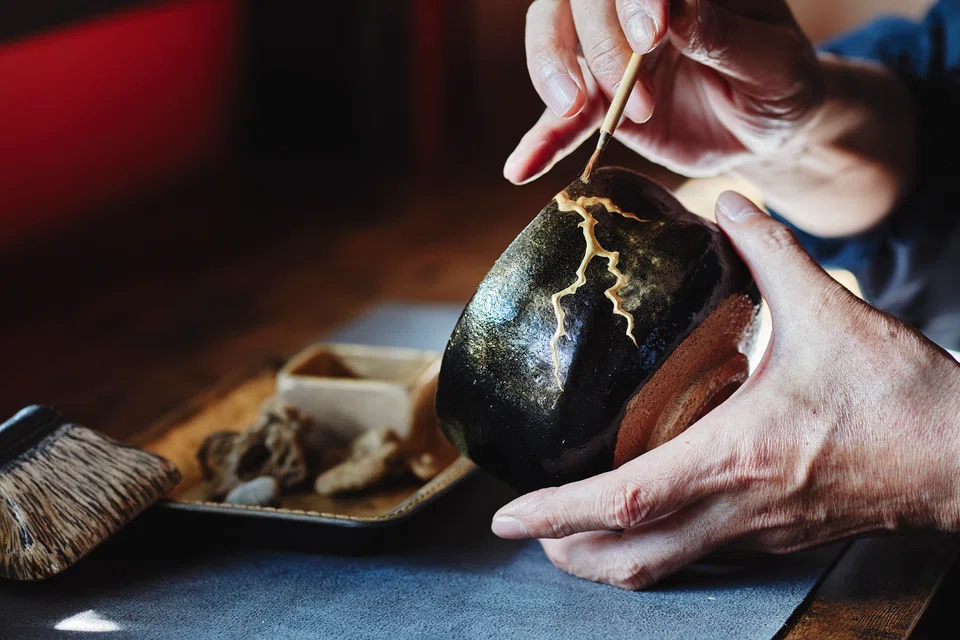
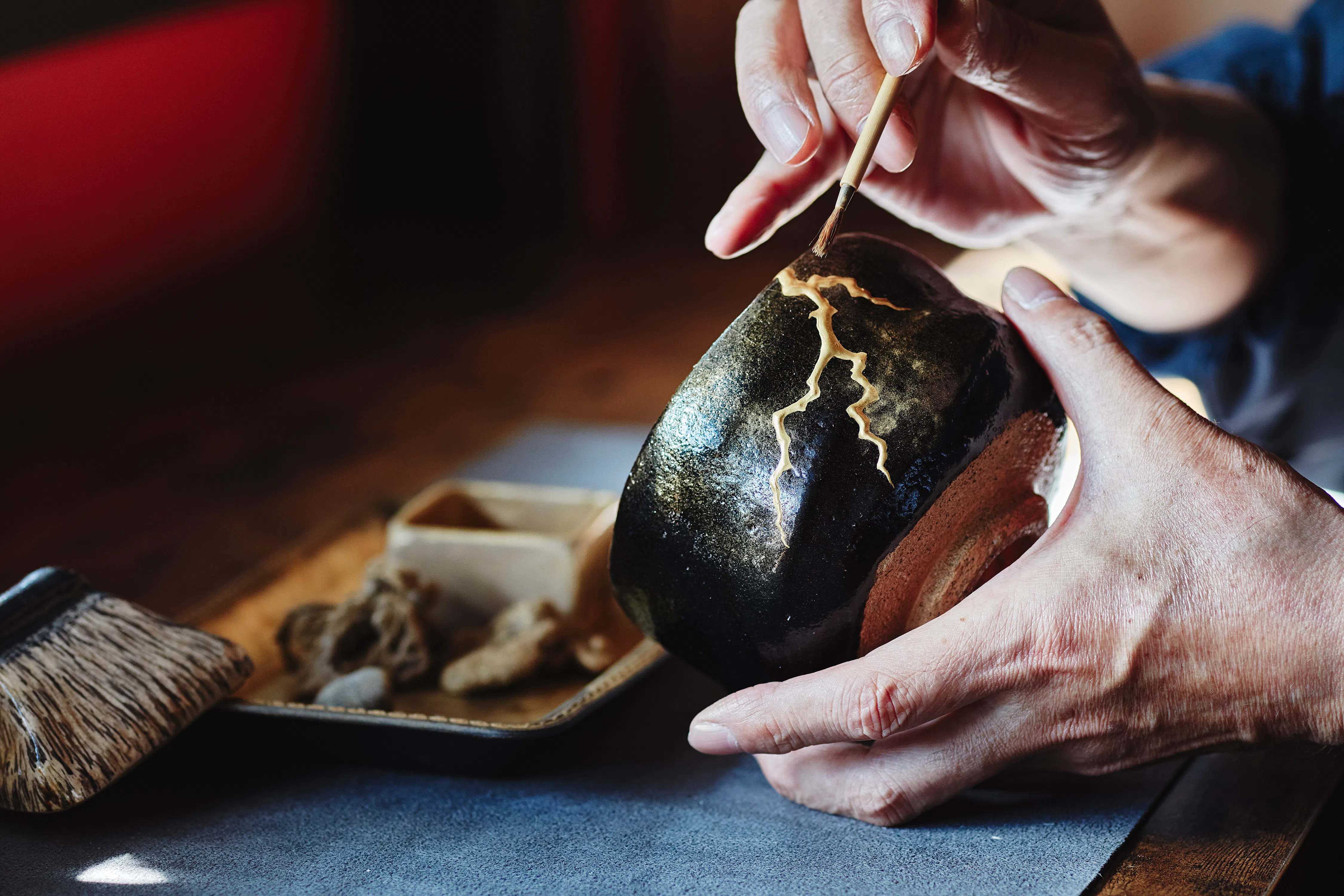
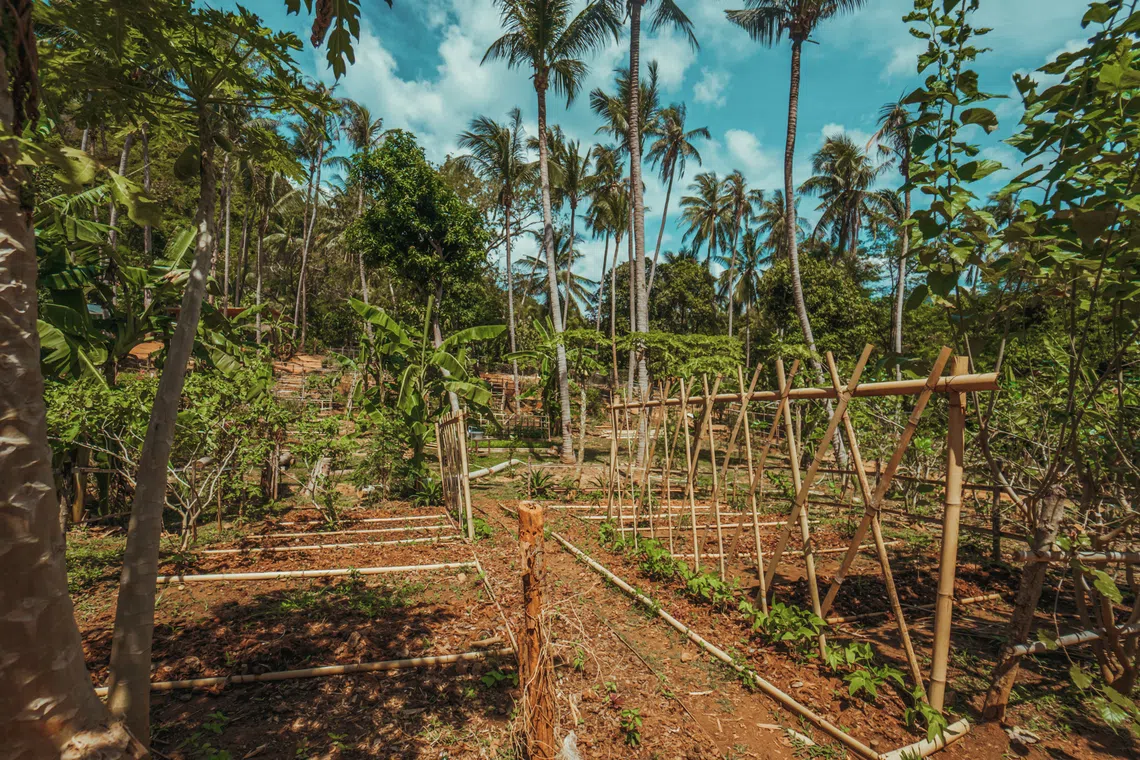
These might include, for example, learning about harvesting and composting at Conrad Koh Samui’s sprawling organic farm, which feeds the hotel with fresh produce, or learning kintsugi – the art of repairing broken pottery – at Roku Kyoto (an LXR hotel) under the keen eye of a Japanese master.
Travellers are also going further afield, and, more often, out of their comfort zone. “From yachts to trains and remote lodges, guests are finding new ways to interact with the surrounding space, which changes their perspective on what it truly means to travel,” says D’Cruz.
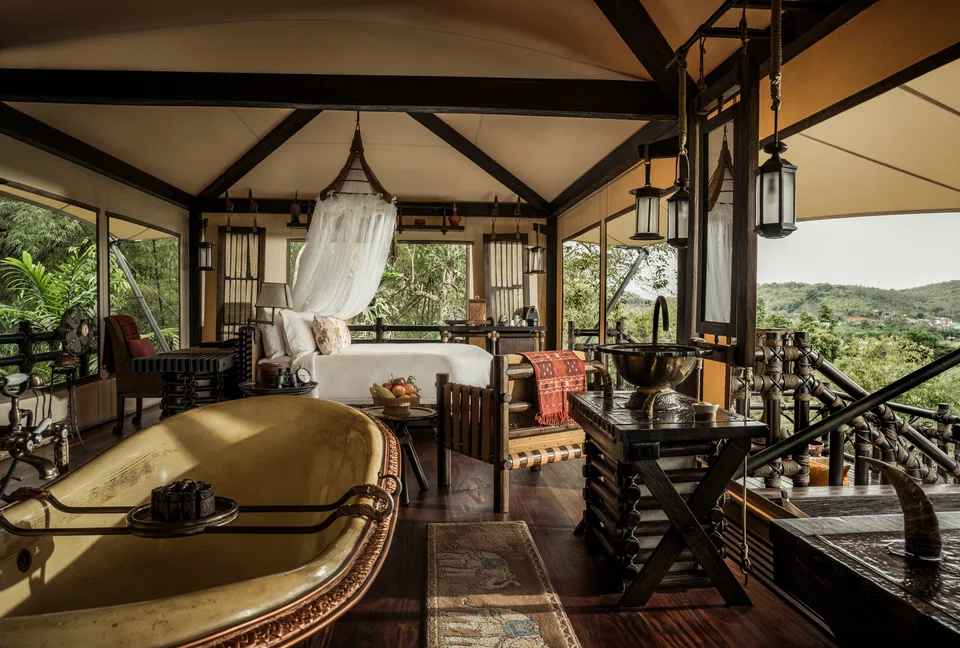
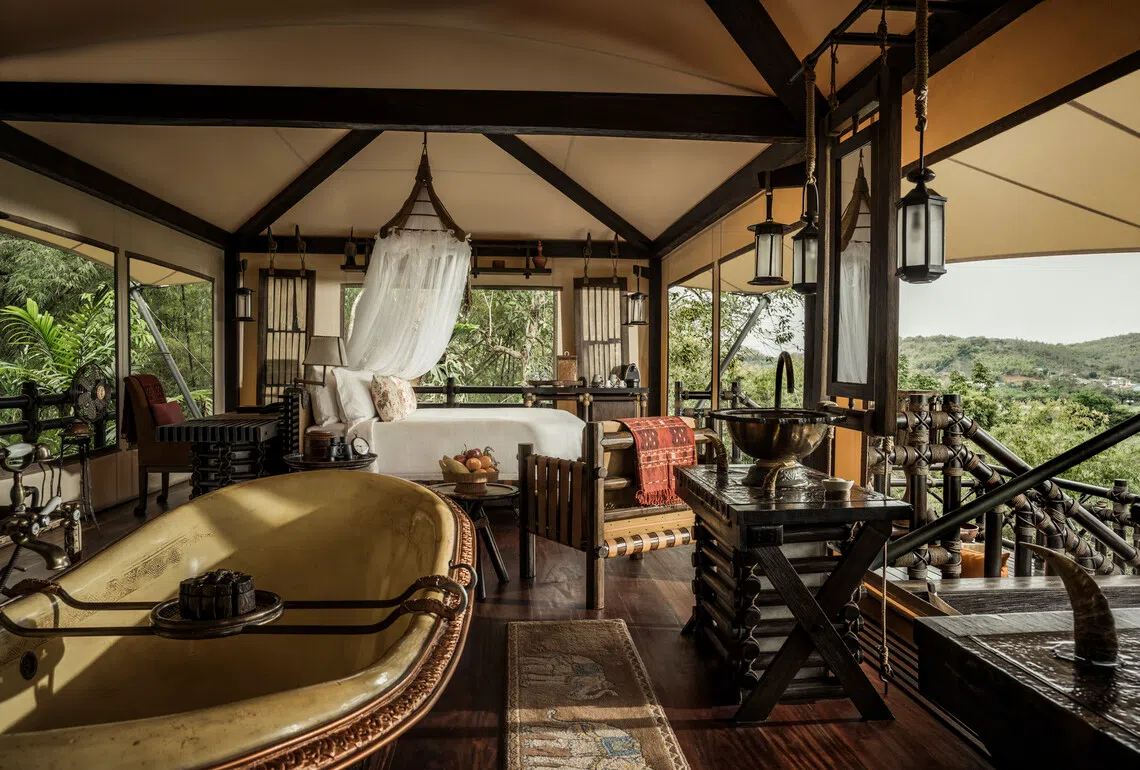
Over at Four Seasons Hotels & Resorts, travel to fresh frontiers such as the brand’s explorer ship in Palau, or to its tented camp in Thailand’s Golden Triangle, is thriving as people prioritise experiences over things, says Rami Sayess, Four Seasons’ Asia-Pacific president of hotel operations.
Oceania Cruises’ vice-president of international sales Jason Worth also notes a “hunger for more untapped countries like Greenland and Iceland, and locales across South America”.
Claiming control of how to live
Even those not addicted to travel are turning to vacations to centre themselves. Strategist Luke Yeo is a self-professed workaholic who has felt the pull to travel for leisure just thrice in the past decade. But even he has already booked two trips this year – to Bali and Fukuoka.
“I’m just tired from the shock after shock of events that are complicating the broader economic environment,” he says. “I thought things would be more stable after Covid.”
He feels that both Bali and Japan have cultures with a strong sense of community, where living is more about serving others than oneself. “They’re places I can centre myself, away from an individualistic, competitive society. There, everyone supports each other and faces shocks together.”
Speaking of community, people now travel more with family. Seeking self does not mean you have to go it alone. According to Hilton’s D’Cruz, multi-generational travel is booming, with up to 40 per cent of the US$270 billion leisure travel industry pointing to this shift.
Sayess says Four Seasons has also noted this trend, as it welcomes more families booking trips to connect and create memories.
These trends, travel experts predict, are here for the long term. “I believe these preferences aren’t merely transient,” says Silversea’s Walker. “The future of travel will likely continue to evolve around creating experiences that offer respite from the pressures of modern life.”
Tan, the banker, is already noticing how her South American break has altered her perspective and helped her cope with starting afresh in a new job. “The world is huge,” she says. “It’s shown me that I shouldn’t focus so much on myself. Sometimes, we need to take a step back and look at the big picture.”
Decoding Asia newsletter: your guide to navigating Asia in a new global order. Sign up here to get Decoding Asia newsletter. Delivered to your inbox. Free.
Share with us your feedback on BT's products and services
TRENDING NOW
Singapore identifies 7 firms responsible for haze fires, notices issued urging action: Grace Fu
DBS remains analysts’ pick ahead of Q3 earnings after Singapore banks’ share slump
High Court rules against Julius Baer’s Singapore trust arm in US$50 million family trust dispute

Could stablecoins be the future of money?

