

Spirit of old Japan
Ise-Shima opens up a doorway to traditional Japan through its charming coastal communities
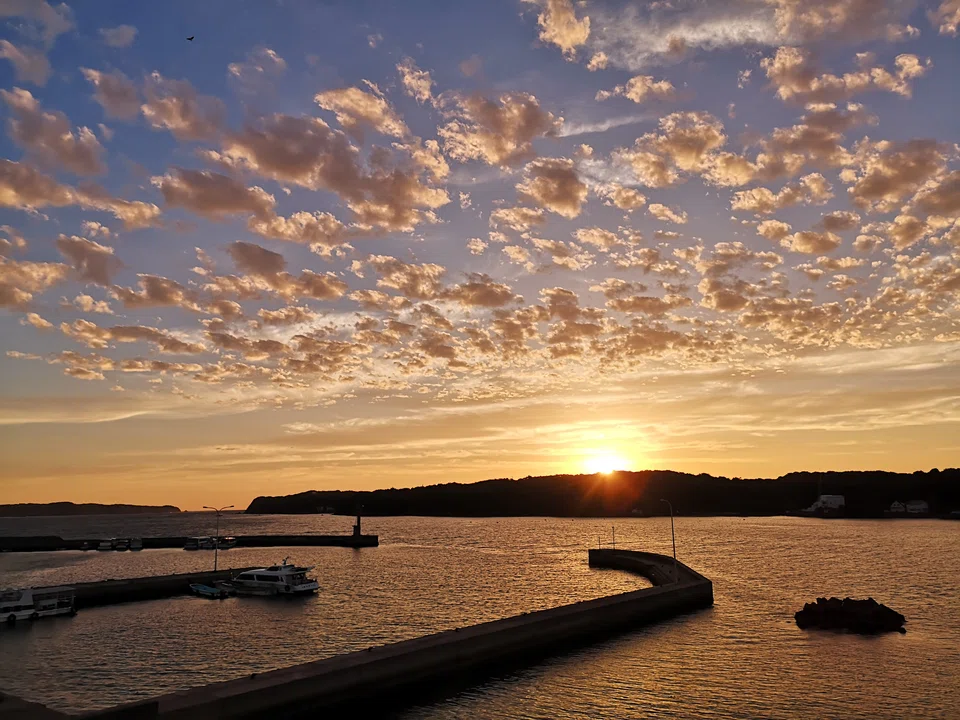
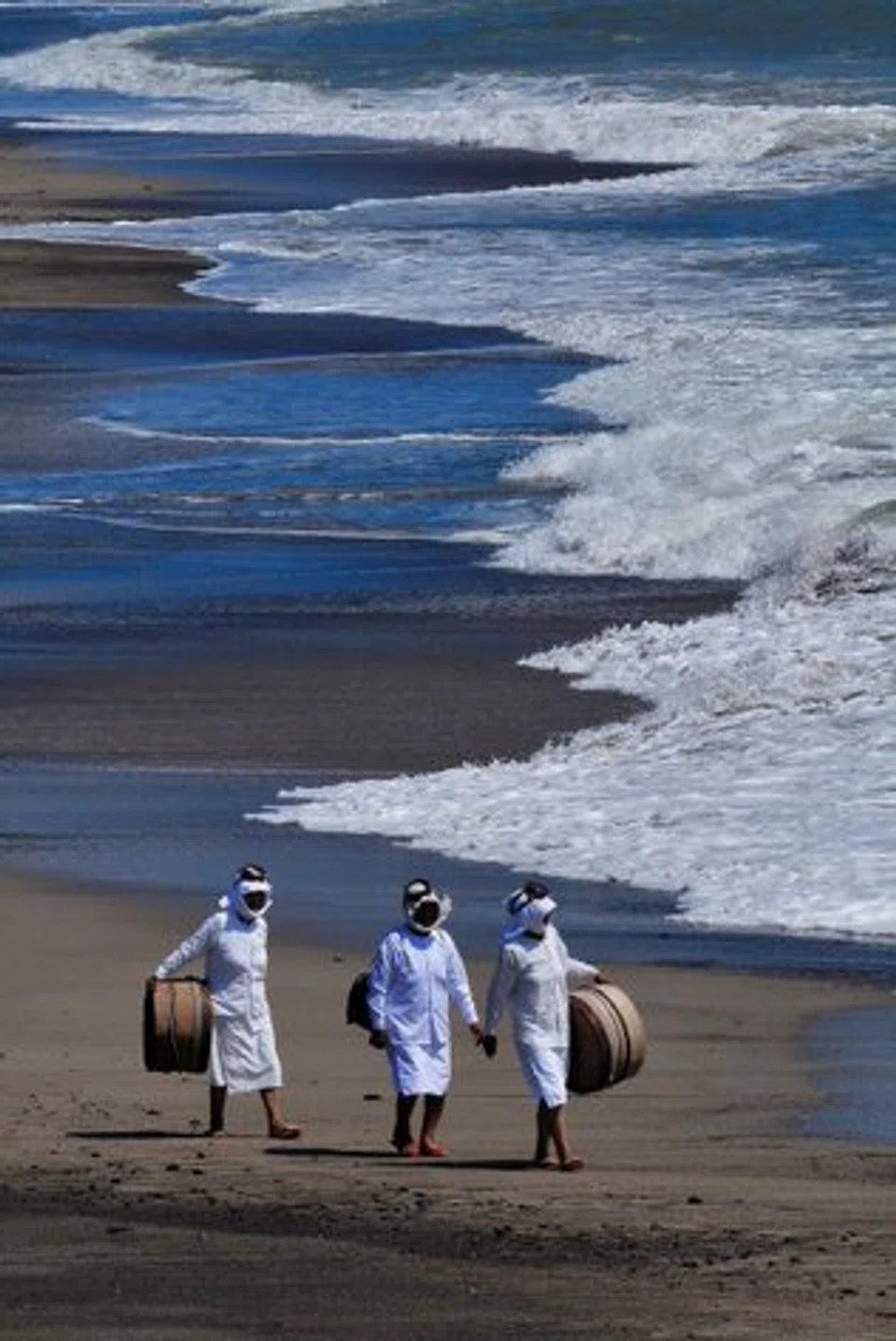
DON’T expect to wake up and smell the coffee in Ise-Shima. Cafe culture, which has swept through much of the world, creating pockets of lookalike streetscapes from Sapporo to Santiago, has not caught on in this part of Japan.
And what a welcome difference that makes to your senses. Here you can fall asleep to the grassy scent of your tatami room, catch a bracing whiff of seawater from your balcony, inhale the musky nostalgia of incense in the lobby and, best of all, be led by the irresistible smell of grilled fish to the breakfast table.
Ninety minutes south of Nagoya and two hours east of Osaka, Ise-Shima, in Mie prefecture, is famous for its long intricate Pacific Ocean coastline made up of vast inlets scattered with forested islands.
Most of Ise-Shima’s residents live within the Ise-Shima National Park as the park encompasses the cities of Ise, Toba, Shima, and parts of Minami-Ise town.
The region boasts a certain spiritual and cultural pedigree that makes it one of the best-kept secrets of Japanese domestic tourism.
This is where Japanese tourists come to pray for blessings at Ise Jingu, one of Shinto’s oldest, holiest and most-visited shrine complexes. And, this is also their go-to place for serious pearl jewellery shopping, as Ago Bay in the south of Ise-Shima is known as the birthplace of the cultivated pearl.

The sheltered bays here yield an abundance of seafood such as abalone and Ise-ebi or lobster, which ama or women freedivers are believed to have been gathering for the last 5,000 years.
Ise-Shima has also found its way into Japanese literature and the arts. Mishima Yukio’s novel Shiosai or The Sound of the Waves is set on an island in the Gulf of Ise and tells of the love story between a fisherman and an ama diver. In Oshin, the long-running television drama series from the 1980s, Oshin experiences a relatively happy interlude in her otherwise troubled life selling seafood in Ise.
This understated yet stunningly beautiful part of Central Japan, however, has few of the haunts frequented by international tourists, such as depaatos or department stores and Western-style bakery-cafes. Even konbinis or convenience stores do not seem quite as ubiquitous here as in the rest of Japan. The shinkansen or bullet train does not make its way here, although many express train services do. And, because of the scarcity of international travellers, very little Eigo or English is spoken here; and just about all menus, signs and brochures are in Japanese only.
Yet, this very absence of cosmopolitan aspirations is itself part of the region’s unique, even idiosyncratic appeal. While it may not suit first-time visitors to Japan, Ise-Shima opens up a doorway to traditional Japan as glimpsed through the everyday lives of rural Japanese people.
Shinto’s oldest and holiest
Ise Jingu, dubbed the soul of Shinto, is a collection of 125 shrines centred on two main areas – Geku or the outer shrine, and Naiku or the inner shrine. In an example of pre-Buddhist architecture, the shrines are constructed from hinoki or solid cypress wood without using a single nail.
Every 20 years, the entire complex, including the ujibashi or wooden bridge leading to the shrines, is torn down and rebuilt to the same specifications on an adjacent site. All shrine paraphernalia, from offering bowls to monks’ robes, are also remade. This renewal process, known as Shikinen Sengu, involves over 30 ceremonies, starting with the cutting of cypress trees.
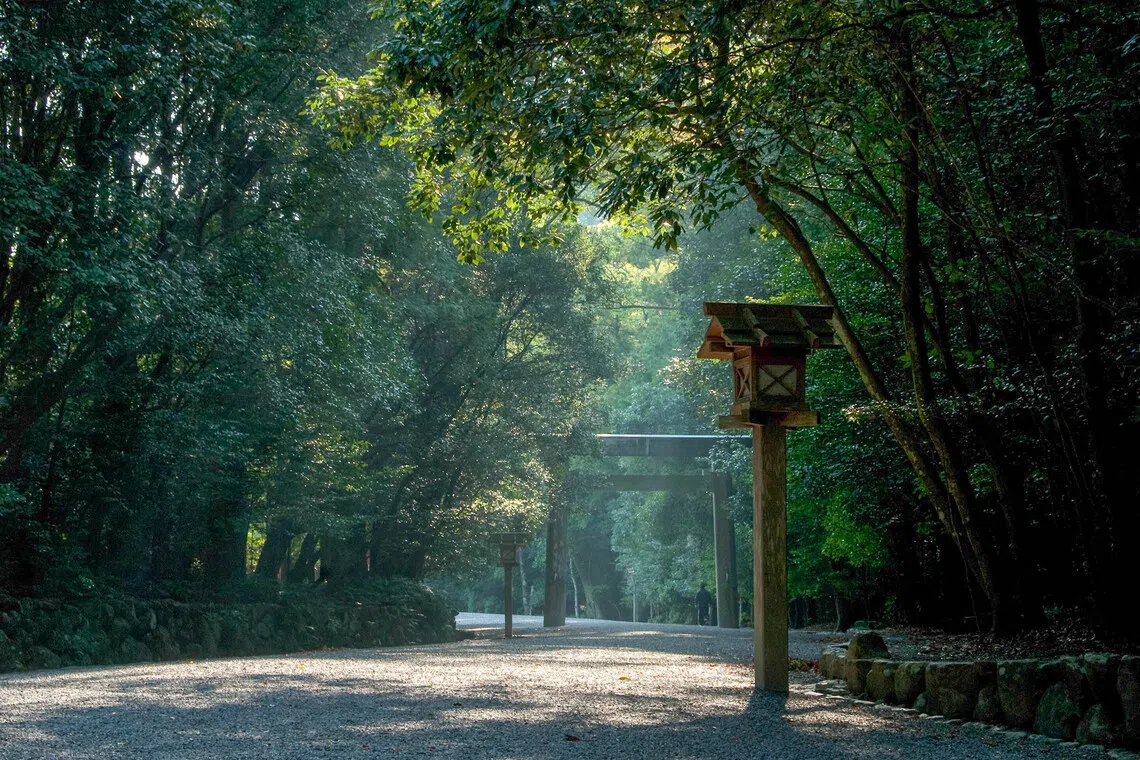
The Japanese have been making pilgrimages to Ise Jingu for thousands of years, and it is said that every Japanese aspires to visit Ise Jingu at least once in their lifetime. Up to 10 million people visit Ise Jingu a year, many over the New Year holidays.
The best way for foreigners to experience Ise Jingu is with the help of a volunteer English-speaking guide. Bookings can be made through the Ise City Tourism Association website.
Our guide, a former school teacher, explained the significance of the shrines and coached us in shrine etiquette: bowing twice at the torii gates, cleansing rituals at water troughs and by the river, and once again bowing and clapping twice for blessings at individual shrines.
To spend a day at the shrines is to experience an exercise in simplicity: an encounter with the Zen concept of beauty in empty spaces, if you like. Visitors basically walk along gravelled walkways leading to plain, almost bare, wooden shrines surrounded by cool, silent forests with the Isuzu River on its fringes.
At Kotai Jingu, the inner sanctum dedicated to Amaterasu, Shinto’s Sun Goddess, visitors are allowed to approach only the outermost of multiple fenced courtyards.
There is not all that much to see, and you are not allowed to see it, anyway. Yet, the whole experience is oddly soothing and we come away with a certain meditative calm.
Red bean in many forms
More worldly pleasures beckon from Okage Yokocho, a pedestrianised street just outside the inner shrine that recreates the architecture of the Edo and early Meiji periods.
This is the place to sample Ise-Shima’s local specialities, such as Ise udon, a silky soft version of udon tossed in a savoury-sweet soya broth topped with green onions. Raw egg yolks are an optional add-on. The dish harks back to the days when weary pilgrims arrived in Ise Jingu on foot after days of walking and needed to refuel with a light and easily digestible meal.
Traditional Japanese confectionery shops line the street and the longest queues are to be found in the shop selling akafuku, which means “red happiness” – a smooth, sweet, inside-out mochi with a thick swirl of red bean paste on the outside and sticky rice mochi on the inside.
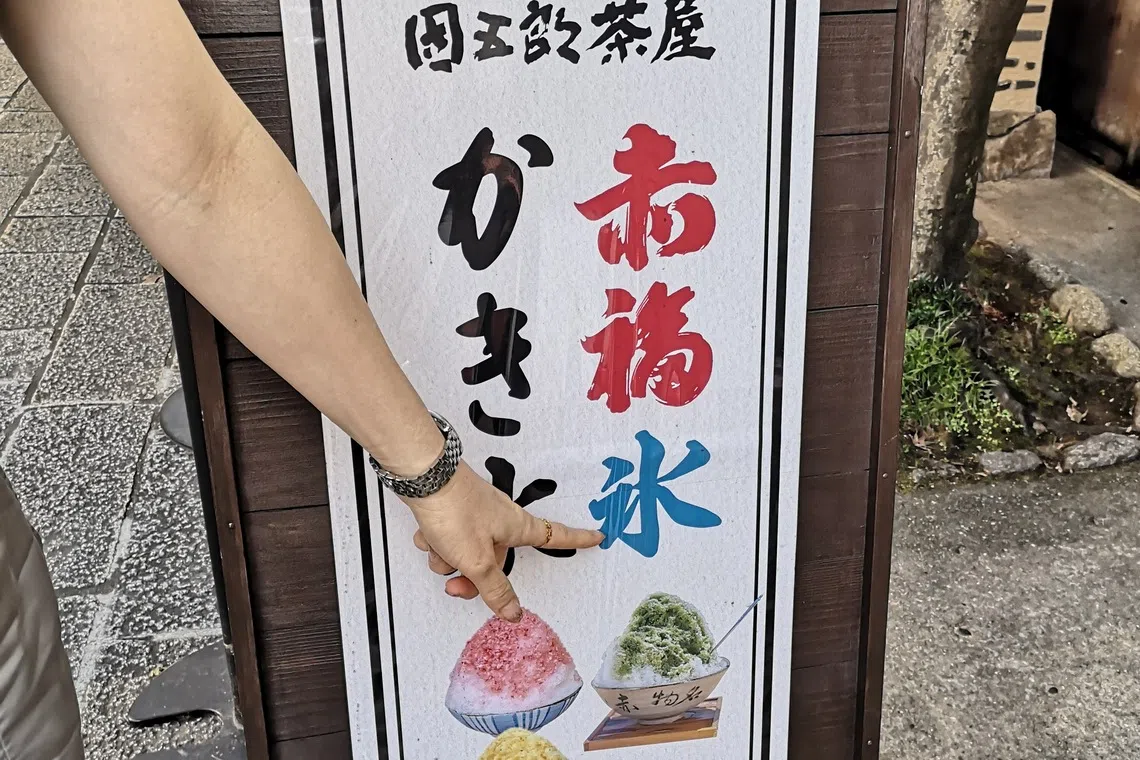
Another super-indulgent treat to seek out: akafuku gori, a shaved ice treat similar to ice kacang. We join young couples, school children and extended families to wait in line for the akafuku gori, and then sit at low tables on the floor to savour every last bit of the iced confection sweetened with a green tea syrup and filled with generous mounds of red bean.
Shopping possibilities in Okage Yokocho run the gamut from Ise tea, which comes with detailed instructions on how to make hot and cold brews, to local handicrafts, fabric and pearl.
The pearl boutiques are a nod to Ise-Shima’s claim to fame as the place where cultivated pearls were first successfully created by researchers from the University of Tokyo in the 1890s.
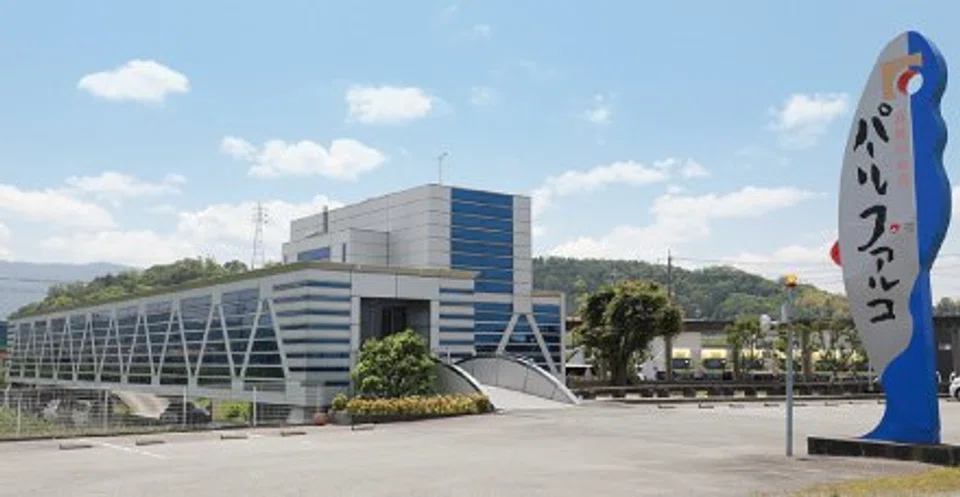
For higher-end, special-occasion pearl jewellery, Japanese visitors head out to luxury jewellery retailers such as Pearl Falco, which has a glass-encased gallery in Ise city. Pearl Falco is known for fine jewellery featuring Akoya pearls, famous for their near-perfect roundness and mirror-like lustre.
Home-cooked lunch
Half of Japan’s population of ama or women freedivers are said to work in Ise-Shima. The amas, who dive up to a depth of 10 m to forage for shellfish, were probably the ones who first discovered the region’s natural pearls in the local Akoya oysters.
In the past, their hauls often included oysters, abalones and lobsters, but these days, more often than not, they surface with turban shells, clams and seaweed.
The ranks of these hardy freedivers have also dwindled. When Mayumi Mitsuhashi started working as an ama 40 years ago, she was in a group of over 100 women divers. Today, 22 remain and most are in their 60s or older.
In recent times, amas have supplemented their income by preparing meals for visitors, some by grilling seafood in what has become known as “ama shacks”.
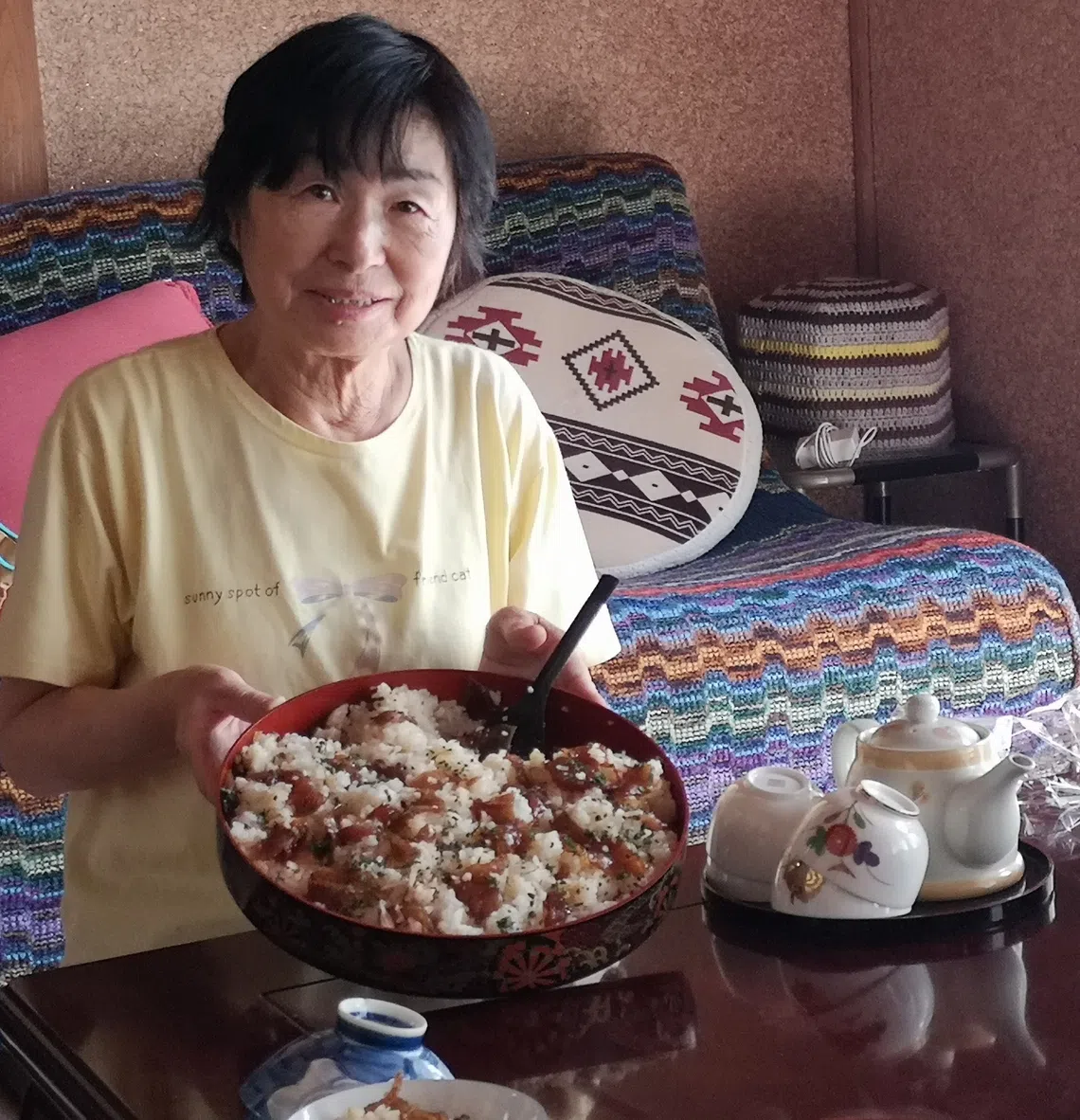
Mitsuhashi cooks lunch for visitors in her home by special arrangement. For our group, she whips up a scrumptious lunch of tempura, grilled fish and salad, using fish she caught herself and vegetables from her garden. We even get to snack on ume or plums she has pickled herself and finish the meal with a homemade chestnut ball.
Taking pride of place on Mitsuhashi’s table is local speciality sushi tekone, made with vinegared rice topped with slices of tuna marinated in shoyu and garnished with ginger, seaweed and shiso leaves. Sushi tekone has a long history in Ise – it was originally made by fishermen to use up their unsold cuts of fish, and subsequently popularised by pilgrims to Ise Jingu.
On the water
Life revolves around the sea in Ise-Shima and spending time by the water is the best way to feel the measured rhythms of this rural community.
On a boat ride with a fisherman in Minami-Ise, we take in oyster rafts, with underwater racks of Akoya oysters nursing their precious pearls, deliver lunch to out-of-town anglers patiently waiting for bites on a floating platform and learn what different markings on the sea surface mean: wooden rafts for oyster farming, floating rubber balls for fish traps and wooden stakes for seaweed farming.
Fukujyuso Ryokan, in Watakano Island, where we stayed, is accessible only by ferry. The short ferry rides offer gorgeous views of mountain, sea and sky, particularly at daybreak, as well as the heart-warming sight of families fishing on the pier at all hours. Fukujyuso is best known for its many hot spring baths, including a much sought-after cypress tub in its garden baths, and lavish multi-course seafood dinners with Ise lobster, served as sashimi and in a rich broth.
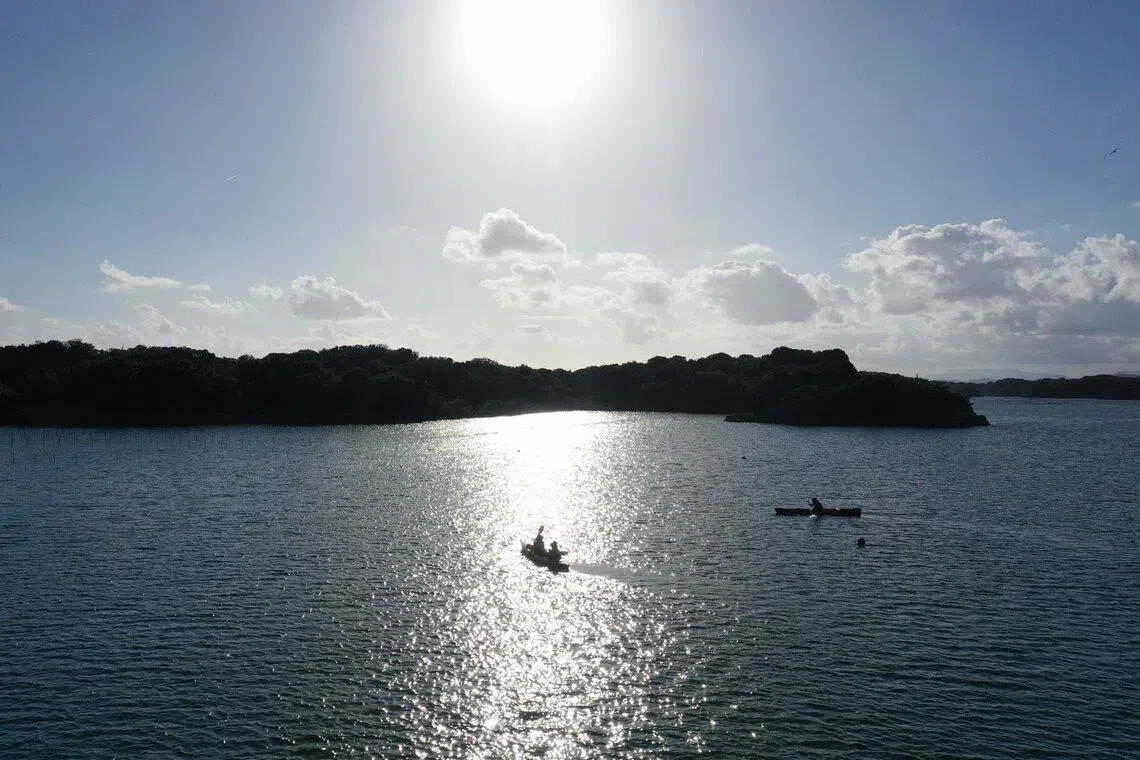
The ultimate experience on the water in Ise-Shima, however, is literally rowing your own boat. You can do this in a 90-minute sea kayaking session with Shima Nature School.
My travel companion and I have never kayaked before, but once we put on our perfectly fitting life jackets, all worries are gone.
We are in a two-person kayak while our instructor Tomoaki Azuma is in a separate kayak. Azuma stays close to us for a start, then gradually sails further and further away. The waves are gentle, the late afternoon sun is mellow, the views are gorgeous; it is the best feeling in the world making your own way across the sea.
Back on shore, as we sip our vending machine coffee and watch the sunset, the strains of music fill the air. Apparently, folk songs are played on public address systems before dinner time throughout Ise-Shima to remind children at play to head home – what a charming note on which to end an unforgettable afternoon.
Decoding Asia newsletter: your guide to navigating Asia in a new global order. Sign up here to get Decoding Asia newsletter. Delivered to your inbox. Free.
Copyright SPH Media. All rights reserved.
TRENDING NOW

From legacy to launch: Francis Yeoh and Yeoh Pei Xien on family unity and YTL’s next‑gen ventures

Could Japan trigger the next global financial crisis?
Wealthy Indonesians snap up government bonds as yields near 8%: OCBC

‘You buy more picks and shovels because you keep hitting gold’: Why AI spending needs to see results

