

Waking up exhausted? A hidden sleep disorder may be hijacking your rest
Experts tell us why women with insomnia should be screened for upper airway resistance syndrome
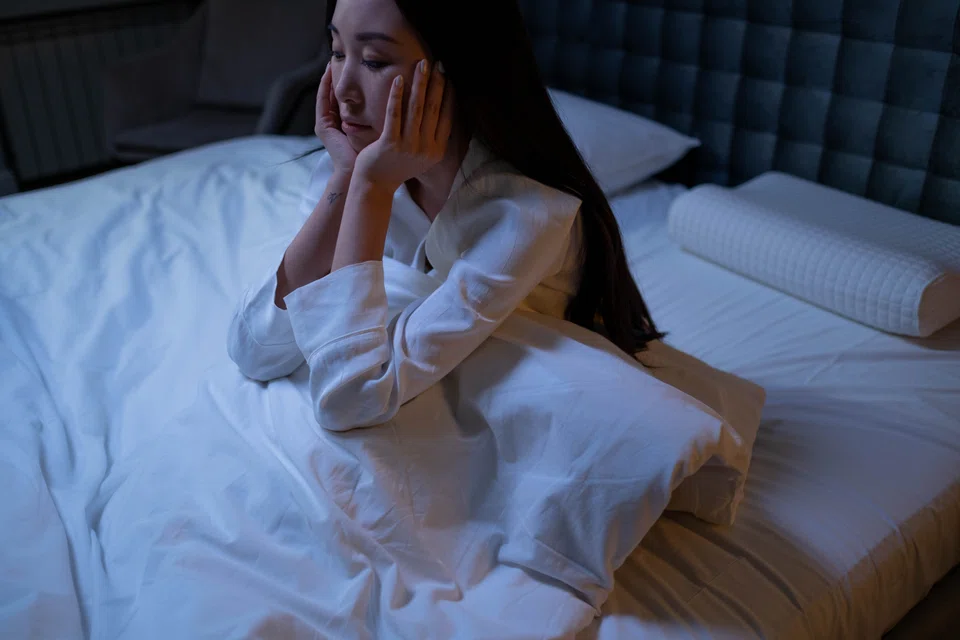
[SINGAPORE] Despite getting sufficient hours of shut-eye every night, LT would wake up feeling tired and with a mild headache. During sleep, the 29-year-old software engineer would also grind her teeth.
She tried to improve her sleep by wearing mouth tape, nasal strips and has even had a masseter Botox injection, which delivered the drug into the large chewing muscle on the jaw to relieve clenching and teeth grinding, or bruxism.
But nothing worked until she saw a sleep specialist who diagnosed her with upper airway resistance syndrome (UARS).
Many are familiar with obstructive sleep apnea (OSA), a medical condition in which the airway is completely blocked and breathing repeatedly stops and starts during sleep.
But few are aware of UARS, a form of sleep disorder involving mild airway narrowing and micro-awakenings driven by extra breathing effort.
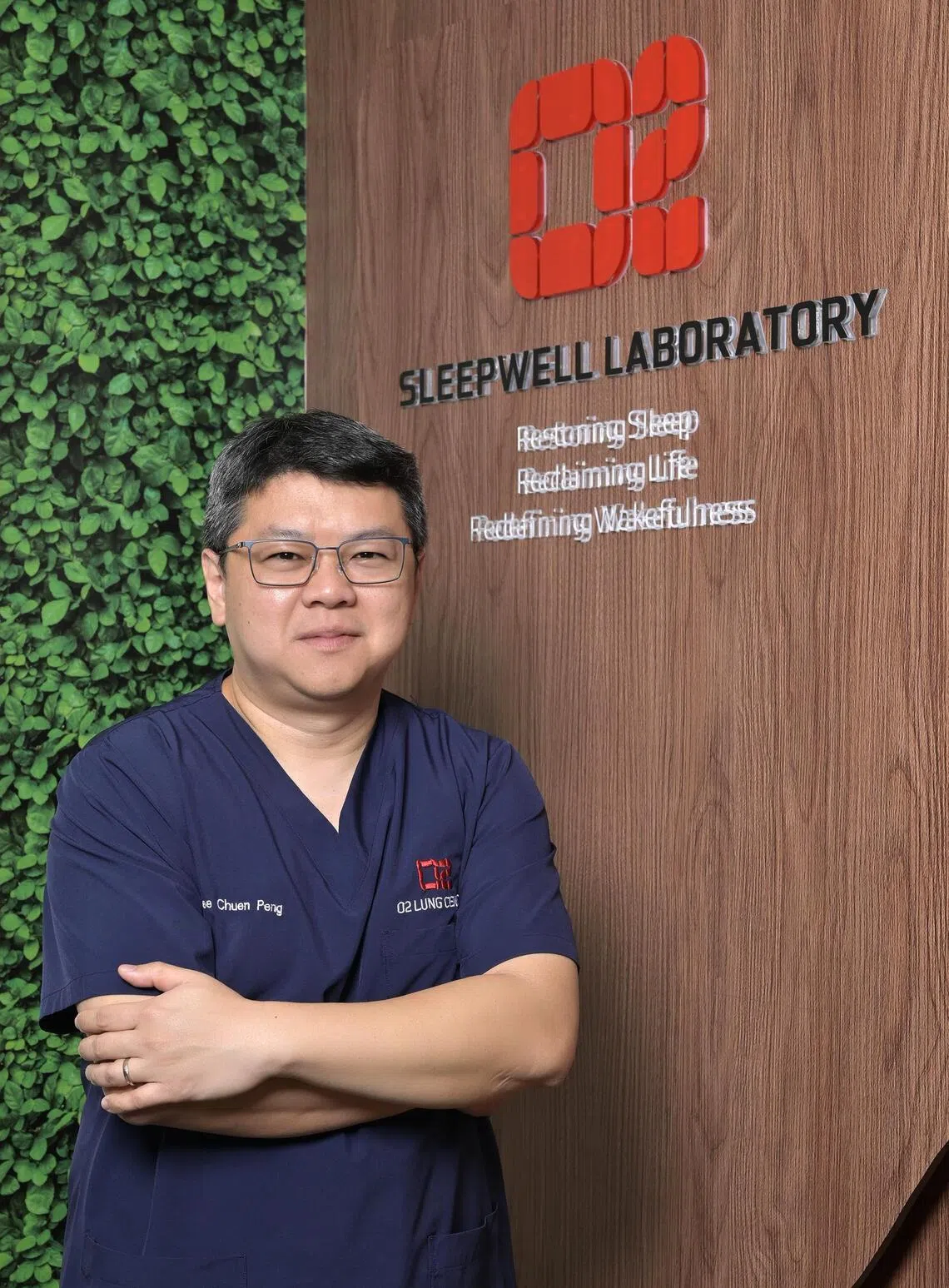
Dr Lee Chuen Peng, a pulmonologist, sleep physician and intensivist consultant at O2 Lung Centre and medical director of O2 SleepWell Laboratory, says: “Your brain notices the struggle and wakes you up just enough to fix it, over and over throughout the night.
“You rarely remember these wake-ups, but they stop you from getting a deep, restful sleep. Your oxygen level stays fine, and your airway never fully blocks – which is why it so often gets missed.”
Dr Leow Leong Chai, senior consultant at Singapore General Hospital’s Department of Respiratory & Critical Care Medicine and director of its sleep centre, says UARS is much less common than OSA.
“Data from a local study showed the prevalence of moderate to severe OSA in about one in three adults,” he says. “UARS is thought to be about 10 times less common.”
SEE ALSO




While OSA patients are predominantly male in the ratio of three or four to one, UARS is about three times more prevalent in women. “Because it’s so often misdiagnosed or missed entirely, the real number is probably higher,” adds Dr Lee.
What’s going on?
Women with UARS are typically younger than the average OSA patient, slim or of average weight, and may have a smaller jaw or narrower airway.
They tend to grind their teeth, suffer from headaches and brain fog and may also be described as anxious, depressed, or having fibromyalgia or irritable bowel syndrome (IBS).
In general, these patients – mostly women – feel very exhausted, says Dr Kenny Pang, who treated LT. He is an ear, nose and throat (ENT) specialist who focuses on sleep medicine and surgery at Asia Sleep Centre.
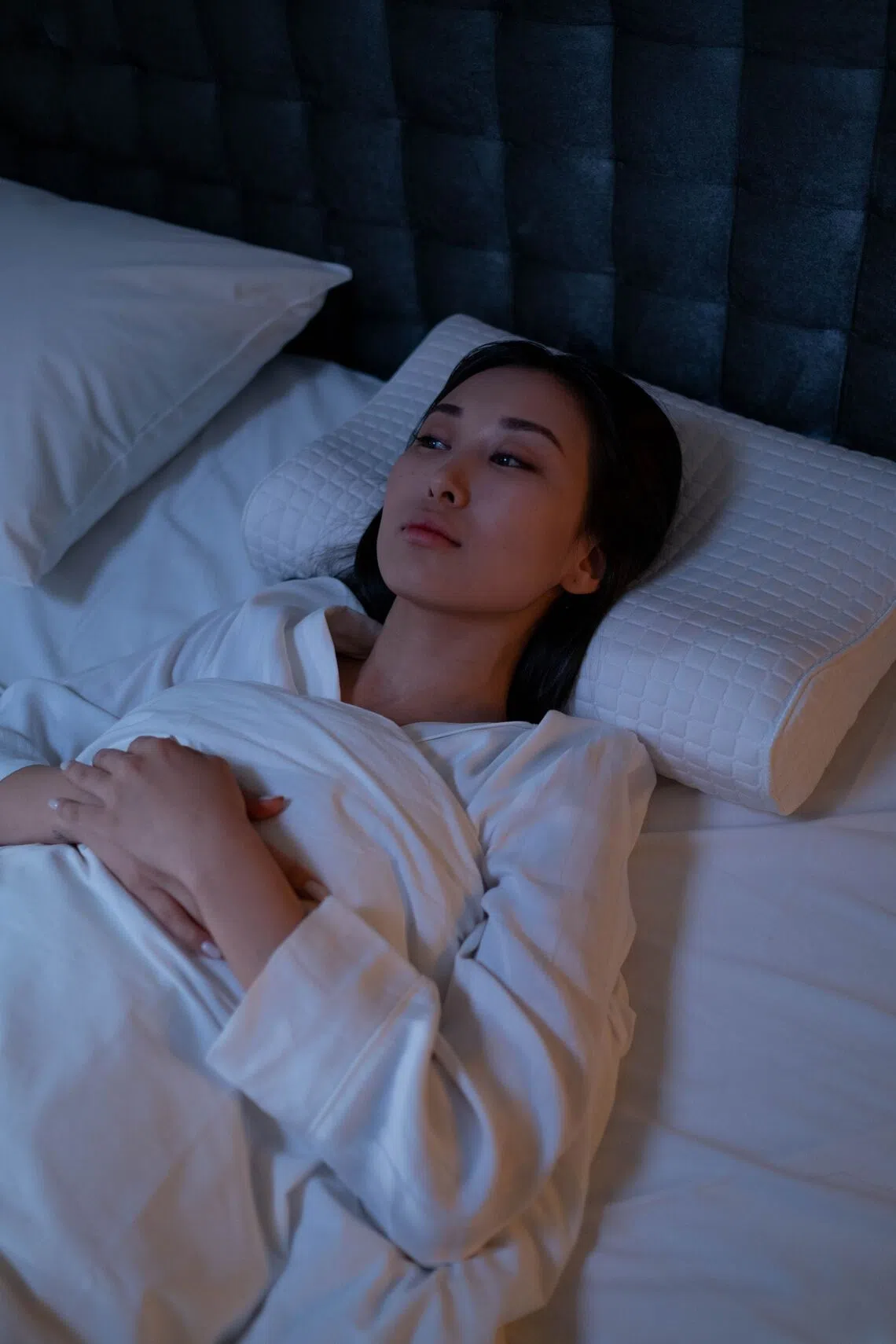
“The paradox is that while most of them are tired and exhausted, many have insomnia or sleeplessness.”
Dr Leow adds that not infrequently, these patients have sought medical attention before, and their symptoms have been dismissed as insomnia or stress-related.
The cause
The primary problem is nasal obstruction, says Dr Pang, whose UARS patients make up 20 to 25 per cent of his sleep practice.
The narrowing of the upper airway during sleep can have anatomical reasons such as facial structure, jaw positioning or a deviated nasal septum.
There may also be physiological causes, including the relaxation of throat muscles during sleep, inflammation or swelling of airway tissues, enlarged tonsils or adenoids and chronic nasal congestion.
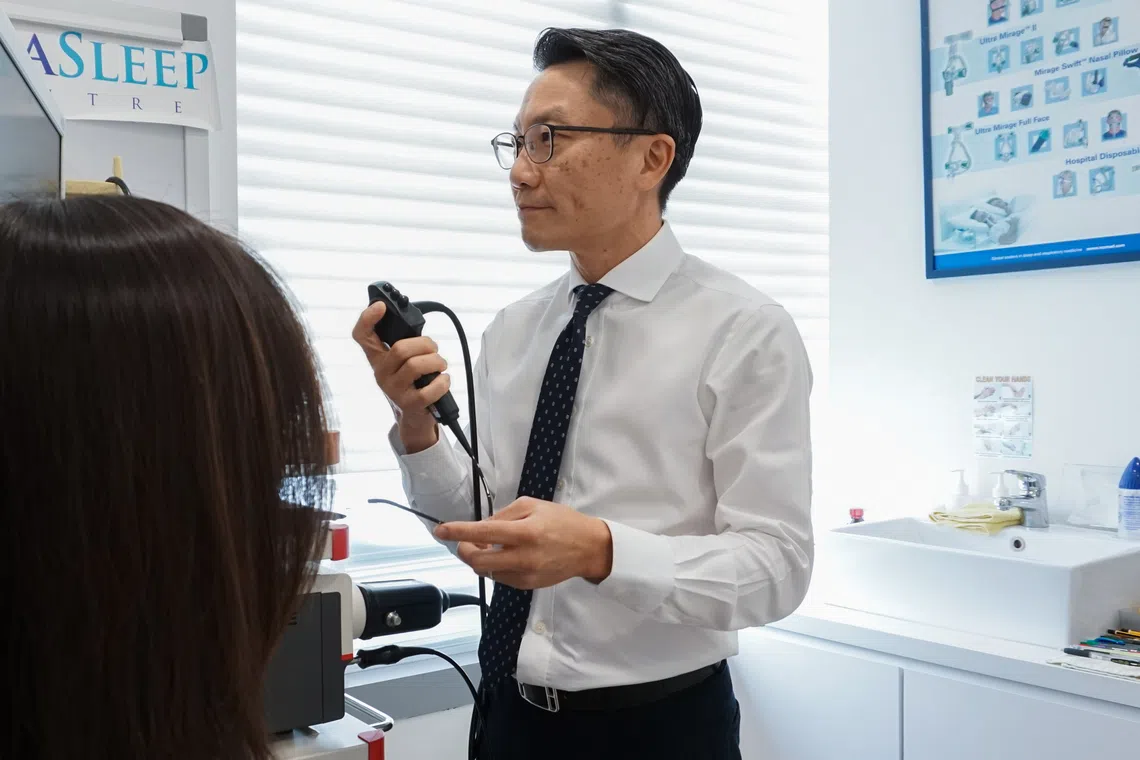
Unlike OSA patients – many of whom are able to sleep through pauses in breathing – UARS sufferers have low arousal thresholds. This means their brains detect even a little collapsing of their airways, causing them to bite down or clench their jaws, says Dr Pang.
This reflex mechanism keeps the upper airway muscles open, but leaves the patient with neckaches and headaches from biting down hard every night.
The patient also becomes tired and exhausted because of the broken sleep. “Moreover, because of the frequent biting and teeth grinding, the patient develops jaw joint problems,” he says, referring to the temporomandibular joint disorder.
The health risks
Unlike OSA, which carries a risk of hypertension, strokes, heart attacks and sudden death, UARS causes impairment to sleep quality, mood and daytime functioning, notes Dr Leow.
Sufferers are also at a higher risk of depression.
This is because chronic broken sleep feeds anxiety and low mood, says Dr Lee. The lack of deep sleep also robs the sufferer of the ability to consolidate memory, so thinking becomes foggy and slow.
Fragmented sleep also worsens other conditions, including pain, chronic fatigue and IBS.
In women, the health risks are amplified during perimenopause and menopause as hormone levels fall.
Drops in progesterone – which naturally helps keep the airway open and breathing steady – makes the throat more likely to narrow during sleep. A fall in oestrogen, which supports airway health and reduces inflammation, can also lead to nasal congestion and airway irritation, making snoring and breathing problems during sleep more likely.
Hot flushes and night sweats break sleep further, while the heart and blood vessel risks from poor sleep become more serious with age, says Dr Lee.
“A woman who was managing okay with UARS in her 30s may suddenly feel dramatically worse in her 40s and 50s, and no one connects it to her breathing.”
Indeed, Dr Leow points out that studies have shown a stark increase in prevalence of sleep disordered breathing – from snoring to UARS and OSA – after menopause.
“That’s why we must be vigilant about screening for this condition in women who present with poor sleep quality or insomnia, instead of blaming it on hormonal changes or stress.”
The diagnosis
The gold standard for diagnosing UARS is by having the patient undergo an overnight sleep study in a clinical setting that monitors and records physiological parameters to analyse sleep patterns, says Dr Leow.
In UARS patients, their Apnoea-Hypopnea Index – which measures the average number of breathing pauses (apneas) and shallow breathing events (hypopneas) in each hour of sleep – remain normal.
So sleep specialists look specifically for the tiny wake-up moments caused by increased breathing effort, called respiratory related arousals (RERAs).
“The key findings are normal oxygen levels all night and a low or normal standard breathing score, but repeated micro-arousals tied to breathing effort plus daytime symptoms such as exhaustion and brain fog,” says Dr Lee.
Dr Pang, however, has been using the WatchPat – a wristwatch-like sleep test used at home – to measure patients’ respiratory disturbance index (RDI). High RDI readings are indicative of high RERAs, which cause tiredness, sleep fragmentation and sleep disruption.
The treatment
To treat the condition, nasal airflow must be optimised, so any nasal congestion has to be dealt with first. “Then UARS can be treated with continuous positive airway pressure therapy, oral appliances or positional sleep therapy devices,” says Dr Leow.
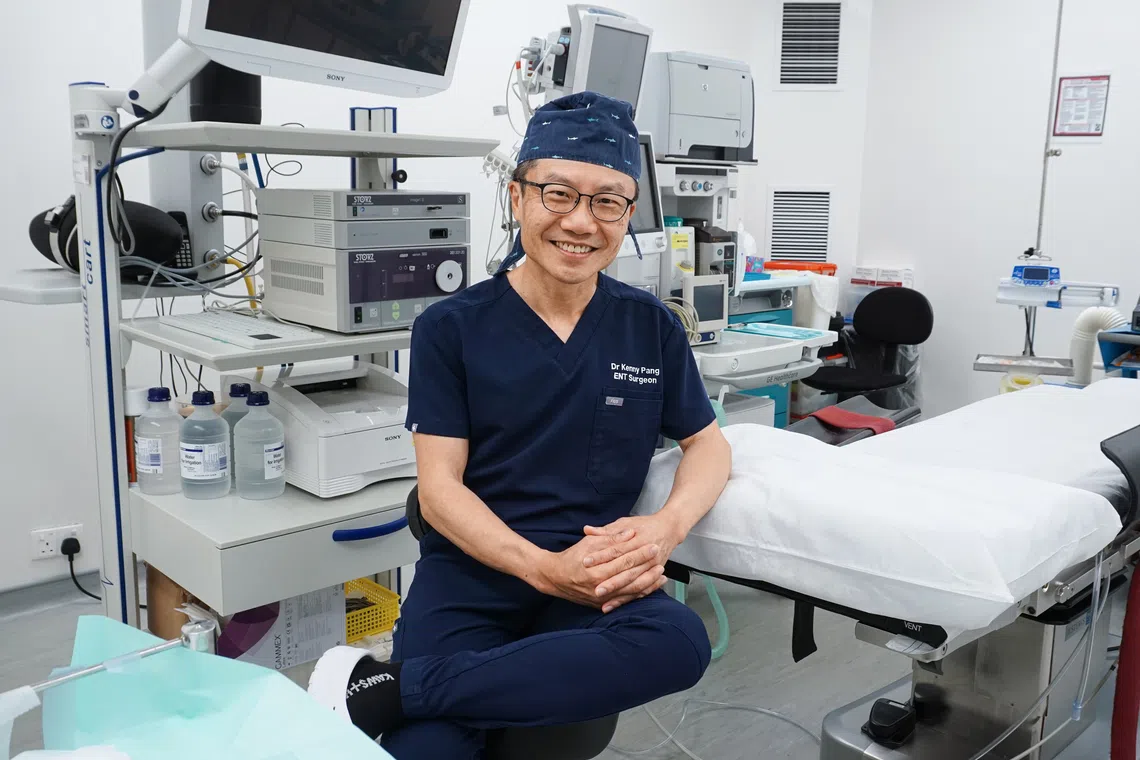
At Dr Pang’s practice, antihistamines and nasal sprays are first prescribed to see if they relieve nasal congestion and allergies.
If they do not, he opens the nasal passage by performing nasal turbinates reduction – a procedure to shrink enlarged bony structures (turbinates) inside the nose – and straighten the septum if it is deviated. These were the surgeries LT underwent.
A dentist can also give the patient a splint or mouth guard to protect her teeth and temporomandibular joint and administer masseter Botox.
Properly treated, patients feel they can breathe so much better through their nose and have less bruxism.
“My sleep quality has improved significantly,” says LT. “Now, I wake up feeling refreshed and the headaches are gone.”
Women also commonly report their energy returning and are able to get through the day “without crashing”, says Dr Lee.
In addition, better sleep lifts their mood, improves their memory and leads to clearer thinking, fewer headaches, less pain and calmer digestion.
“For many women, just getting the diagnosis after years of being dismissed is a turning point,” he says. “Treatment gives them their life back.”
Decoding Asia newsletter: your guide to navigating Asia in a new global order. Sign up here to get Decoding Asia newsletter. Delivered to your inbox. Free.
Copyright SPH Media. All rights reserved.
TRENDING NOW

Once staunchly pro-China, Malaysian Chinese businesses are now distancing themselves from Beijing

Looking beyond looming CEO succession, should UOB potentially pursue a transformative merger?

Could stablecoins be the future of money?

Grab CEO’s wife Chloe Tong on life with Anthony Tan and finding her purpose

