

Tunisia seeks to save tourist season after museum massacre
Tunis
STILL smarting from a jihadist attack that killed 21 foreign tourists last month, Tunisia is hoping to save the summer season with new security measures and an ad campaign touting its safety as a destination, but industry leaders are glum.
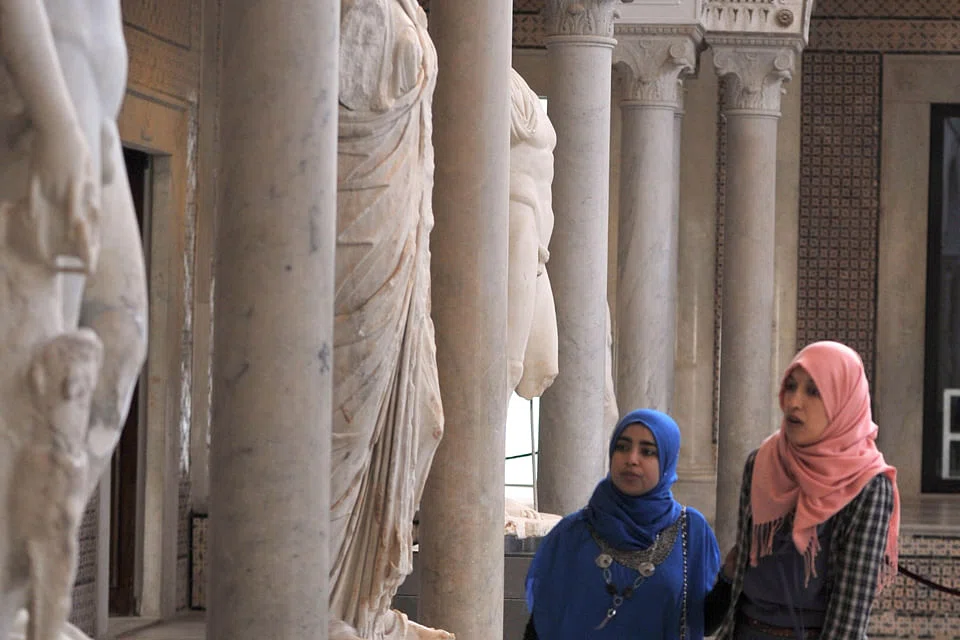
Tourism, which accounts for 7 per cent of the country's economy, was already suffering from the fallout of Tunisia's 2011 revolution, when gunmen attacked the capital's Bardo National Museum on March 18, killing tourists from around Europe and further afield, as well as a policeman.
Radhouane Ben Salah, president of the Tunisian Hotel Federation, said that "it's difficult to be optimistic for the tourist season, but we will try to save the situation somewhat". "The most worrying thing is the halt to reservations for the summer," he said, fearing a wash-out.
The drop in bookings has been precipitous.
Former colonial power France is the number one source of Tunisia's visitors, and its National Union of Travel Agencies says bookings are off by 60 per cent since the museum attack compared with a year earlier. Mohamed Ali Toumi, president of the Tunisian Federation of Travel Agencies, has stressed that reassuring tourists of their safety is key.

And Tourism Minister Salma Rekik announced last week a raft of measures aimed at preventing another deadly incident. The country will pump up security at tourist sites and on the routes to them, as well as at airports and on all means of transportation.
And riding the wave of international solidarity after the Bardo slaughter, Tunisia is playing up its image and attractions for tourists.
The authorities have launched a #TUNISIAILLBETHERE poster campaign in major cities across Europe with the support of a host of celebrities. A website shows photos of happy individuals - men and women, old and young - holding up a sign with that message in Tunisia's signature red and white colours, or alternatively in Dutch, French, German, Italian or Polish. More campaigns are anticipated as the summer draws closer.
Meanwhile, hoteliers and travellers say deeper problems have been left untouched for many years. Even before the Bardo attack, the outlook for 2015 was looking dismal. First-quarter revenues were down 6.8 per cent on a year earlier, as arrivals slumped 14.2 per cent and the number of hotel room stays fell 10.7 per cent.
"We weren't optimistic before the Bardo incident given that the security situation wasn't 100 per cent stable, but on top of that there are problems of cleanliness and the debts of tourist entities," said Mr Mohamed Ali.
Additionally, access to archaeological sites rich in Roman, Numidian and Punic history remains restricted because of an inadequate road network, limited transportation and a shortage of hotels.
Maintenance of existing infrastructure and waste disposal add to the challenges. Even the island of Djerba, the jewel in the crown of Tunisian tourism, made headlines last year for the garbage left piling on its streets because of the lack of a treatment plant.
Jalel Henchiri, head of the region's hotel association, said that the problem was being handled and "the situation will improve at the start of the season".
Mr Mohamed Ali is fed up with talk of garbage and mosquitoes.
"We must move, change, finance. We have a beautiful country that deserves better than this," he said. AFP
Share with us your feedback on BT's products and services
TRENDING NOW

Simba admits to unauthorised spectrum use; director Richard Tan to resign

‘If there’s a price to be paid, so be it’: George Yeo says Singapore must safeguard its reputation

Beyond the greenback, Vietnam’s big borrowers turn to Asian-currency bonds

Could the proposed COE changes mean higher premiums for all car buyers?

