An unexpected benefit of UK banknote innovation: Britons eat less cash
The number of damaged notes – especially those that have been ‘chewed or eaten’ – is down substantially
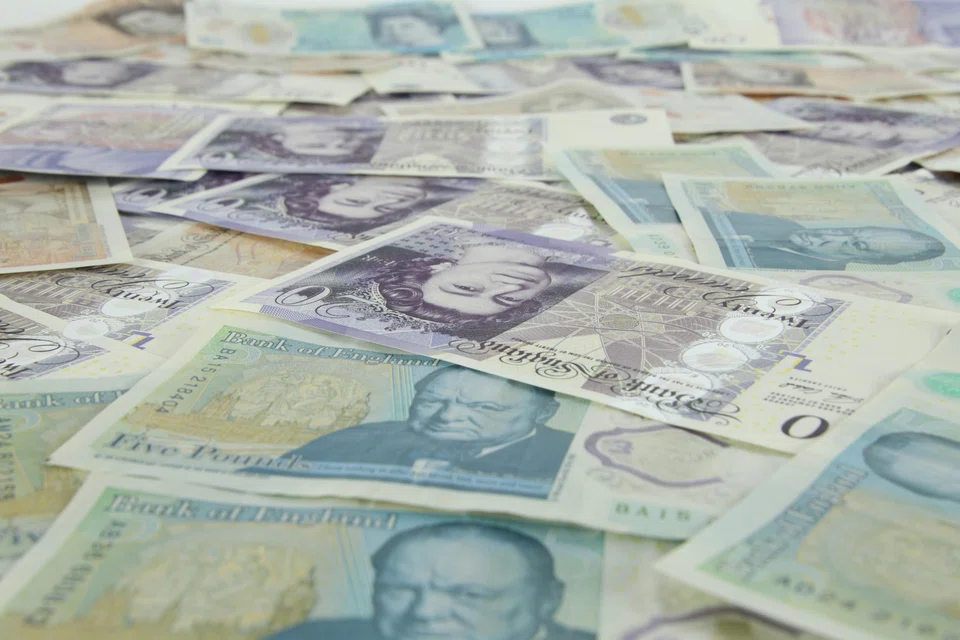
[WESTMINSTER] A row over the decision to remove wartime leader Winston Churchill from the UK’s money last week exposed a country set in its ways – at least where its cherished pound notes are concerned.
But innovation has its benefits. Since the Bank of England (BOE) switched to printing on polymer from paper 10 years ago, Britons now eat much less cash.
Data from the UK central bank shows that the number of damaged notes has declined precipitously in the past decade, especially when it comes to those taken out of circulation because they’ve been “chewed or eaten”.
In the year before the BOE started rolling out plastic notes – a process it kicked off in 2016 with the Churchill fiver – there were almost 22,000 claims made for damaged notes made by the public, banks, businesses and the police. That included 5,364 that it said were mangled by attempted consumption.
For last year, the figures show a mere 274 were chewed or eaten, with overall claims for damaged notes halving from 2015. That comes despite the number of notes in circulation increasing to record highs.
It’s unclear whether the tooth marks belonged to humans, animals or something else entirely. The BOE could not be drawn on that question.
What’s plain is that, with plastic now standard across the £5 (S$8.55), £10, £20 and £50 denominations, Britons have discovered either that the most recent series is less tasty than paper or, more likely, harder to eat.
Notes in another category that the bank tracks – those that have suffered contamination from things such as drugs or bodily fluids – also declined, with the majority of notes sent back for reimbursement because they were torn or partial.
For obvious reasons, the bank said it reimburses people only for the face value of a damaged note if they can produce at least half of it.
SEE ALSO

A BOE spokesperson said the trends bear out the switch to the sturdier notes, which cost more to make but ensure a longer life. The polymer notes cost £0.07 to £0.08, versus roughly a penny for the paper ones.
Members of the BOE’s Note Circulation Scheme – which includes the Post Office, G4S Cash Solutions, National Westminster Bank and Vaultex UK – distribute new banknotes for the central bank and process the ones taken out of circulation.
While the old paper notes were often composted, that’s not suitable for polymer. Instead, when they reach the end of their useful life, the BOE sends them off to be turned into pellets with other recycled material and sold to manufacturers to create new plastic items, such as plant pots.
The BOE said the transition from paper was meant to make its money “cleaner, safer and stronger”.
Data shows the newer notes have been less easily counterfeited by criminals because of sophisticated security features, including transparent panes and a hologram that changes when the money is tilted.
The number of counterfeit notes discovered by the BOE has fallen from an average of almost 500,000 between 2010 and 2015 to below 150,000 in the last three years – the period when all the new plastic notes have been in circulation.
The BOE said earlier this month that it was shifting away from depicting historical figures such as Churchill and Jane Austen on its banknotes to showing British wildlife. Even though that was the top choice in a well-subscribed public consultation, opposition parties have stoked a backlash against the removal of the UK’s popular former prime minister.
Victoria Cleland, the central bank’s chief cashier, said that wildlife will help the BOE incorporate new security features that convey movement, such as a bird flapping its wings. BLOOMBERG
Decoding Asia newsletter: your guide to navigating Asia in a new global order. Sign up here to get Decoding Asia newsletter. Delivered to your inbox. Free.
Share with us your feedback on BT's products and services