

US cancer death rate dropped by a third since 1991
 Add BT as a preferred source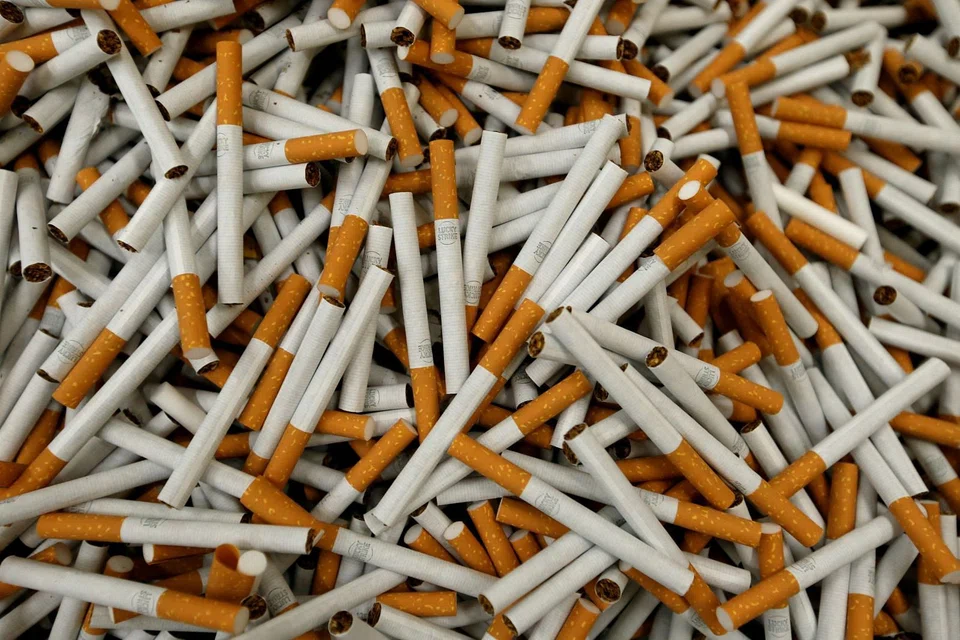
[WASHINGTON] The risk of dying from cancer in the United States has fallen by nearly a third in three decades, thanks to earlier diagnoses, better treatments and fewer smokers, an analysis said Wednesday.
The cancer death rate for men and women fell 32 per cent from its peak in 1991 to 2019, the American Cancer Society (ACS) said in its annual report.
The drop represents about 3.5 million total deaths averted.
"This success is largely because of fewer people smoking, which resulted in declines in lung and other smoking-related cancers," it said, adding that lung cancer causes more deaths than any other kind.
And the rate of decline is accelerating, data shows. In the 1990s, the risk dropped one per cent yearly. Between 2015 and 2019, the rate shrank twice as fast - about two per cent a year.
"Accelerating declines in the cancer death rate show the power of prevention, screening, early diagnosis, treatment, and our overall potential to move closer to a world without cancer," the ACS report said.
"In recent years, more people with lung cancer are being diagnosed when the cancer is at an early stage and living longer as a result," it added.
In 2004, only 21 per cent of people diagnosed with lung cancer were still alive after three years. In 2018, the number grew to 31 per cent.
Improving treatments and early screening are also helping to decrease death rates, but disparities in cancer outcomes persist.
The ACS reports that cancer survival rates are lower for Black people than for white people for almost every cancer type. Black women are 41 per cent more likely to die of breast cancer than white women, even though they are four percent less likely to get it.
And American Indians and Alaska Natives have the highest liver cancer incidence of any major racial/ethnic group in the United States - a risk more than double that in white people.
The ACS attributes the gap to "inequities in wealth, education, and overall standard of living," stemming from "historical and persistent structural racism and discriminatory practices."
Additionally, the Covid-19 pandemic "greatly reduced" people's ability to access cancer services, including prevention, detection and treatments, the organisation said.
"These delays in care will probably worsen cancer disparities given the unequal burden the pandemic is having on communities of color," the report warned, adding that the numbers do not account for the toll of pandemic because the most recent data available is from 2019.
Cancer is the second most common cause of death in the United States behind heart disease.
In 2022, ACS anticipates 1.9 million new cancer cases and nearly 610,000 deaths - about 1,670 deaths a day.
According to the organisation, 42 per cent of the predicted cancer cases are "potentially avoidable," since they can be caused by smoking, excess body weight, drinking alcohol, poor nutrition and physical inactivity.
President Joe Biden, who lost his son Beau to brain cancer in 2015, wanted to make the fight against the disease a priority in his presidency, but it has so far been largely eclipsed by efforts to combat the Covid-19 pandemic.
AFP
Decoding Asia newsletter: your guide to navigating Asia in a new global order. Sign up here to get Decoding Asia newsletter. Delivered to your inbox. Free.
Share with us your feedback on BT's products and services
TRENDING NOW

Taiwan’s wealthy seeks diversification to Singapore, sparking private banking race: Bloomberg

Evergreen funds making inroads into Asia: HarbourVest

Malaysian tycoon Vincent Tan’s sell-downs point to pruning rather than an exit plan

Serenity Park condo owners lower asking price to S$440 million in second shot at collective sale

