Want to be happy? Think like an old person
As people's minds and bodies decline, instead of feeling worse about their lives, they feel better; gerontologists call this the paradox of old age
 Add BT as a preferred source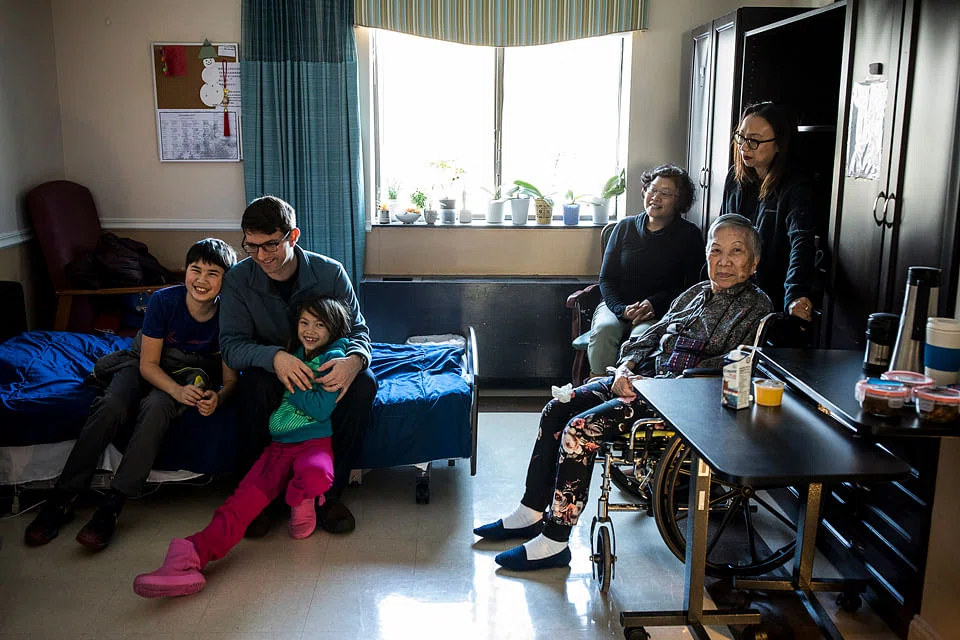
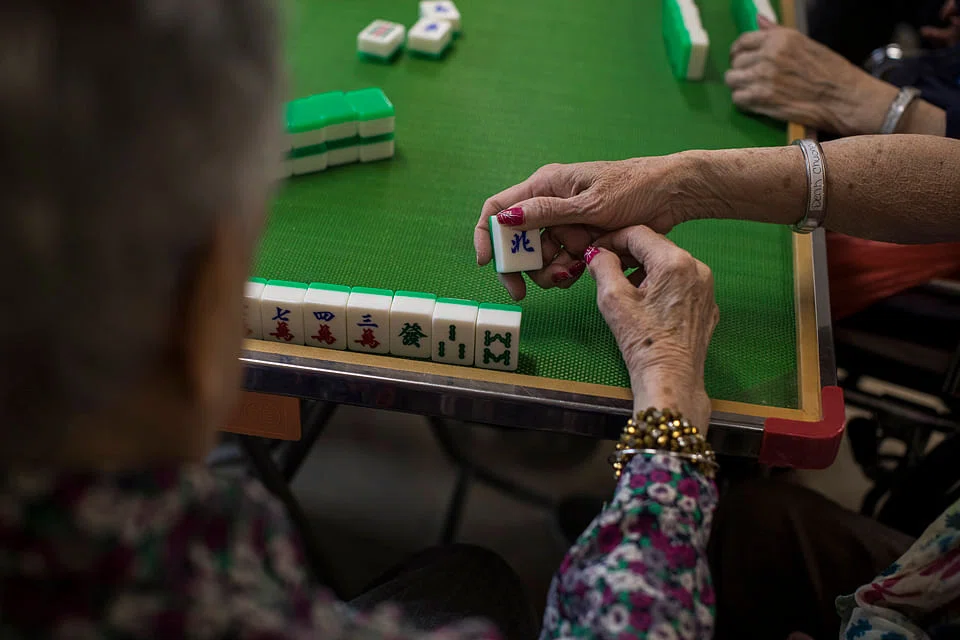
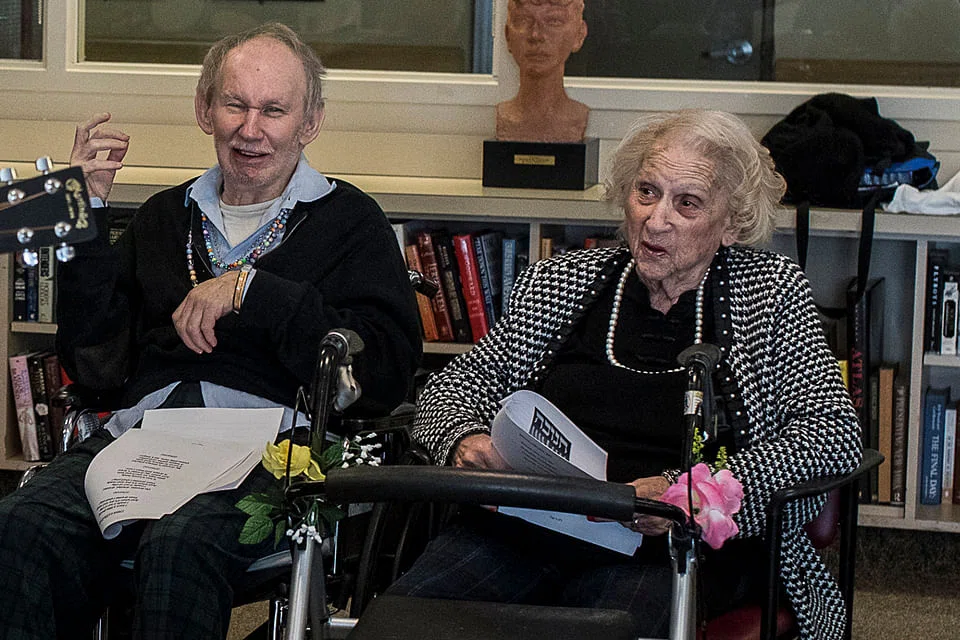
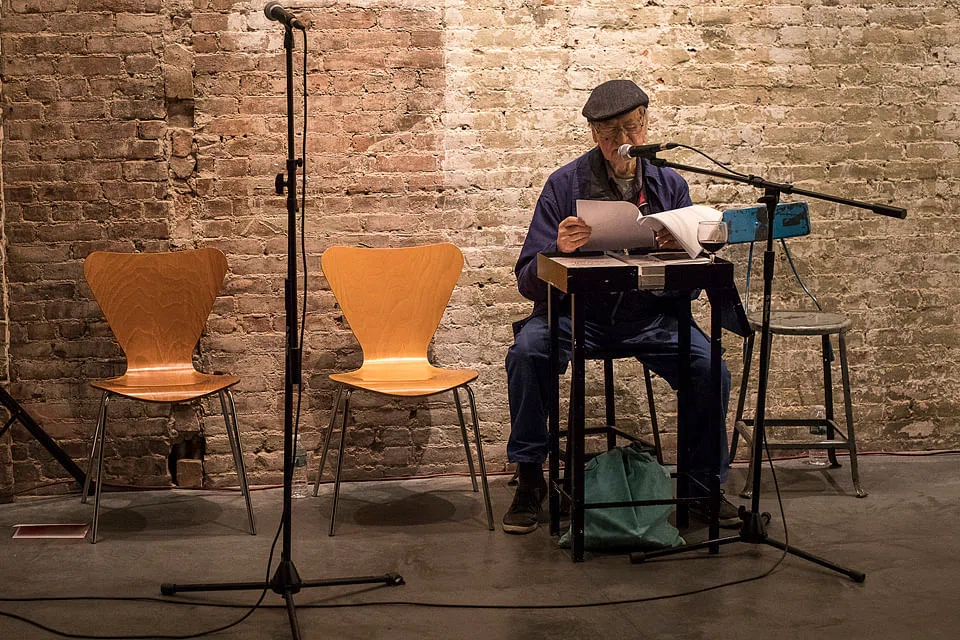
JONAS Mekas turned 95 this year and won a lifetime achievement award in Frankfurt, Germany. Ping Wong, 92, learned new rules for playing mahjong. Helen Moses, who turned 93, mostly gave up talk of marrying Howie Zeimer, her steady companion of the last eight years. Ruth Willig, 94, broke a bone in her foot and feared it was the beginning of the end.
John Sorensen's ashes wait to be scattered on New York's Fire Island. Fred Jones would have turned 90 in March.
Nearly three years ago, I started following the lives of six New Yorkers over the age of 85, one of the fastest-growing age groups in America. The series of articles began the way most stories about older people do, with the fears and hardships of ageing: a fall in the kitchen, an aching leg that did not get better, days segueing into nights without human contact. They had lived through - and some were still challenged by - money problems, medical problems, the narrowing of life's movements.
Share with us your feedback on BT's products and services