

Watch where you work: How workplace design can bring people back to the office
Workplace design has to become more intentional and structured to support remote work without diminishing the value of the physical office
THE recent announcement that formal requests for flexible work arrangements must be fairly considered by employers caused a bit of a kerfuffle. While some employers see potential for increased productivity and employee satisfaction, others fear an erosion of workplace culture and impediments to meeting business objectives.
But whichever way you look at them, flexible work arrangements add to the conversation around workplace design and how that continues to evolve.
Granted, flexible workplaces are nothing new, especially after the pandemic forced offices to close and made working from home a widely acceptable – even if temporary – option. However, flexible workplace designs have become more significant now, given workplace upheavals in the last few years.
With the formalisation of the new guidelines, organisations will be compelled to develop a structured approach to remote work that goes beyond ad hoc arrangements to truly integrated strategies, says Roohid Novinrooz, head of workplace consulting, occupier strategy and solutions at Knight Frank.
This shift, he says, isn’t just about where and how work is done, but also ensuring that the essence of the office is retained and its benefits replicated in a distributed work model. This will maintain continuity, culture and engagement.
“This change serves as an impetus for companies to reconsider their spatial needs,” he says, noting that workplace design has to become more intentional and structured. “Workplaces will need to be reimagined to support remote work without diminishing the value of the physical office.”
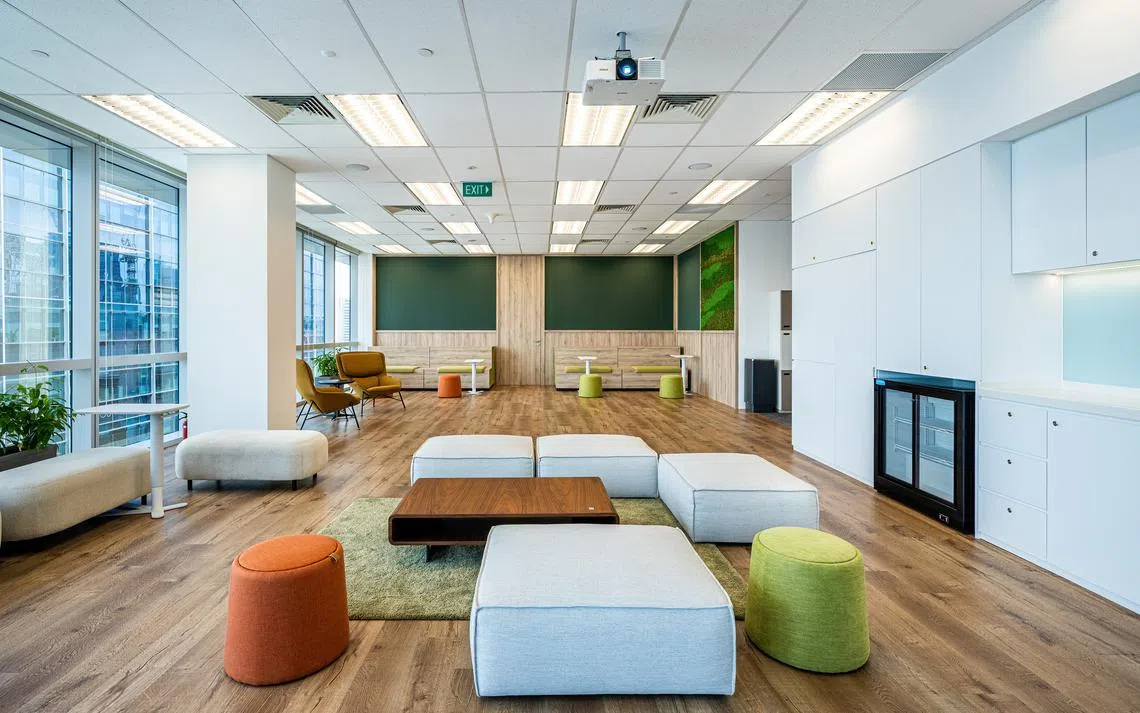
This could include designing spaces that are adaptable to various work modes and investing in technology that ensures a seamless transition between remote and in-office work, reinforcing the connection between employees, wherever they are.
After all, clients are increasingly viewing workplaces as dynamic ecosystems that can enhance business performance and, indeed, as strategic assets, says Novinrooz.
A dynamic workplace
Arsh Chaudhry, chief executive officer of workplace design and build company Space Matrix, has witnessed a growing recognition among businesses – particularly in traditionally conservative sectors such as finance and law – that the workplace is a strategic asset.
“Gone are the days of emphasis on real estate being just a cost decision with a focus on how much return on investment could be achieved (through the number of) seats per square foot,” he says. Successful workplace design projects tend to focus on people, talent attraction and retention, amplified culture and increased collaboration.
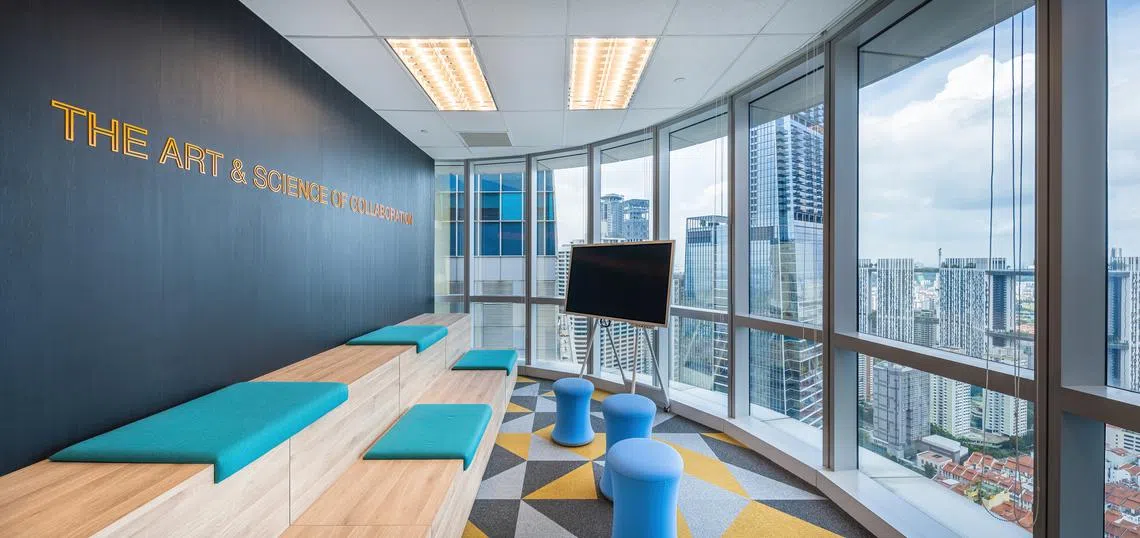
Even the notion of flexibility has evolved beyond open spaces and hot-desking to one that’s about dynamism, with spaces that should seamlessly shift to meet changing needs.
“We’re excited about concepts like sensory scapes, where designated areas cater to different moods and needs,” says Chaudhry. “Imagine quiet nooks for focused work, energetic brainstorming zones, and even wellness areas with natural light and meditation gardens.”
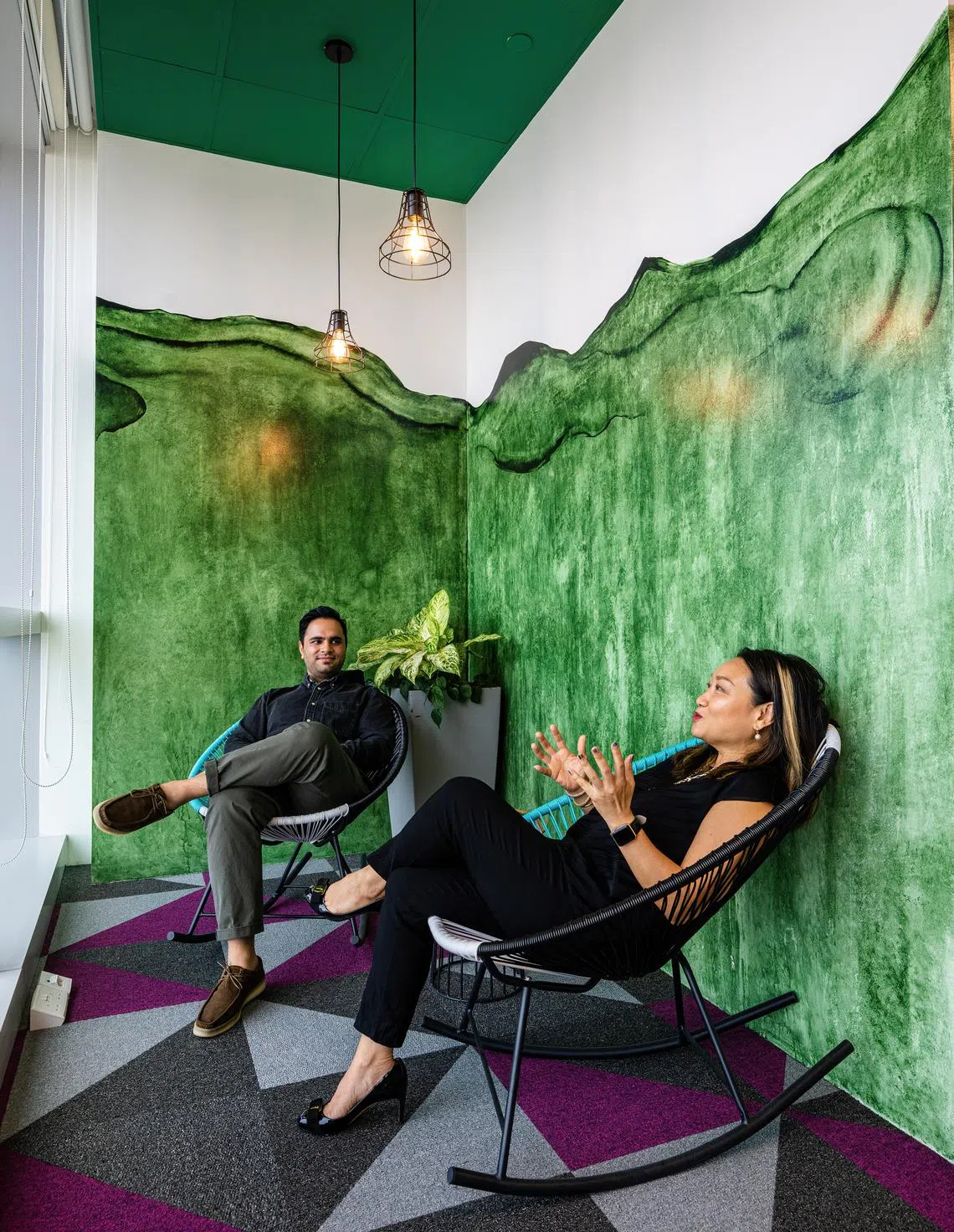
There is also a strong emphasis on neurodiversity, or the understanding that employees have diverse sensory and cognitive styles. This means incorporating adjustable features such as lighting, ventilation and furniture to empower individuals to personalise their workspaces.
Of course, sustainability is another core value.
Clients want the workplace to be both adaptable and sustainable, says Novinrooz. “They seek comprehensive solutions that embed sustainability into the DNA of the workspace. This includes integrating green building materials, energy-efficient systems and designs that maximise natural light. By doing so, companies are proactively designing their workspaces to adapt to fluctuating talent pools and economic cycles, ensuring resilience and agility.”
To address the sustainability issue, MillerKnoll, the world’s largest and most influential office furniture company, is focusing on product innovation, especially around materials. This includes the use of recycled or biodegradable materials, bamboo leathers and vegan leathers.
“We’re trying to reduce the carbon footprint of our products,” says Ben Groom, MillerKnoll’s president of international contract, adding that this is to ensure the company’s values line up with those of its customers and their employees.
People-centred design
Most of all, workplace design is about people.
That is evident in the rise in multi-purpose wellness facilities which support employees’ health and encourage a balance between work and well-being. “Work cafes are replacing traditional functional pantries, facilitating informal meetings and social interactions,” says Novinrooz, adding that aesthetic considerations, such as a hospitality-inspired environment, are key for talent acquisition and retention.
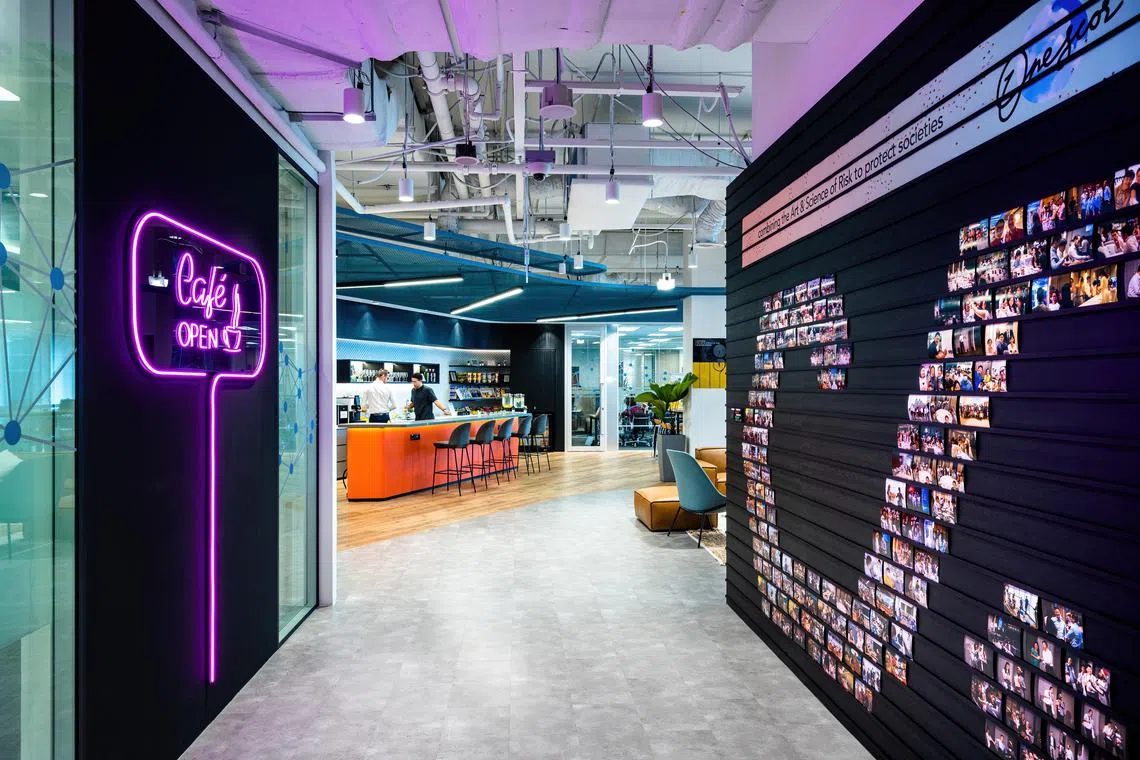
Even reception areas are transforming into interactive zones for visitor engagement, showcasing the company’s brand and culture right at the first touch point.
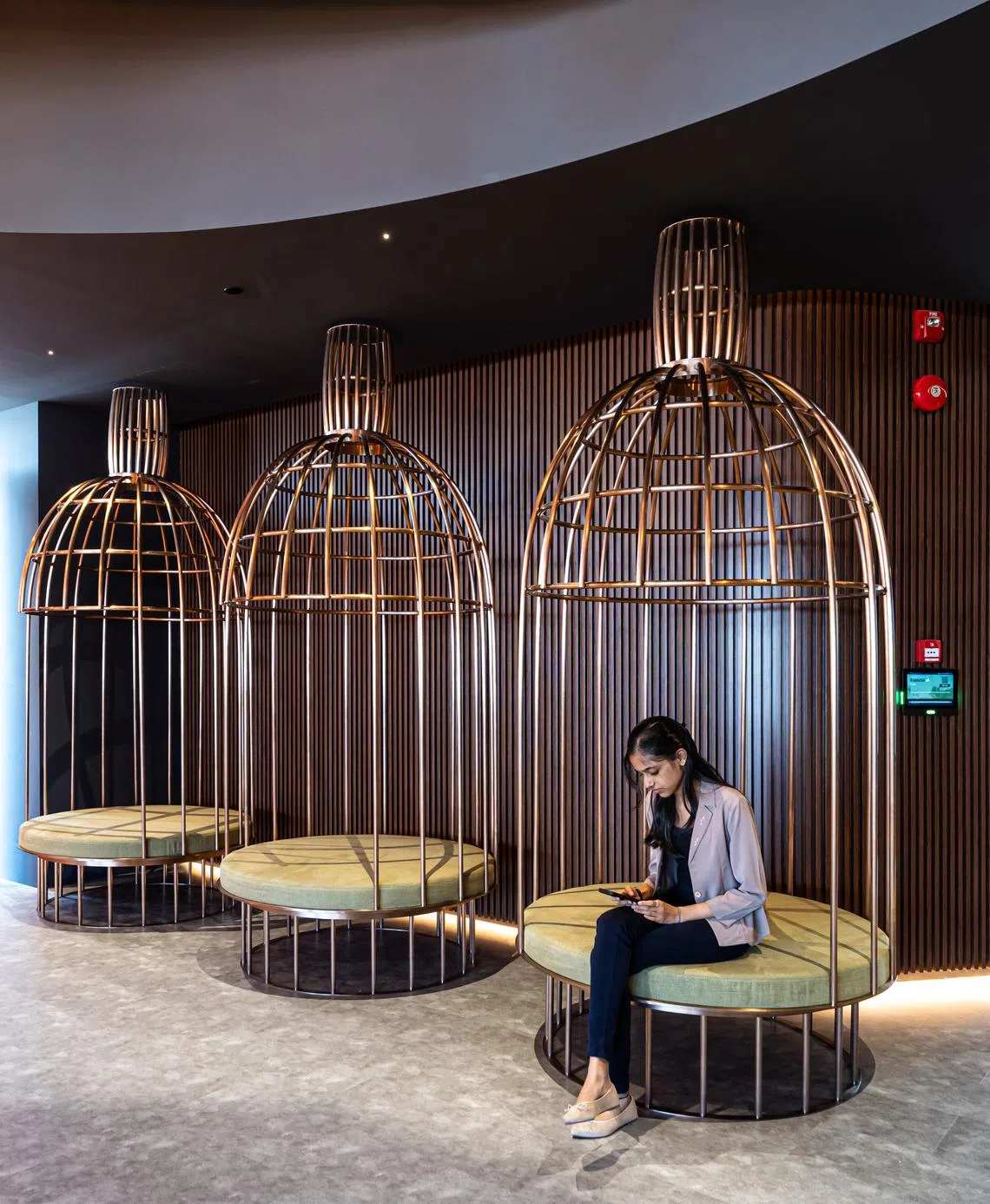
Chaudhry says designing workplaces for people includes fostering a sense of community through open areas and collaborative events, as well as embracing individuality with a variety of settings and personalised elements that support focused work.
“In short, we see a marked shift in office design, moving from a hustle culture to one that champions humanity,” he says.
Of course, each industry also presents unique demands, notes Novinrooz, with tech companies prioritising interactive and technology-integrated spaces to stimulate innovation, and law firms investing more in privacy and security-focused designs, for instance.
There is also a pronounced trend for a strategic form of brand storytelling, with product companies creatively incorporating their own goods into workplace design.
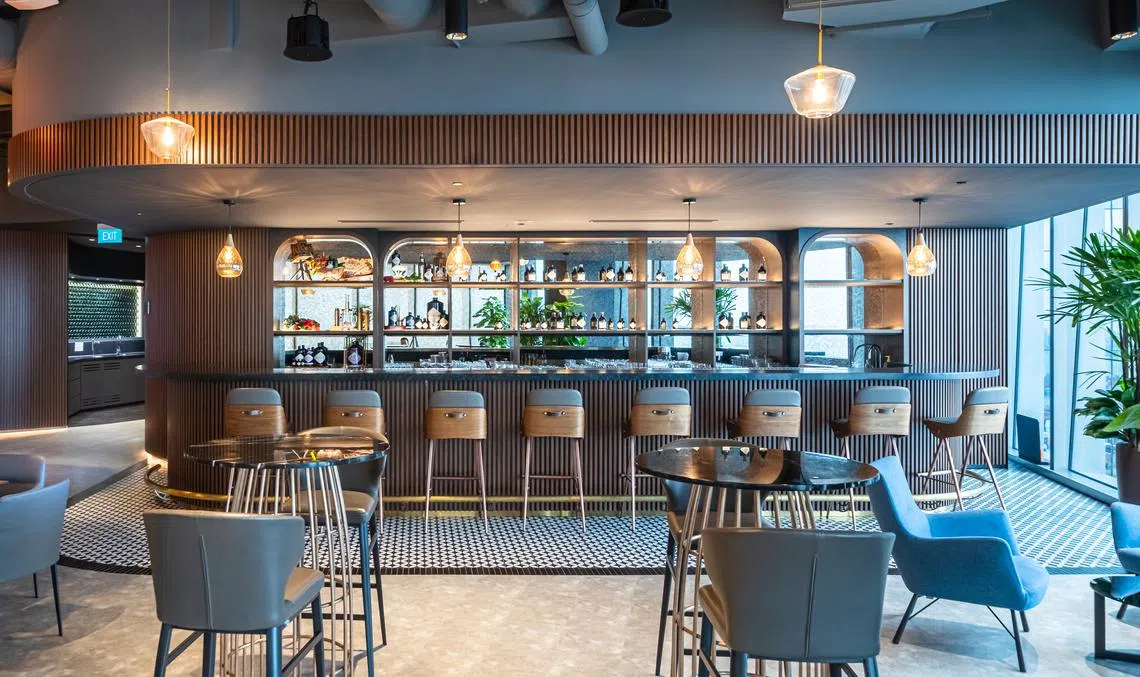
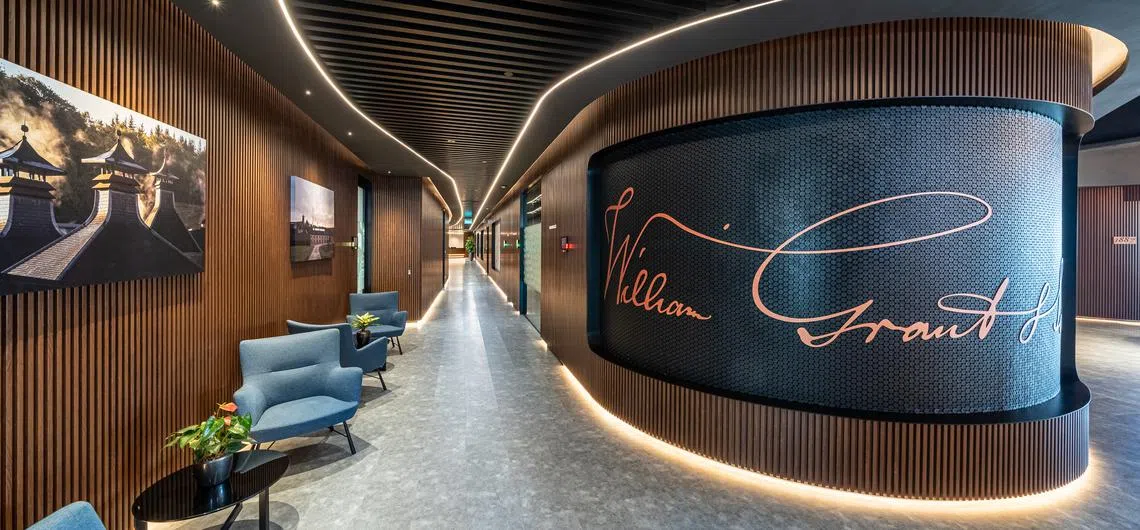
“This not only serves a practical purpose but also acts as a live portfolio, enhancing the workplace experience for both employees and visitors,” says Novinrooz. “Understanding such industry nuances is crucial for creating a space that not only meets the current needs, but also anticipates future requirements.”
Finding balance
All that is well and good, but there remains tension – such as between older and younger workers who differ in their preferences in workplace design.
Chaudhry says a balance can be achieved by keeping communication open with all users throughout the design process, creating zones catering to different work styles and tasks, giving employees some level of control over their workspaces, and ensuring adaptability through modular furniture, moveable walls, and flexible layouts that permit future modifications.
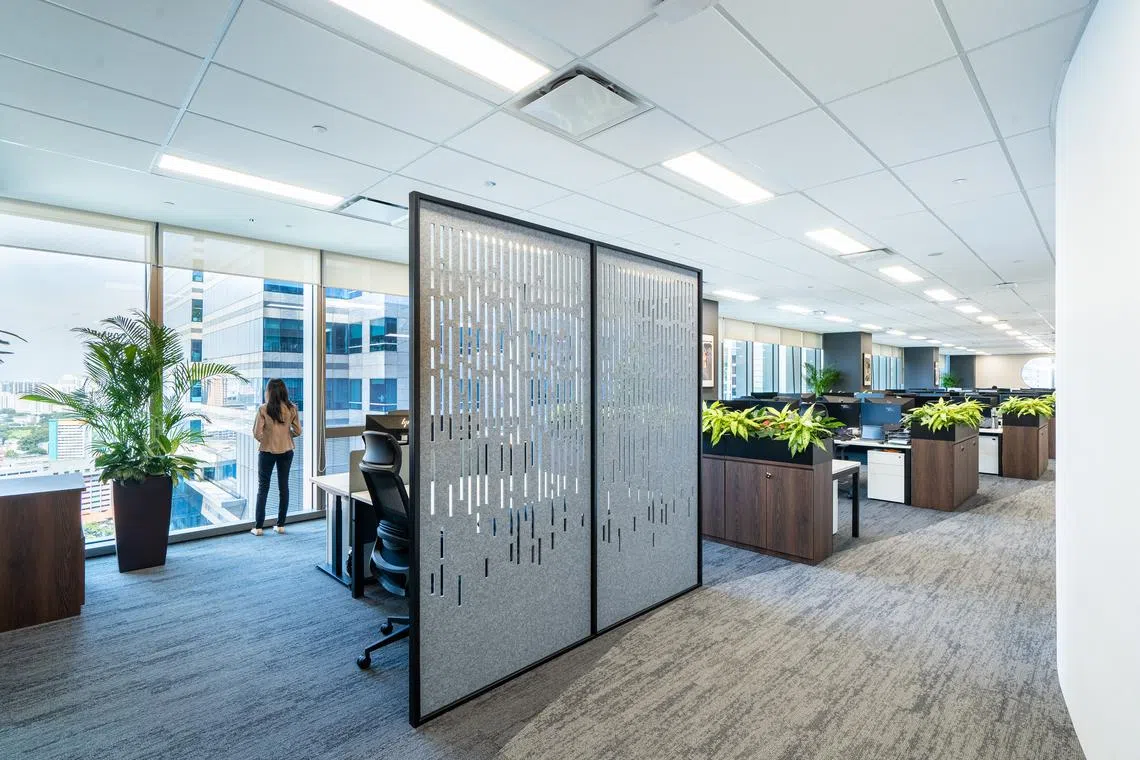
This is also why MillerKnoll – whose designer, Robert Propst, invented the cubicle in the 1960s – is increasingly creating workstations that are “not so much a cubicle and not so much a private office”.
“They’re highly ergonomic, inviting, provide some privacy and help with acoustics, but they still enable a collaborative space where people can interact and ‘bump’ into each other,” says Groom. “It is (about finding a) middle ground in the next wave of solutions.”
There is consensus that technology is going to be the bedrock of the future workplace.
For instance, given the rise of artificial intelligence and how conversational the technology is, Groom expects conversations with devices to be more commonplace in workspaces. “So we’re very focused on acoustics to help manage this.”
By the end of the year, the American company – which has its own patented generative design space planning tool – will launch pods that will provide some acoustic privacy in offices. However, these are not designed like traditional phone booths, but more as a workspace that also encompasses ergonomic tools.
Meanwhile, Groom is anticipating the next catalyst in workplace design to come from a step change in technology that will “really require us to behave differently”.
“We’re already thinking about those things and working with many technology companies to brainstorm what the future looks like,” he says. “Changes to how we use spaces and how we work (are) not going to stop.”
Decoding Asia newsletter: your guide to navigating Asia in a new global order. Sign up here to get Decoding Asia newsletter. Delivered to your inbox. Free.
Copyright SPH Media. All rights reserved.
TRENDING NOW

World’s largest offshore wind platform by Seatrium consortium on track to be completed by 2028

Is stamp collecting enjoying an analogue revival or are its best days over?
GovTech retrenches another 38 staff in second round of layoffs
MBS adjusted property Ebitda falls 20.6% in Q3 with fewer high-roller visits, weaker hold

