Building a modern vision for Cartier with its storied heritage
President and CEO Cyrille Vigneron touches on how the Maison stays abreast of the times, how artificial intelligence is used and more, in a candid closed-door roundtable interview on the sidelines of Watches and Wonders Geneva

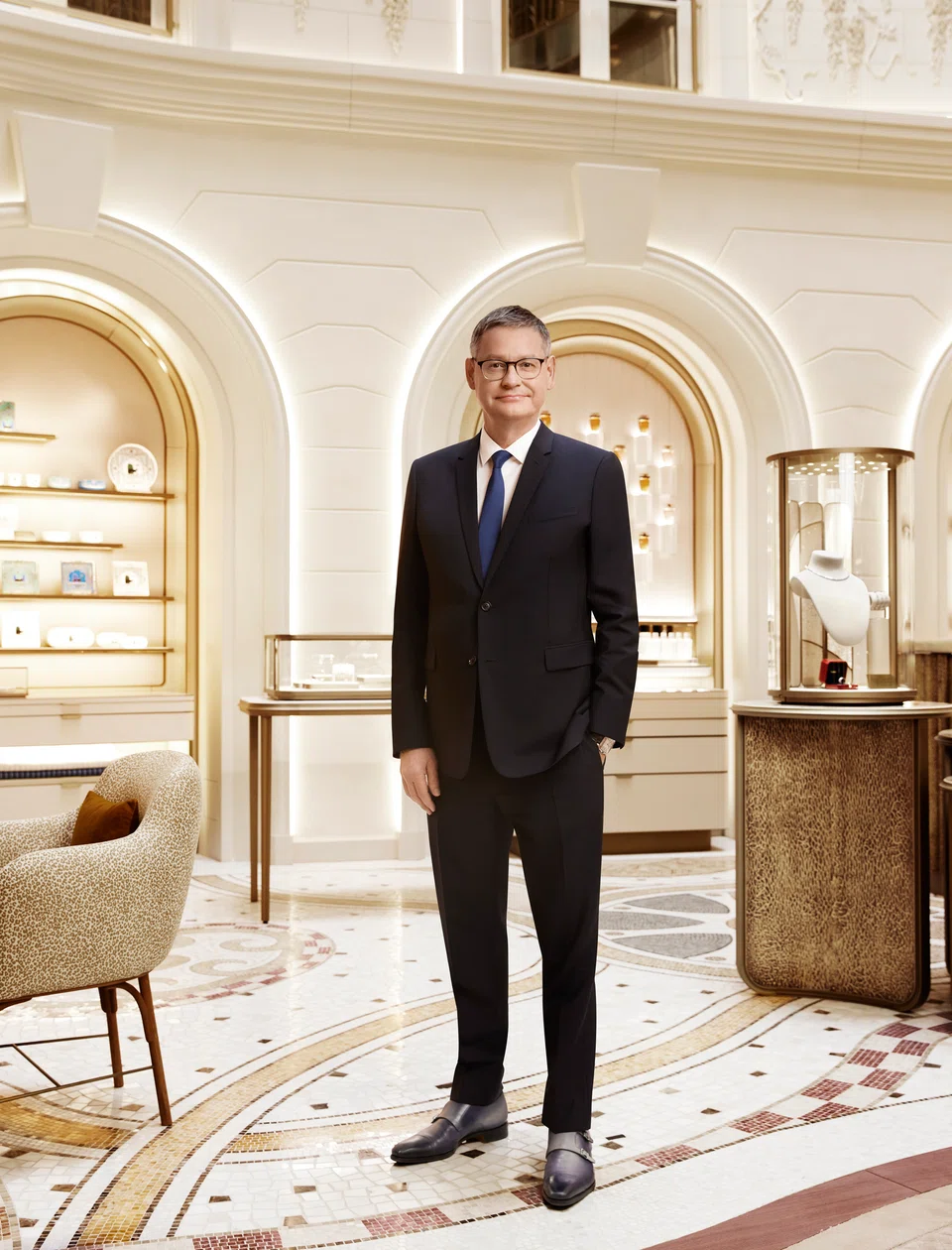
[GENEVA] Often heralded as the “jeweller of kings and king of jewellers”, Cartier stands at a unique crossroads of heritage and innovation. With the likes of its iconic Tank and Santos watches, the Maison is renowned for its exquisite design language and cemented its place as a paragon of luxury.
President and CEO Cyrille Vigneron, who has been at the helm since 2016, underscores this duality in the brand’s approach. “Cartier is obsessed with design,” the 63-year-old says, in a candid closed-door roundtable interview during Watches and Wonders 2024 in Geneva.
Those words are a testament to the brand’s unwavering commitment to aesthetics and has helped the Maison to prosper under Vigneron with Cartier second only to leader Rolex in market share.
This design philosophy, deeply rooted in Cartier’s DNA, is however not just about the visual appeal, but integrates technical prowess and timeless elegance. “We cultivate the beautiful shapes that stand the test of time and remain relevant today,” he notes, emphasising that every Cartier creation is a blend of history and contemporary sophistication.
And even as innovation pushes the boundaries of watchmaking and jewellery craftsmanship, Vigneron holds a nuanced perspective where innovation and tradition complement each other rather than be mutually exclusive. “Our heritage provides a rich source of inspiration, and we build on this foundation to innovate.”
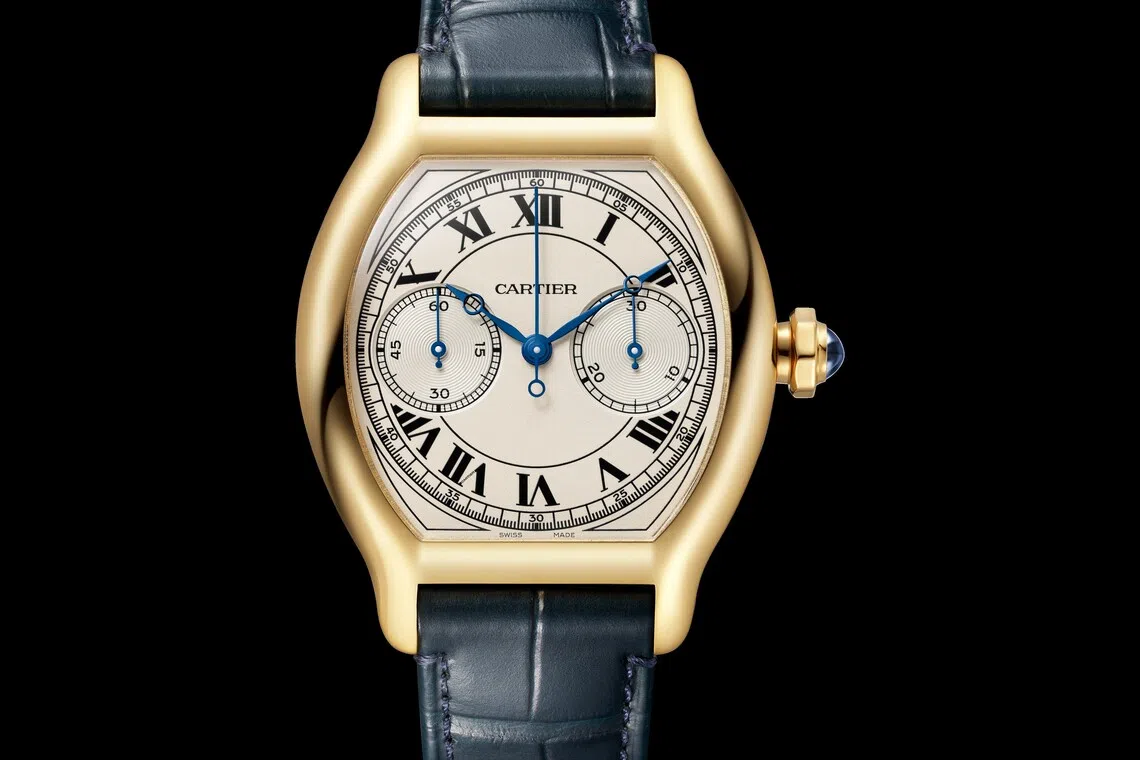
He adds that the Maison’s historical designs inform its modern creations, allowing Cartier to maintain a continuous thread of authenticity while incorporating new technologies. But one thing it is still steering clear of is connected watches. “We believe in creating timepieces that are timeless, rather than adopt technology that quickly becomes obsolete,” he says.
The wide-ranging conversation also touched on the topic of the return of quartz watches, with more than a few brands debuting battery-powered timepieces at this year’s fair. Vigneron acknowledged their appeal, particularly for their precision and convenience, but maintained that mechanical watches largely retain their allure due to their craftsmanship and symbolic value.
“Mechanical movements are valued for their craftsmanship and the intricate engineering they represent,” he emphasised, underscoring that Cartier’s offerings – which also includes a handful of quartz models – cater to a spectrum of preferences so it is able to captivate both new and seasoned watch enthusiasts alike.
This is important as the future of the luxury watch market, as Vigneron sees it, is one of cautious optimism. He acknowledges that the luxury market is inherently volatile, influenced by economic fluctuations, geopolitical events and consumer trends; so, to navigate these obstacles successfully, adapting and staying true to the brand’s core values remain key. “Despite the challenges, the growth of luxury continues (particularly in emerging markets) and an increasing number of consumers can afford luxury,” Vigneron observes.
On the topic of artificial intelligence (AI), he shares that the Maison doesn’t shy away from it and AI has a role in operational and support functions such as optimising production processes and aiding complex designs such as setting diamonds on curved surfaces. However, it is no substitute for creativity when it comes to product design, because “everything will look the same”.
“We still rely on human creativity for design and innovation, as this is where the true essence of Cartier lies,” Vigneron says.
Decoding Asia newsletter: your guide to navigating Asia in a new global order. Sign up here to get Decoding Asia newsletter. Delivered to your inbox. Free.
Copyright SPH Media. All rights reserved.