Gemstones with no resale value: Has demand peaked for lab-grown diamonds?
Amid falling prices and oversupply, local jewellers remain sanguine, even as industry leaders shift their focus back to natural diamonds
LATE last month, gemstone giant De Beers announced that it would stop producing lab-grown diamonds (LGDs) for jewellery – just six years after its surprise 2018 move to enter the fray, following years of resistance.
The backpedalling comes on the heels of a good run in the last few years for LGDs, which took the jewellery market by storm. Optically, chemically and physically identical to natural or mined diamonds, they are graded by international laboratories such as the Gemological Institute of America, but indicated as lab-grown.
Paul Zimnisky, a leading diamond analyst based in New York, says LGDs went from a nearly-zero market share in 2015 to accounting for around 20 per cent of the total diamond market today, or about US$18 billion in global sales.
Even luxury brands such as Prada, TAG Heuer and LVMH-owned jeweller Fred jumped on the bandwagon and presented products made with LGDs.
But improvements in technology, and a surge in supply, have sent prices sharply down.
Analytics company Tenoris, which collects data from US jewellery retailers, tracked a 34 per cent drop in wholesale prices, and a 25 per cent fall in retail prices between January 2020 and April 2024 for two-carat stones.
The prices of natural diamonds, on the other hand, are expected to rise by a compound annual growth rate of 3 to 5 per cent to 2032, on the back of tightening supply.
Tenoris data showed that LGD prices continued sinking last month, and are down on average 20 per cent year on year; the larger, more popular items, such as the one- to two-carat round stones, are leading the price declines.
Today, a generic LGD can be found at up to 90 per cent less than an equivalent natural diamond, Zimnisky tells The Business Times in an e-mail interview. He notes that a decade ago, the price difference was perhaps 10 per cent.
But while he thinks the total value of LGD jewellery sold could grow at a single-digit percentage this year, the pace of growth is “slowing quite a bit, primarily because of the declining prices”.
“I think most LGDs will be sold as lower-priced ‘fashion jewellery’, especially if we’re talking about generic, unbranded stones.”
Indeed, De Beers’ recent move was foreshadowed by an announcement earlier last month, when it declared price cuts for its LGD brand, Lightbox, in line with price declines in the sector. Prices would start at US$500 a carat, down from US$800 previously.
Sandrine Conseiller, De Beers Brands’ chief executive officer, said in the statement that “the key opportunity in the jewellery sector for lab-grown stones will be within fashion jewellery, with lower price points enabling fun and colourful innovations”.
“We believe that it is vital that jewellery consumers understand that lab-grown diamonds are a distinct product category, as they do not have the same enduring value as natural diamonds.”
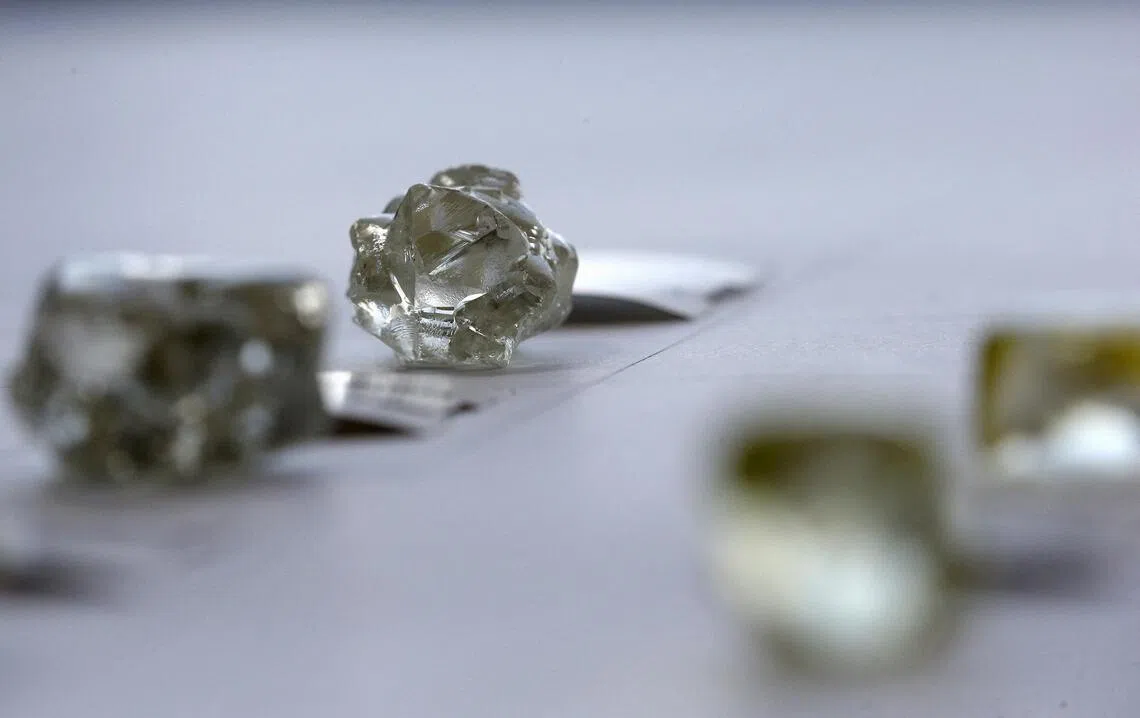
Signet Jewelers, the world’s largest retailer of diamond jewellery and one of the biggest retailers of lab-grown diamonds, is also making the pivot – to start using LGDs for fashion jewellery instead of fine jewellery.
Alongside Chinese jewellery heavyweight Chow Tai Fook, Signet is partnering De Beers to promote natural diamonds. A new campaign will be launched in the next quarter.
Of affordability and resale values
So, ironically, the very trait that propelled LGDs’ popularity – affordability (along with claims that they are more sustainable and ethical) – may be the one putting consumers off the stones.
Zimnisky says: “I think the novel excitement around the product is beginning to fade. The falling LGD prices are also impacting the way that consumers are viewing the product.”
As Tenoris co-founder and diamond industry analyst Edahn Golan said in an interview with JCK (which runs the largest trade show for jewellers), people will stop buying when the cost of an engagement ring falls under US$1,000.
“Nobody buys a silver ring for their engagement ring. There’s nothing wrong with silver. It’s a sturdy piece of metal, it’s as nice as white gold, but it’s just silver,” he says, adding that consumers want to spend “a handsome amount of money on an engagement ring”.
And although prices of LGDs allow one to get a huge rock, “at some point, it’s going to be too large”.
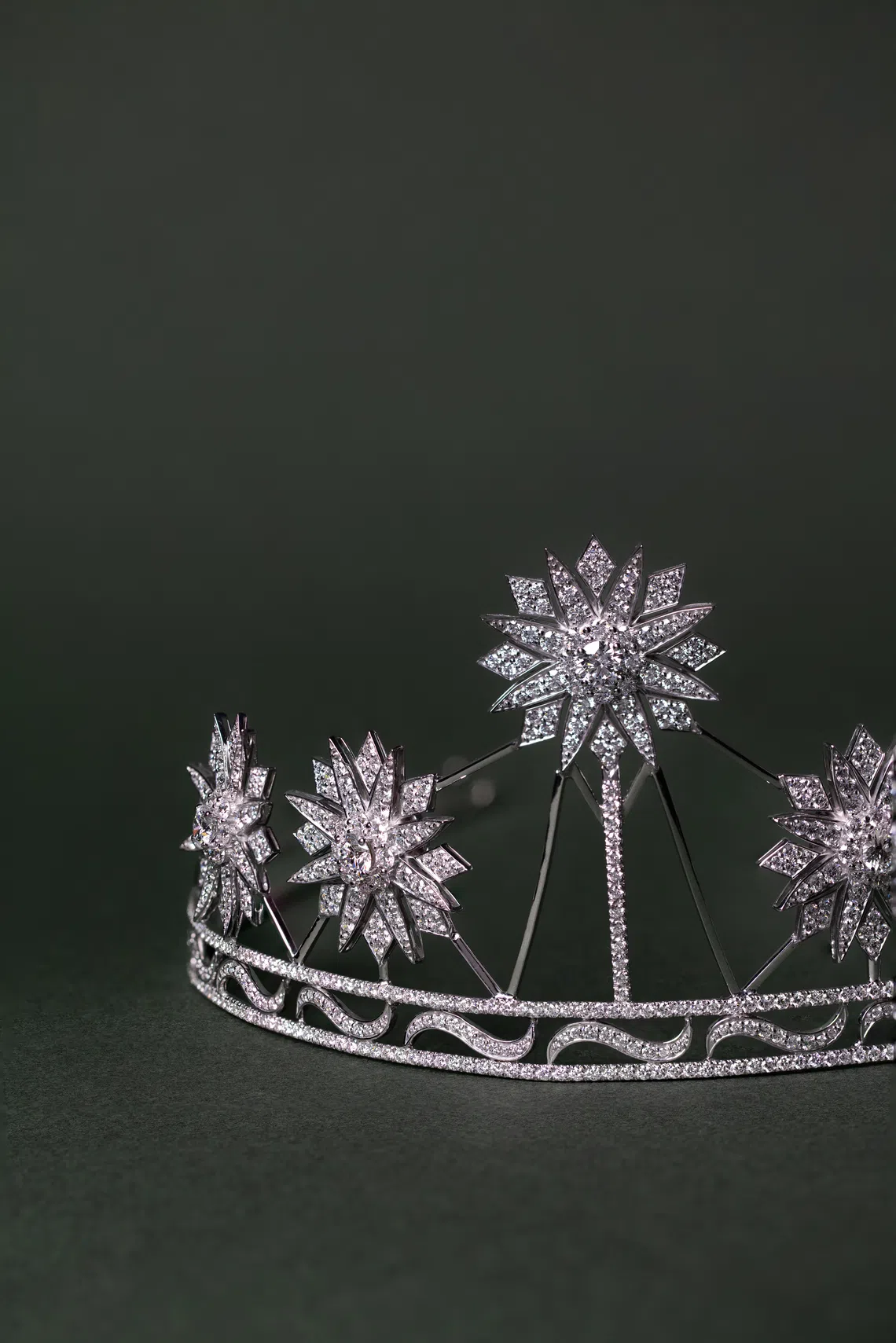
Another issue that consumers need to contend with is the fact that LGDs have no resale value. Indeed, Signet now highlights in its new consumer warnings that lab-grown diamonds can lose value.
In Singapore, pawnbroker Maxi-Cash accepts only LGDs bought from Maxi-Cash, Lee Hwa Jewellery and Goldheart Jewelry. Kean Ng, chief executive officer of Aspial Lifestyle, the parent company of the three brands, says: “The resale value for natural diamonds is generally a fraction of the retail price, while the same for lab-grown diamonds is a nominal sum, in line with market practice.”
Others in the trade put it more directly.
“We tell our clients that there is no resale value for lab-grown diamonds,” says Paul Hung, chief executive officer of JannPaul Diamonds and a diamond designer holding over a dozen patents for diamond cuts.
Still, for perspective, consumers who prefer natural diamonds for their resale value have been offered as little as 30 per cent of what they paid for these rocks, including those purchased from international brands, say jewellers.
Adeline Lin, co-founder of LGD specialist jeweller, The Better Diamond, argues that in practice, buyers of natural diamonds stand to lose more in a resale.
She cites the example of a natural diamond retailing for S$20,000, and an identical LGD selling for S$5,000. “Assuming the lab-grown diamond has no resale value at all, you would lose 100 per cent of its value or S$5,000,” she says. On the other hand, a natural diamond typically fetches a resale value of 25 to 50 per cent, which means it loses between 50 and 75 per cent of its value, or S$10,000 to S$15,000.
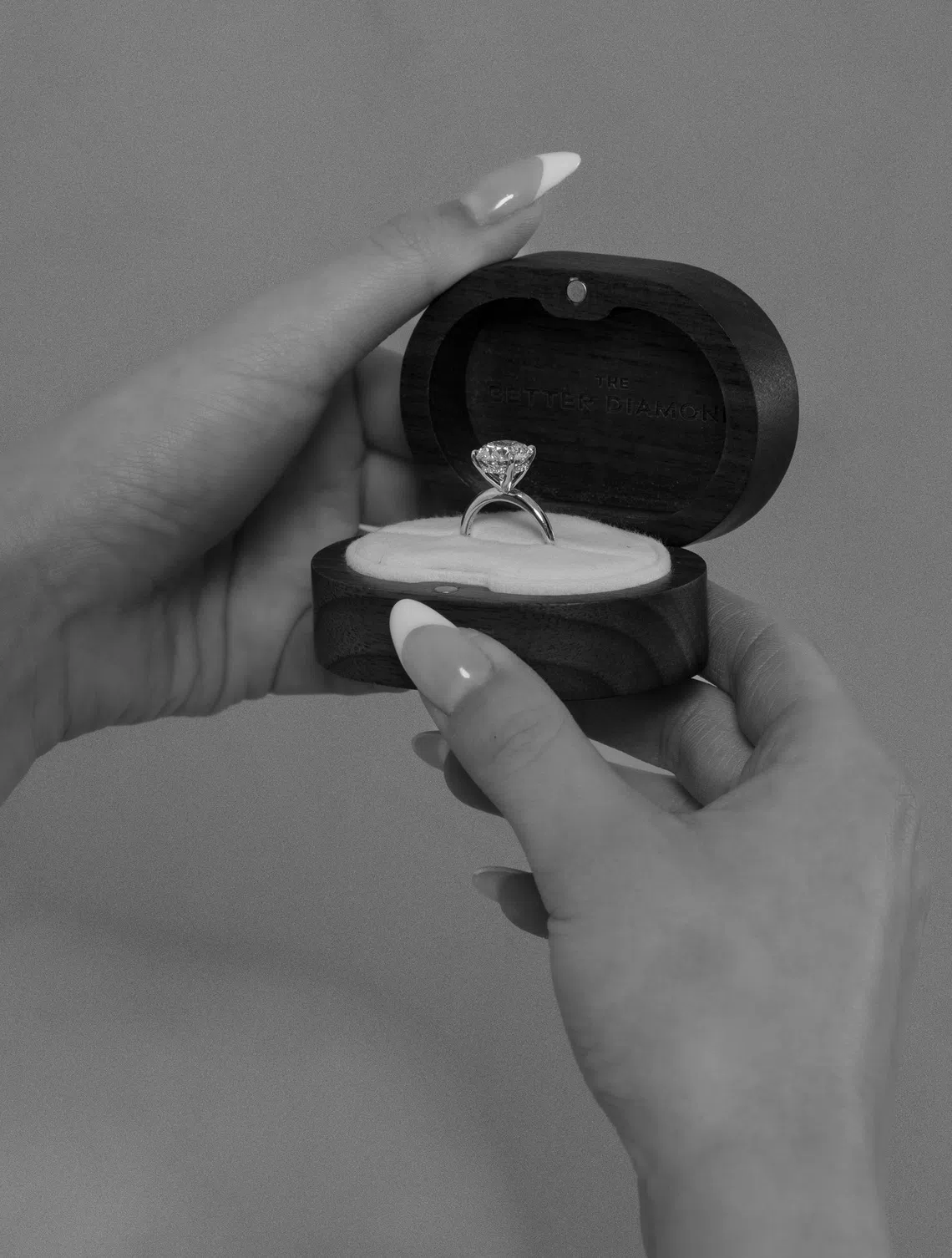
“So while a natural diamond might retain a higher percentage of its resale value, in nominal terms, you would almost certainly lose more in resale value purchasing a natural diamond, than with a lab-grown one.”
The exception is when the stone in question is an investment-grade natural diamond, the price of which would start “in the seven-figure price range”.
From disruption to permanence?
In any case, local jewellers who sell LGDs – exclusively or alongside natural diamonds – do not think demand for such jewellery has peaked.
While some believe that LGDs are losing their allure because of a perceived lack of value and rarity, Lin says she is losing prospective customers mainly to competitors selling cheaper jewellery.
“This shows that customers are still very price sensitive, and the fact that lab-grown diamonds are getting cheaper does not, in fact, deter them,” she says. And amid high inflation, few consumers “are willing or able to shell out several thousands of dollars for a small natural diamond ring just to have something ‘rare’.”
In 2023, The Better Diamond’s sales doubled that in 2022, although sales so far this year have “slowed a little” due to the current economic climate.
“We believe that lab-grown diamonds will eventually replace natural diamonds for the most part as the staple for diamond jewellery,” Lin says.
Indeed, a constant refrain from retailers is that LGDs are disruptors in the fine jewellery industry, and are here to stay.
Hung says 80 to 85 per cent of JannPaul’s total sales today are LGDs, up from 40 per cent when such diamonds were launched in 2021.
“This year, we’ve seen it continuously go up,” he says. “Despite recent efforts in the industry by De Beers and others to revive (the demand for) natural diamonds, the new generation of clients actually fights back by supporting lab-growns even more. It’s extremely difficult to stop a moving train, especially one that is not only driven by price and values, but also anti-monopolistic sentiments, as we’ve been told by clients.”
Meanwhile, Carolyn Kan, founder of bespoke jeweller Carrie K, says demand for the brand’s LGDs has remained consistent year on year, at 80 per cent of overall diamond sales.
Most buyers of her LGD engagement rings are in their late 20s and early 30s, and are “very comfortable” choosing stones for immediate savings, or who want a much larger rock than a natural diamond, on a given budget.
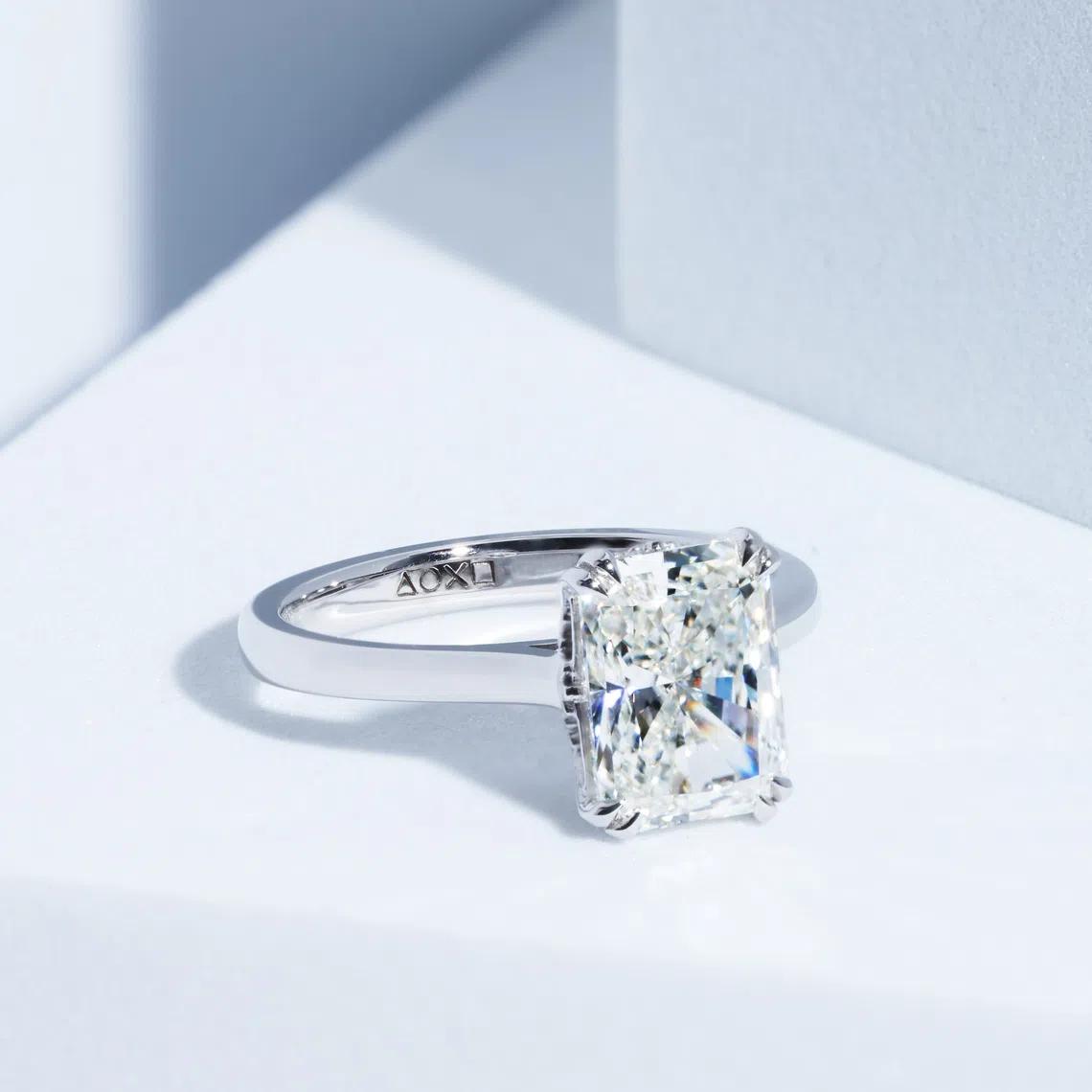
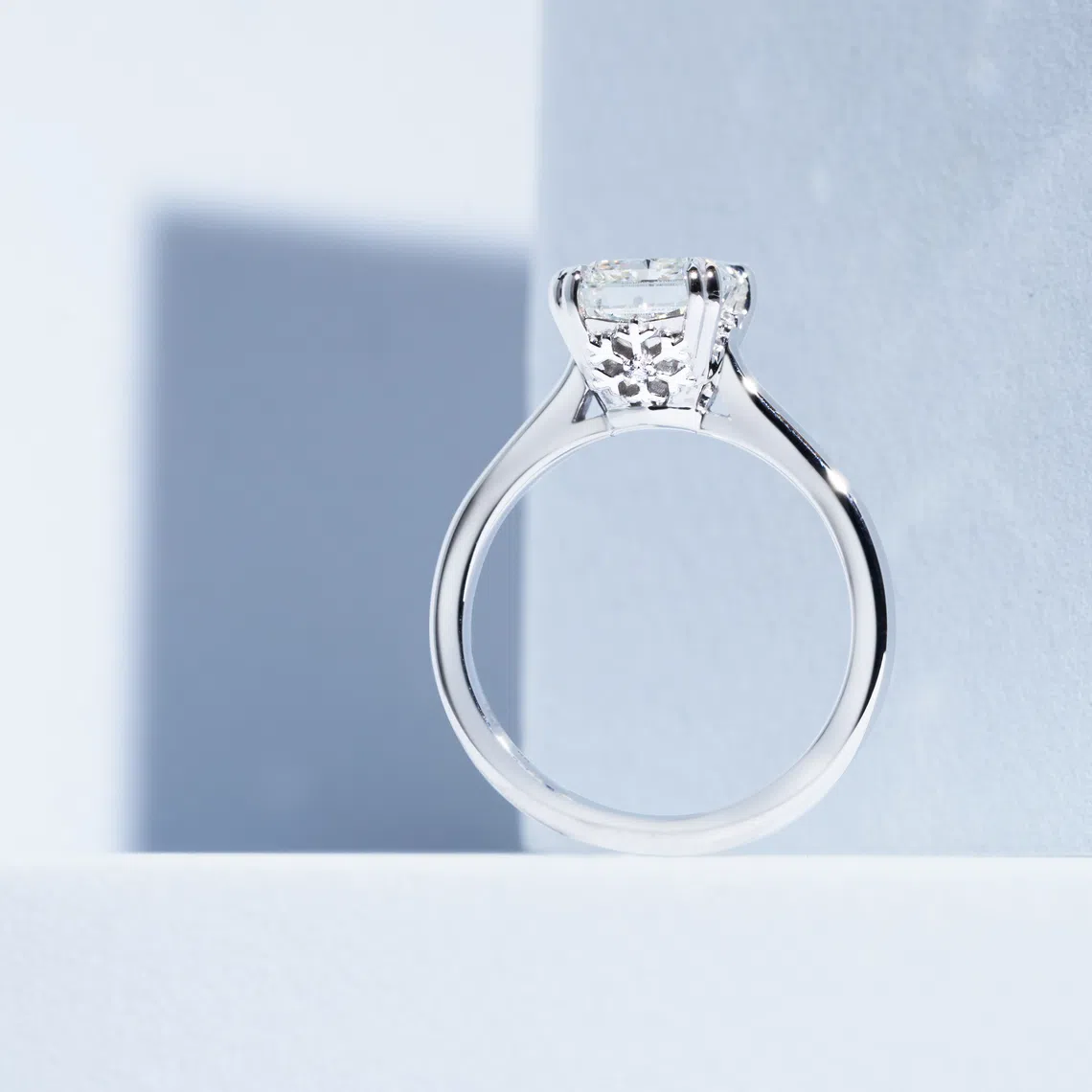
Kan adds: “Interestingly, even our savvy, older clients are starting to become more open to using the smaller lab-grown diamonds to complement a precious natural, coloured gem centre stone.
“They’re aware that the smaller melee diamonds (measuring 3 mm or smaller) have little resale value, and are practical about using lab-diamonds for the smaller side details of their jewellery piece.”
She says many prefer to channel their budget towards creating unique designs that tell personal, meaningful stories; some want to design their jewellery to be modular. “That way, their fine jewellery does not sit in the safe deposit box, and can be enjoyed every day.”
The contrarian next-gen consumer
Iris Tan, co-founder of LGD-only jeweller, Authica J, says the significant savings clients get from choosing LGDs over mined diamonds releases funds for them to spend on their next important life event, such as a wedding or for setting up home.
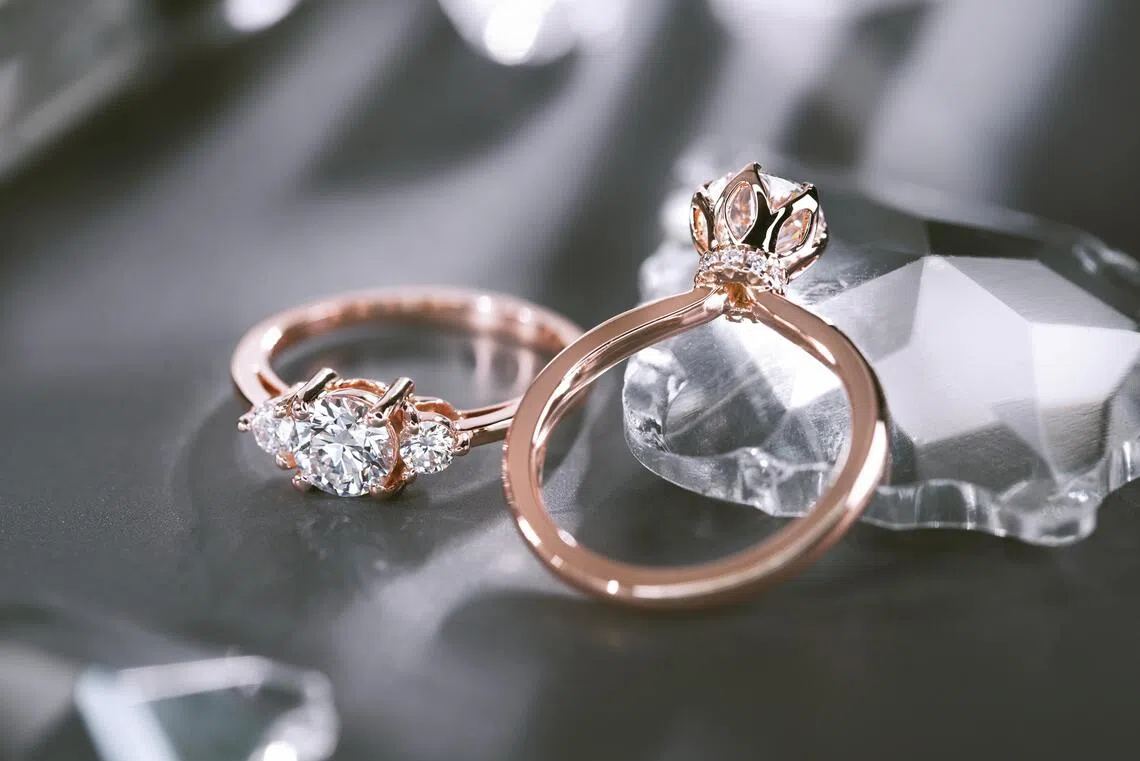
Besides, in the fine-jewellery category, diamonds are known for their emotional, rather than investment value, as they’re usually meant to celebrate key milestones in life, she notes.
Tan believes that Gen Zs could be the generation of consumers to “finally dismantle the archaic diamond jewellery industry”.
“As the generation most likely to make purchasing decisions based on brand ethos, they are more than happy to say ‘I don’t’ to traditionally mined diamonds and the commodified approach most jewellers apply to diamond jewellery shopping,” she says.
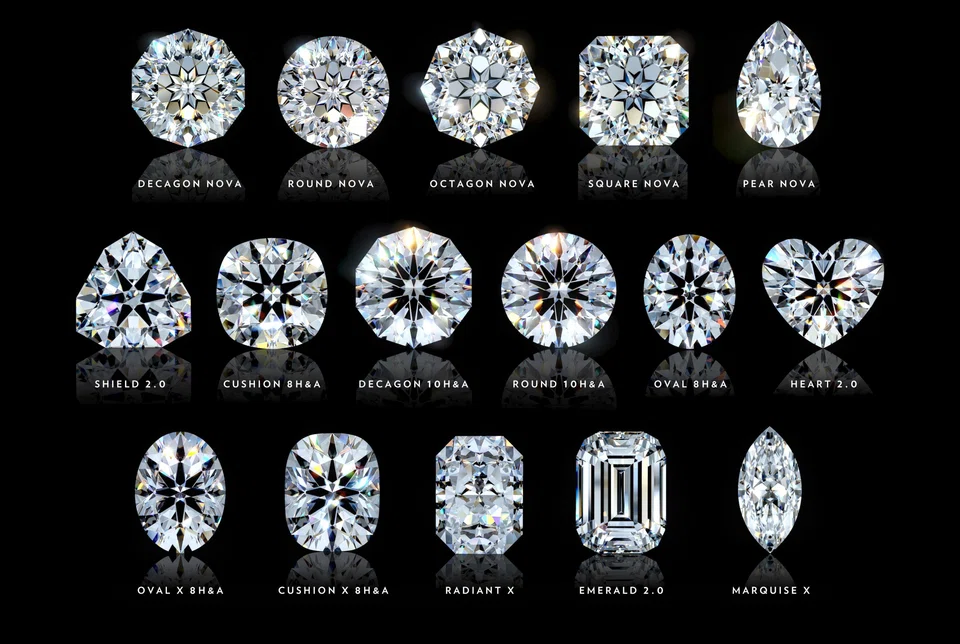
LGDs are most popularly used on engagement rings and wedding bands these days, although there has been increased interest of late to use them in earrings, pendants and bracelets. After all, JannPaul’s Hung points out that LGDs can be cut into any shape imaginable and produced in colours that would cost millions had the stones been mined. They also offer versatility for unique and customisable jewellery.
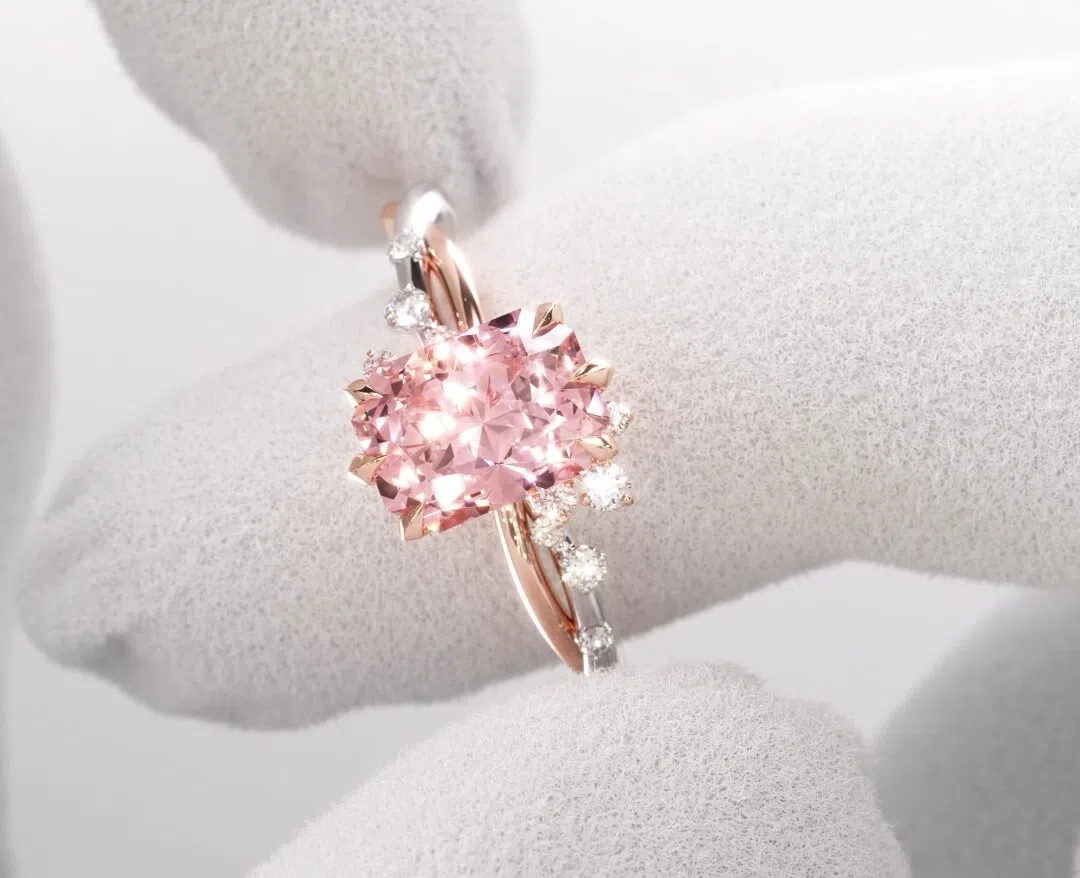
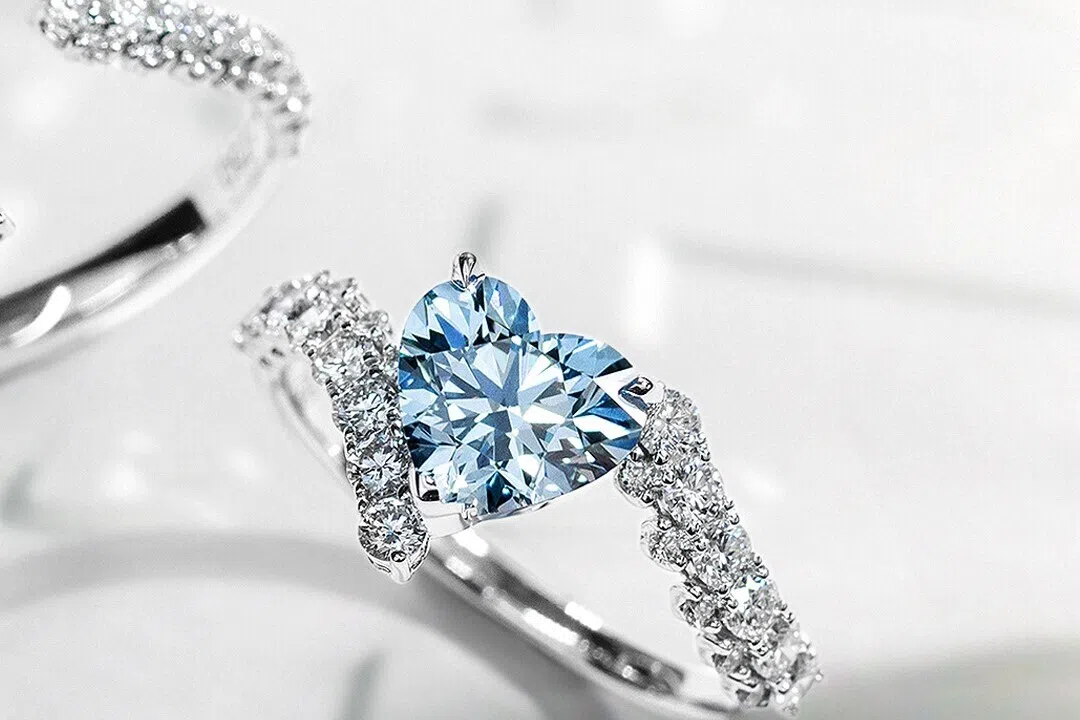
“Lab-grown or natural, whatever the reason for consumers’ choice, we jewellers should respect and give them the options,” he says, adding that the new generation of consumers are not easily swayed by “marketing campaigns”.
“Consumers are, after all, what’s keeping all diamond businesses alive, and not the other way round.”
Decoding Asia newsletter: your guide to navigating Asia in a new global order. Sign up here to get Decoding Asia newsletter. Delivered to your inbox. Free.
Copyright SPH Media. All rights reserved.