

How to wake a sleeping beauty at Place Vendome
Boucheron’s chief executive is determined to drive the French jeweller forward with creativity and innovation
THERE may be much jostling at the top end of the jewellery market, where established jewellers and luxury fashion brands alike fight for a small pool of very well-heeled customers, but there remains room for all.
That is the view of Helene Poulit-Duquesne, chief executive officer of Boucheron, who was in town this month for the opening of the high-jewellery brand’s revamped boutique at Marina Bay Sands.
“Having many different competitors brings a lot of vibrancy to the segment,” she says. “It’s probably the reason why high jewellery is booming.”
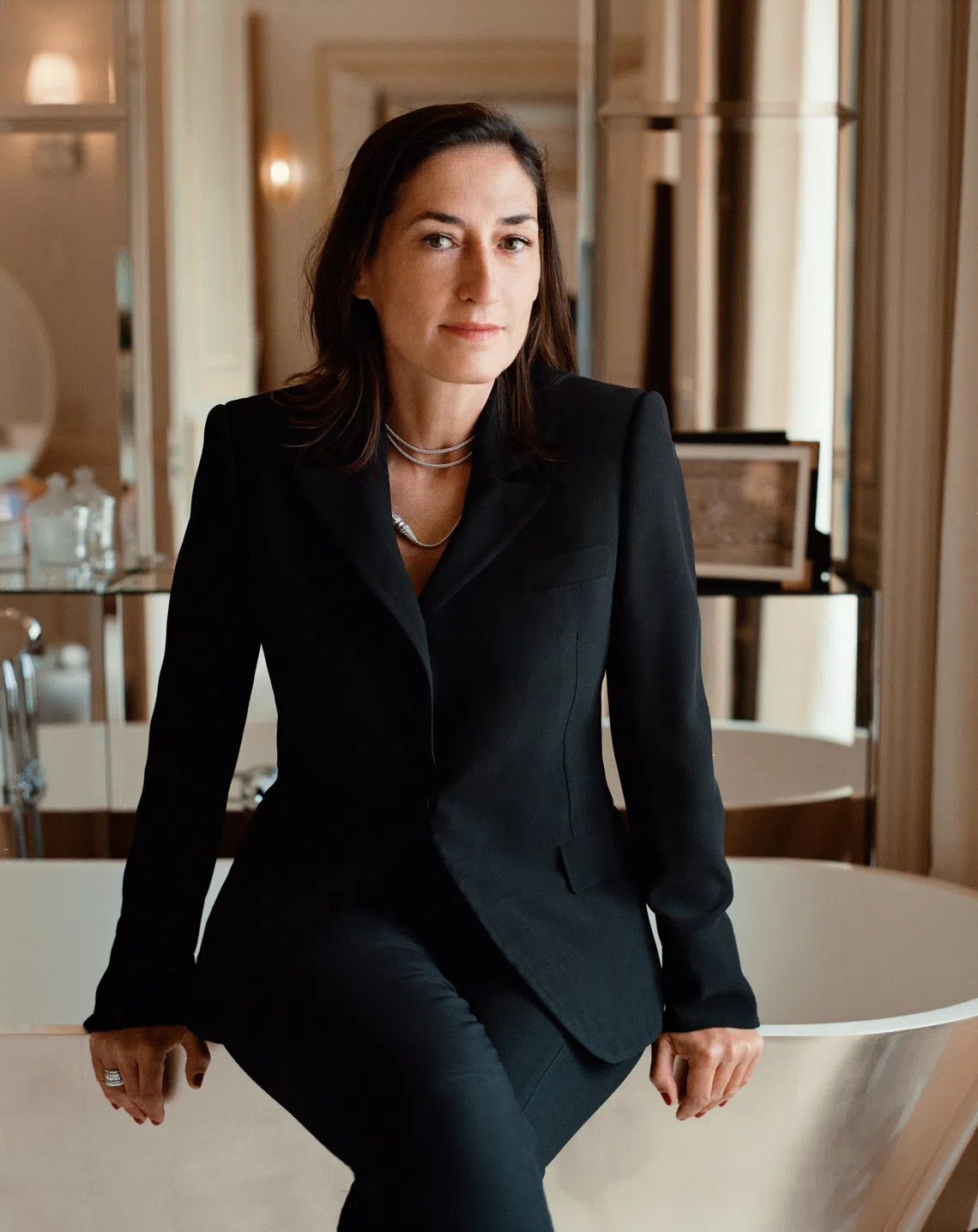
Poulit-Duquesne sees two types of clients for such jewellery. The first are more traditional and invest in high jewellery because of their stones and value, which are “very resilient to crisis and slowdowns”.
Then there is a totally new clientele, probably younger and coming from Asia, who are more interested in the creative side of high jewellery. “They buy because it’s closer to the buying of contemporary art,” she says. “They love the storytelling behind the pieces and all the emotional and artistic parts that they bring. And we’re seeing more and more of such clients.”
Poulit-Duquesne says she is “very happy” with sales in 2023. Boucheron now has some 87 boutiques around the world, with most of the growth coming from Asia.
There are now 13 freestanding boutiques in China, compared to zero when Poulit-Duquesne first joined the company in 2015 from Cartier, where she was director for international client and business development. Next year, she will open the French jeweller’s first boutiques in America, starting with one in New York, followed by Las Vegas.
Founded in 1858 by Frederic Boucheron, the maison was the first of the acclaimed contemporary jewellers to open a boutique in Paris’ famed Place Vendome in 1893. It is now part of the global luxury group Kering.
Pointing out that the founder won prizes at international exhibitions and invented the groundbreaking claspless question-mark necklace in 1879, Poulit-Duquesne says she knew precisely what she wanted to do at the maison – to be very creative.
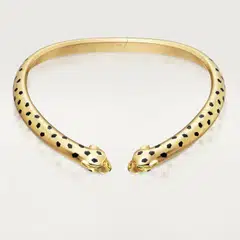
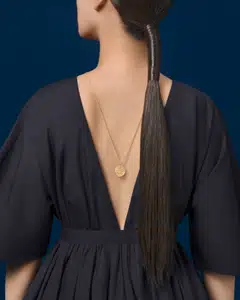
“I want lively jewellery, not dead jewellery and one of my mottos is to take jewellery out of the safe.”
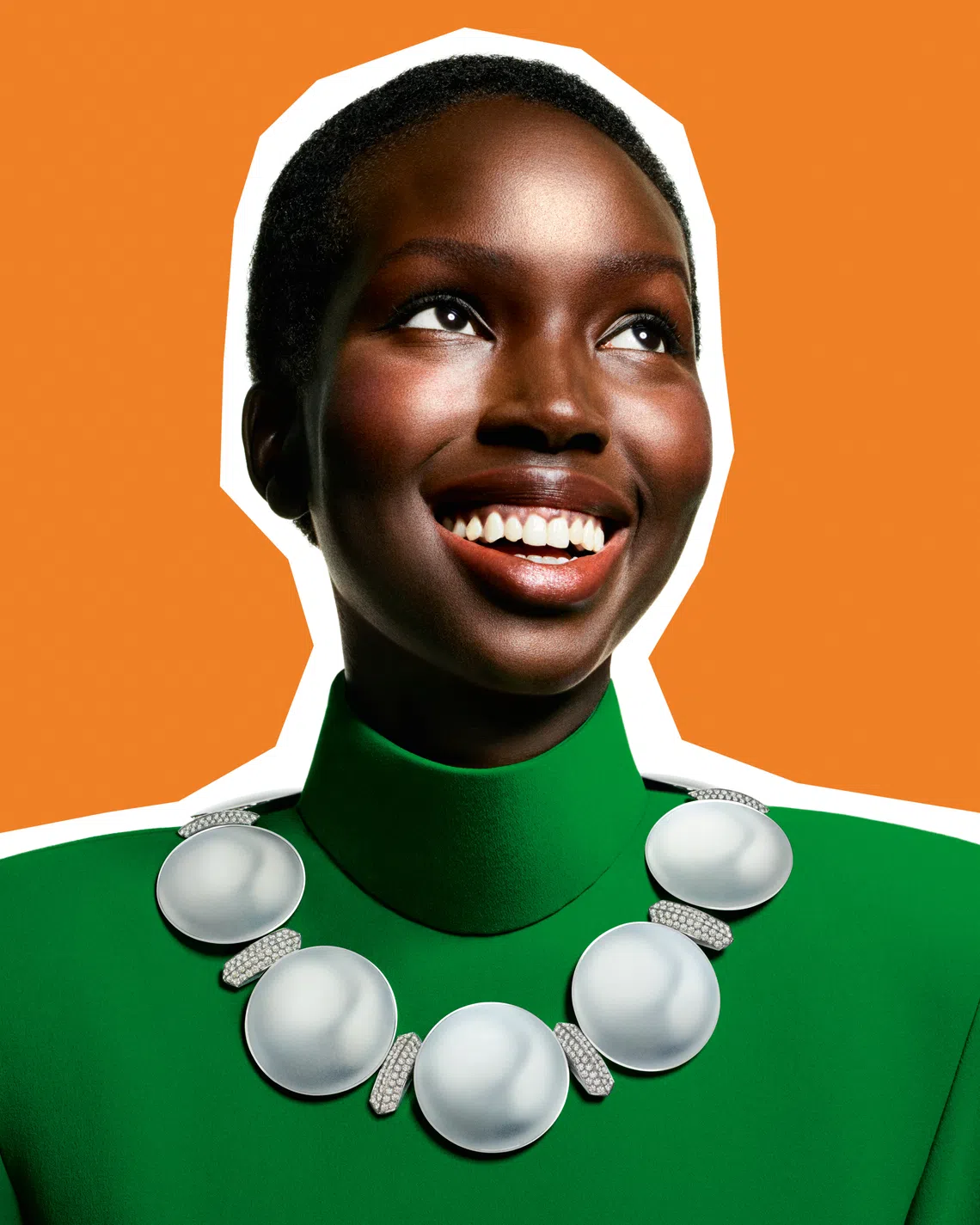
When she left Cartier to join Boucheron, Poulit-Duquesne set about focusing on the differences between the two historic French jewellery brands; she enjoyed the ability to make decisions and move quickly at the smaller company.
“I just had to awaken the sleeping beauty of Place Vendome with a very energetic team, and you see the reality of your decisions, like, three weeks after. It’s exciting.”
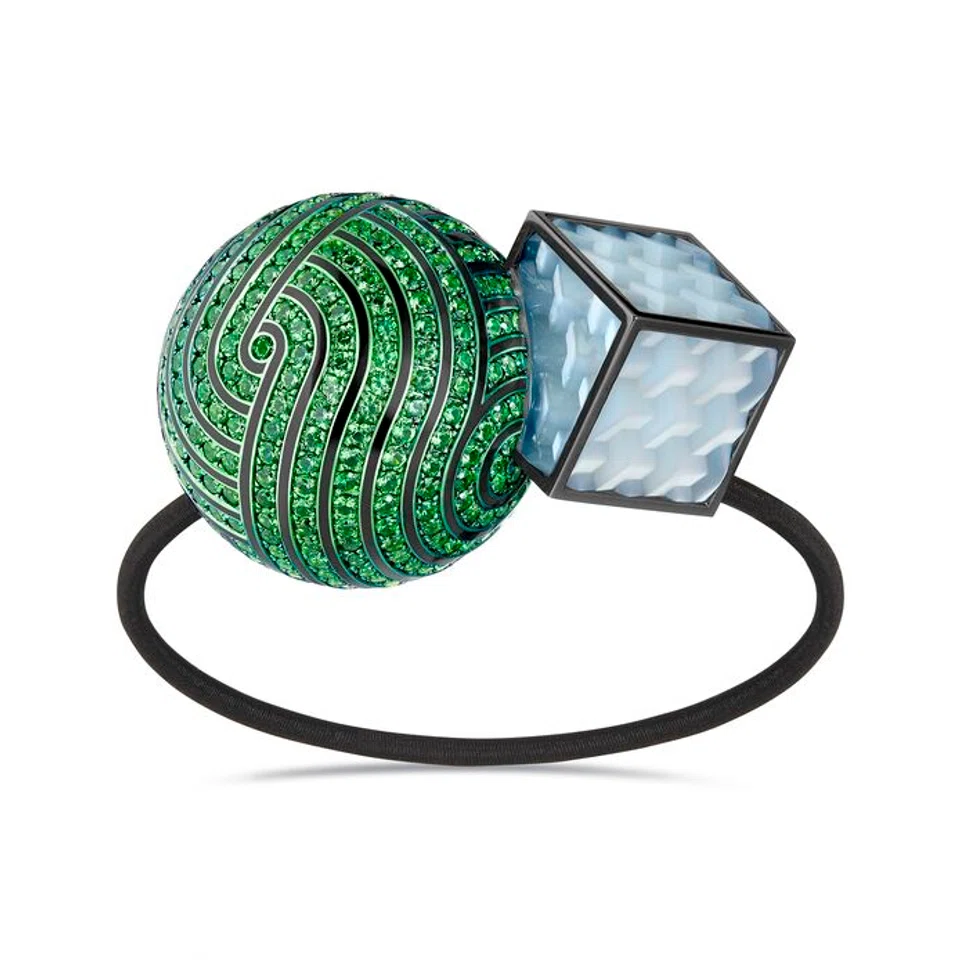
Together with creative director Claire Choisne, they are “obsessed with innovation”, she says. The duo like to push boundaries, often combining ordinary materials – such as aluminium, shell and magnesium – with precious ones to create avant-garde pieces. These include a hair tie and clothing jewels, such hoodie strings and an adaptable pocket that can be worn on any garment.
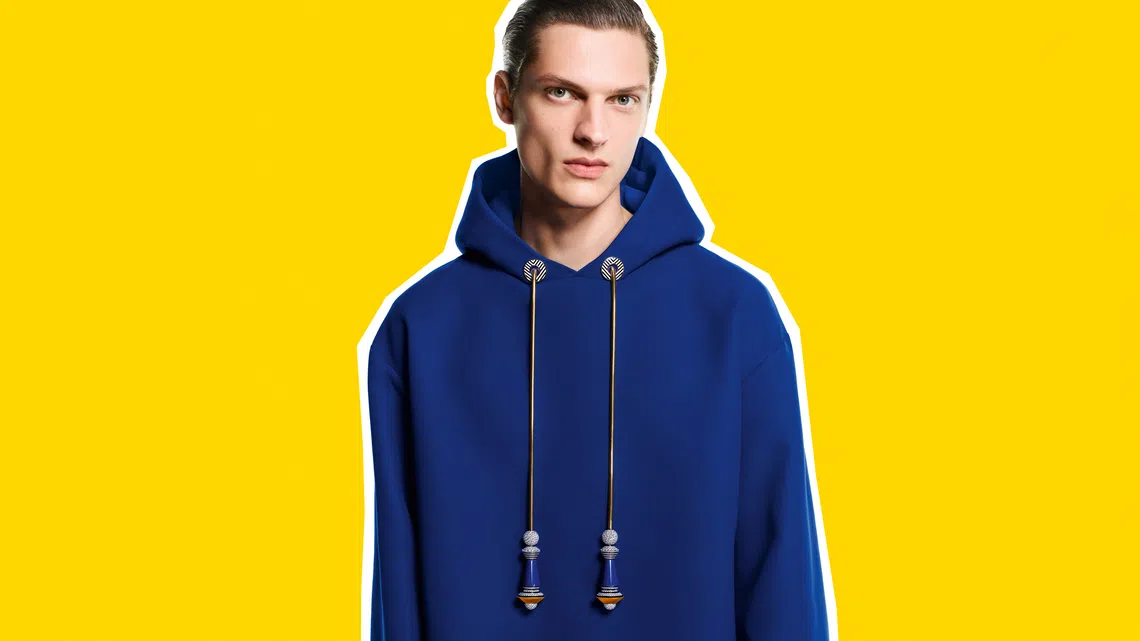
For clients who prefer something more classic, Choisne digs into the maison’s archives for inspiration. But otherwise, she is given “total freedom” to express her creativity and the licence to use “pretty much every single new material she wants”, in order to tell a story.
Last year, Boucheron sold out its very imaginative Carte Blanche, Ailleurs high-jewellery collection, which used rattan, pebbles, wood and meteorite, among other unusual materials.
“So clients see the value of a brand bringing fresh air to the industry, which is very traditional and a little bit old-fashioned.”
Poulit-Duquesne notes that these days, customers are not only leaning towards greater creativity in jewellery – the industry is also getting closer to fashion, as jewellery-wearing becomes part of one’s style. Sustainability is also increasingly more important in the business, as is the traceability of the stones used.
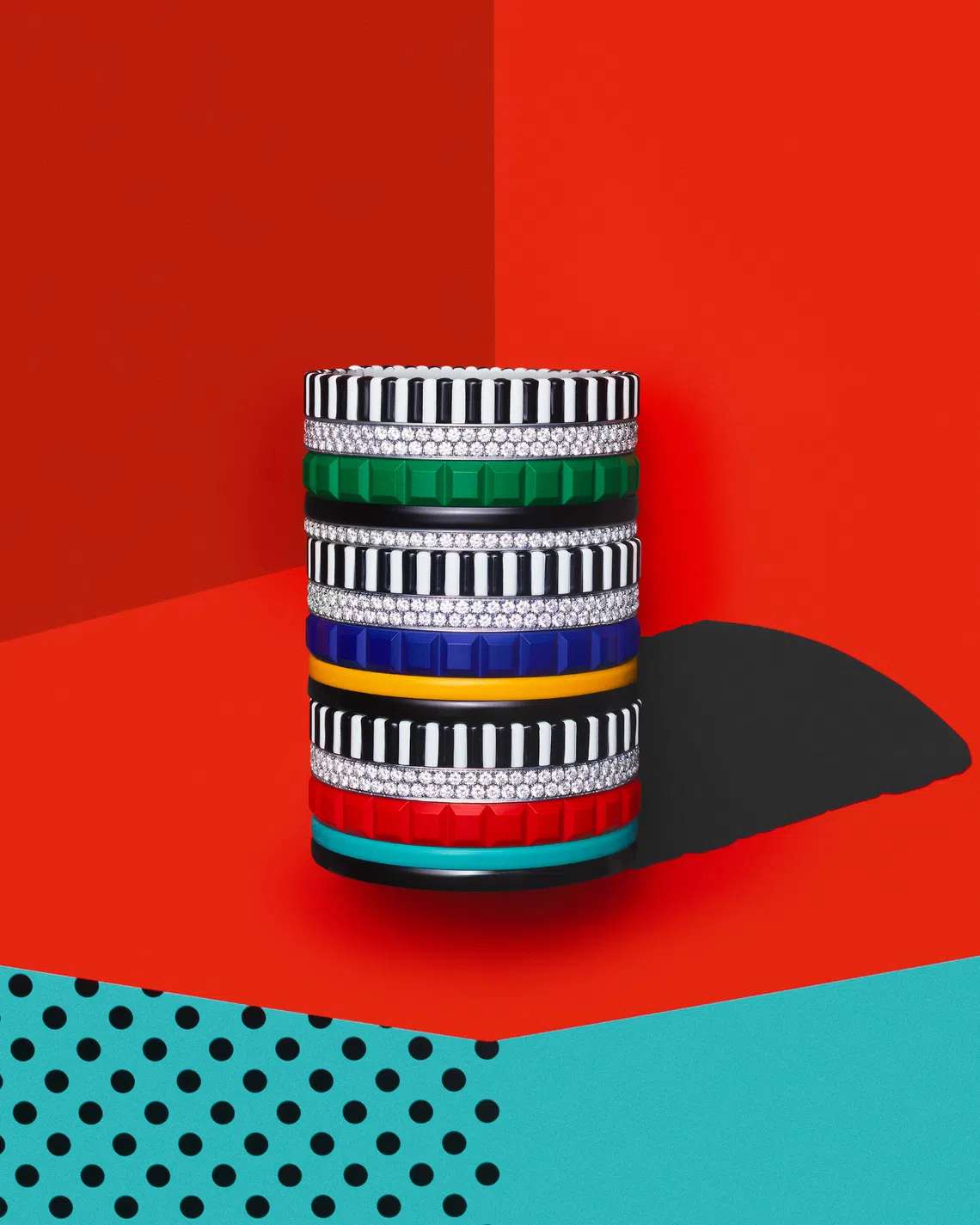
Going forward, she believes the next challenge for luxury brands is to step out of being focused solely on products and into culture.
“Some of the brands are becoming so big that they will not support their turnover only by selling products,” she reasons. “They have something to say about art and culture. So, I feel brands will have a role, a mission that is more cultural and social, that brings art and experiences. Art is selling beauty. And we all need beauty, especially during gloomy times.”
Decoding Asia newsletter: your guide to navigating Asia in a new global order. Sign up here to get Decoding Asia newsletter. Delivered to your inbox. Free.
Copyright SPH Media. All rights reserved.
TRENDING NOW

Once staunchly pro-China, Malaysian Chinese businesses are now distancing themselves from Beijing

Britain’s mansion tax shows the difficulty of targeting wealth

Three hats, one goal: How Ng Kian Swan runs sustainability at NUHS

COE review: The gap between luxury and mass-market cars isn’t the only one worth bridging

