

Sylvia Earle’s unwavering mission to save our blue planet
The legendary oceanographer discusses her lifelong mission to protect the world’s oceans, the growing network of Hope Spots transforming marine ecosystems globally, and why it’s not too late to make a difference


[NEW YORK] IN THE historic halls of The Explorers Club in New York, where the ghosts of adventurers past seem to linger in every corner, Dr Sylvia Earle’s presence is nothing short of magnetic.
The trailblazing oceanographer, whose contributions to marine science have earned her the moniker “Her Deepness”, exudes an energy that belies her years. At 88, she remains as passionate and driven as ever in her quest to save the oceans.
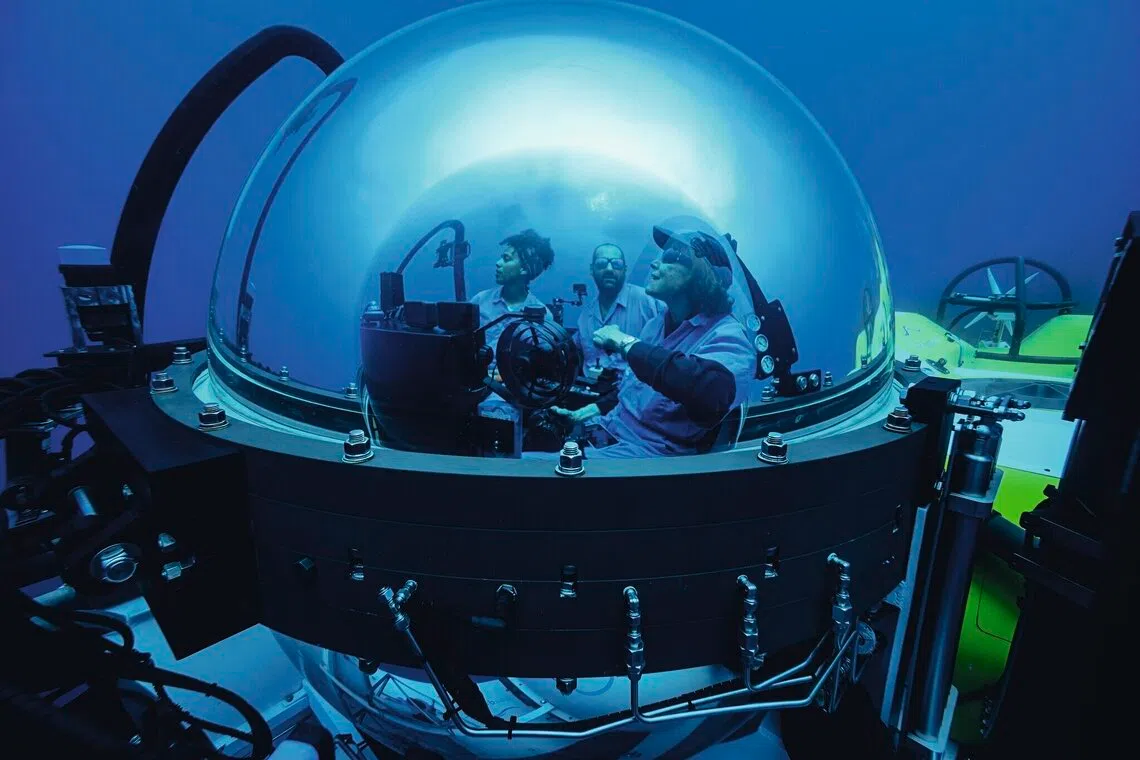
During an exclusive interview with The Business Times during the launch of Ocean Week 2024 in June, her eyes sparkle with the same enthusiasm that has fuelled her lifelong dedication to marine conservation, and her insights are as vast and deep as the oceans she works passionately to protect.
A life dedicated to the ocean
Dr Earle’s journey into the ocean’s depths began in earnest in the 1950s, a time she describes as both the “greatest era of learning and the greatest era of loss” for our marine environments.
Her extensive resume includes leading more than 100 expeditions, spending over 7,000 hours underwater, and being the first female chief scientist of the US National Oceanic and Atmospheric Administration (NOAA).
Among her most notable achievements, Dr Earle set an untethered diving world record in 1979, descending 1,250 feet (381 metres) below the surface of the Pacific Ocean.
In 1985, she embarked on a record-breaking solo dive to 3,000 feet in a submersible. These groundbreaking expeditions not only advanced our understanding of deep-sea ecosystems but also highlighted the urgent need for their protection.
“What drives me is having been witness to the most remarkable time in all of human history of exploration of understanding who we are, where we’ve come from, where we might be going, how we’re going to get to a place we want to be,” she explains. “At the same time, in all of human history, there has never before been such catastrophic loss because of our actions.”
This unique vantage point has fuelled her mission to safeguard the world’s oceans, an endeavour she continues to pursue with unwavering dedication to this present day.
Mission Blue and Hope Spots
At the heart of Earle’s current efforts is the Rolex Perpetual Planet Initiative, launched in 2019. This initiative highlights Rolex’s commitment to environmental conservation, funding projects that span ocean conservation, wilderness protection and the preservation of biodiversity.
It also builds on Rolex’s longstanding tradition of supporting explorers, dating back to the 1930s when their Oyster Perpetual watches first accompanied adventurers to the world’s highest peaks and deepest ocean trenches.
Rolex’s Perpetual Planet Initiative supports ocean conservation through various means. It funds scientific expeditions, such as the one that led to the expansion of Ecuador’s Hermandad Marine Reserve by 60,000 square kilometres in 2022.
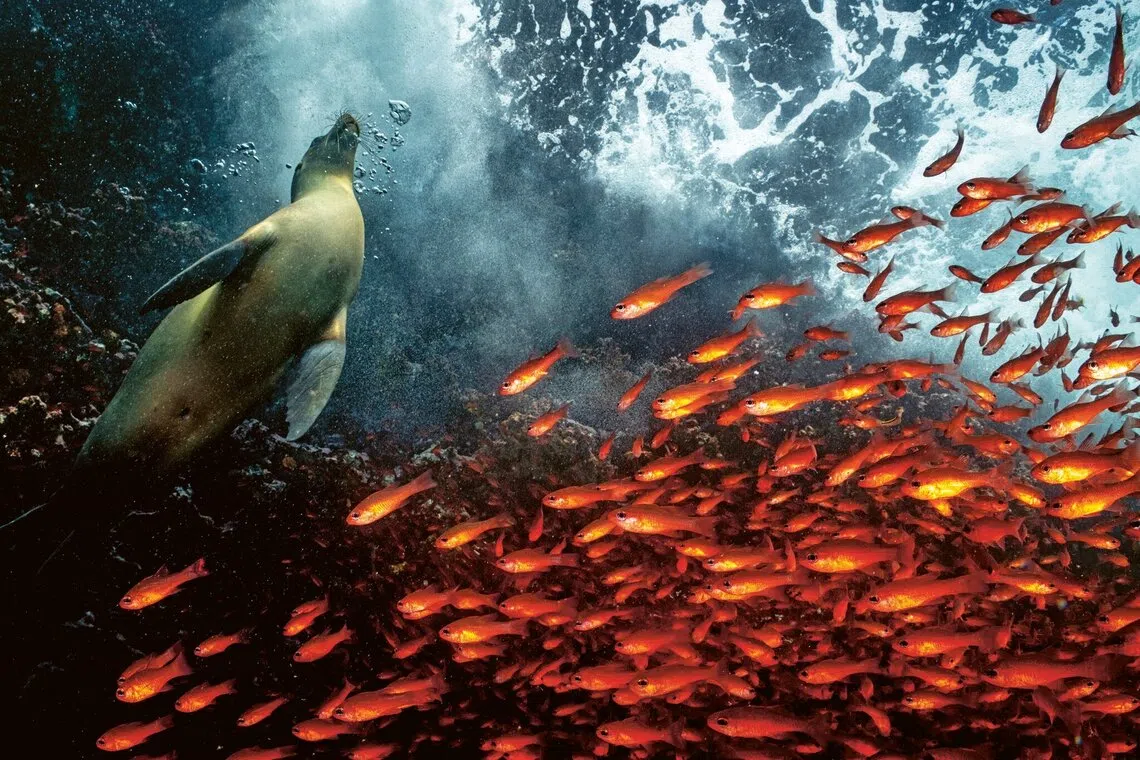
Another key component of the initiative is its partnership with Mission Blue – an organisation founded by Dr Earle in 2009 – to protect marine environments known as Hope Spots. These are ecologically significant ocean areas vital for species preservation or where communities depend on a healthy marine environment.
Through Rolex’s support of Mission Blue, over 160 Hope Spots covering more than 57.5 million square kilometres of the world’s oceans have been established, including notable regions such as the Azores Archipelago and the Galapagos Islands.
Beaming with pride, Dr Earle shares that each Hope Spot tells a story of resilience and possibility, and that ecosystems can bounce back when given the chance so that gives hope for the future of our blue planet.
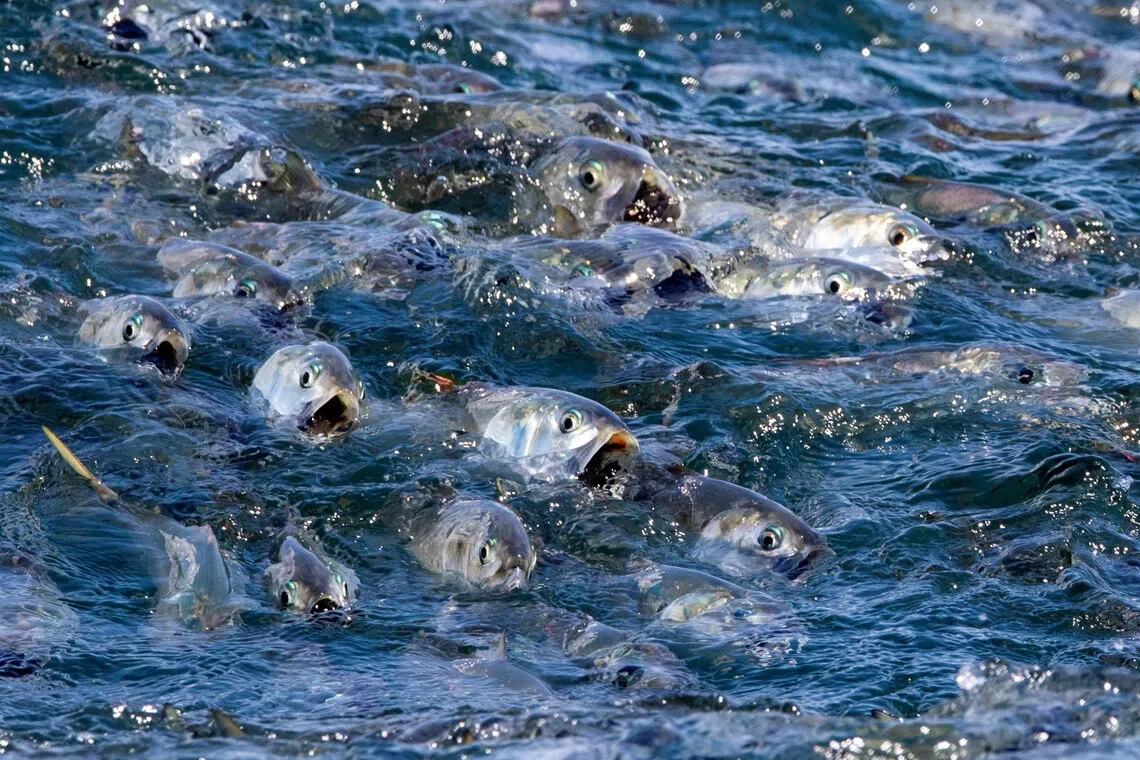
One such Hope Spot that BT visited prior to the interview was Shinnecock Bay, located on the south shore of Long Island, New York City. This estuary, which spans some 3,600 hectares, plays a crucial role in the region’s ecosystem and economy.
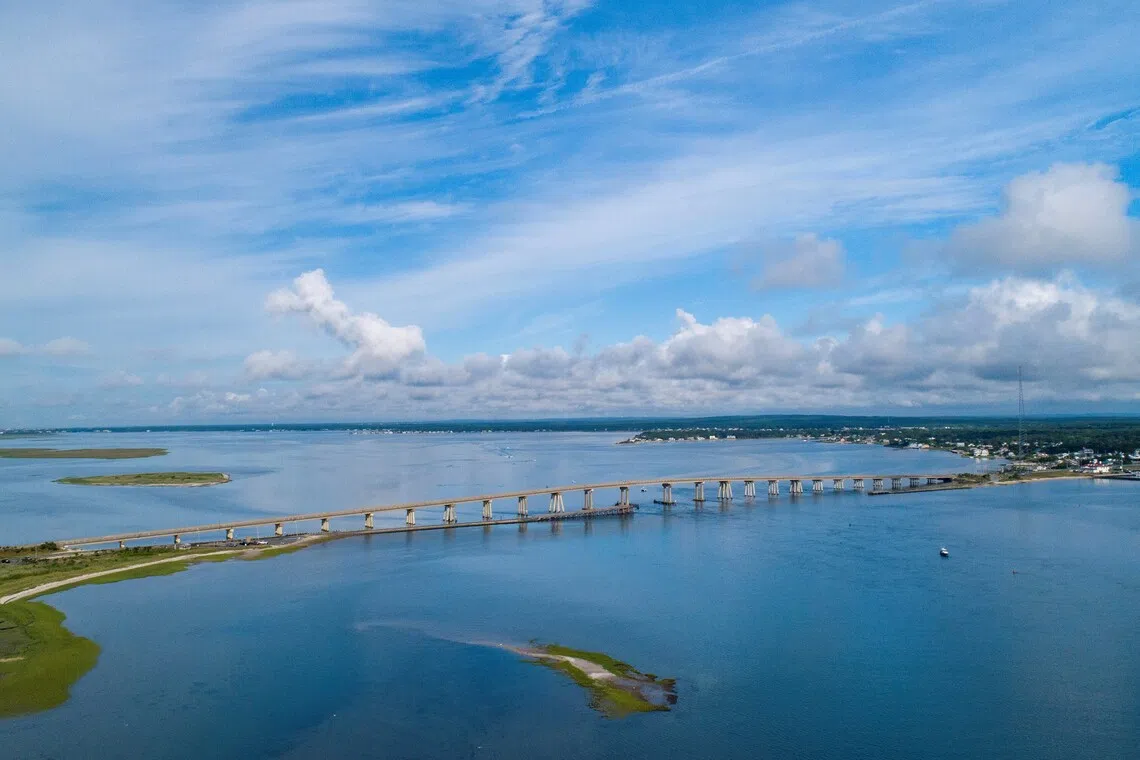
The transformation of Shinnecock Bay is nothing short of remarkable. Once plagued by harmful algal blooms and declining marine life, the bay has seen a resurgence thanks to targeted restoration efforts.
These include seeding millions of hard clams to improve water filtration, restoring eelgrass beds to provide habitat for marine life, and implementing measures to reduce harmful algal blooms.
Shinnecock Bay’s success story also serves as a model for other coastal communities facing similar environmental challenges. It demonstrates the potential for science-based interventions to reverse ecosystem degradation, a point that Dr Earle emphasises repeatedly during the interview.
Likewise, the Explorers Club, where the interview with Dr Earle takes place, plays a crucial role in ocean conservation efforts. As a multidisciplinary professional society, it promotes scientific exploration and field study.
The club provides a platform for scientists, explorers, and conservationists to share knowledge and collaborate on projects. Rolex supports The Explorers Club through The Rolex Explorers Club Grants, which fund exploration and field research for both established and emerging explorers.
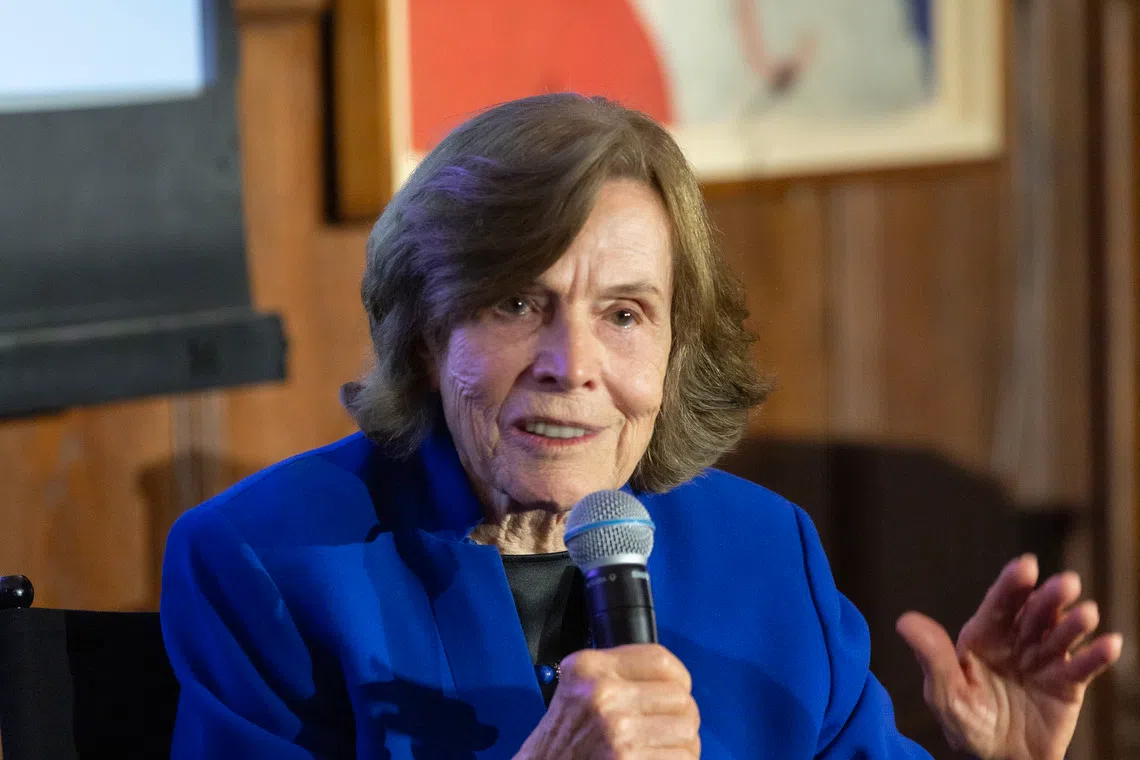
Yet, despite the dire situation, Dr Earle remains optimistic. Her message is one of hope and action, not despair. “We have the last best chance,” she insists.
“We have plenty of reason for hope. Because we can see when we protect forests, they start recovering. When we stop killing the birds, stop killing the turtles, stop killing the mammals, as long as there’s some remaining, there’s a chance.”
As the conversation with Dr Earle deepens, her relentless passion becomes even more palpable. She speaks of the ocean not just as a body of water, but as the very heart of our planet.
“So what shapes Earth as a habitable planet? Planetary chemistry, temperature, all driven by the fact Earth is not like Mars. It’s not just rocks and a little bit of water. Earth has a lot of rocks, a lot of elements of the universe, plus a lot of water relative to other places in the universe.”
The urgency in Dr Earle’s voice is clear as she discusses the current state of our oceans.
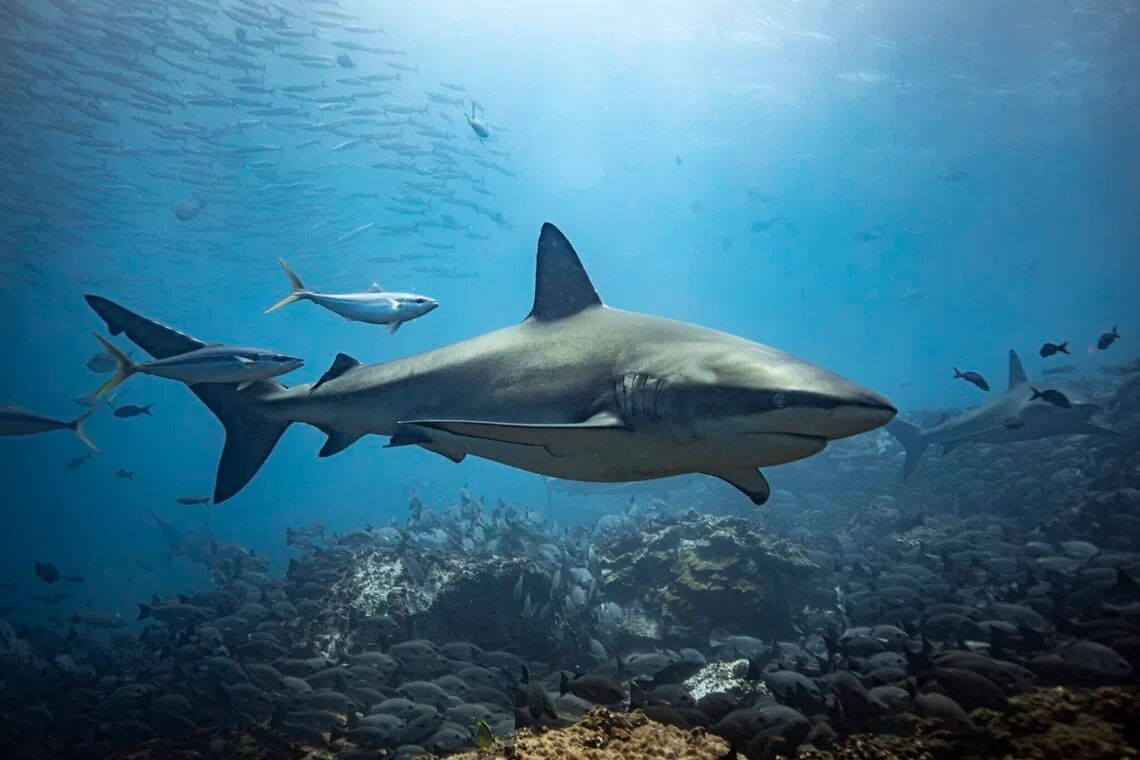
“Overall, Earth is in a state of exceeding the limits and we are witnessing planetary decline in one lifetime. It’s like the sixth great extinction; the habitability of Earth truly is on the line,” she says.
Education and hope for the future
Dr Earle emphasises the critical role of education and public awareness in driving conservation efforts. “The most important thing anybody can do is take advantage of the knowledge that is out there,” she advises.
With advancements in technology, there is now unprecedented access to information about the ocean’s health. Documentaries, virtual reality experiences, and educational programmes are bringing the underwater world to life for those who may never have the chance to dive beneath the waves.
“Become a witness on your own,” Dr Earle urges. “Understand that the ocean is not what it was 50 years ago, or even 10 years ago. We’re losing the capacity of the ocean to continue to deliver what it used to deliver.”
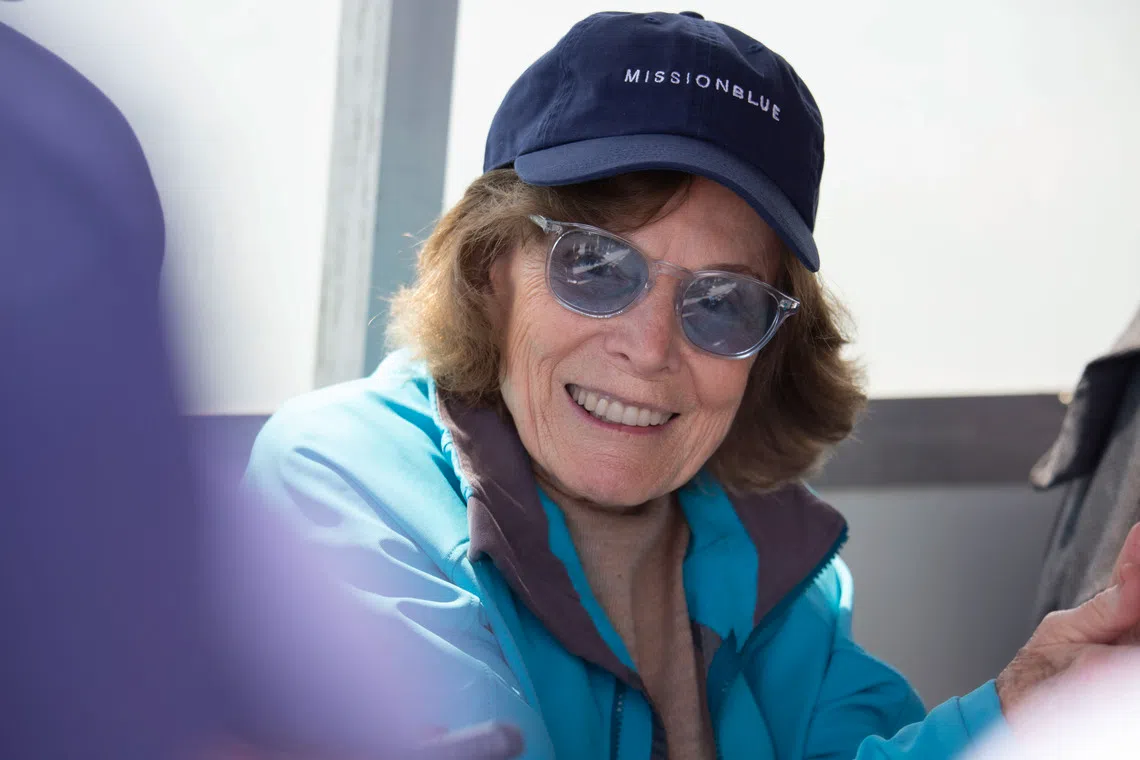
Despite the challenges, Dr Earle remains hopeful and optimistic. “Knowing is our superpower,” she says. “We can see what our predecessors could not, and that gives us the power to act… By harnessing the power of knowledge and technology, we can make informed decisions to protect and restore our oceans.”
She adds that Hope Spots such as the Shinnecock Bay restoration offer tangible hope and are a reminder that with concerted effort, scientific knowledge, and global cooperation, we can turn the tide on environmental degradation and create a more sustainable future for generations to come.
But most of all, Dr Earle insists: “It’s not too late to make a difference”.
She adds: “The ocean, with its remarkable resilience, can recover if given the chance – and in that recovery lies our best hope for a sustainable future on this blue planet we call home.”
Decoding Asia newsletter: your guide to navigating Asia in a new global order. Sign up here to get Decoding Asia newsletter. Delivered to your inbox. Free.
Copyright SPH Media. All rights reserved.
TRENDING NOW

If Europe goes to war, the fallout will be felt in East Asia

Philippines’ FDI slowdown exposes uneven investment prospects across S-E Asia

Who are some of the longest-serving CEOs among Singapore’s blue-chip companies?

Debt funding for S-E Asia startups ticks up as it gets tough to raise money via exits, equity

