What will our homes look like in 2026?
[NEW YORK] The look of the home has become a calling card of personal taste and style. And thanks to social media, it’s also subject to an ever-quickening trend cycle. That’s not expected to slow in 2026.
In surveying some 15 experts from both mass market and high-end realms of interior design about how home design trends could change in the coming year, one theme became evident: Our interiors will evolve to reflect the wider world and emotional climate.
There is a growing taste for individuality, many said, and making the home a reflection of all of our quirks, while also creating a sense of refuge from the world outside. The fantasy of many homeowners today is to metaphorically create a dwelling that “feels like a rustic cabin in the woods”, said Peter Shire, a member of the Memphis Design Group. His words echo what several other sources predict for the year ahead: that in a time of global uncertainty, the home will become even more of a sanctuary. Here’s how that attitude could manifest in households across the country.
A flair for the eccentric
There is a desire to “make your home your castle”, said MillerKnoll’s creative director Kelsey Keith. It’s a trend that’s felt in small touches that evoke a sense of individualism, as well as in larger projects like Keith’s observation of greater interest in things such as wine cellars and saunas (the latter of which she recently installed in her own backyard).
“In the pandemic, it was more about shoving a Peloton wherever, now it’s about a dedicated closet, a yoga room,” Keith said. “People are really designing for their own idiosyncrasies.”
Bathrooms are becoming a focal point of that conversation. In the past year, Alex Tieghi-Walker, the founder of Tiwa Gallery in New York City, has seen numerous friends transform what was a bedroom into a larger bathing space, which he said accentuates the home’s purpose as a refuge for relaxation.
At Lowe’s, “people are going wild with their bath vanities”, said Monica Reese, the company’s director of trend and style, by making the vanity a colourful “showpiece”, with a decadent mix of materials.
This new sense of individuality is also extending to a desire for unique furniture and decor pieces, rather than the trendy items people see online, said Los Angeles-based celebrity interior designer Brigette Romanek. Eccentric pillows and textiles are also gaining popularity, according to artist and furniture designer Katie Stout who described the category as “soft sculpture”.
Writer and curator Camille Okhio expects this growing interest for idiosyncratic designs will manifest in an appreciation for antiques and items sourced in local auction houses, especially as the implementation of tariffs continues to alter Americans’ spending priorities. “Americans of all economic levels are going to have to innovate,” she said. “We will have to keep things close to home.”
SEE ALSO

Colours that maximise cosiness
Paint finish and colour, said Benjamin Moore’s lead trend forecaster Andrea Magno, can have an outsize effect on how a home feels and can even accentuate its purpose as an “enclave from all the things going on in the outside world”.
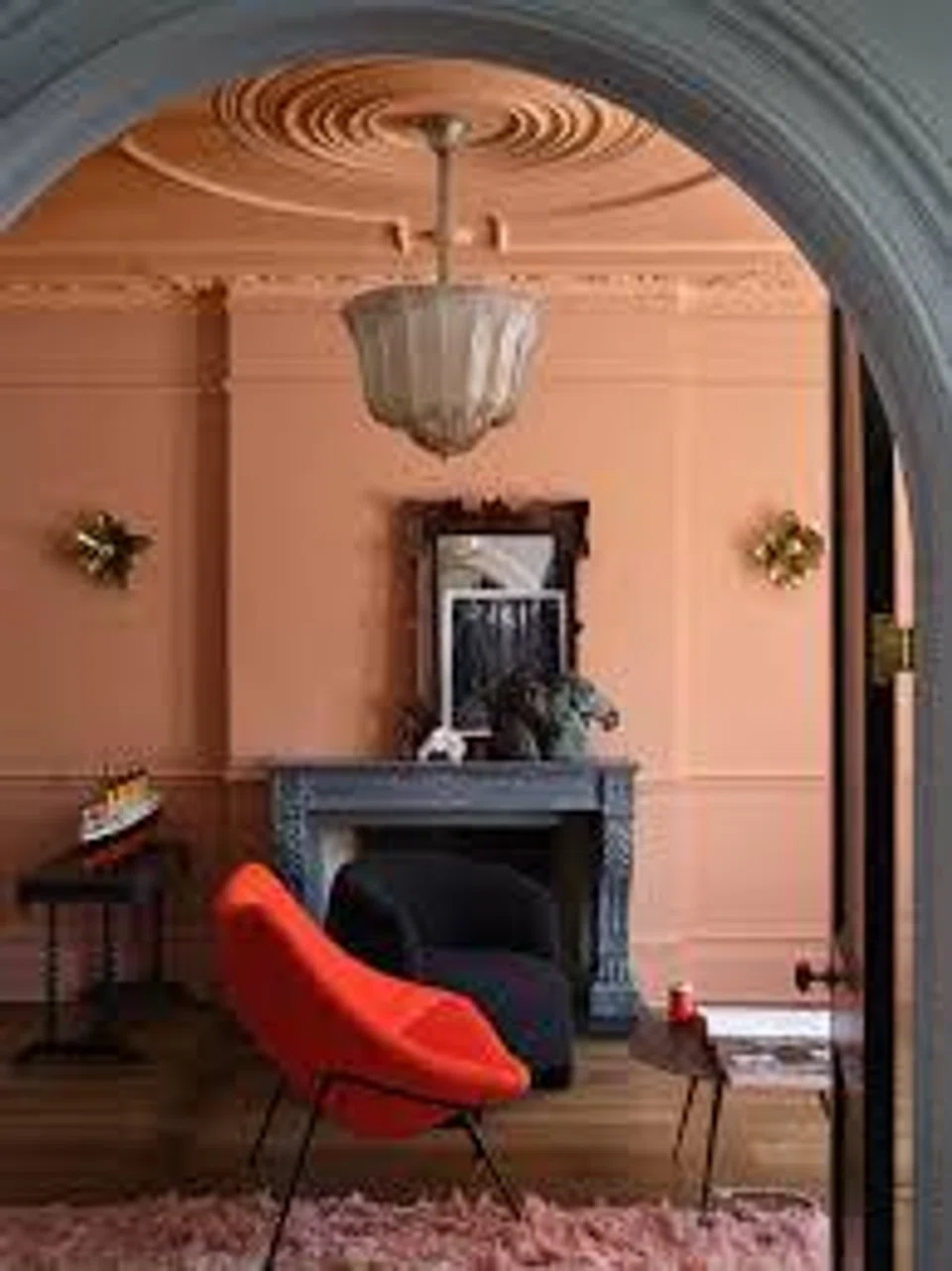
Colours that are what Farrow & Ball’s colour curator, Joa Studholme described as “earthy and warm”, such as moody browns and reddish terra-cottas have a way of cocooning and make “us cherish our homes more and feel closer to them”.
Studholme expects that those tones will take off more broadly in 2026, along with a shift towards more colourful trims like baseboards and mouldings, an area where she thinks the tradition for all-white paint “will really disappear”, in order to create a more layered feel.
Sue Wadden, the lead colour strategist for Sherwin-Williams, has observed those classic white accents transitioning towards warm shades of khaki. For her, they are a better foil to popular warm tones like rich reds, which “don’t look good next to something with too high contrast”.
That same use of “bright colours scattered in muted patterns”, is something to look for more widely in housewares, such as seating and rugs, in the coming year, according to Tyler Hays, founder of the furniture company BDDW. Judging from the look of fashionable new cars and clothes, Keith projects a bigger appetite for pops of bold colours like cerulean and tomato red in places such as upholstery as well as small doses of safety-vest orange in accents like light fixtures and side tables.
Some things will stay the same, however. The velvety matte paint finishes that have become popular in American households in the past five years will continue to be prevalent, Magno said, largely for the soft welcoming mood they impart.
A return to craft
While the word “craft” may conjure images of homemade bric-a-brac, a more stylish execution may become one of the biggest housewares trends of this year.
Nationwide housewares stores have already begun noticing shoppers’ newfound appreciation for home decor with a handmade touch.
At HomeGoods and Homesense, a noticeable rise in interest for products like hand drawings, artisan-made wood furniture and hand-painted ceramics are thought to, “reflect a desire for items that feel special, intentional, and made with care”, said Victoria Shonkoff, the companies’ senior vice-president for marketing.
Pieces that showcase the ways in which they are “not overly mass produced”, with sculptural or asymmetric components are gaining popularity with shoppers at the lighting, furniture and housewares web store Lumens, said the company’s editorial lead Angela Tafoya. She cited a marked uptick in the purchase of Italian handblown glass fixtures and decor by Venini.
Tafoya, as well as David Alhadeff, the founder of The Future Perfect, a design gallery with locations in cities including Miami, New York and San Francisco, attributed this growing appreciation for the handmade to a wider digital fatigue. At The Future Perfect, it has translated to a new popularity for pieces that feature tiny imperfections (or “visible labour”, as Alhadeff called them) such as fingerprints in ceramic surfaces or slight variations in wood cuts. NYTIMES
Decoding Asia newsletter: your guide to navigating Asia in a new global order. Sign up here to get Decoding Asia newsletter. Delivered to your inbox. Free.
Share with us your feedback on BT's products and services