
What's in a pseudonym? Plenty
 Add BT as a preferred source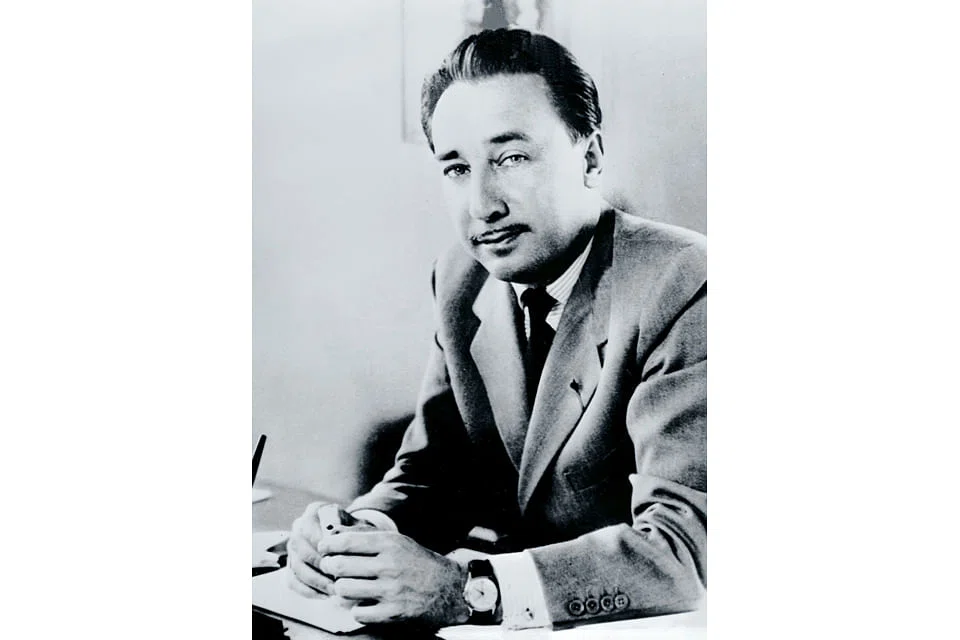
Rome
FROM George Eliot to John le Carre, writers reaching out for the disguise or anonymity offered by a pseudonym is nothing new in the literary world. But the phenomenon has been put back in the spotlight by Italian publishing sensation Elena Ferrante's assiduous efforts to keep her real identity a secret, at a time when new reasons are emerging for publishing from behind a mask.
For Ferrante, who was reported last year to have been outed as Rome-based literary translator Anita Raja, anonymity was a choice; born of a desire to avoid the pitfalls of celebrity and a conviction that "books, once written, have no need of their authors". Some of her predecessors did not have that luxury. Alberto Moravia, author of The Woman of Rome and one of the greatest figures in 20th Century Italian literature, was born Alberto Pincherle. He opted to drop his Jewish family name as part of his efforts to escape censorship and persecution at the hands of Benito Mussolini's 1922-1943 fascist regime.
Share with us your feedback on BT's products and services

