

When positivity becomes toxic

WORKED off your feet? Pause for a cup of tea.
Stressed out? Watch a cat video.
These are some things we can do to feel happy in tough times – if only momentarily.
Samuel Chng, who heads the Urban Psychology Lab in Singapore University of Technology and Design’s Lee Kuan Yew Centre for Innovative Cities, puts it this way: “While cat videos and a cuppa might be a distractor or a means to take a time out to regroup mentally, it is not a long-term solution.
“Psychological research found that being happy (or positive) cannot be sustained on fleeting experiences. Instead, it arises from a more enduring sense of contentment in our life, across different domains such as work, leisure and social relationships.”
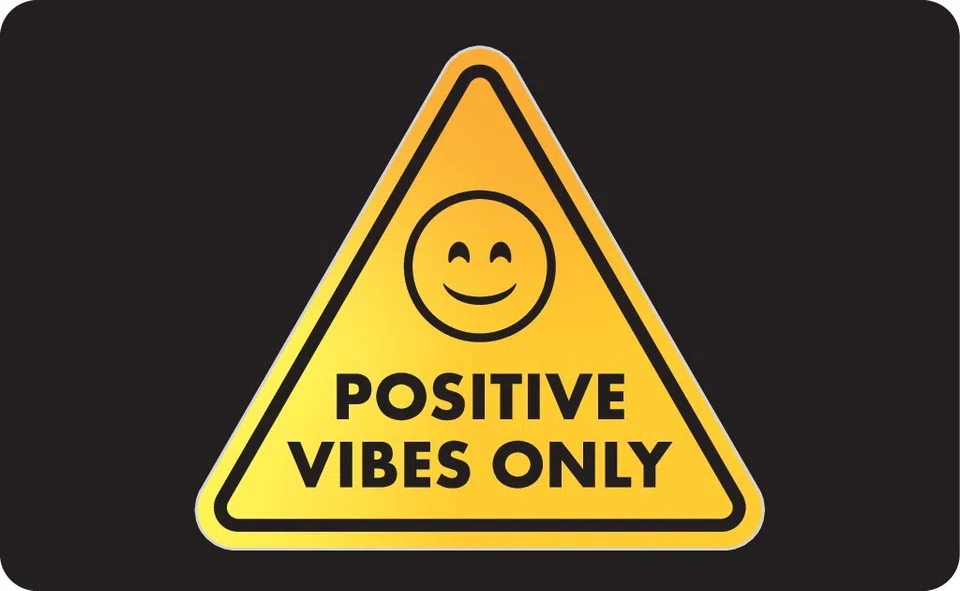
So brief distractions cannot bring true happiness. But neither can a forced overdose of rainbows and unicorns – which can instead lead to the very real, and quite annoying, phenomenon of toxic positivity.
When someone I know lost her husband, she told me the one thing she dreaded was hearing people tell her: “It’s okay, he is in a better place now.”
“I used to smile and shrug it off to keep the peace. Now I just snap back – but that doesn’t help me at 4 am when I’m ugly-crying,” she shared.
To me, toxic positivity is positivity gone into overdrive, and there is a fine line between it and truly being positive.
SEE ALSO

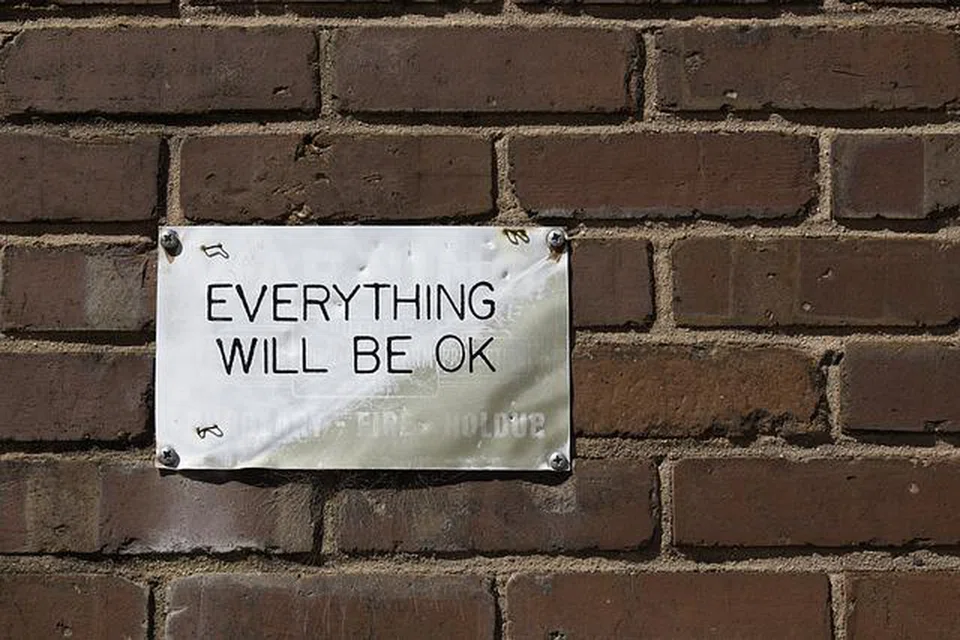
Dr Chng says: “Toxic positivity occurs when our response to our own or someone else’s predicament comes across as a lack of empathy and dismisses emotions instead of affirming them. It is like someone saying ‘everything happens for a reason’ after a loved one dies, or ‘everything will work out’ after someone has been retrenched.
“While there is usually no harm intended, toxic positivity often happens in situations when we want to help but do not know how to do it and what to say. We want to comfort or encourage someone – instead, it shuts the other person up. Forcing positivity can also misrepresent you and make you seem hard to connect with or even fake.”
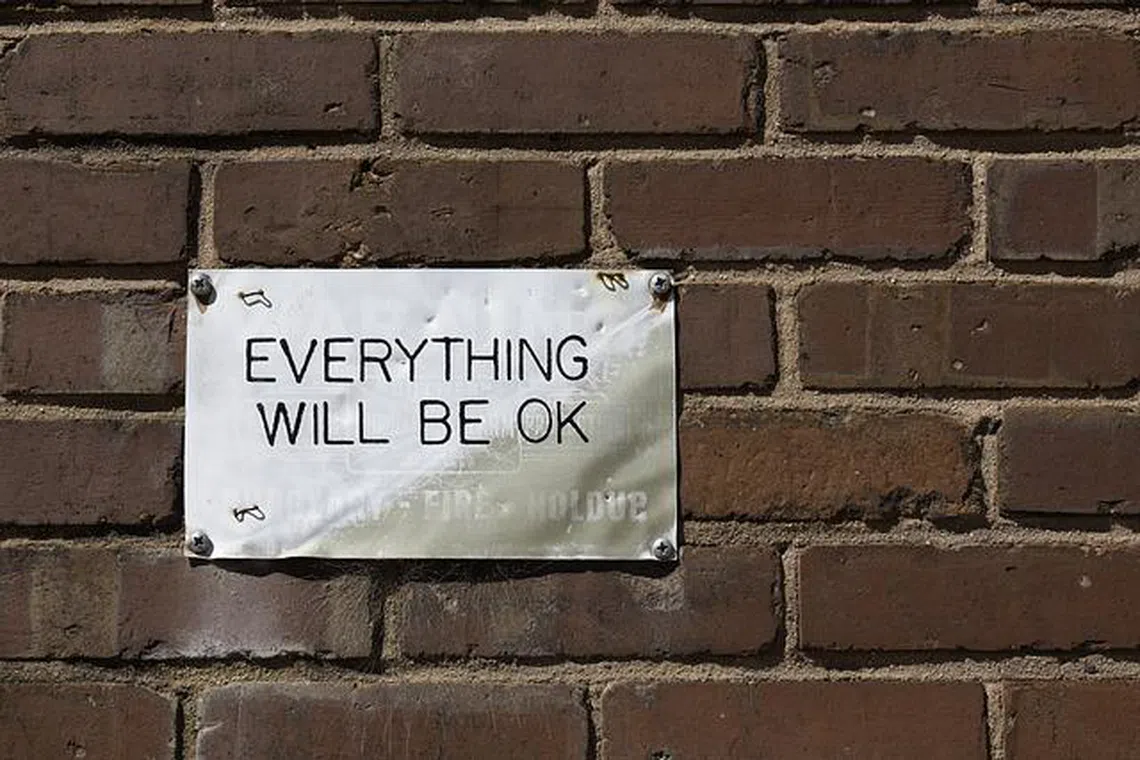
In this fix-it-quick culture, we are taught to push away difficult emotions, slap on a Band-Aid, and pretend that everything is all right. But sometimes, it ends up festering.
When my mum was diagnosed with cancer when I was younger, I heard comments such as “cheer up” and “there is a plan for all of us” – which is probably why I have developed an aversion to the latter phrase.
The altruistic intentions of the other party should not be doubted, but telling someone who is in emotional pain to “cheer up” just feels somewhat dismissive.
Toxic positivity also happens in our professional life. The warning signs to look out for are environments that overvalue positivity, perhaps more than logic – you know, the proverbial attitude of “We will get it done, no matter the obstacles!” – and issues being brushed off, which may lead one to hold back suggestions for fear of backlash.
Lim Chai Leng, general manager at Randstad Singapore, says: “Toxic positivity can be an insidious force that impacts the overall employee culture of a company. ‘Hustle culture’ has played a part in creating a work environment that thrives on productivity and conflates a person’s level of dedication to work with their value to society…
“One of the most typical examples of toxic positivity would be telling your distressed co-worker to ‘just stay positive’ without recognising their feelings or problems. Another situation that you’ve found yourself in before is when your colleague tells you that ‘everything is going to be okay’ when you’re sharing your problem without giving any actionable advice or feedback to deal with the situation or your emotions.”
Lim adds that instead of discouraging a co-worker or employee from feeling stressed, it is more effective to identify the source of their stress and offer them help, be it practically or emotionally.
“Even if you’re unable to help them in their situation, you can lend a listening ear because sometimes that’s all they need at that moment. As work and life intertwines in the hybrid work model, business leaders need to learn to go beyond listening to acknowledge their employees’ challenges, no matter work or personal, and support them through meaningful advice and guidance.”
Though we should not perceive every attempt at friendly encouragement as ‘toxic’, we should still recognise toxic positivity when it is being demonstrated towards us – as well as in our own thinking.
While it is understandable that we may repress our negative emotions and force ourselves to look “on the bright side of things”, these feelings will manifest eventually – physically and/or emotionally.
If you keep ghosting your own emotions, they will return to haunt you until you have put them to rest.
Decoding Asia newsletter: your guide to navigating Asia in a new global order. Sign up here to get Decoding Asia newsletter. Delivered to your inbox. Free.
Copyright SPH Media. All rights reserved.
TRENDING NOW

Cracks emerge in AI borrowing boom as CoreWeave, Oracle and SoftBank debt worries grow

Could stablecoins be the future of money?

‘How many will survive?’: Bubble fears arise as China’s humanoid robotics face reality check

Philippine power giant First Gen rebuffs foreign offers, plans up to US$2.6 billion in expansion

