

When retailers hit record sales of 40 times the daily average - in just one day
The success of SMEs in online shopping fests like 11.11 gives a glimpse into the future of e-commerce in South-east Asia.
SALES festivals have been around for decades, where at least a few times a year, consumers can enjoy big discounts and retailers can expect a fillip in business. E-commerce has taken this concept to the next level, especially with 11.11, started by Alibaba in 2009, becoming the world's biggest online sales festival. Eleven years on, the growth of the digital economy in South-east Asia has fuelled more - and bigger - online shopping festivals, including the likes of 9.9, 11.11 and 12.12 that just passed. So will 2020 see more such iconic days? More broadly, what is the future of these festivals in the region?
Empowering SMEs
South-east Asia is a region of entrepreneurs and traders. This is apparent just walking through the streets of our major cities. Most of the enterprises are SMEs, small- and medium-sized firms. E-commerce and the digital economy are a way to unleash the power of South-east Asia's SMEs.
At their core, shopping festivals are a way to empower local brands, businesses and SMEs. Through digitalisation, e-commerce helps businesses to scale domestically. From cottage industries in rural Malaysia offering traditional products (such as Orang Asli organic rice, Sempalit peanuts, Bentong ginger powder, which were big hits on 11.11), to Singaporean suppliers selling out-of-this-world products (such as a giant Alaskan king crab), shopping festivals offer them an opportunity to reach markets they never could have if they only sold offline.
This 11.11, we doubled the number of participating sellers. In just 24 hours, more than 4,000 vendors enjoyed sales of more than US$10,000. This amounts to a significant business margin for the year for the SMEs.
To unleash their power in South-east Asia, SMEs need to digitalise and scale fast. And shopping festivals offer SMEs a strong platform for the mission.

Driving new shopping experiences
In South-east Asia's sprawling cities, online shopping is often synonymous with convenience. But for many of the region's customers, the experience of shopping could matter more than the purchase itself. Shopping is increasingly also about being entertained and digital content is playing a critical role in this journey. Online platforms are migrating from "click and buy" (transactional) to "watch, shop and play" (social).
Online shopping festivals provide a unique opportunity to test new shoppertainment concepts at scale. During shopping festivals, we were able to introduce interactive content via live-streaming, "try-on" augmented reality (such as lipstick shades), image recognition technology and in-app group games that enable consumers to convert winnings into shopping vouchers.
Going by the traffic on our platform (for example, we became the most watched in-app live-stream game show in the region with more than 1.1 million viewers in a single four-hour session), it is apparent that the appetite for more vibrant, interactive content on online shopping platforms is growing in South-east Asia.
Infrastructure stress test
While the e-commerce experience and prospects in South-east Asia are strongly positive, most of the rosy stories are followed by a big "but". Notably, the logistics and payment environment in the region remains a huge challenge. Across South-east Asia, over 70 per cent of the population is underbanked, with cash still the predominant payment mode.
To realise the immense potential of e-commerce in the region we need to build the supporting logistics and payment networks. Online shopping festivals are an excellent way to stress-test the infrastructure from logistics to payments.
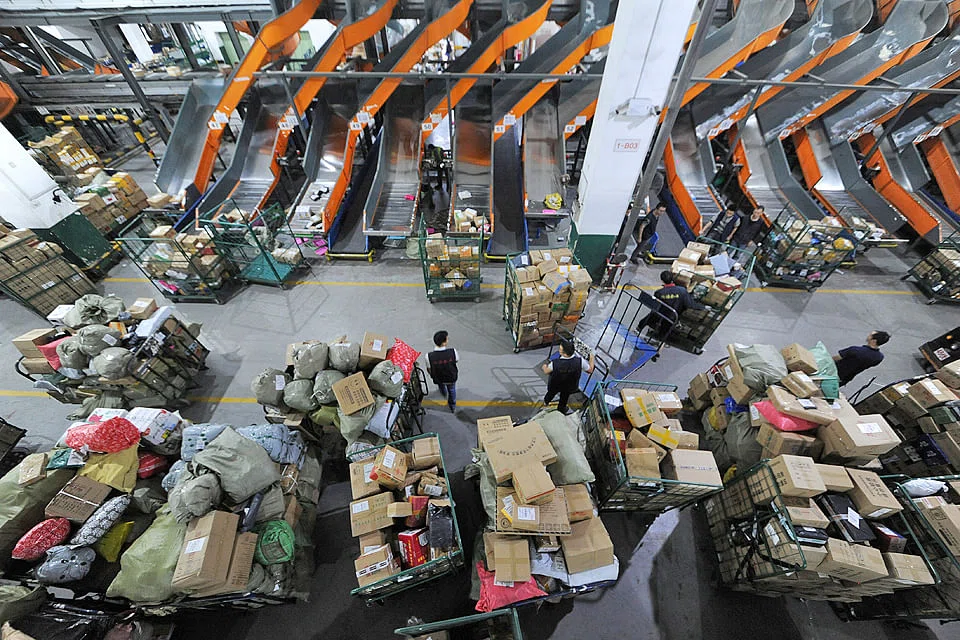
Every 11.11, we put the e-commerce ecosystem to the test, set dream targets and push it to its limit. This year was no exception - we more than doubled our seller, buyer and order growth within the first hour. We shipped more than 1.5 million items from our warehouses in 24 hours and had one in three buyers in Malaysia use our wallet.
Every year after the shopping season we work with our ecosystem partners to improve the network for the next year based on the prior-year learnings.
A glimpse into the future
Today, e-commerce penetration in the region is only at 3 to 5 per cent. What will it be like when the rate is like China's, at more than 20 per cent? In 10 years, more than 300 million people will be shopping online at least once a week. More than 50 million parcels will be delivered daily across the region. The digital economy will then power millions of SMEs and create tens of millions of jobs.
No entity alone will be able to keep pace with this growth. We need to create an economy working to build the future together. Being able to drive 20 times sales or more in one day enables all the participants of this economy to imagine the future.
This 11.11, we had an Indonesian haircare brand, Ellips, participating on Tmall Global, Alibaba's platform for brands to sell to consumers in mainland China. It was our first South-east Asian brand on the platform, and it hit record sales of 40 times its average daily numbers - in just one day!
The success of a homegrown brand like Ellips gives us a glimpse into the future of online shopping festivals and, on a bigger scale, the future of e-commerce in South-east Asia.
More to come - in 2020!
As the saying goes, "today's best performance is tomorrow's baseline". We are taking the successes of our online shopping festivals this year, as well as the lessons from working with our sellers and partners on how to best serve shoppers, into next year. Here's looking to an even more amazing 2020 shopping festival season to grow South-east Asia's economies!
Share with us your feedback on BT's products and services






