

Why Asia-Pacific is sport tourism’s next growth frontier
The race is no longer to host the next big event, but to build an ecosystem that results in sustained economic opportunity
THIS past summer, the Fifa World Cup saw more than 6.8 million spectators attend a record 104 matches played across 16 host cities in the United States, Canada and Mexico.
But the impact of international football’s most prestigious tournament extended far beyond the packed stadiums. Today, sporting events shape where people travel, how long they stay and how much they spend, turning sport into a powerful engine of tourism and economic growth.
With the global sports tourism market projected to surpass US$1.7 trillion by 2032, the race is no longer to host the next marquee event, but to build the ecosystem that transforms sporting moments into sustained economic opportunity.
While Europe and North America remain the world’s biggest sports tourism markets, the growth is shifting east.
Asia-Pacific – one of the most dynamic markets for sports-led travel – is forecast to grow more than 17 per cent annually through 2034, outpacing the global growth of 11 per cent.
This rise is not fuelled by the sporting calendar alone. The region’s advantage lies in structural drivers: Strong intra-regional travel, a new generation of passion-led travellers, investments in sport as an economic catalyst, and brands building richer travel ecosystems around major events.
Together, these forces are positioning Asia-Pacific not just to benefit from the growth of sports tourism, but to define its next chapter.
Built on strong regional demand
Asia-Pacific’s emergence as a sports tourism powerhouse begins with a fundamental advantage: Demand. The region is home to an expanding middle class, rising disposable incomes and one of the world’s strongest intra-regional travel networks – 68 per cent of inbound travel comes from within the region itself. These have created large, engaged populations willing to cross borders for live sport.
Asia-Pacific benefits from dense regional travel that is becoming more accessible, as low-cost carriers expand and visa requirements ease. Fans can combine short-haul flights with events, turning weekend matches into multistop trips that broaden the economic footprint and visitor pools beyond domestic audiences.



Successful sports tourism is more than hosting a single event. It requires a compelling pipeline of sporting experiences that not only attracts visitors but also gives them a reason to return, stay longer, and explore more of a destination.
Asia-Pacific already has those foundations, giving it an edge as competition to host global sporting events intensifies.
The era of “passion pursuits”
If strong regional demand provides the foundation for sports tourism, traveller passions are accelerating its growth.
We are entering an era of so-called “passion pursuits”, where travellers increasingly plan trips around personal passions, rather than traditional itineraries.
Sport is one of the clearest expressions of this shift. According to a report by Priority Pass, 46 per cent of Millennials and Gen Z in the region actively seek opportunities to attend or participate in sporting events when travelling.
For some, travelling is a way to pursue sport themselves. Participation-led formats, including hybrid fitness competitions, are gaining momentum across the region, with Hong Kong set to host a major global championship in 2027.
When Hong Kong held its flagship international rugby tournament in April this year, visits to Priority Pass’ airport lounges and travel experiences at Hong Kong International Airport rose 17 per cent year on year.
Sporting events are shifting from weekend attractions to anchors for longer itineraries, encouraging travellers to explore neighbouring destinations, extend stays, and spend more.
Investing beyond the final whistle
Across Asia-Pacific, governments are investing in sport not just to host the largest events, but to build a consistent calendar that strengthens destination appeal and economic development.
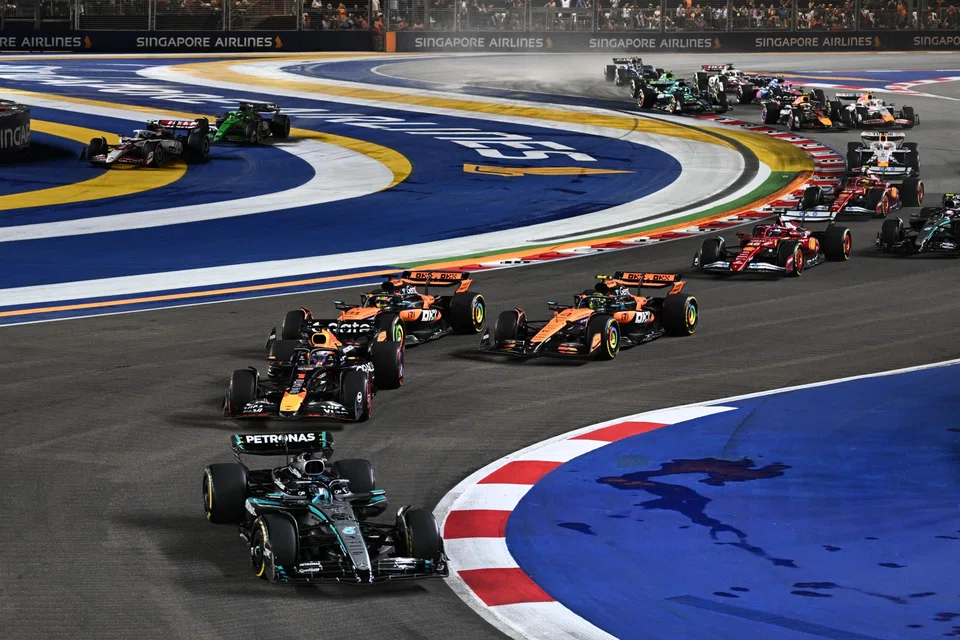
Singapore’s annual Grand Prix race weekend remains an anchor, generating over S$2.2 billion in incremental tourism receipts since its debut back in 2008.
But investment is going beyond mainstays, with S$165 million committed through 2028 to strengthen the city’s sporting pipeline, including smaller events that draw diverse visitors year-round. Thailand’s ambition to host an international motorsports event reflects a similar mindset, projected to contribute over US$400 million in tourism spending annually.
Success in sports tourism is no longer defined by ticket sales alone, but by the ability to turn events into sustained visitor demand and long-term loyalty.
The appetite to capture this opportunity is already evident. Priority Pass data shows 49 per cent of Gen Z and Millennial travellers in Asia-Pacific are motivated to explore new cities through sports travel.
For governments, the challenge extends beyond securing the next landmark event – the greater opportunity lies in creating the infrastructure and experiences that ensure visitors keep coming back long after the final whistle.
Where businesses see the opportunity
The ripple effects of sports tourism now extend well beyond destinations and hosts. As more travellers pursue their sporting passions, brands have an opportunity to bring both access and added value to the experiences themselves.
In Asia-Pacific, financial institutions are responding most visibly, deepening engagement with new cohorts of spenders.
Rather than competing on transactional rewards, many are investing in exclusive experiences. Mastercard’s longstanding partnership with tennis’ Australian Open, offering cardholders behind-the-scenes tours, is one example.
Such benefits are proving their worth: 83 per cent of travellers in the region say sports and wellness interests influence their payment card choices, and 47 per cent say travel benefits encourage them to spend more broadly.
As more sectors invest in sports-led travel experiences, they reinforce the very ecosystem driving Asia-Pacific’s growth. One where travellers, brands and destinations all stand to benefit.
Sustaining the momentum
The conditions for sustained growth are already in place: Resilient intra-regional travel, a growing demand for passion-led experiences, and an increasingly engaged base of travellers seeking more from every journey.
Growth from here will depend on how effectively the region builds on these foundations. The future of sports tourism will be shaped less by the events themselves, and more by the travel ecosystems built around them.
Capturing the opportunity comes down to how quickly governments, brands and destinations establish the partnerships, infrastructure and experiences that turn demand into sustained economic value. As that next chapter takes shape, Asia-Pacific is poised to set the pace.
The writer is senior vice-president of commercial, Asia-Pacific, at Collinson International
Decoding Asia newsletter: your guide to navigating Asia in a new global order. Sign up here to get Decoding Asia newsletter. Delivered to your inbox. Free.
Share with us your feedback on BT's products and services
TRENDING NOW

He built the Vingroup empire. Now South-east Asia’s richest man is handing some key roles to his sons

Proton e.Mas 5 review: The little EV that beat Tesla
Cash-strapped AirAsia takes unusual step of unloading new planes

Despite the de-dollarisation debate, demand for dollar liquidity in Asia is growing

