

Why Hyrox should drop its Olympic ambitions
This is the worst possible time to be going through the Herculean process required to be recognised by the IOC
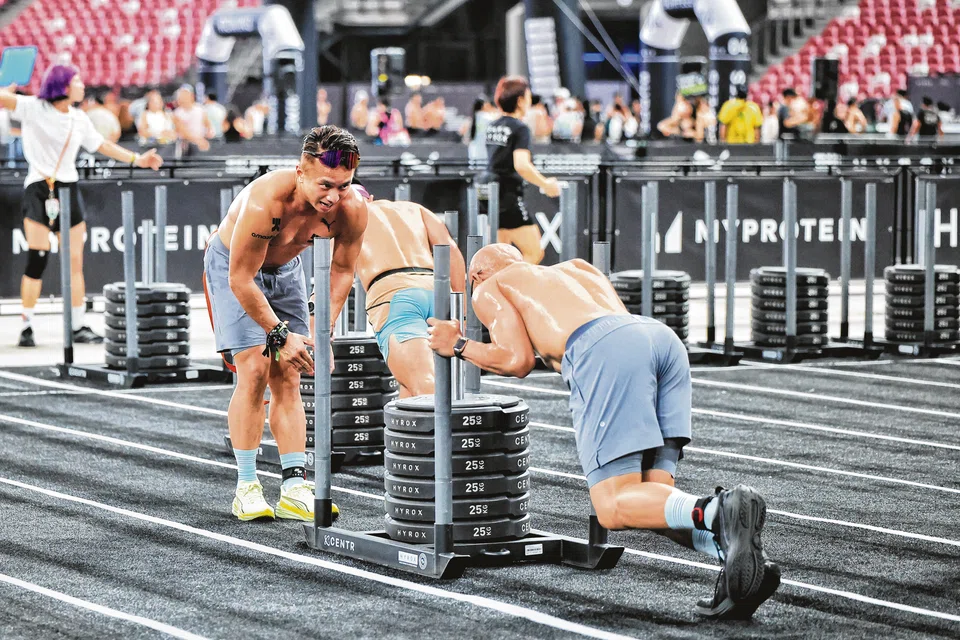
FEW things confer as much legitimacy on a sport than inclusion in the Olympic Games. It is an important goal for Hyrox, a fast-growing indoor fitness competition targeting a potential market of 240 million global gym junkies.
But it would be wise to ditch such a lofty ambition and focus on commercial efforts to ensure a lasting legacy.
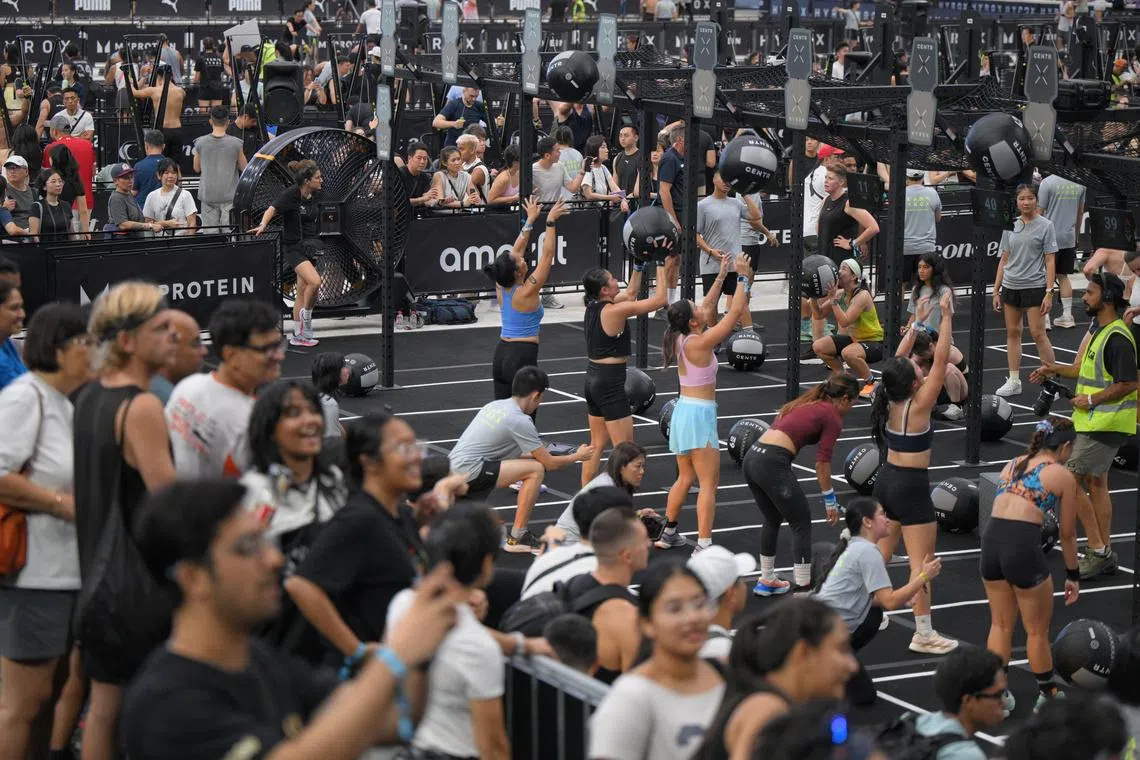
A three-day race that ended in Hong Kong on Sunday (May 10) with 20,000 competitors was the biggest in Asia and doubled 2025’s entries. It shows that Hyrox could be more than a passing fad.
Introduced in Germany nine years ago, the first event in Hamburg had just 650 athletes. Participants complete eight rounds of a 1 km run, each followed by a functional workout station. When the current season ends in June, 1.5 million people on five continents will have taken part.
The competition – majority-owned by Swiss sports marketing firm Infront Sports & Media, which is in turn backed by Chinese conglomerate Dalian Wanda Group – has had a meteoric rise.
Still, this is the worst possible time to be going through the Herculean process required to be recognised by the International Olympic Committee (IOC), the governing body of the Games, as an official discipline.
Though IOC president Kirsty Coventry has not explicitly said she intends to slash the size or scope of the world’s premier sporting event, she has kicked off a sweeping review to make it more streamlined and cheaper for host cities to run.
It is a more muscular extension of her predecessor Thomas Bach’s policies cracking down on bloated Games. She put the sports community on notice in February when she warned of “difficult decisions”.
The former Olympic swimmer, who won seven medals including two golds for Zimbabwe, made her intentions even clearer last week.
SEE ALSO



Speaking at a press conference, she indicated that the body would be pausing two key initiatives – competitive gaming and the Youth Olympic Games – while focusing on its so-called core business.
“We can’t continue to just get bigger, bigger, bigger, bigger, bigger,” she said. The upcoming 2028 Los Angeles event, planned well before Coventry took office in 2025, will be the largest Games ever, with a record 36 sports and 51 disciplines.
The future of e-sports, originally set to make its debut next year as a standalone event to reach younger audiences, now looks uncertain. The strategy for future Youth Olympics Games will also be reassessed.
In the meantime, no decision will be made on host nations following the 2028 winter competition in the Italian Alps.
The expansion era is over, which means adding any new sport will become even more difficult, Robert Livingstone, founder of a website that tracks the Olympic bidding process, told me.
The IOC’s main priorities are revitalising its highest-tier global sponsorship programme, a financial growth engine that has sputtered, as well as shepherding the strategic overhaul.
It is a setback for Hyrox, which is pushing for inclusion in the 2032 Brisbane Games. Going from a newly established sport to the Olympics in just 15 years would have been exceptionally ambitious even during the IOC’s most aggressive growth phase.
But Coventry’s review suggests the competition in Australia will shrink compared to the Los Angeles Games, which will include one-off additions such as squash, a popular pastime that has been lobbying for decades, and cricket, which last appeared in 1900.
To be sure, Hyrox is taking a smart approach for its bid – normally a long, political and highly structured process.
As a commercial brand with estimated sales of US$114 million in 2025, it is not able to qualify directly. Most aspirants will opt to create an international non-profit governing body responsible for overseeing the sport with standardised rules, anti-doping compliance and other regulations before the IOC can consider an application.
The fitness race is taking a less common but equally legitimate route: joining an existing federation, in this case World Triathlon, which already oversees a number of related disciplines.
Hyrox co-founder and chief executive officer Christian Toetzke told me at the Hong Kong competition that the firm was working on a final agreement with the federation to add a hybrid-racing category based on the Hyrox format.
The rules have not been announced, but one of the events would be a “copy and paste” version of the current competition. If a deal is reached, the federation would be taking the lead in discussions with the IOC.
While Hyrox appears to meet several criteria historically favoured by the committee – including accessibility, global reach, gender balance and youth appeal – it would be competing against a long list of rivals.
The sports added for competition in Los Angeles (cricket, squash, baseball/softball, flag football and lacrosse) presumably want to become permanent fixtures. Other contenders with far higher global profiles, including mixed martial arts, are also vying for a place.
Toetzke said Olympic inclusion was not a must, but would be the “icing on the cake” in helping Hyrox gain global recognition as an established sport.
The marketing itself may be the win here, raising the profile of a new sport that, whatever its strengths, is still niche and has not hit the big time.
For a competition already enjoying rapid growth, sticking to its strengths is the best strategy. BLOOMBERG
Decoding Asia newsletter: your guide to navigating Asia in a new global order. Sign up here to get Decoding Asia newsletter. Delivered to your inbox. Free.
Share with us your feedback on BT's products and services






