

Why no-brand label Muji is a cult favourite
An ongoing exhibition shows how less is more for this Japanese hit

Tay Suan Chiang
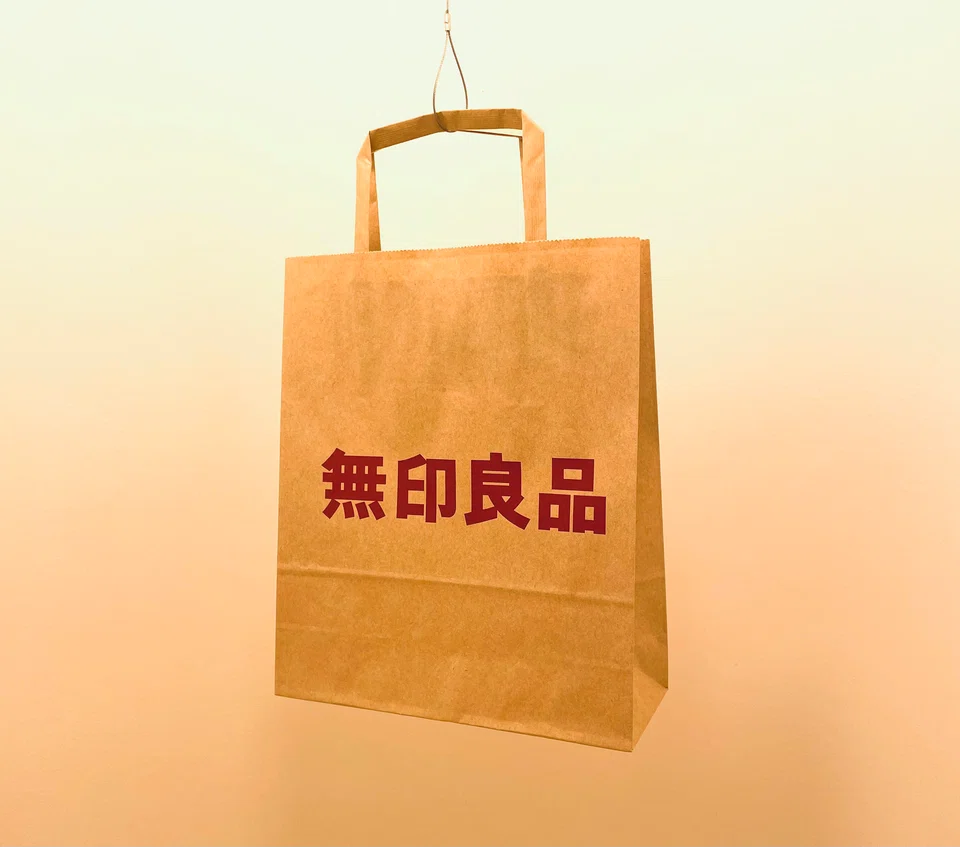
TAKE a look around your home or workspace, and chances are you might have an item or two or even more from Japanese brand Muji.
But what is it that makes its products so popular, despite not having any labels on them? Fans will say it is precisely that - a no-frills look that yet looks stylish, rather than cheap. After all, Mujirushi Ryohin, or Muji in Japanese, translates as “no-brand, quality goods”.
The brand first started in 1980, with 40 products including tinned sliced mushrooms and a toothbrush set. Even back then, the products and its packaging were simply designed.
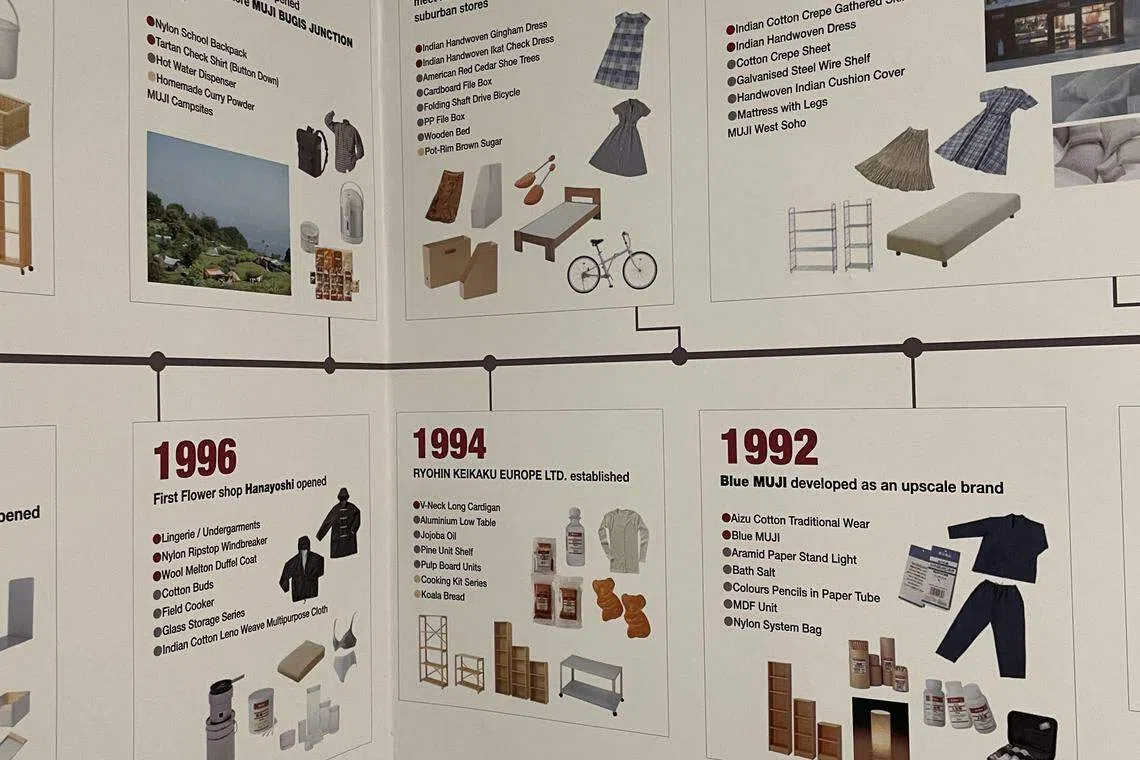
Muji, however, says it is more than that. The designers are guided by 15 verbs, each representing the thought process behind the creation of its products for the last 4 decades.
For example, there is hiku or habuku which means to subtract. Instead of adding extras to make a product stand out, which in the process also means having to increase prices. Muji chose to subtract, making things as basic as possible and pricing them based on their intrinsic value.
Another verb is kurikaesu or to repeat. One of the brand’s core values is to create products that can be used over and over again. One example is its bath towels which come with lines, which users can cut along to turn it into a bath mat or cleaning rag.

In 2020, to mark its 40th anniversary, the company created an archive of all its 7,000 products, which were categorised under the 15 verbs. A book, titled MUJI IS was produced, as well as an exhibition showing some products.
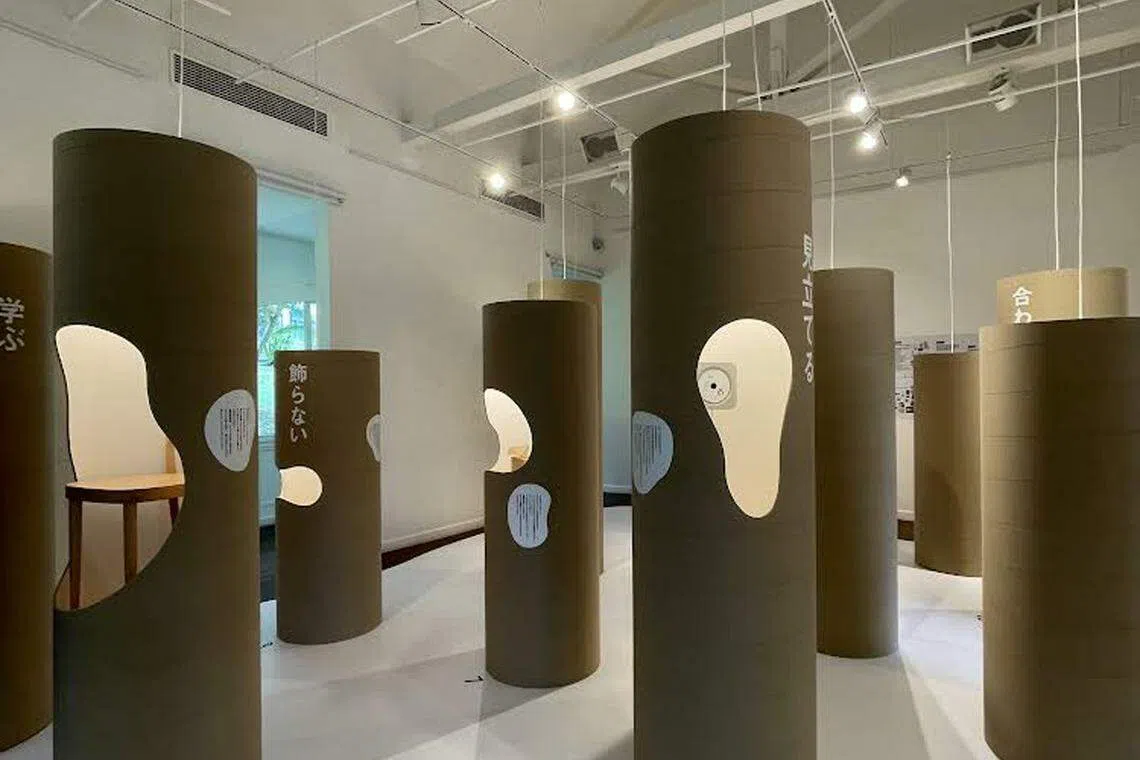
The exhibition was first held at Tokyo’s Atelier Muji Ginza, the company’s design gallery. This is the first time that To the Forest of Verbs with “MUJI IS” is shown overseas. Like its exhibition in Japan, each verb and its product example is placed in large cylinders. The exhibits are not placed in chronological order, so visitors wander around, as if they are in a forest.
Here are four items that represent Muji.
Aluminium Series
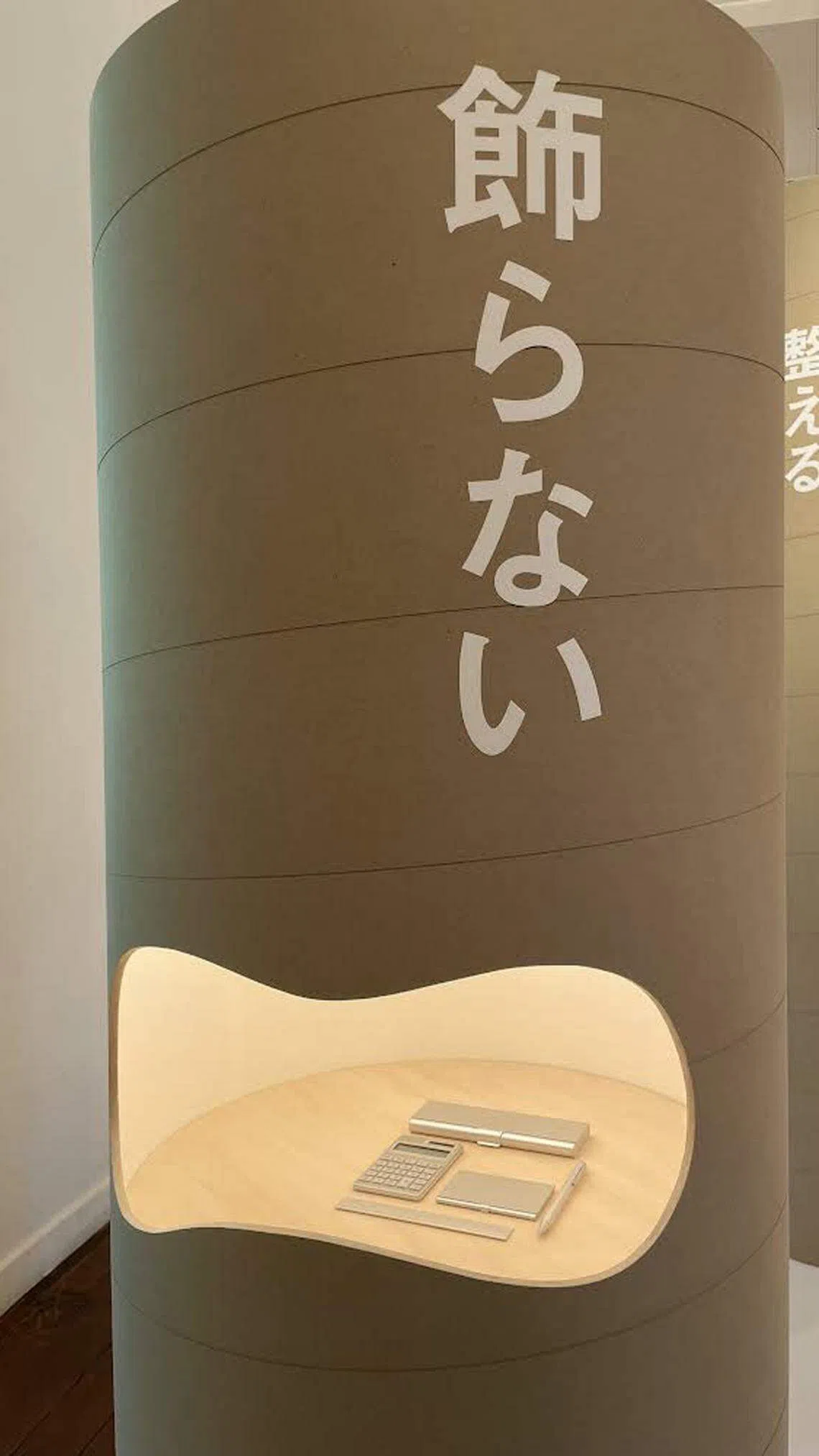
With its affordable price and clean look, it is no surprise that business card holders from Muji are popular with the working crowd. Aluminium was the chosen material as it is tough, lightweight and yet still has a warm look. The series represents kazaranai or to simplify, as the items are made entirely of aluminium without any embellishments.
Besides the cardholder, other items in the series include pens and mechanical pencils. Fans say that in spite of the sharp-looking designs, the products are comfortable to use.
Markable Umbrella
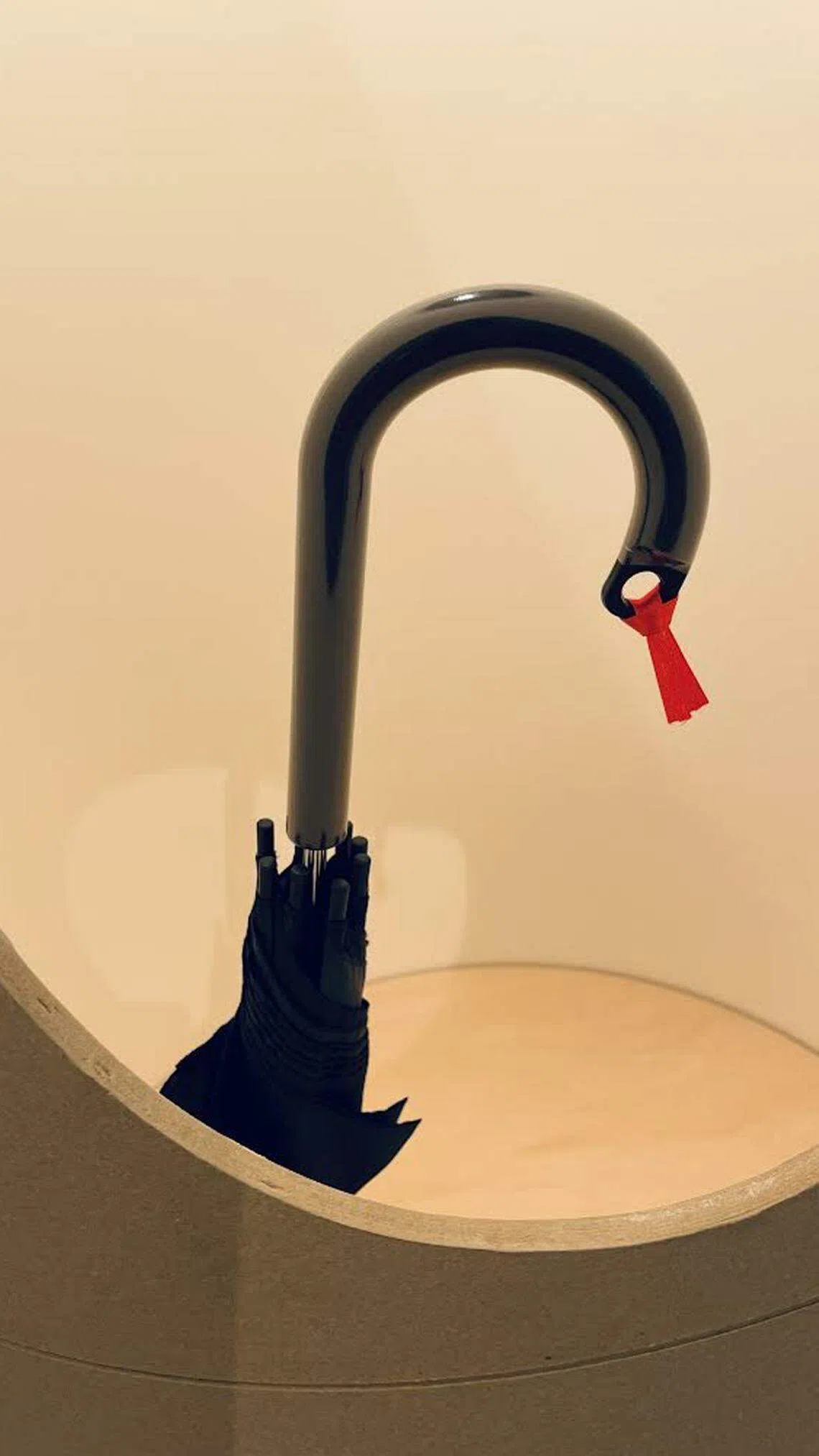
How do Muji’s designers come up with ideas? Sometimes it is about kizuku or noticing. For this umbrella, the inspiration came from a foreign designer who noticed that the Japanese like to mark their umbrellas using little items such as a rubber band.
A hole has been added to the end of the handle, so the user can attach their own choice of identification.
Refill tissues
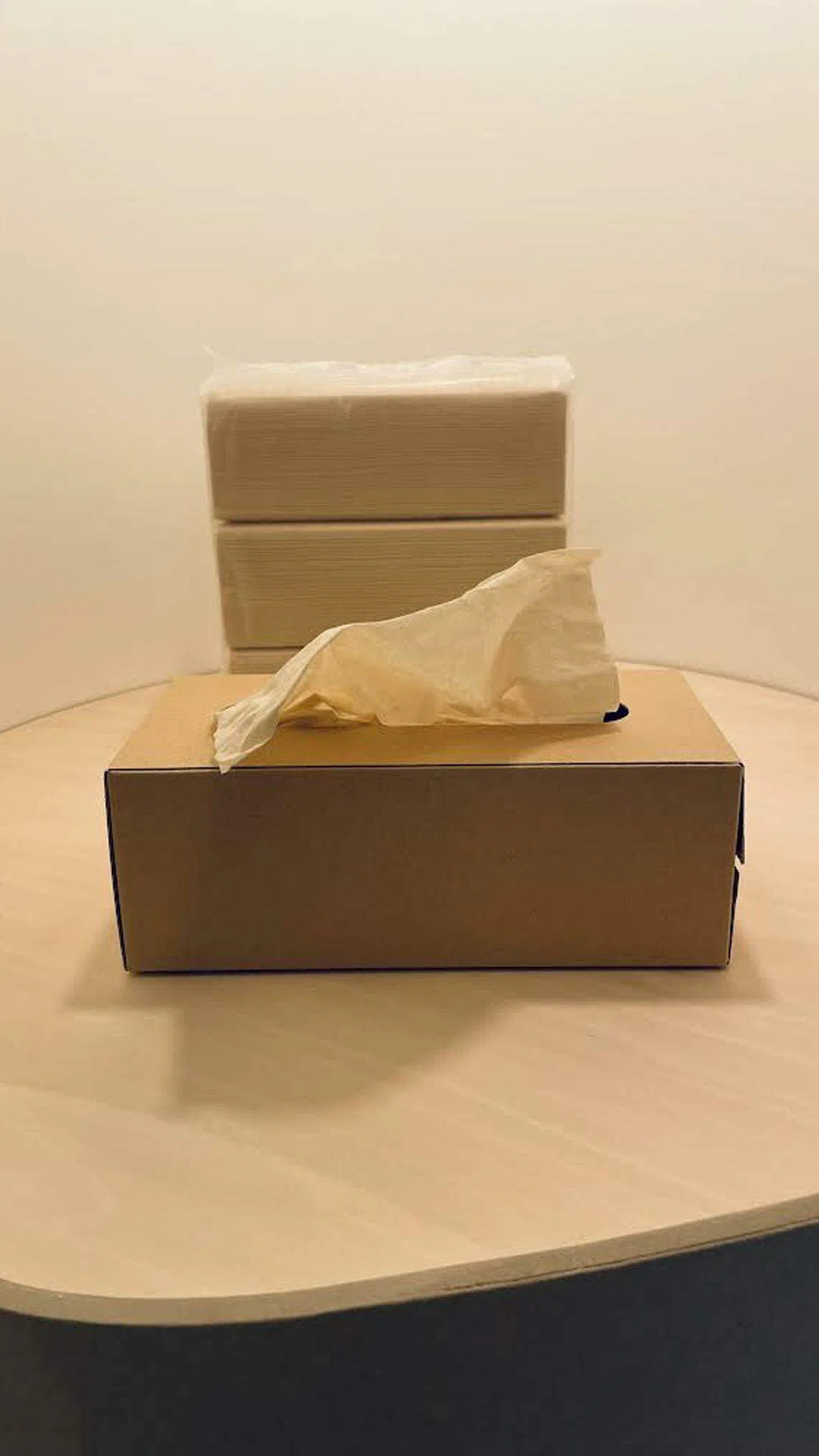
Even before sustainability became a hot topic, Muji was already years ahead on this front. The firm practises matomeru or bundle, by putting multiple items in one package to reduce cost and packaging.
Instead of throwing away the tissue box after use, Muji launched a set of 5 bundles of tissues with one outer box. The box can be reused, and is kept plain to save on printing costs.
Wall Mounted CD Player
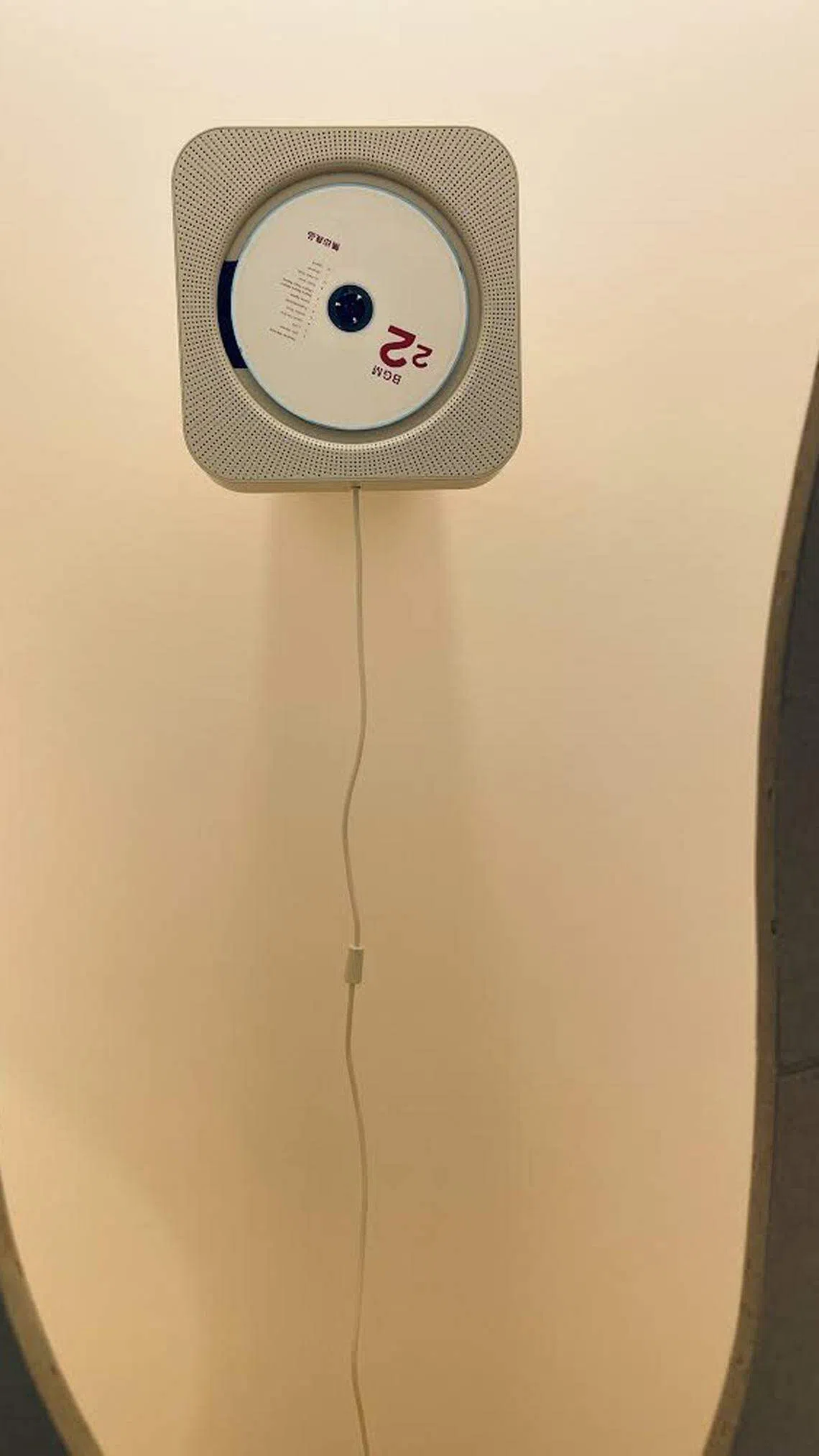
A hit when it was introduced in 2000, the wall-mounted CD player which looks like a wall fan, was created by famed designer Naoto Fukasawa.
The CD player reflects mitateru or to imagine, where its designers tap their imagination to create new products. In this case, Fukasawa was inspired by the kitchen vent. Pulling the string on the kitchen vent to start the fan blades moving reminded him of how a CD starts spinning.
The CD player is considered one of Japan’s most iconic industrial designs and despite CDs going out of fashion, it is still available today.
To the Forest of Verbs with “MUJI IS” is on till Jul 27, at the Japan Creative Centre, 4 Nassim Road. Opening hours from 10 am to 6 pm, admission is free. (Closed on Jul 12, Sundays and Mondays)
Decoding Asia newsletter: your guide to navigating Asia in a new global order. Sign up here to get Decoding Asia newsletter. Delivered to your inbox. Free.
Copyright SPH Media. All rights reserved.
TRENDING NOW

Higher rates, weaker spending: Is the Philippines entering stagflation?

Ex-Nvidia CEO misled top lawyer on affair with Chinese businesswoman, sources say

‘I’ll be buying more’: Singapore investors pour into Nvidia shares on Jensen Huang’s exit
Nvidia approaches Arm CEO Haas as employees seek Huang's return, reports say

