

Why South Korea’s strawberry farmers indulge a ‘fussy fruit’
One of the country’s top fresh agricultural exports is the result of decades of research and modernisation
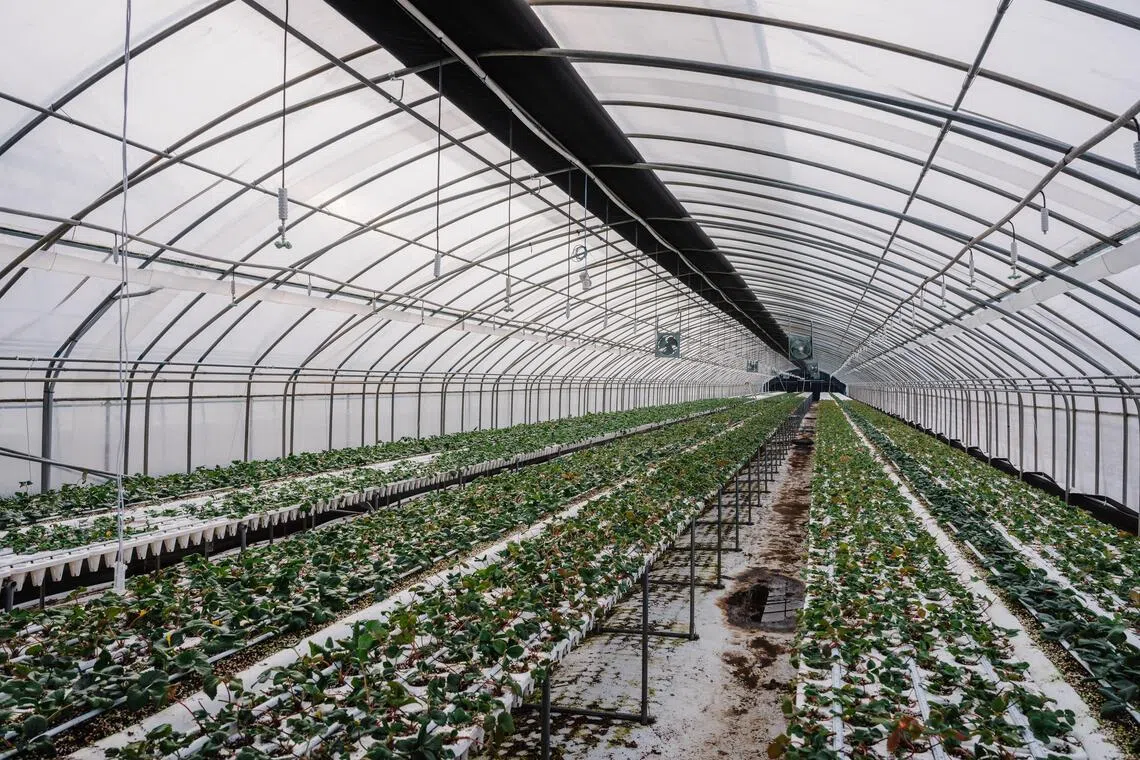
THE strawberries hanging from suspended planters at a South Korean farm are among the country’s most important and beloved fruits.
From artisanal bakeries in the countryside to lavish buffets at Seoul’s top hotels, strawberries play starring roles in cakes, lattes, salads and even sandwiches.
They’re so delicate that pickers wear two layers of gloves to shield the fruits from the heat of their hands, said Jin Ju, 40, a trainee strawberry farmer.
“They are like jewels,” he said.
After decades of research and modernisation, strawberries have become one of South Korea’s top fresh agricultural exports. Farmers have created better varieties and built greenhouses that maintain ideal conditions all year.
For many South Korean families, harvesting strawberries together is a cherished activity. Some farms host winter picking events in climate-controlled greenhouses.
Kim Ga-yeong, 35, brought her two-year-old daughter Lee Ju-ha to Star Village Strawberry Farm in the city of Namyangju. The girl wore pants with strawberry patterns.
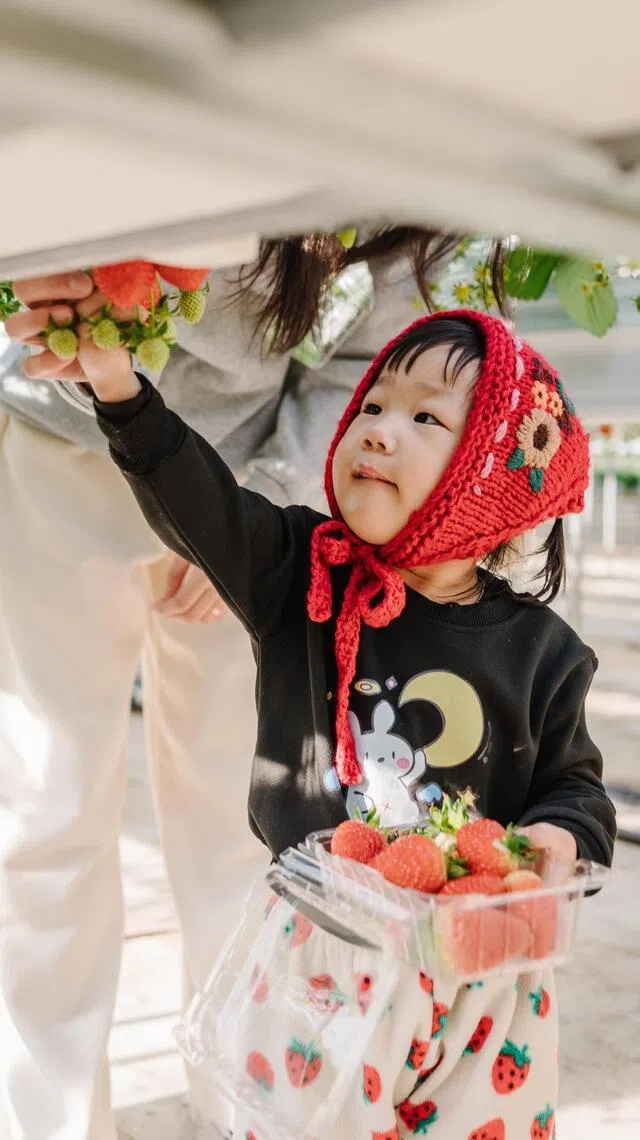
“She was really excited to come here today,” Kim said.
Technological advancements have transformed strawberry farming in South Korea, but it still requires a great degree of care.




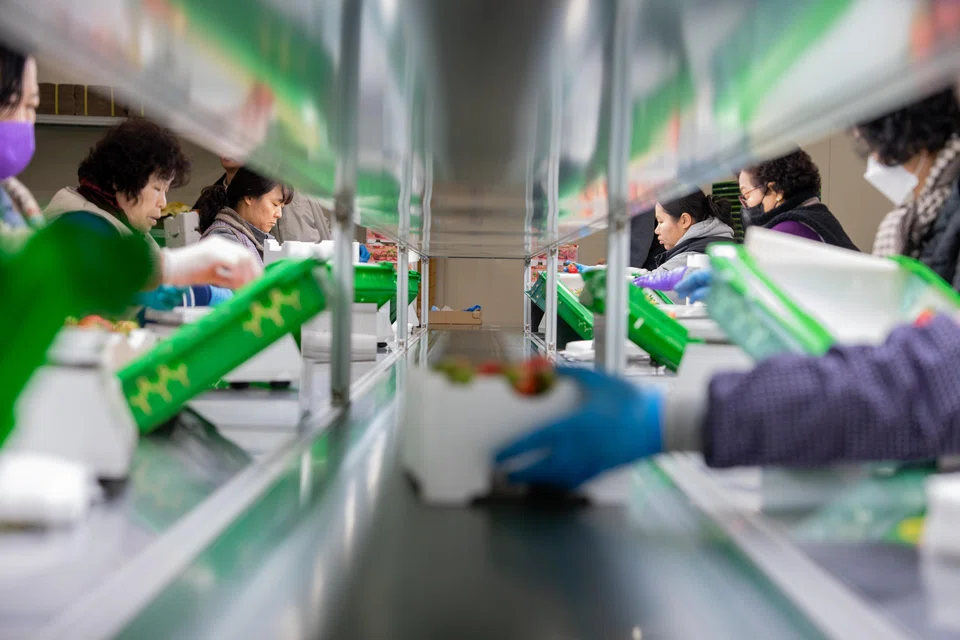
At the sorting plant, workers ensure their hands don’t bruise the crop.
“It’s a fussy fruit,” said Go Kyoung-ja, 58, who has sorted strawberries since her 20s. “You have to be quick and delicate.”
A slight shift in moisture invites mould. A glitch in a heating system can destroy an entire season’s work overnight.
For decades, South Korean strawberry farmers grew European varieties in open fields, harvesting them in early summer.
The introduction of greenhouses across rural areas in the 1980s enabled farmers to grow Japanese varieties, which are sweeter and ripen in cooler months when fruit prices are higher. That transformed their fortunes.
“The people who could afford to send their kids to college were the strawberry farmers,” said one of them, Kang Young-sik, 58.
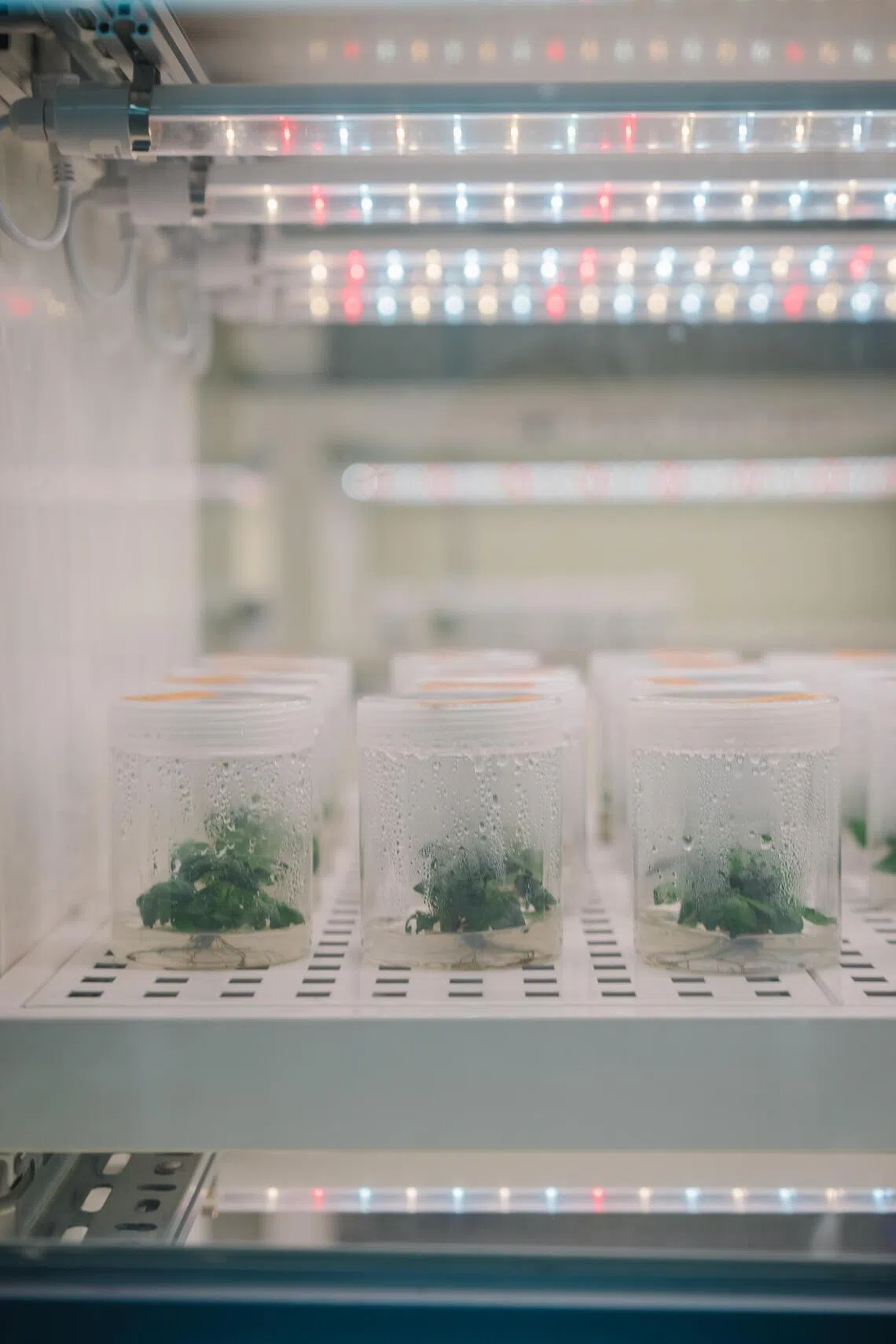
This transformation began in a lab. For decades, scientists at a government-funded research centre worked to break farmers’ reliance on foreign seeds, especially lucrative Japanese varieties.
Jang Won-suk, a researcher at the Strawberry Research Institute in Nonsan, ate 200 strawberries a day as he bred varieties for sweetness, yield and size.
A variety he helped to develop in the 1990s became the most widely cultivated in South Korea. It is relatively easy to grow and resistant to pests.
South Korea’s scientists and farmers have conquered the challenges of growing strawberries year-round and engineering high-quality local varieties.
Now they have a new development target: strawberries that can survive long flights to other markets.
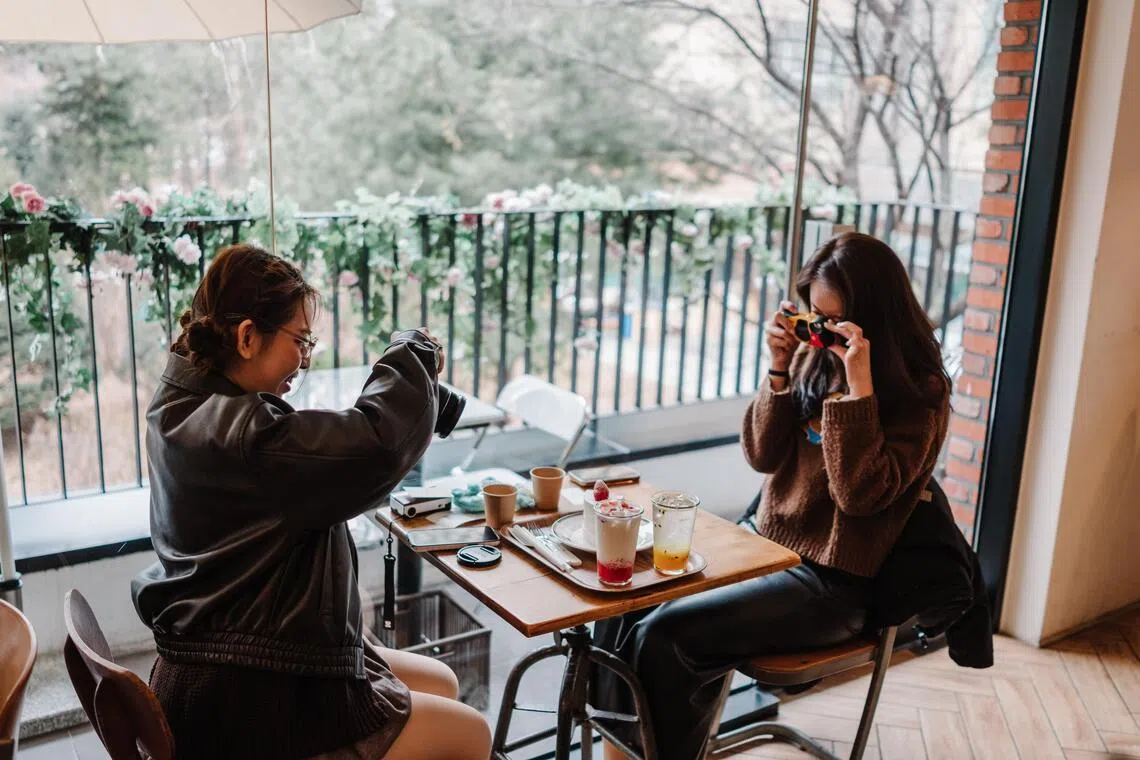
At home in South Korea, pastry chefs have leaned into the abundance of locally grown strawberries. Many cafes there offer cakes and tarts with fruits that are layered with surgical precision.
“They are aesthetically pleasing and on point,” Hui Jun Tang, a 31-year-old tourist from Malaysia, said of the strawberry-based offerings at a dessert cafe in Seoul.
It took decades for South Korea’s strawberry industry to reach this level of yield and profitability. Last year, its exports reached a record US$72 million in value.
Rising income has helped farmers and researchers to build an edge in other areas, such as energy-efficient greenhouses.
Jang, the researcher, said part of the key to success was patience.
“Strawberries are such a fiddly crop,” he said. NYTIMES
Decoding Asia newsletter: your guide to navigating Asia in a new global order. Sign up here to get Decoding Asia newsletter. Delivered to your inbox. Free.
Share with us your feedback on BT's products and services
TRENDING NOW

LTA proposes combining car COE categories, adding rebate-surcharge system
StarHub to acquire MyRepublic’s mobile business amid ongoing telco consolidation

DBS, OCBC, UOB rout lops billions off STI as inflation, rate concerns spook investors

Grab CEO’s wife Chloe Tong on life with Anthony Tan and finding her purpose

