

Women filming women
This International Women’s Day, we celebrate three female-centred films written and directed by women, now showing in cinemas

Helmi Yusof
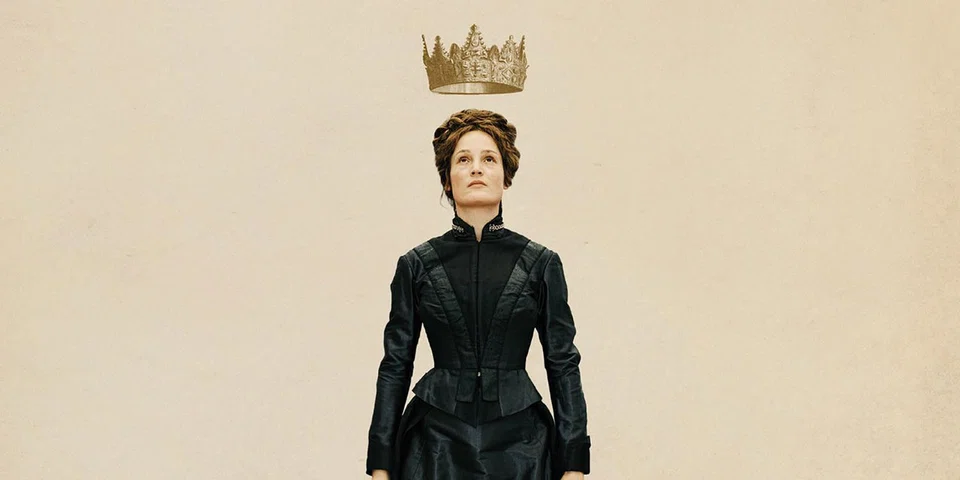
Women Talking (2022)
Writer-director: Sarah Polley
THIS is an important MeToo film with a seemingly ordinary title. But the point of the title is precisely that: Women are talking, and that, in itself, should be considered extremely important. For a long time, men have hogged the podiums and lecterns of the world. The idea of “women talking” – particularly on the subject of sexual abuse at the hands of men – should be enough for the rest of us to keep silent and pay attention.
Nominated for the Oscars for Best Picture and Best Adapted Screenplay, Women Talking is inspired by true events that happened in an isolated Mennonite community in Bolivia between 2005 and 2009, when over 100 women and girls woke up one morning to discover they had been raped. While the elders dismissed it as the work of ghosts and demons, it was later discovered that a group of men had systematically drugged the women and girls and carried out the assault.
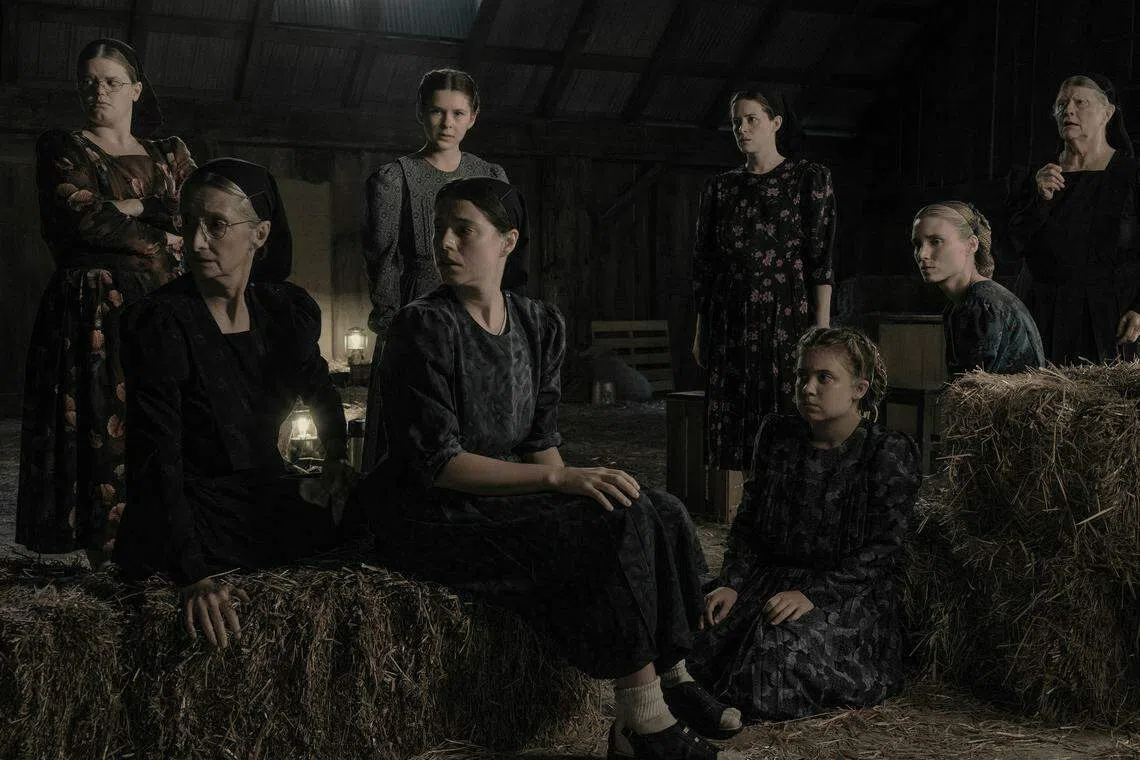
The 2018 novel by Miriam Toews was based on the incident. The subsequent film, adapted from the novel by Sarah Polley, centres on a group of women who had been appointed by all the other women to make a decision on whether to stay and forgive the men, or to take their belongings and leave the community for good.
The women (played by a sterling cast that includes Rooney Mara, Claire Foy and Frances McDormand) meet in the barn house, and it quickly becomes clear that there is no one-size-fits-all response to sexual abuse. There is rage and anger among some women, but there is also resignation and impotence among others.
They discuss, almost like students in a classroom, what they should do. They write down (with the help of a male school teacher, because the women had not been taught to write) the pros and cons of staying and leaving, before arriving at their difficult decision.
Of all the three films featured here, Women Talking is the hardest to watch. Not only is the subject a horrific one, it feels less like a film than a rational, philosophical discussion of how to change a world engrained with patriarchal structures. Director Polley seems intent on holding back the sturm und drang of the women’s emotions in order to foreground a genuine discourse for the real world. The film can feel dry and contrived at times.
Nevertheless, it is still an important work that should be watched, and one can even imagine a near future when enlightened school teachers show it in their classes to broach the sensitive subjects of gender equity, sexism and sexual abuse.
Corsage (2022)
Writer-director: Marie Kreutzer

It’s not hard to figure out – even before watching the film – that the title Corsage (which means “corset” in German) would allude to the social and structural constraints that women have to negotiate for much of their lives.
Marie Kreutz’s sumptuous but intimate historical drama narrates a year in the life of Empress Elisabeth of Austria (1837 – 1898), a real-life personality renowned for her great beauty and hourglass figure, aided by the use of very tight-laced corsets.
Married at the age of 16 to Emperor Franz Joseph I, she was stifled by the rules and customs of the royal palace, and went through bouts of anxiety and depression. She had little agency over her own life, other than her own body. So she weighed herself obsessively and frequently went on diets to stay thin and youthful-looking.
In real life, Elisabeth grew miserable and lonely, and died at the age of 60 at the hands of an anarchist assassin. But in Corsage, writer-director Kreutz distorts the historical facts and reimagines her as something of an early feminist figure who defied royal expectations, rebelled against her husband and flirted frequently with soldiers.
Here, Elisabeth regains her agency as a flawed but proud individual, gradually freeing herself of the weight of social and familial expectations. The genius of the film, however, is that it doesn’t feel like a forced rewriting of a true story at all. Kreutz has delivered a full and remarkable character study that somehow feels entirely plausible within the historical milieu of 19th century Vienna.
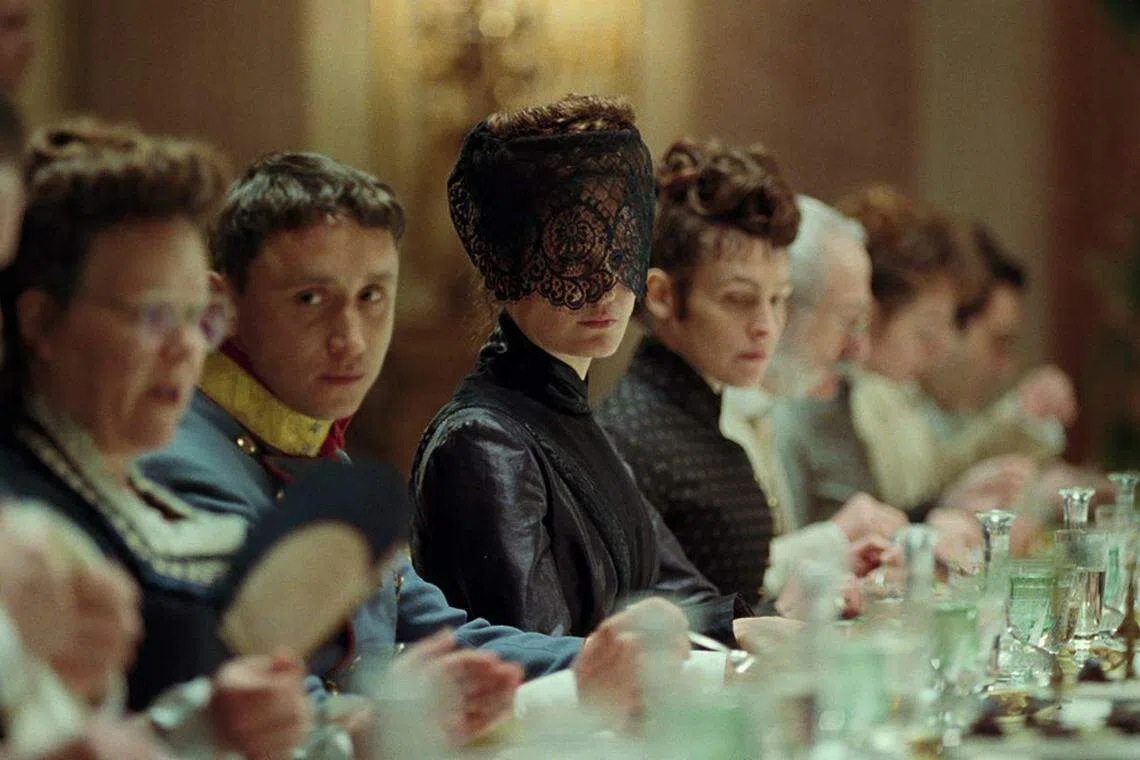
She is aided, no doubt, by the ravishing performance of Vicky Krieps, a luminous and intelligent actress who belongs in the same pantheon as the Julianne Moores and Juliette Binoches of this world. Krieps won the Best Performance Prize under the Un Certain Regard category at the 2022 Cannes Film Festival, as well as Best Actress at the European Film Awards – and it feels almost criminal that she was not nominated for an Oscar.
When we first meet Elisabeth, she is already a woman of 40, bored with her loveless marriage and repetitive ceremonial duties, and looking for ways to amuse herself. She is trapped in a circumstance not unlike that of the celebrities of today, where people think nothing of making comments about her appearance wherever she goes.
But writer-director Kreutz and actress Krieps are less interested in depicting yet another victim of society’s impossible beauty standards. They’ve given us an Elisabeth who is smart and self-aware instead, fully cognisant of society’s stupidity and hypocrisy, and creative enough to find ways around them. Krieps plays her with both sparkling mischief and sullen melancholy – even if these qualities also lead to her undoing.
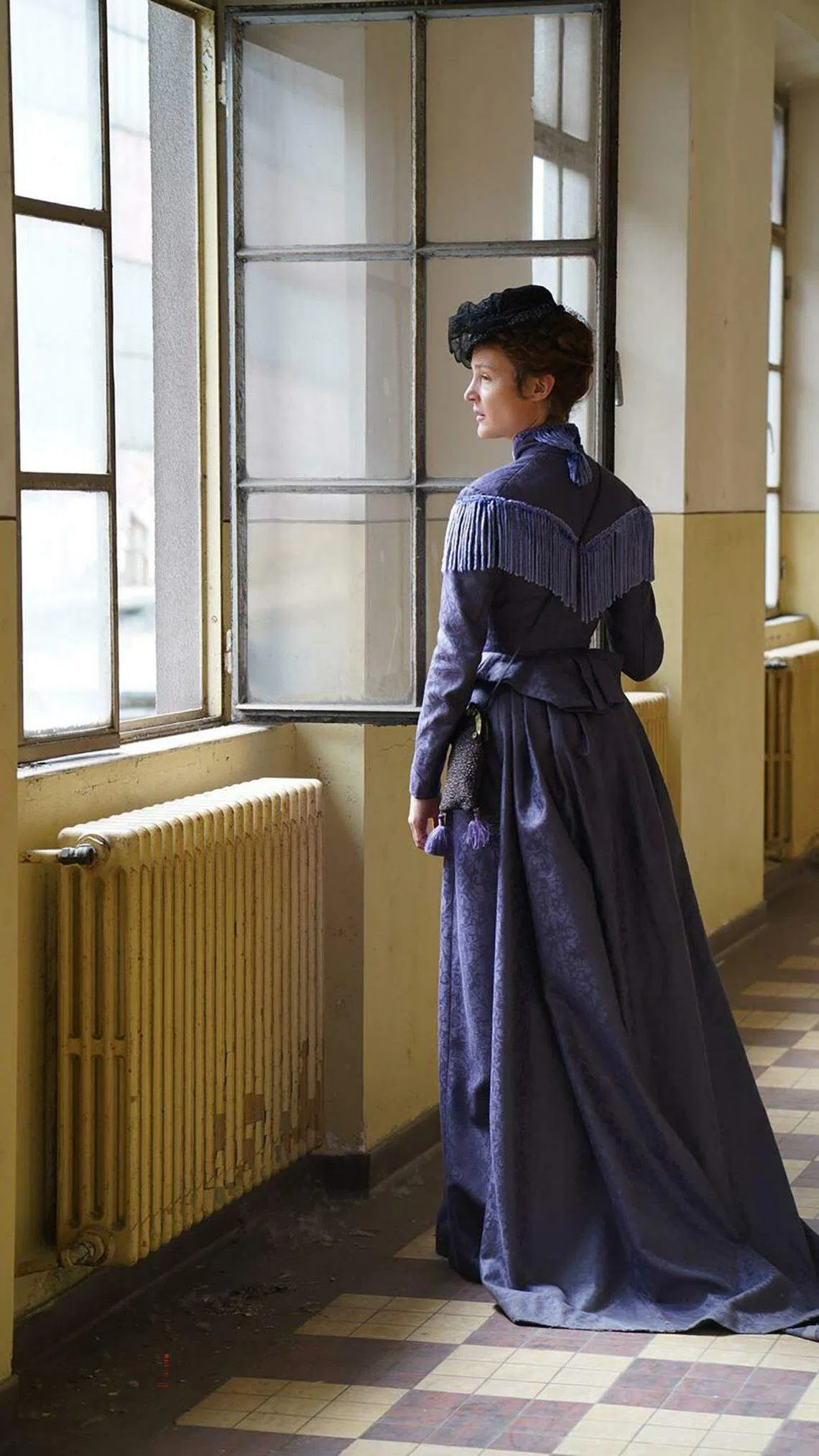
Corsage is a beautiful meditation of profound loneliness that arises from not knowing who one really is and what one really wants, filling that knowledge vacuum with what the world says is good and right for one. Although the story is set 140 years ago, its lessons are as timely as ever.
Leonor Will Never Die (2022)
Writer-director: Martika Ramirez Escobar
An offbeat festival hit, the debut film of Martika Ramirez Escobar mixes the aesthetics of 1980s Filipino B-grade action movies with the contemporary social politics of the Philippines to arrive at a slightly messy, but charming pastiche of a movie titled Leonor Will Never Die.
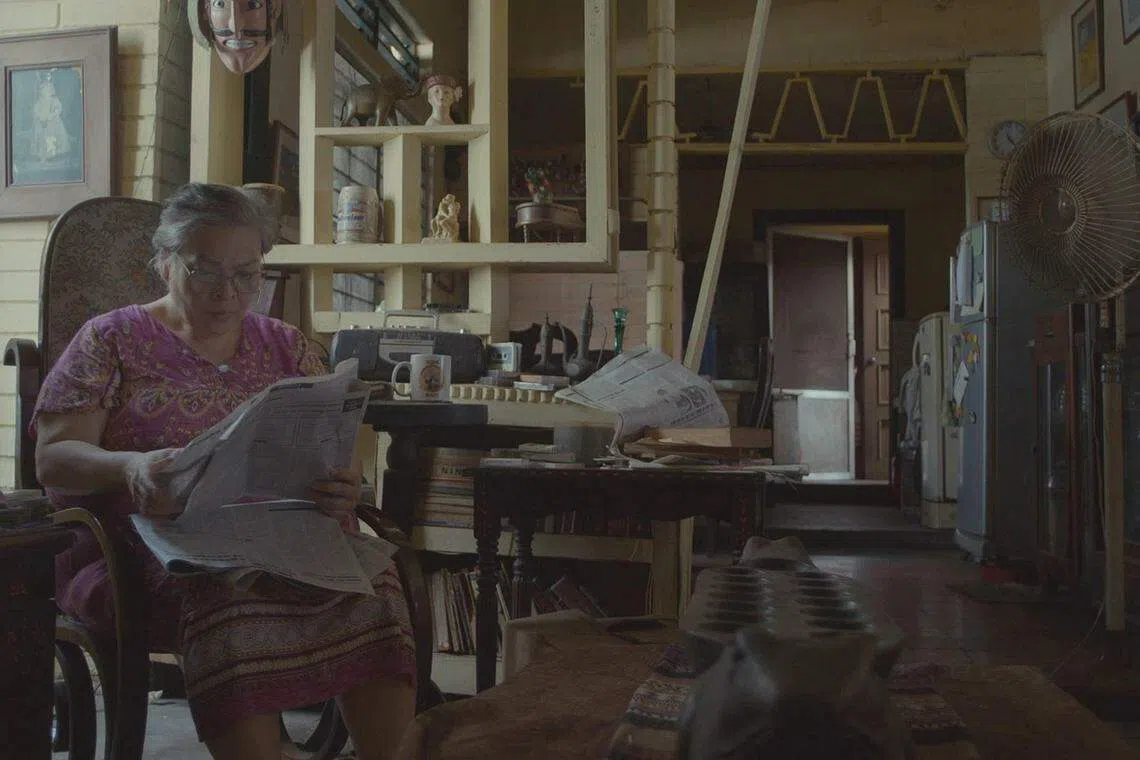
Leonor (played by feisty gray-haired actress Sheila Francisco) is an ageing female director once famous for helming B-grade action movies. Having lost her favourite son (Anthony Falcon) in a movie-set accident, she now lives with her other son (Bong Cabrera), who is struggling to support them both. Desperate to pay their bills, Leonor decides to knock the dust off an old movie script she had once started to write but never finished, with the hope of turning it over to a producer for a quick buck.
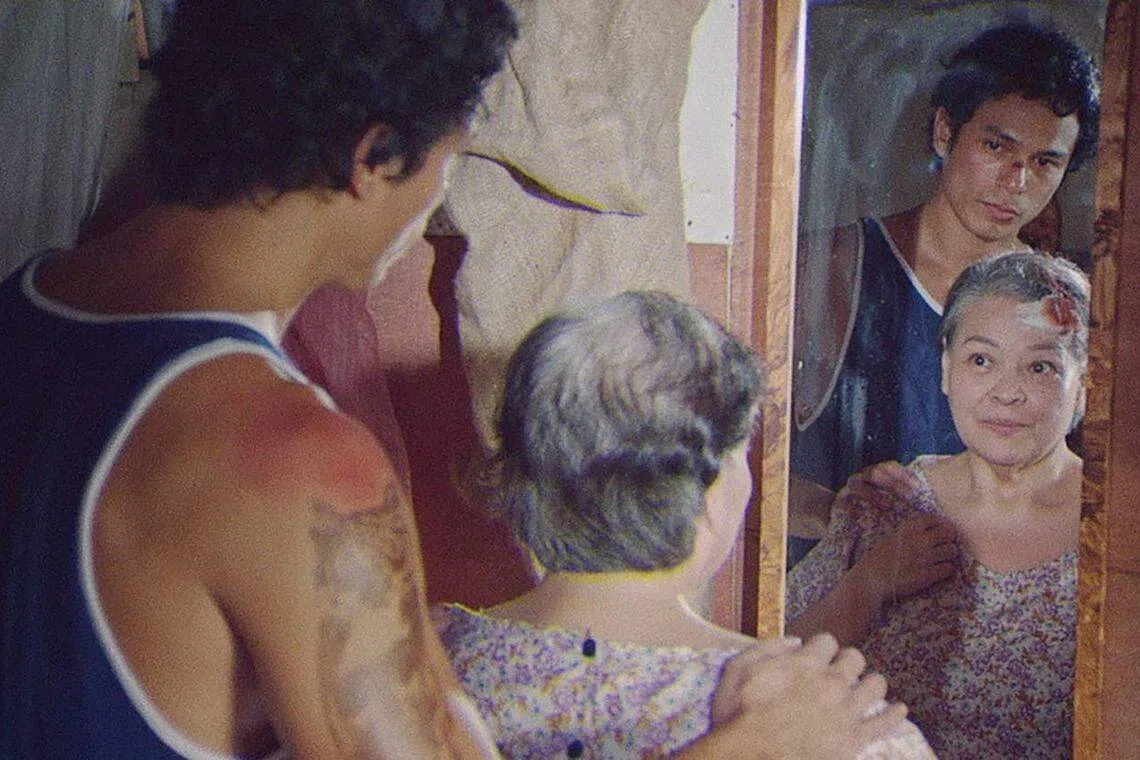
But while she is walking next to an apartment block one day, a quarrelling couple throws a television set out of the window, and it lands squarely on her head. Now comatose in hospital, Leonor somehow acquires the ability to appear in her own action movie scenes, where she plays a character who knows exactly what all the other characters are about to say or do, because, well, she wrote the script.
Writer-director Escobar, who is barely 30, clearly has a deep affection for the B-grade genre films of her country. Despite its low budget, Leonor Will Never Die is suffused with a lot of charm and nostalgia for the particular art form. When compared to other self-reflexive movie-in-a-movie titles such as The Purple Rose of Cairo (1985), Irma Vep (1996) and Adaptation (2002), Leonor Will Never Die doesn’t quite offer anything new or inventive to the metacinema genre. But there’s certainly enough promise here to suggest Escobar’s sophomore outing would likely be wonderful.
Decoding Asia newsletter: your guide to navigating Asia in a new global order. Sign up here to get Decoding Asia newsletter. Delivered to your inbox. Free.
Copyright SPH Media. All rights reserved.
TRENDING NOW

Malaysian king buys stake in Singapore-listed mining firm expanding into rare earths

Family offices ‘kept captive’ by relationship managers turn to independent advisers, direct deals

Once staunchly pro-China, Malaysian Chinese businesses are now distancing themselves from Beijing

Could stablecoins be the future of money?

