The world’s rarest pasta is hidden in the mountains of Sardinia
For three centuries, su filindeu and a biannual Catholic pilgrimage have been inexorably connected
[SARDINIA, ITALY] The name tells you all you need to know about the significance of Sardinia’s most elusive pasta: su filindeu, the threads of God. Of the more than 350 officially recognised shapes of pasta in Italy, this is considered the rarest.
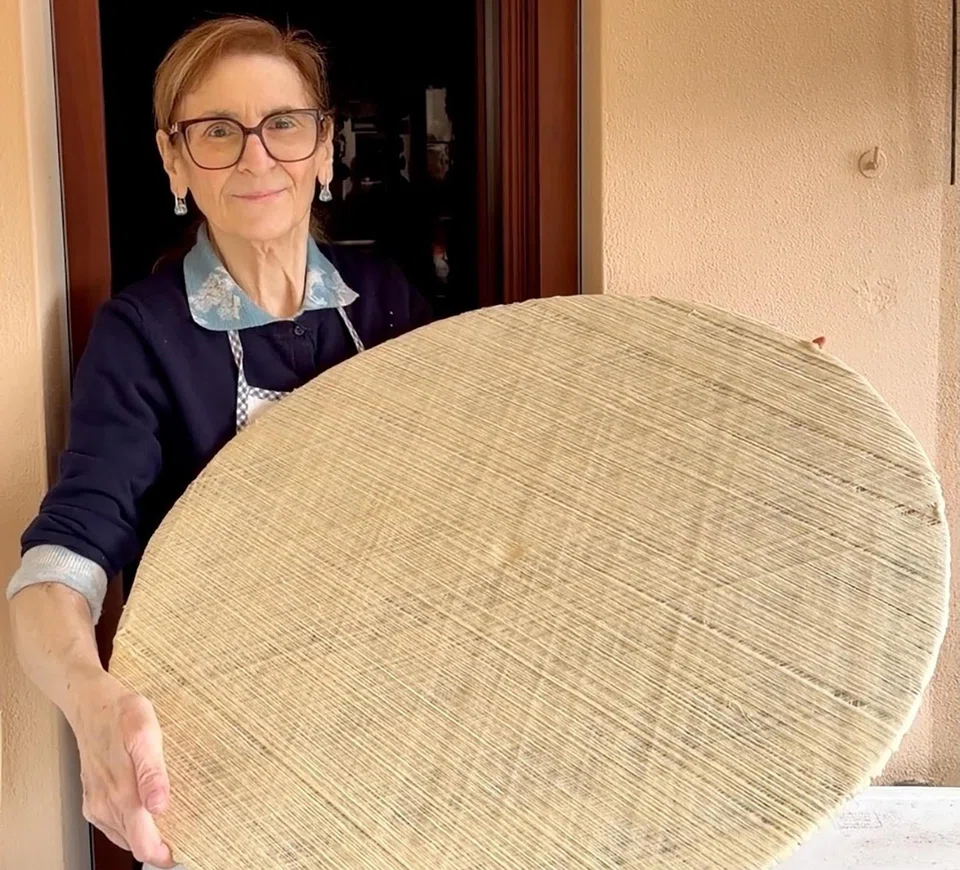
Paola Abraini is one of only a handful of people who still know how to make su filindeu. “To lose this tradition would be like losing a piece of our identity,” she said.
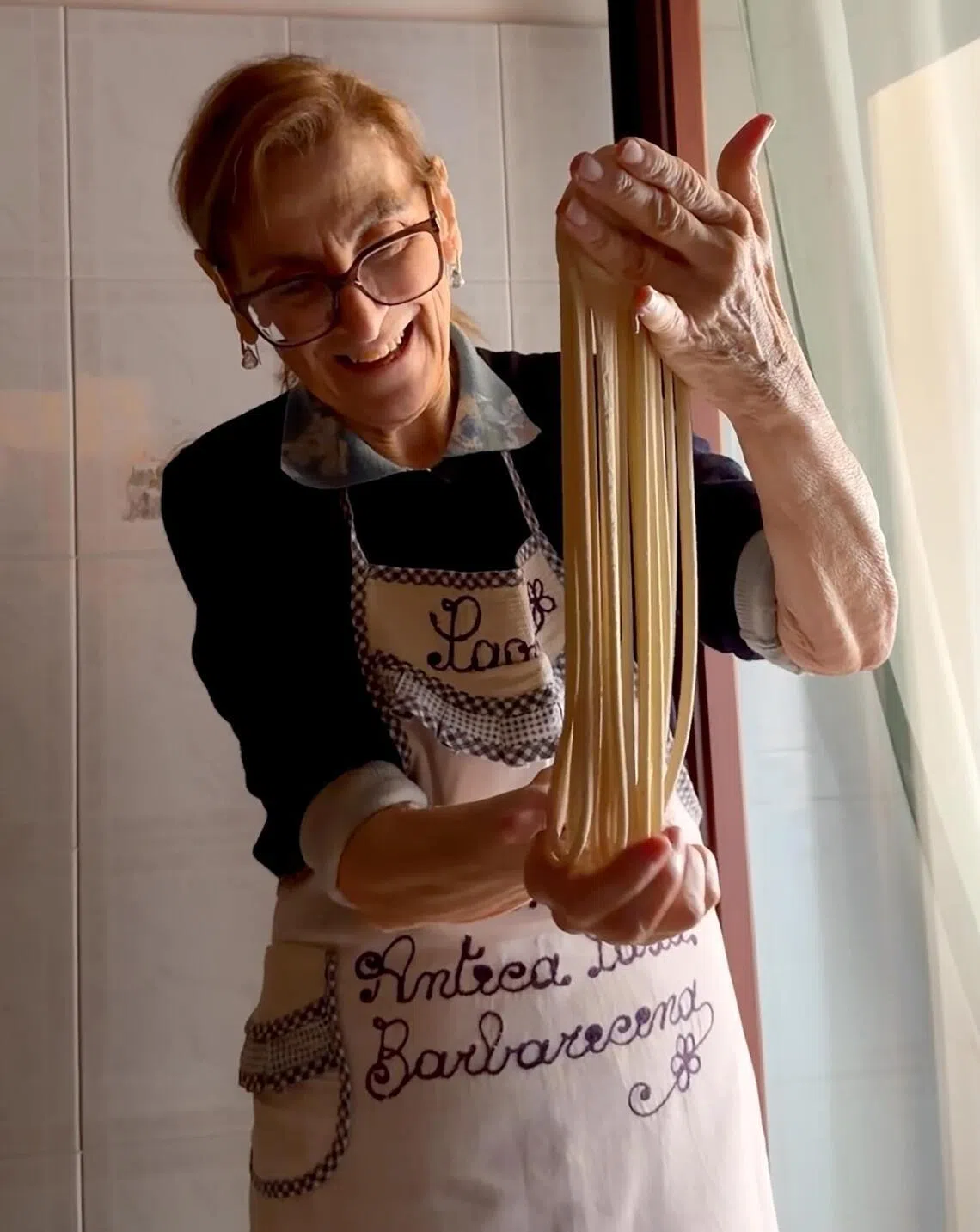
Stretched by hand, a single ball of dough is converted into 256 gossamer strands – a meticulous process that has proved difficult to pass down to younger generations.
Every detail of su filindeu matters, including its relationship with its Mediterranean environs. “When it is dried in the sun it becomes light and golden,” Abraini said.
Twenty years ago, Abraini was among the last custodians of the vanishing foodway. But her tireless work as a teacher has helped bring it back from the brink of extinction.
For most of its centuries-long history, su filindeu was a tradition passed down through a single line of matriarchs from Nuoro, a town in the mountainous interior of the island. In fact, Abraini came to learn the intricate craft from her mother-in-law at 16.
Whereas most handmade pasta in Italy is rolled out with a wooden dowel called a mattarello, every pass of su filindeu dough halves the width and doubles the number of strands. Do that eight times and you end up with the requisite 256 threads.
Such finesse requires a not-so-secret ingredient: salt, which tightens the network of gluten in the flour, giving the dough the elasticity required to stretch so thin.
It’s not a recipe that can be read and recreated by enterprising cooks in kitchens abroad; the technique must be felt in the flesh, learned through repetition and error until the fingertips know the difference between just right and just wrong.
To master it requires mastering many variables, including the effect of hard water versus soft water, when to add the salt solution, how to adjust to the weather. This level of dedication has made younger generations of local women reluctant to take up the practice.
Rooted in tradition
Many have come to Nuoro to learn but few have succeeded at the intricate craftwork. Even the pasta barons of Barilla, the world’s largest pasta company, couldn’t crack the code for these noodles.
Su filindeu is closely bound to its home in the north of Sardinia, a sparsely populated tableau of verdant flora and sheer stone, hearty food and strong beliefs.
Much of the island’s history and culture have been defined by isolation, nowhere more so than Nuoro, which Grazia Deledda, the 1926 Nobel Prize-winning writer who grew up there, called “the most cultured and combative town on the island”.
At the heart of that culture is a biannual Catholic pilgrimage, which begins in the church of Rosario di Nuoro in May and October.
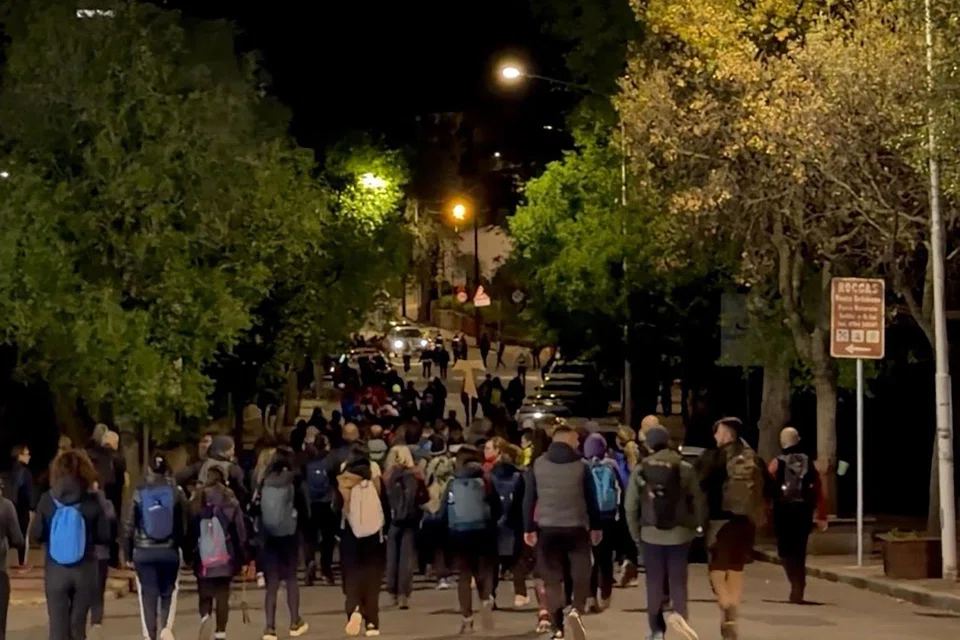
At midnight on May 1, hundreds of pilgrims set out from Nuoro. Together, they traverse over 32 kilometres of mountainous terrain to the church of San Francesco di Lula in the village of Lula.
Some travel in groups of family and friends, telling stories and trading gossip deep into the night. Others prefer a solitary journey of reflection through the darkness. The first groups of pilgrims arrive at the San Francesco di Lula shrine just as the sun rises above the limestone crest of the Monte Albo massif – a spiritual journey now illuminated.
Local lore has it that a bandit back in the 17th century was falsely accused of murder. After being exonerated, he built a church outside the village of Lula and dedicated it to St Francis of Assisi, defender of the poor and steward of nature.
The overnight journey evokes a wide range of emotions in Sardinia’s pilgrims – joy, hope, solemnity and catharsis. The pilgrims endure the journey and the community responds with restorative hospitality: water and coffee, a footbath and, eventually, a bowl of pasta.
Ask five pilgrims why they make the journey, and you’ll get varied answers: For faith. For pride. For a loved one. For exercise. And, of course, for pasta.
Context matters
One thing that most pilgrims agree on: This is as good as su filindeu gets.
For centuries, it was served exclusively at San Francesco di Lula. But recently, a few restaurants in Sardinia started to serve the pasta outside of the pilgrimage.
Context is everything, though. Eaten any other time, the dish doesn’t taste the way it does after an overnight mountain hike. It’s the effort that matters – both in the making of the pasta and the pilgrimage to eat it.
Sheep, many of which live in those same mountains, outnumber humans two to one on Sardinia. They play a central role in island culture and cuisine – including as the base for the su filindeu broth.
It takes a village to make the dish, but the division of kitchen labour at San Francesco di Lula is clear: Men make the broth, and women cook (and bless) the pasta. Soft cubes of sheep’s milk cheese are stirred into the broth just before serving.
The final creation is more delicate than the sheep-on-sheep treatment would suggest: aromatic, gentle, almost sweet.
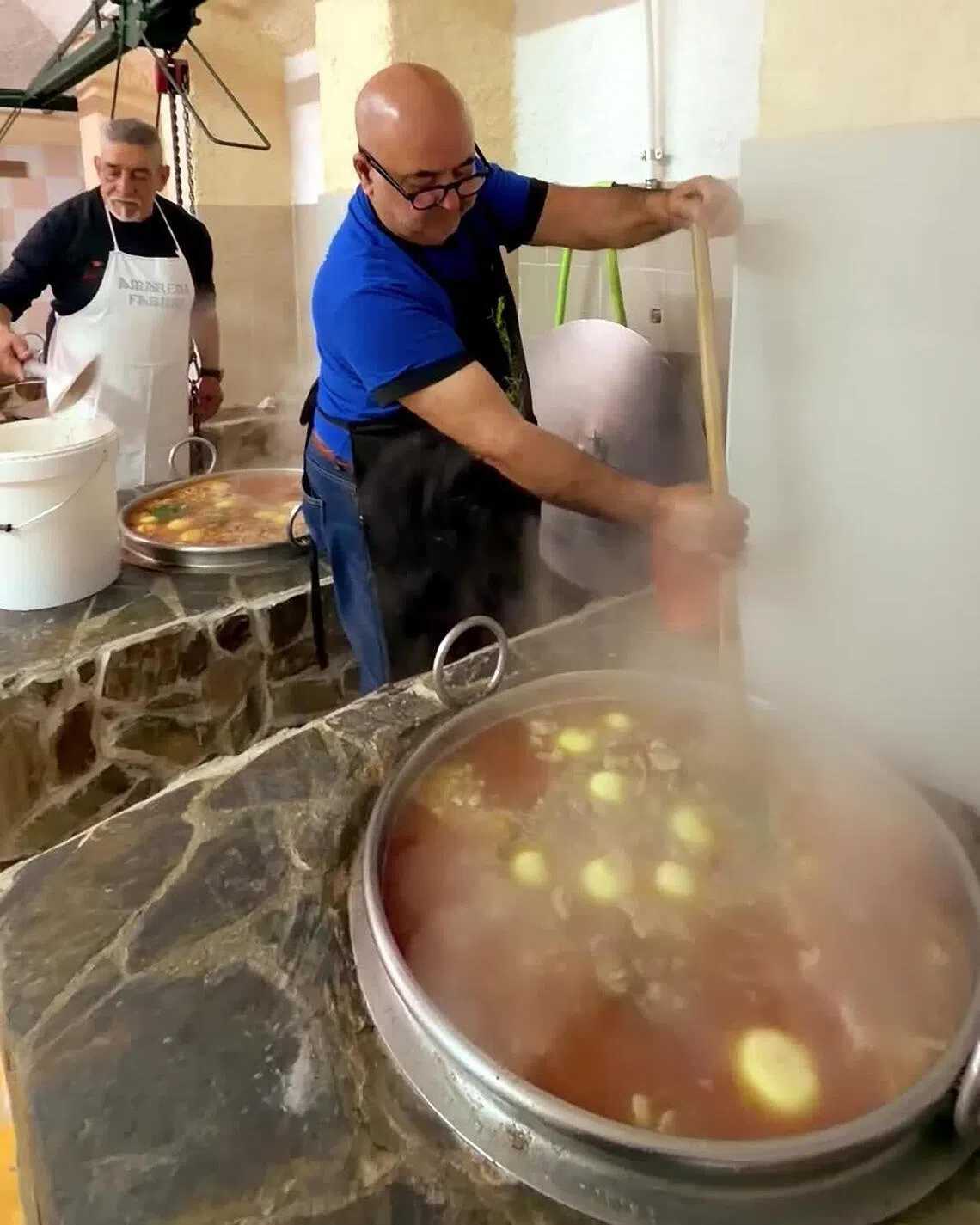
For three centuries, the pasta and the pilgrimage have been inexorably connected. The power of the pilgrimage is found in the balance between solitude and community, sacrifice and hospitality, pain and pleasure.
Seated at the long communal tables, some of the pilgrims have consumed dozens of bowls of su filindeu over the course of decades. Others are just beginning their journey. NYTIMES
Decoding Asia newsletter: your guide to navigating Asia in a new global order. Sign up here to get Decoding Asia newsletter. Delivered to your inbox. Free.
Share with us your feedback on BT's products and services