



Five things to know about Indonesia’s latest coal ownership shake-up
One of the largest coal miners Bayan Resources has agreed to sell a 30% stake to Jhonlin Baratama

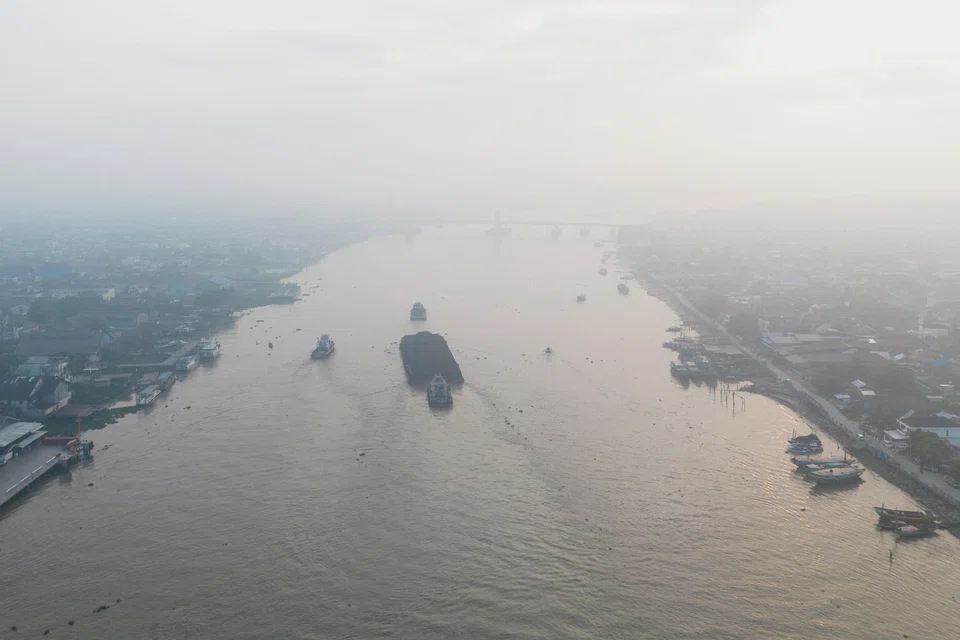
[JAKARTA] Indonesia’s coal industry is set for a significant shift in ownership after one of the largest coal miners, Bayan Resources, agreed to sell a 30 per cent stake to Jhonlin Baratama, a coal mining contractor and producer from South Kalimantan.
The deal could offer a glimpse into how ownership of the country’s largest mining assets may evolve as established fortunes diversify and resource groups seek greater control across the mining supply chain.
The transaction would give Jhonlin Baratama, controlled by businessman Andi Syamsuddin Arsyad, known as Haji Isam, a significant stake in one of Indonesia’s largest coal producers.
It would also enable tycoon and Bayan founder Low Tuck Kwong and his family to monetise part of their holdings while retaining a substantial position.
Here are five things to know about the deal:
1. What is the deal worth?
Jhonlin Baratama, the investment vehicle of Haji Isam, signed a conditional share purchase agreement with Low and his daughter Elaine Low on Sep 16 to acquire more than 10 billion Bayan shares, equivalent to about 30 per cent of the company’s outstanding shares.
Bayan currently has 33.33 billion shares outstanding. As of Jun 30, Low held about 40.22 per cent and Elaine Low 22 per cent, giving the family a combined around 62 per cent stake before the proposed sale.
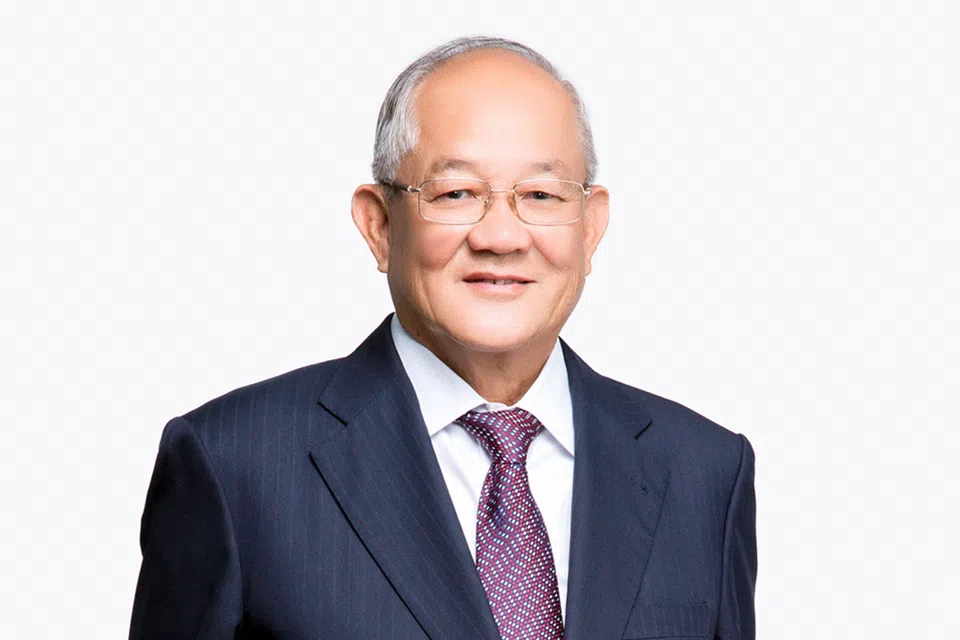
The purchase price has not been disclosed. Based on Bayan’s Sep 16 closing share price of 11,450 rupiah, the 30 per cent stake had a market value of about 114.5 trillion rupiah (US$6.9 billion), although the actual transaction value may differ.
Bayan said that the transaction remains subject to conditions precedent and has yet to be completed. The company added that Low will remain its controlling shareholder following the transaction.

Assuming no other changes in ownership, the sale would reduce the Low family’s combined holding to about 32.25 per cent.
2. Why sell the stake?
The sale raises questions about why Low and his family chose to monetise part of their stake, given Bayan’s strong profitability and financial position.
The transaction is structured as a secondary share sale, with the proceeds going to Low and his daughter rather than the company. The deal, therefore, will not provide Bayan with fresh capital or improve its balance sheet.
Liza Camelia Suryanata, head of research at Kiwoom Sekuritas Indonesia, said she saw no clear signs that the sale was driven by financial distress at Bayan.
“What remains unclear is why they chose to sell such a large 30 per cent block at this point. Whether it is for monetisation, succession planning, diversification or other reasons,” she said.
Bayan is one of Indonesia’s largest and most profitable pure-play thermal coal miners. Moody’s attributes Bayan’s strong profitability to its low-cost operations in Kalimantan, long mine reserve life, strong liquidity and prudent financial policies.
In 2025, the company reported about US$3.43 billion in revenue, US$1.36 billion in earnings before interest, taxes, depreciation and amortisation and US$943 million in net profit.
It produced around 68 million tonnes of coal, making it one of Indonesia’s largest thermal coal producers.
3. Sector heavyweight
Haji Isam is no newcomer to Indonesia’s mining industry. Jhonlin Group has interests spanning mining contracting, coal and nickel, as well as mining equipment, with its Jhonlin Baratama unit involved in mining contracting and coal production in South Kalimantan.
In August 2025, Indonesia President Prabowo Subianto awarded him the Bintang Mahaputera Utama, one of Indonesia’s highest state honours, given to individuals for exceptional service to the nation and state.
The government cited his contribution to regional and national economic growth, including through Jhonlin Group’s businesses in mining, transportation and infrastructure and the jobs they have created.
4. An interesting juncture
The deal comes as Indonesia’s coal miners face tighter production controls and growing pressure to manage capital allocation amid changes in the global energy mix.
Earlier this year, the government cut Indonesia’s coal production target from about 790 million tonnes in 2025 to around 600 million tonnes, using production quotas to curb oversupply, support prices and conserve reserves.
The timing is particularly notable for Bayan, which was navigating uncertainty over its 2026 mining quota when the purchase agreement was signed.
On Sep 11, three of its subsidiaries declared force majeure on certain coal supply obligations while awaiting government approval of their revised 2026 production quotas. The uncertainty had raised concerns over the company’s production and earnings outlook.
That overhang has since eased. On Sep 23, a week after the purchase agreement was signed, Indonesia’s Energy Ministry approved an additional 15 million to 20 million tonnes of mining quota for three Bayan subsidiaries. The ministry said the quota approval was unrelated to the share sale.
Ricky Ho, chief investment officer at Four Capital, said: “Even if the two developments are legally independent, the sequence is likely to prompt questions from global investors about whether regulatory approvals and corporate ownership may be connected in ways that are not fully visible to outside shareholders.”
5. Whither Indonesia’s coal sector?
The transaction also highlights the evolution of Indonesia’s coal ownership landscape as the country gradually shifts towards cleaner energy.
Rather than signalling a retreat from coal, the deal suggests that large Indonesian business groups continue to see value in high-quality coal assets, even as they move towards a broader transition across the energy and resources sector.
Bisman Bakhtiar, executive director of the think-tank Center for Energy and Mining Law Studies, said coal remains a lucrative business for established producers, supported by Indonesia’s large reserves, strong export position and continued role in domestic power generation.
“For resource-rich conglomerates, large, low-cost coal assets can still provide substantial cash flow even as they diversify into other sectors,” he said.
Indonesia is the world’s largest thermal coal exporter. South-east Asia’s largest economy produced about 817 million tonnes of coal in 2025, with more than 523 million tonnes, or about 64 per cent, shipped to overseas markets.
Decoding Asia newsletter: your guide to navigating Asia in a new global order. Sign up here to get Decoding Asia newsletter. Delivered to your inbox. Free.
Copyright SPH Media. All rights reserved.
TRENDING NOW

Government to bring forward raising of retirement age, give employers more financial support to create flexi-load jobs
If Europe goes to war, the fallout will be felt in East Asia

Indonesia stocks suffer worst plunge in nearly 30 years as MSCI proposes standalone status

Vietnam’s northern provinces, not Hanoi or Ho Chi Minh City, are powering near 10% GDP growth

